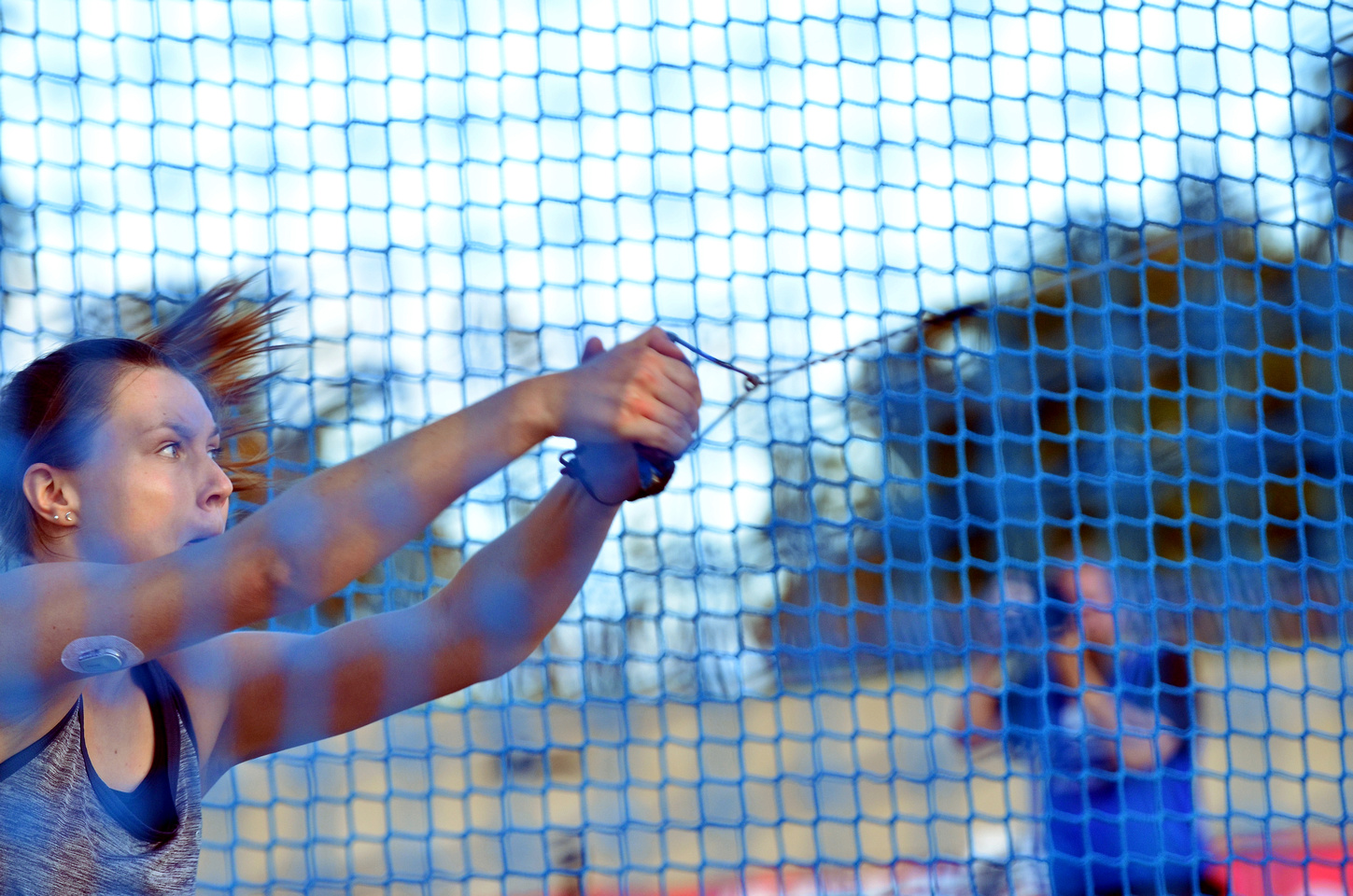

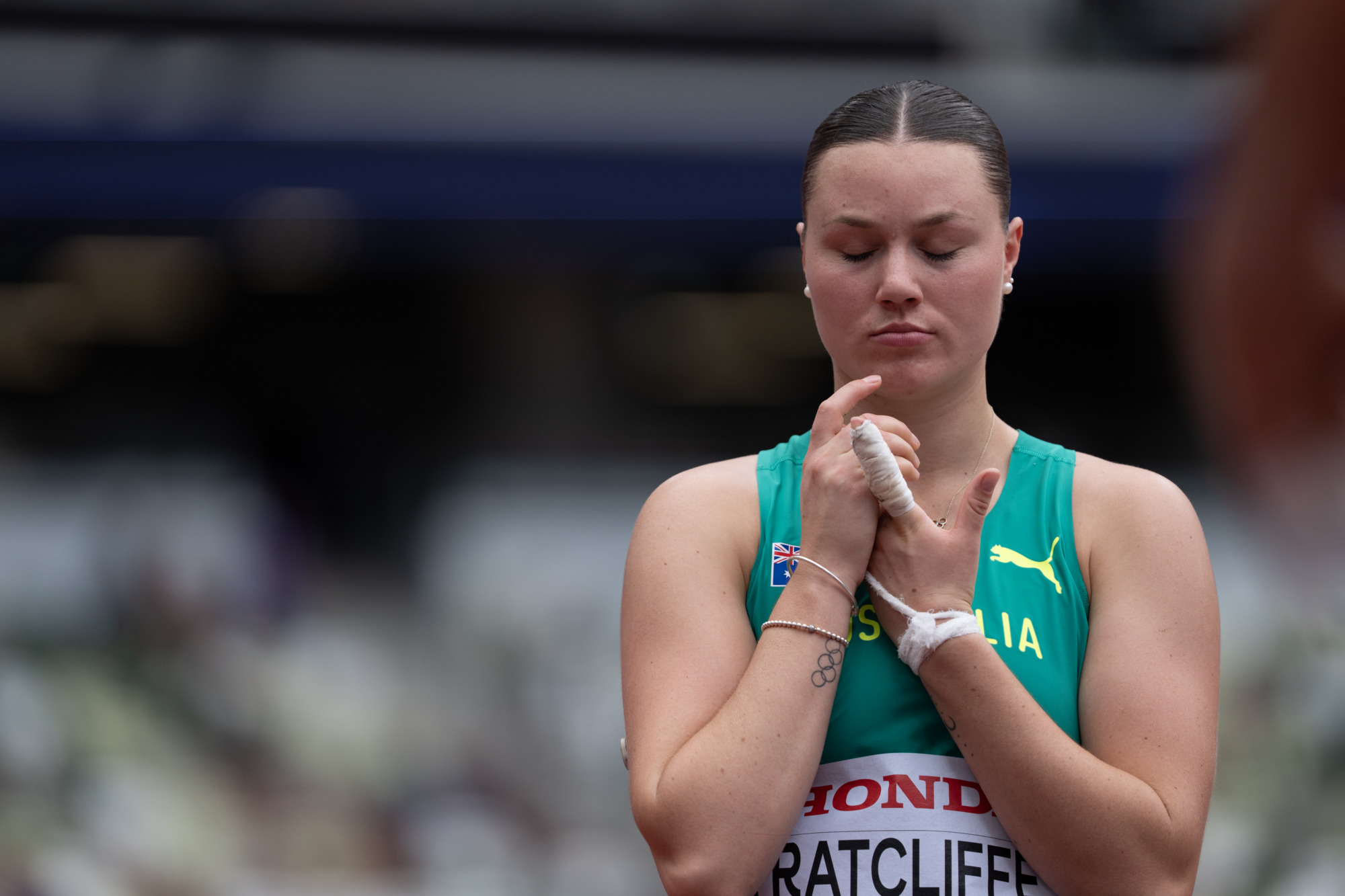
When Steph Ratcliffe steps into the circle, her world becomes simple. There is an elegance to the hammer throw, a rhythm of power and finesse. On the good days, she feels for the ball and moves with it, every turn an effortless execution of a dance she’s performed thousands of times before. The tension is perfect, the ball feels weightless. As it leaves her hand, she already knows its fate.
This is how Ratcliffe felt in 2023 when she threw 73.11m to break the Australian record for the first time. On that same day, she graduated from Harvard University in neuroscience. Now she is an Olympian, but living out two dreams at once has not always been a seamless task. Life outside the circle has not always been so simple.
In this story, Ratcliffe speaks publicly for the first time about her battles with depression and the lessons that have led her to become the happiest she has ever been. She also speaks about life as an athlete with Type 1 diabetes, her NCAA and Olympic experiences, and her excitement for what the future might hold.
Where Ambition Meets Its Limits
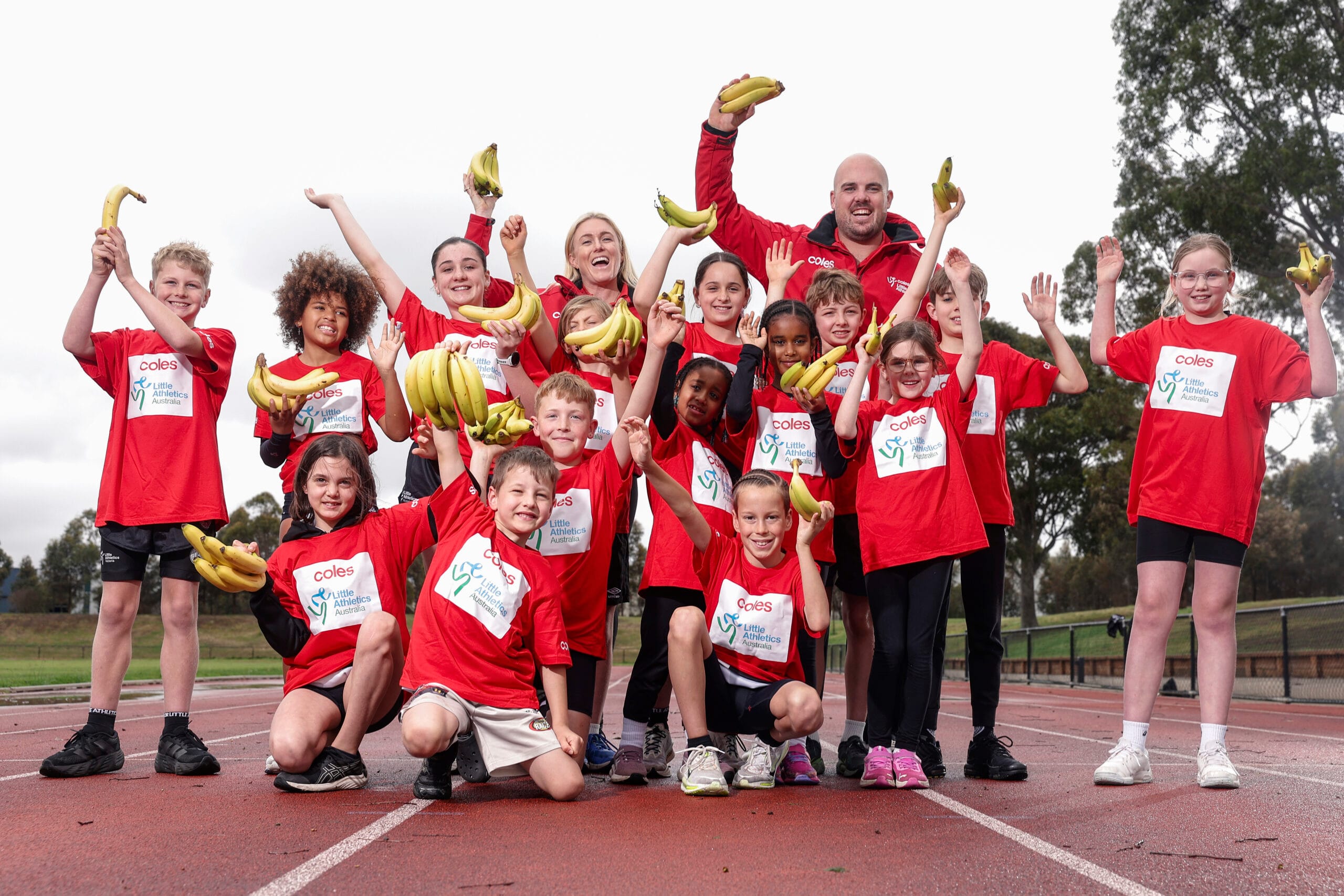
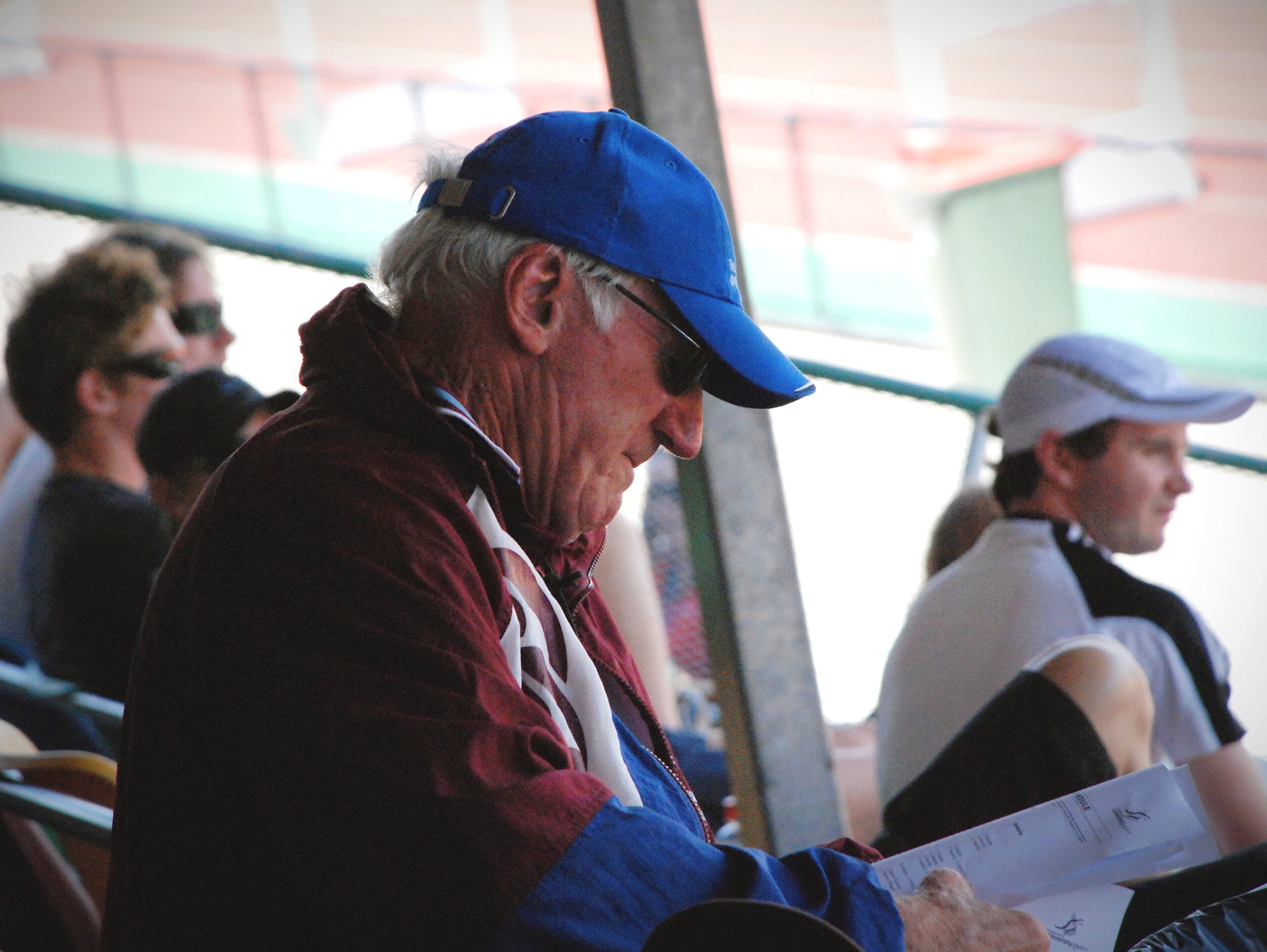
It was love at first sight for Ratcliffe when her dad took her to watch little athletics as a four-year-old. She marvelled at the kids running around, perhaps she could already feel that this could become a second home. A year later, she was old enough to take part. It would be another seven years until she specialised in throwing events, first guided by Alan Watson at Doncaster Athletics Club and then Andrew Stirling who introduced her to the Hammer Throw. She would go on to win Australian junior medals, showing promise in the path her younger self had embarked on all those years ago. But it wasn’t the only path she was walking.
“I knew I wanted to pursue athletics at a high level. I knew that was something important to me,” Ratcliffe says.
“But academics was also really important to me.”
These two ambitions led Ratcliffe to Harvard University. It would prove to be a decision that would help propel her onto the international stage whilst threatening to break her in the process.
“At the start, everything was fun, exciting. You meet so many people, I had a great group of friends. I think going onto the track and field team, you have that immediate family, people you can lean on,” she says. “It was just another world to me.”
Soon, the novelty wore thin. The demanding schedule left little room for Ratcliffe to enjoy her new life. Morning classes would run into the mid-afternoon where her training day would then begin. She would later rush to the dining hall before it closed. As some people went to sleep at night, she was only just sitting down to start her homework for the day.
“I sacrificed sleep a lot, which I shouldn’t have,” she remembers. “I was going to sleep at 2am. I never really gave myself the chance to breathe.”
She would fall asleep in the library at night, her head resting on the table. On reflection, Ratcliffe remarks that it was not the intellectual challenge of the work that chipped away at her, but the intensity of it and the fact that she demanded the highest results from both mind and body at the same time.
When the World Stopped, Everything Caught Up
When COVID struck in 2020, international students had a matter of days to pack up their belongings and leave the United States. For many, this would have been a heartbreaking experience, a dream snatched away. For Ratcliffe, however, it came as a relief.
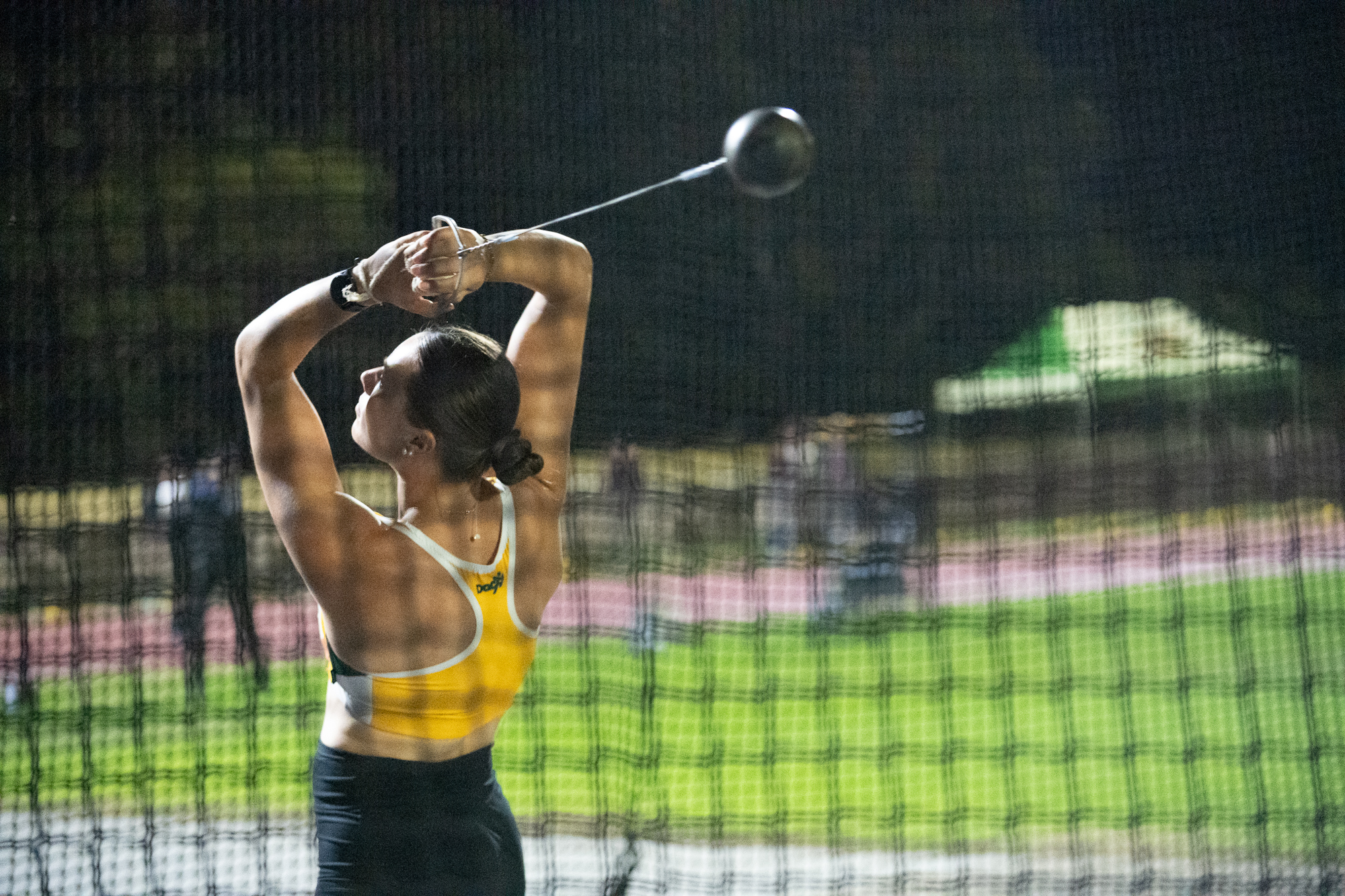
“When I found out that we might be going home, I was so excited,” she says. “I was so homesick. I was rundown, burnt-out. I just wanted to go home.”
Over the next year, Ratcliffe stopped training. In the months before coming home, she had noticed that things were not okay. She now knows that those feelings were the beginning of what would later be diagnosed as depression.
“That situation where I was alone and away from family was intense. I definitely noticed what it was then, but I didn’t do anything about it for a really long time. It just kept building until I couldn’t deal with it anymore,” she reflects. “Then being home for eighteen months was where I realised it’s not just the situation. It’s not just about college because those feelings were still there when I was home.”
At the end of 2021, Ratcliffe returned to Harvard, but away from home again her depression became impossible to ignore.
“I was not in a good place. I wasn’t happy, I didn’t want to do anything. I didn’t want to interact with anyone. I didn’t want to talk,” she says.
“I was there, but I wasn’t there. You just feel like you’re walking around and watching your life from the outside.”
She told her friend how she was feeling. She made an appointment with a psychologist and then cancelled it.
“I felt like if I didn’t say it out loud, it’s not real yet. As soon as you say it out loud, then it’s real,” she says. “I was lucky I had a really good friend. My three friends all helped me even if they didn’t know what they were helping me with at the time.”
She did eventually see a psychologist. After that, she decided to take the semester off and come home. With the help of the psychologist, she kept working on herself to slowly rewire how she thought about the world and herself.
Progress Over Perfection
With time, came healing.
“I was always trying to be perfect. I think a lot of athletes are like that. You’re trying to be perfect at everything and trying to put 100% into everything and this was something my psychologist told me that really helped,” Ratcliffe says. “You only have 100% to give. How can you give 100% to athletics and academics when you only have 100% to give in the first place? Something needs to give a little. That was a really strong lesson.”
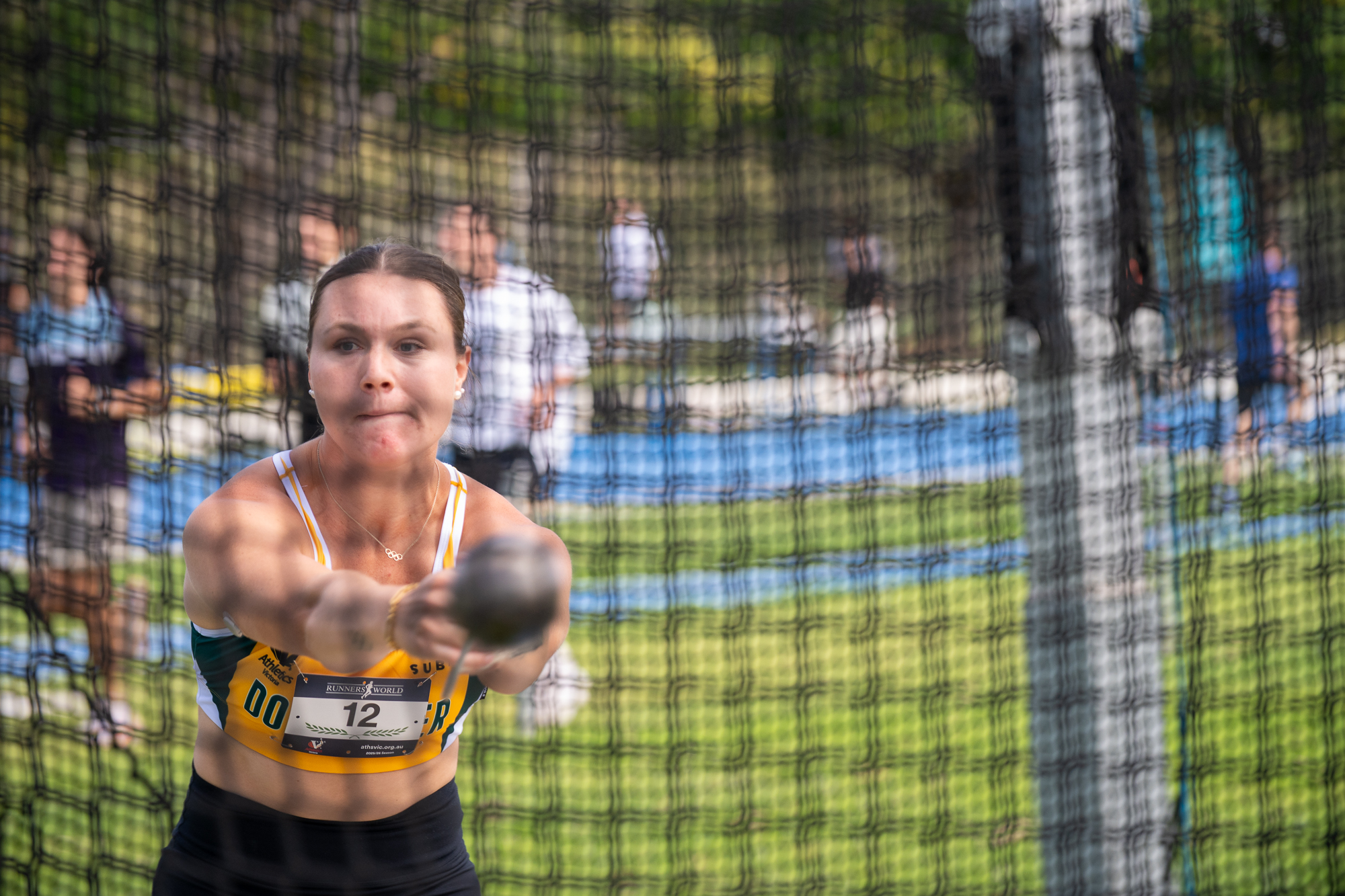
“I also wasn’t comfortable in my own skin,” Ratcliffe continues. “I think learning how to accept myself, accept my body was a big thing. A lot of athletes have that. And then being kind to yourself and treating yourself how you treat others. And why are you talking to yourself differently to how you would talk to your best friend?”
Although it didn’t happen overnight, Ratcliffe did begin to feel better. She emphasised mindfulness and gratitude, prioritised sleep and managed stress better.
“It’s not like it was fixed all at once. It definitely took its time,” she admits. “It took a lot of years to be fully fine, but it’s definitely possible because I’m the happiest I’ve ever been right now. When I live life, I’m grateful for it. When I’m stuck in traffic, I’m so grateful I actually have a car. I think the way you see the world can help so much with the energy you feed yourself.”
Progress Over Perfection
By 2023, Ratcliffe was back at Harvard University with a renewed mindset.
“That year was definitely still very hard, but I changed my mindset to make training my rock. It grounded me to have something to put my energy into and to see it progress,” she says. “I think that sport really helped me get myself out of the hole. You need something you’re passionate about, you need something that you care so much about that it will motivate you to do something again.”
“That year, even if I was still not mentally 100%, I was giving training 100% of myself,” Ratcliffe continues. “That 100% was different on some days, but that’s okay. I’m human. That year, I knew I had to look after myself. If it’s not happening one day, we can just come back tomorrow and it will be better.”
The wisdom in these words should not be understated. As the narrator, I take pause to reflect on my own career and how these lessons are strikingly relevant. I urge any athlete reading this to reflect on these too.
For Ratcliffe, this revolution of perspective created a momentum that would culminate in her Australian record (73.63m), a maiden NCAA title, and an international debut.
Progress Over Perfection
At the 2023 World Athletics Championships, the circle Ratcliffe stepped into was the first inside a major stadium in her career. Even at college, her competitions were commonly held away from the other events, far from the limelight. In Budapest that year, there was no hiding. This was the big time.
“I didn’t know what I was walking into. The nerves definitely took over for me,” she says. “I remember, I kind of freaked out a little. And then I was so mad at myself after that I was like: no, this is never happening again. I’m going to come back and I’m going to be prepared for what it feels like. It was definitely an important learning experience.”
With an Australian singlet under her belt, Ratcliffe set her sights on an Olympic debut. Adversity reared its head again, however, when a persistent pain in her back proved to be a stress fracture. She would be sidelined for months and it appeared that her Olympic dream was slipping away. And yet, she never once gave up on it.
“I did think about how I was going to get where I wanted to be when I was sitting on a couch for six weeks,” she acknowledges. “But I believe everything happens for a reason. I think that everything I went through at Harvard made me a much stronger person to be able to handle that. Through it all, I just kept telling myself that I was going to make it. Even when it felt so far, I didn’t know where I was at, I haven’t thrown in ages, I said there is no option other than that I make this team. I need to qualify.”
Ratcliffe left no stone unturned and took the necessary risks to give herself every chance of making that Olympic team. The same determination that had kept her in the sport when life was at its toughest had kept the dream alive once again.
“When I found out that I was going to the Olympics, I called my parents and I was just screaming,” she says. “Oh my gosh, I’m going to the Olympics.”
In Paris, Ratcliffe felt all the emotions of an athlete in the midst of her ‘I made it’ moment.
“Paris is my favourite moment of my life,” she says. “Everyone was so loud. I was so happy to be there. We trained so hard for this, whatever happens I was going to enjoy myself because at the end of the day, I throw my best when I’m having fun.”
Not even two early fouls could dampen the parade, with Ratcliffe rallying in her final throw to record a mark over 70m.
“I did think, what if I throw three fouls? Does that mean I’m not an Olympian?,” she laughs. “I just went ‘c’mon Steph’. All the experiences I had leading up to that moment had prepared me to keep my cool, refocus, treat that third throw like any other and then it went in.”
When It Almost Slipped Away
Ratcliffe has already written a remarkable narrative. The fact that she has taken every one of those steps with Type 1 diabetes only makes it even more meaningful. Diagnosed at the age of six, she has learnt to push her body to its limits with the constant balancing of blood sugars front of mind.
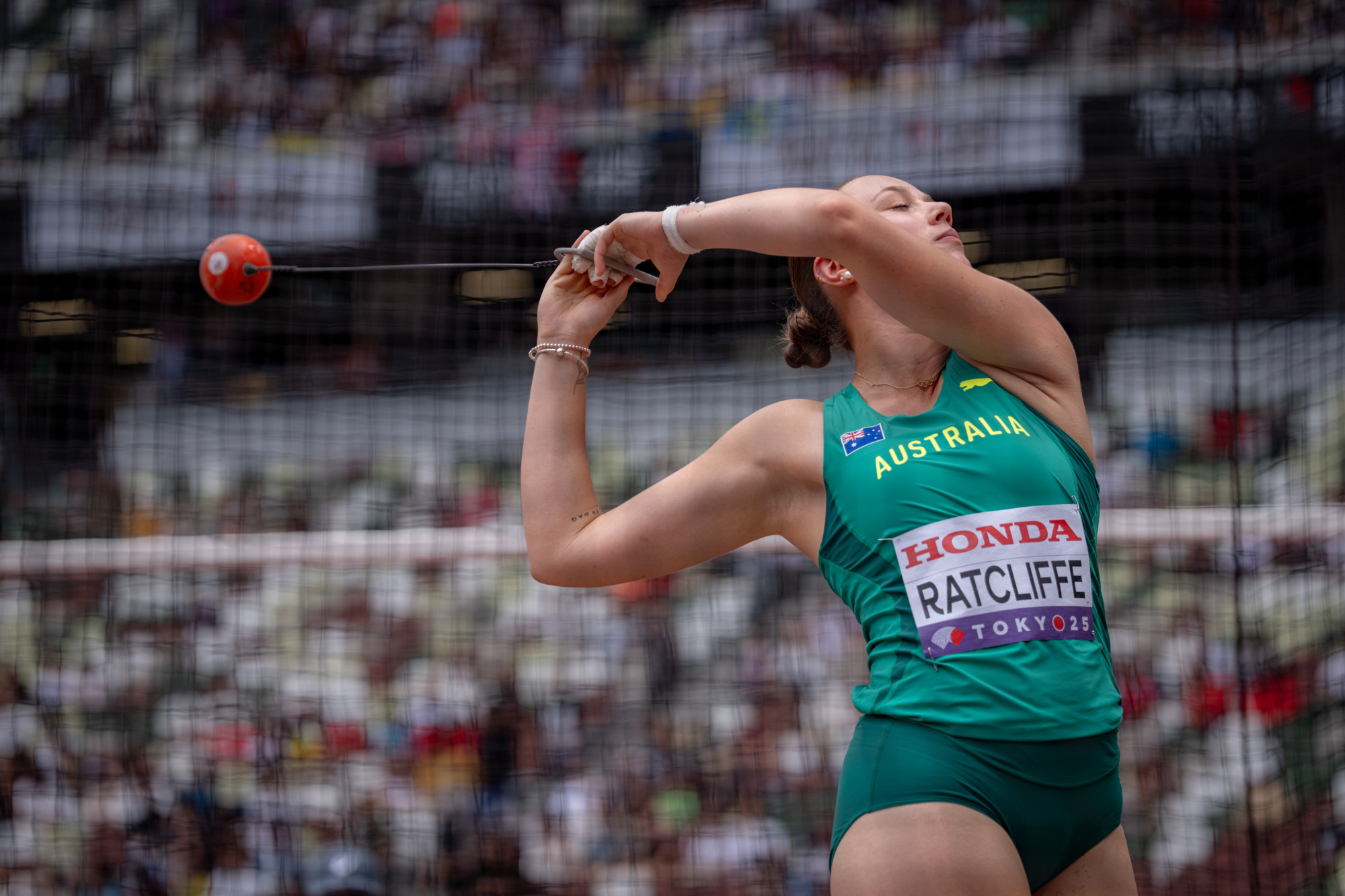
“Even though I train at the same time everyday, eat the same breakfast and give myself the same amount of insulin, something different happens,” she explains. “You can’t just figure it out, you’re always adapting.”
Competition days are the most complex to handle, with spikes in adrenaline overriding the effects of insulin. Ratcliffe confronted this reality at the 2025 NCAA Championships.
“At NCAAs, my bloods were extremely high because my insulin pump site failed. The whole competition, I was just so high, but you can’t micro-manage it or fixate on it. You just have to go, okay, it is what it is. I can’t do anything about it now,” she says. “Field events you’re out there for so long, so you have time to fix it. But I think that’s also a trap because you just think about it more. Sometimes, you just have to let it be.”
Despite yet another moment of adversity, Ratcliffe once again rose above it to win her second NCAA title with a throw of 71.37m.
The Challenge You Can’t See
Ratcliffe has now moved back to Melbourne and has commenced training under the tutelage of 2012 Olympic shot-putter, Dale Stevenson. She believes that this current set up has everything she needs to lay the foundations for success.
“I’m really excited. Everything’s falling into place. I know that the distances aren’t there yet, but the situation is more important. The distances will come from the good situation,” she says. “Being home, I’m the happiest I’ve ever been so that’s already putting me ahead.”
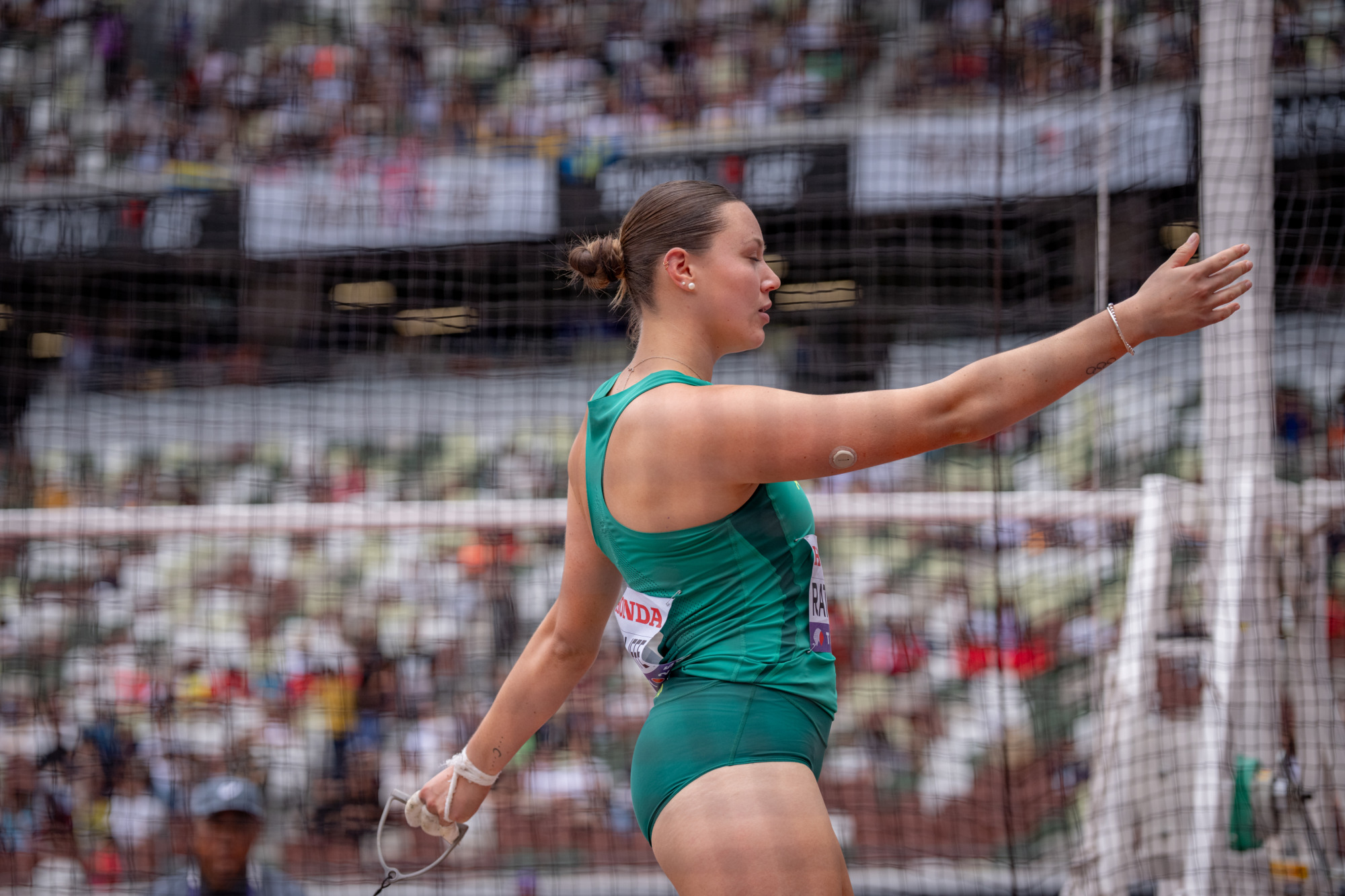
For those trying to calculate when Ratcliffe might come into her peak form, perhaps cast your eyes forward to Brisbane 2032. When she steps into that circle, she might already be a household name. But if she’s not, the moments that follow might take care of that anyway.
“I’ve thrown far before, I can do it again,” she says. “I want to do well in Brisbane, like really well. I’ve got a lot of physical strengths to build. I’ve got time on my side. If I’ve got more to build, then there’s more distance to come.
Ratcliffe has already overcome some of the toughest that life has to throw at us. She has emerged stronger than ever, with the wisdom of a seasoned veteran.
When she steps into that circle, life has never been more simpler than it is today.
If anything in this story resonates with you or raises concerns, you’re not alone – support is available. Australian Athletics’s Wellbeing Hub provides resources and guidance for the athletics community.