

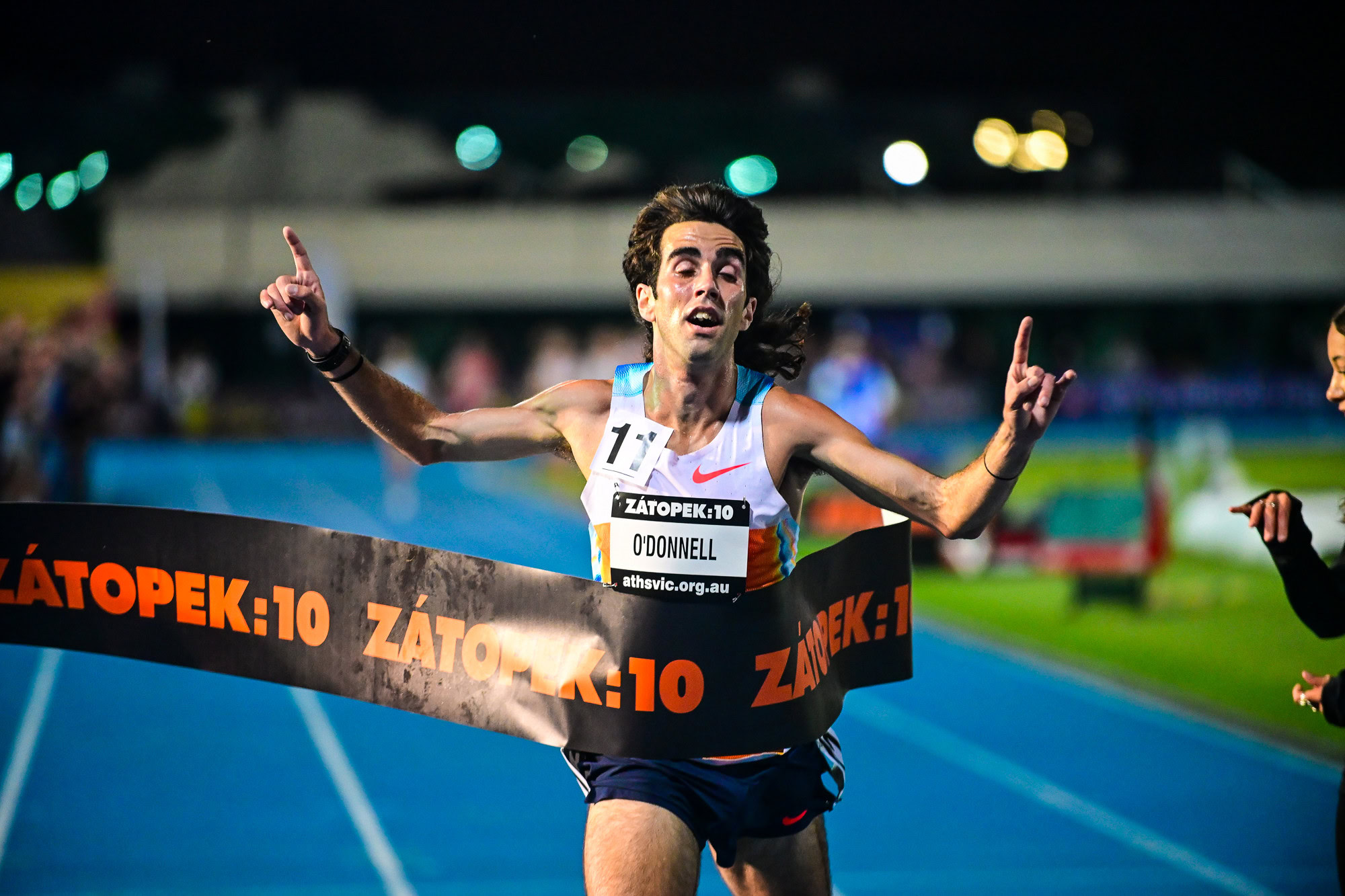
Seth O’Donnell didn’t just win Zatopek:10 — he claimed it.
On a grey, drizzling Melbourne night at Lakeside Stadium, O’Donnell delivered the kind of performance that turns elite athletes into cult heroes: bold from the gun, unflinching under pressure, and forged through pain that few onlookers could fully see.
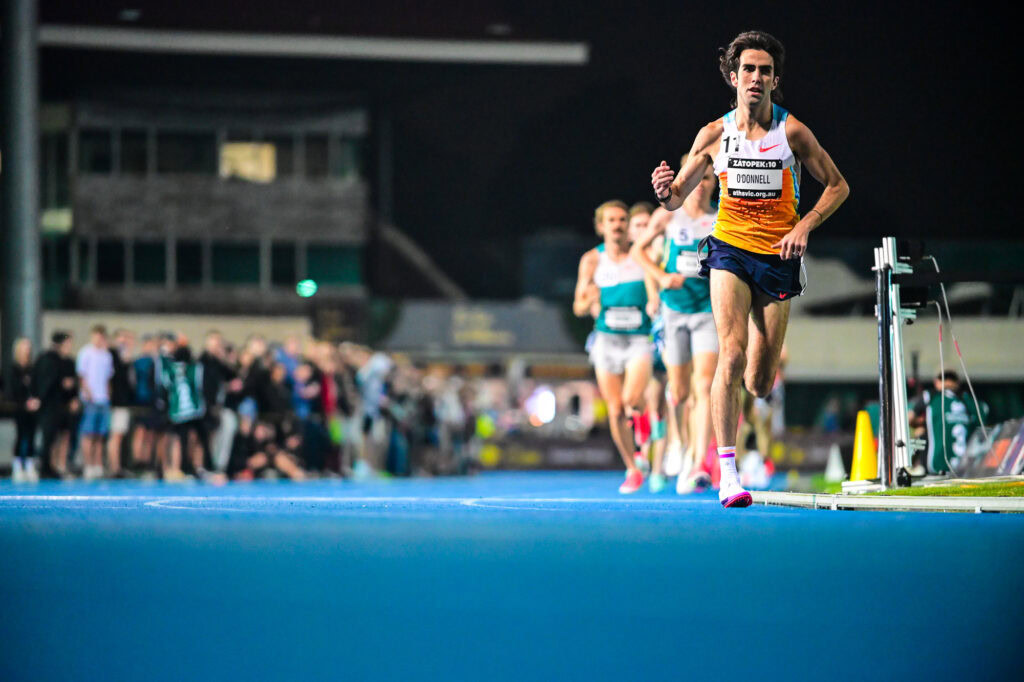
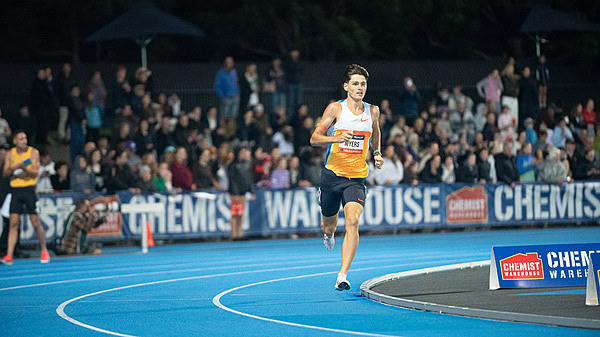
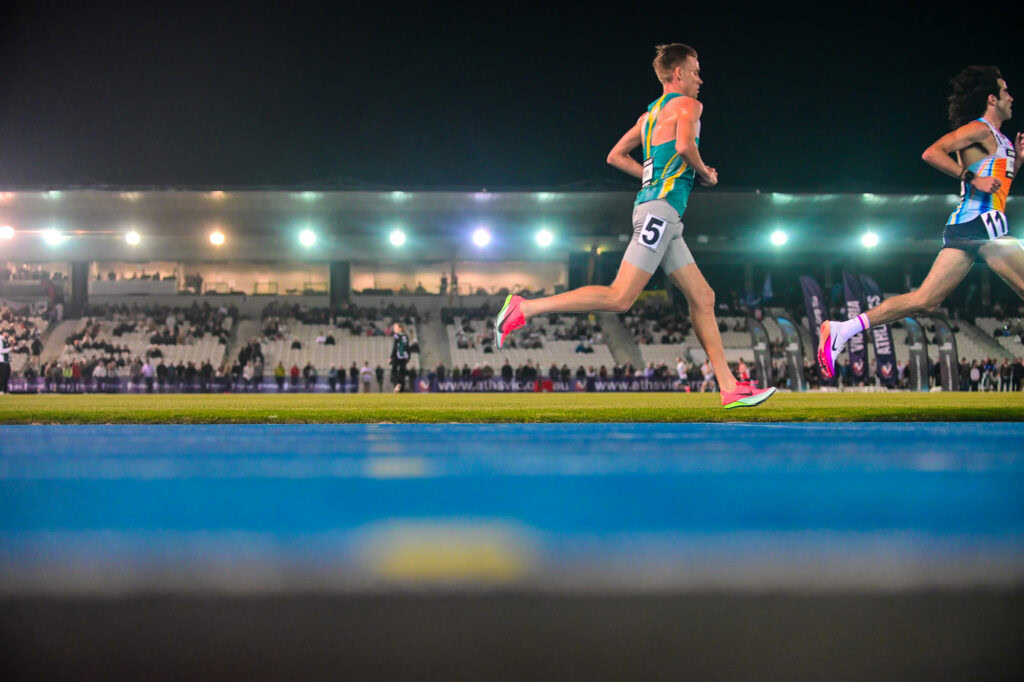
From the first lap of the men’s 10,000m, O’Donnell made it clear this wasn’t going to be a tactical sit-and-kick affair. He tore the race apart almost immediately, stringing out a star-studded field with a relentless early surge. Only Olympian Stewart McSweyn was able — or at least willing — to go with him as the pair built a decisive gap.
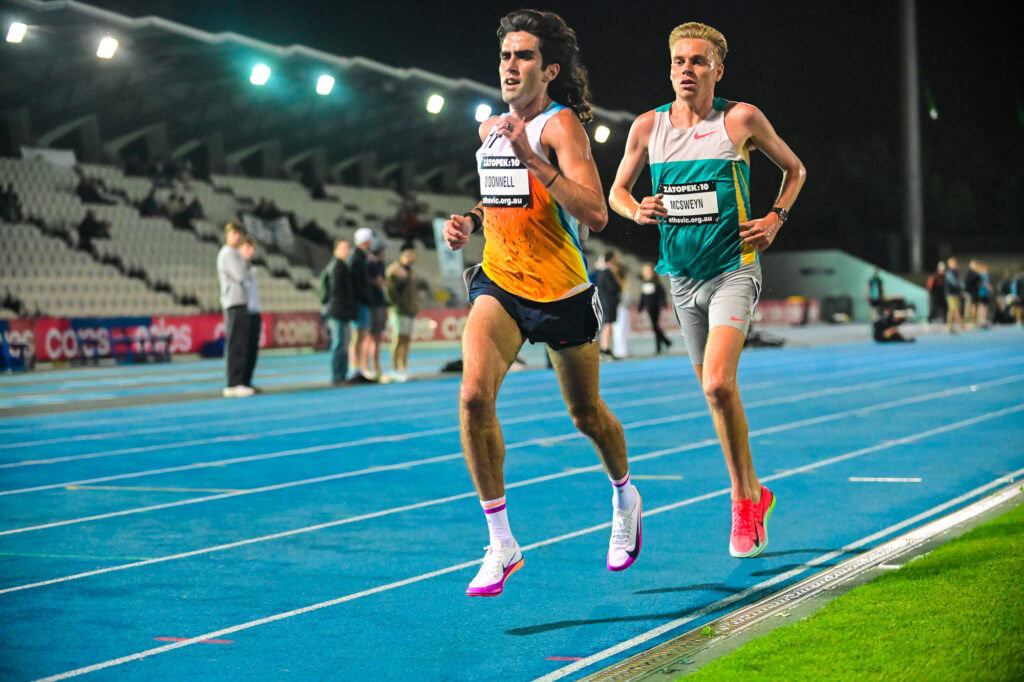
For 15 laps, it was a brutal two-man grind. Then, with just under 10 laps remaining, McSweyn abruptly pulled up, clutching at what appeared to be cramp. He gamely hobbled through another lap before stepping aside, leaving O’Donnell alone at the front, and suddenly exposed.
What followed was the hardest kind of victory.
There was no pacing partner, no shelter from the wind, no tactical safety net. Just O’Donnell, the track, and the growing weight of expectation as he carried the race home lap by lap. Behind him, Ed Marks and Jack Rayner fought their own battle for the minor medals, but neither could dent O’Donnell’s commanding margin.
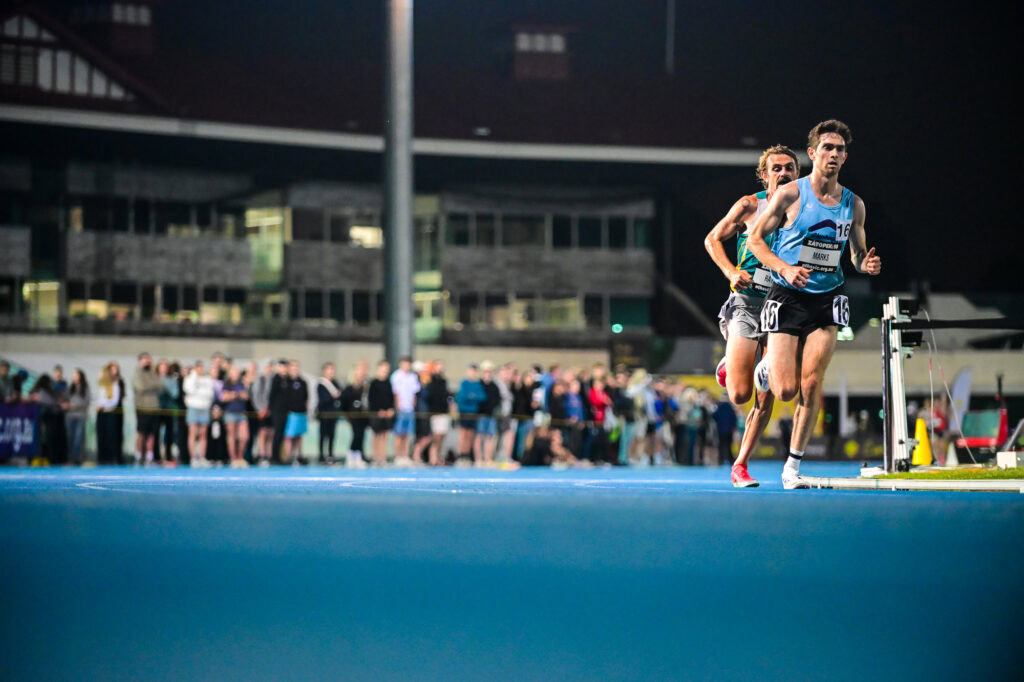
When O’Donnell crossed the line in 27:59.65, breaking the 28-minute barrier to secure the Australian 10,000m title, it felt less like a coronation and more like a reckoning. Marks (28:09.85) eventually shook free of Rayner (28:15.73) to claim silver, but the night belonged unmistakably to the man in front.
“I don’t know if I deserve it, but I appreciate all the help out there,” O’Donnell said afterwards, the relief evident. “It definitely helped me get over the line in under 28 minutes, because I was really hurting.”
His respect for McSweyn, both as a competitor and a person, only added to the moment.
“I have a lot of respect for Stewy. He’s one of the best our sport has seen,” O’Donnell said. “He came up on my shoulder when I was starting to feel the pinch, and he told me it was my race to win. He is an unreal runner but an unreal person as well — without him I would have struggled today.”
Perhaps most remarkably, O’Donnell’s win came against a backdrop of adversity rarely visible from the stands.
“I’ve had something like eight bone stress injuries in the last eight months,” he revealed. “As much as I’ve been successful in winning the national title and representing Australia for the first time, I’ve also had a really tough year.”
That context: the injuries, the isolation at the front, the refusal to yield, is what elevated this from a championship win to something more enduring.
Ryan waits, then goes
If O’Donnell’s win was about grit, Lauren Ryan’s was about restraint.
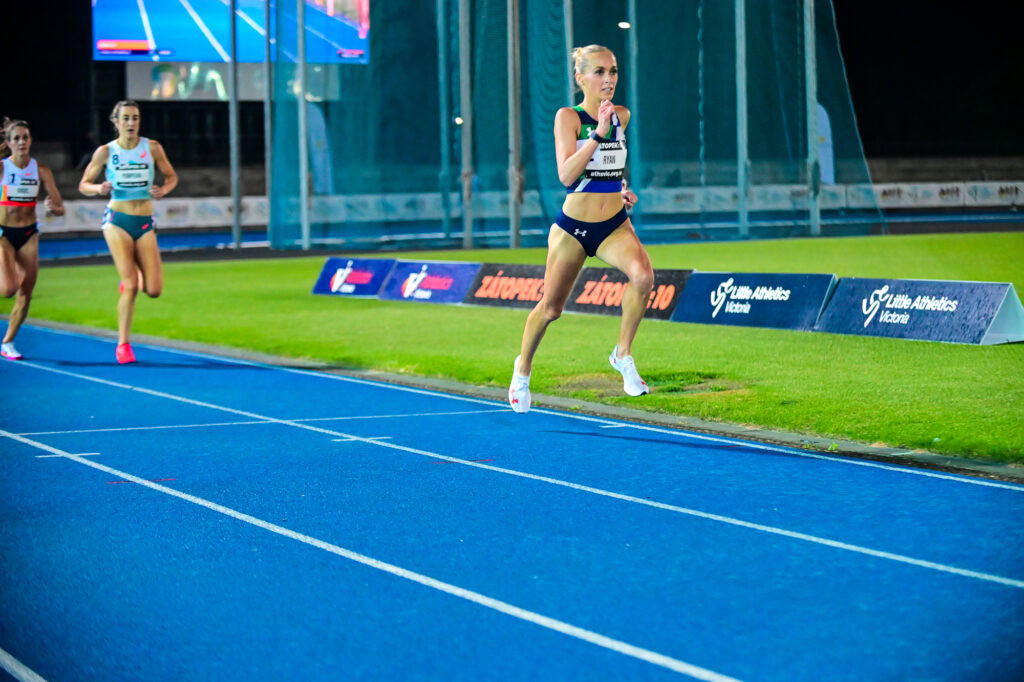
The women’s 10,000m unfolded as a far more tactical affair, with Ryan content to wait patiently as the laps ticked by. With 300 metres remaining, she made her move: decisive, controlled, and devastatingly effective. Ryan won her second Australian title in 32:06.66.
“I was told by my coach to do as little work as possible,” Ryan said. “It’s early in the season and we’ve only been back running for about six weeks. I just wanted to get a good hit-out before the World Cross Country Championships.”
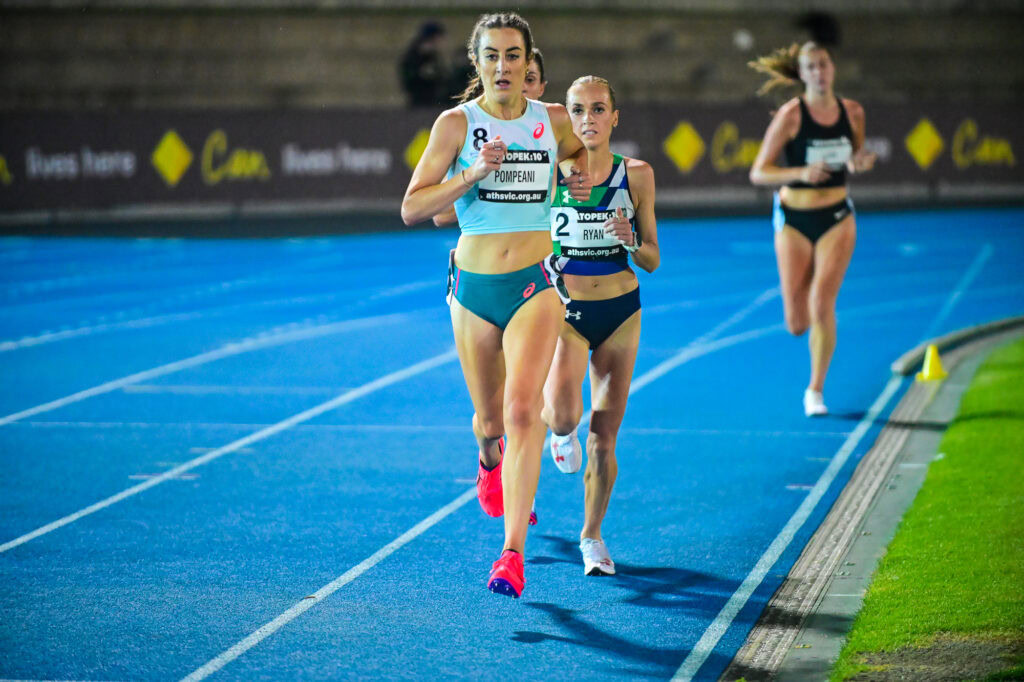
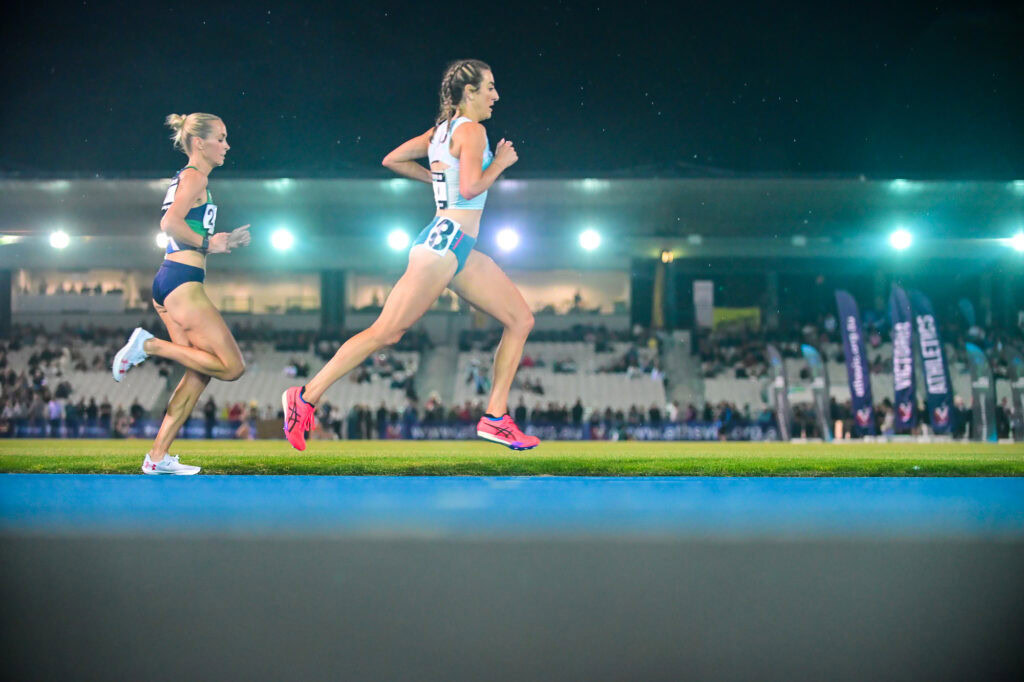
Leanne Pompeani tried to take the sting out of Ryan’s kick by surging hard from distance, but Ryan’s response was immediate and emphatic. New Zealand’s Georgie Grgec finished second overall (32:10.28), also kicking away from Pompeani (32:13.58), but was ineligible for medals. Bronte Oates (33:08.53) rounded out the Australian podium, having led the pack early.
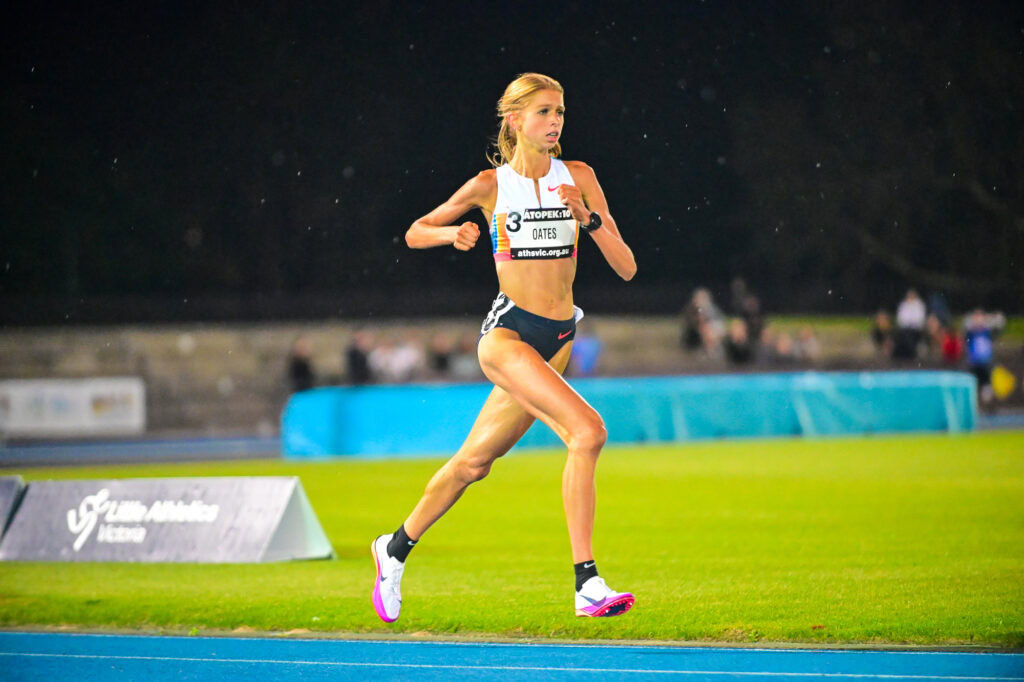
For US-based Ryan, racing at Lakeside still carries a personal resonance.
“This is the track that I’ve been racing on since I was a little kid,” she said. “So it still feels special to come out here and race amongst my family and friends.”
Youth, speed and drama elsewhere
The night also delivered plenty beyond the 10,000m titles.

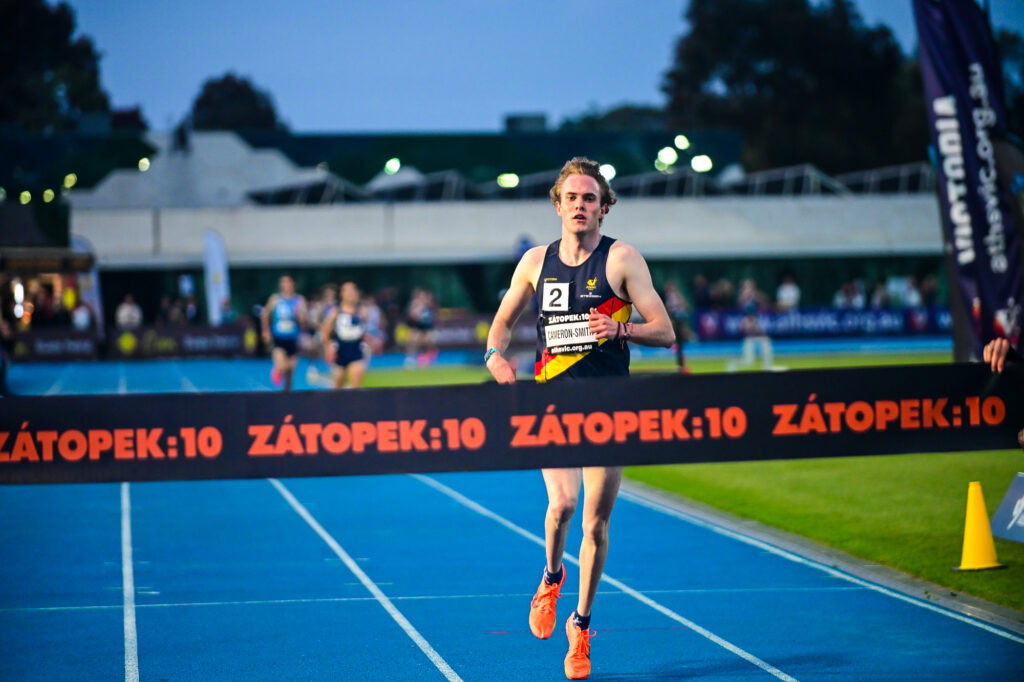
In the Under 20 ranks, Alexander Cameron-Smith produced a statement win in the de Castella 3000m, unleashing a devastating final kick to upset pre-race favourite Lucas Chis in 8:04.77. 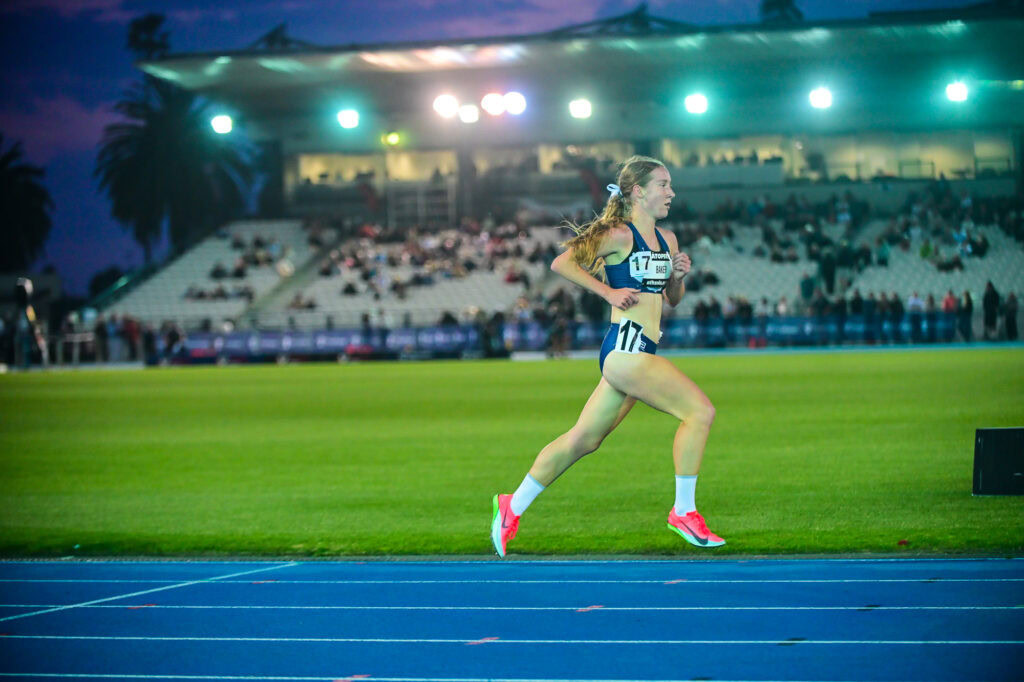
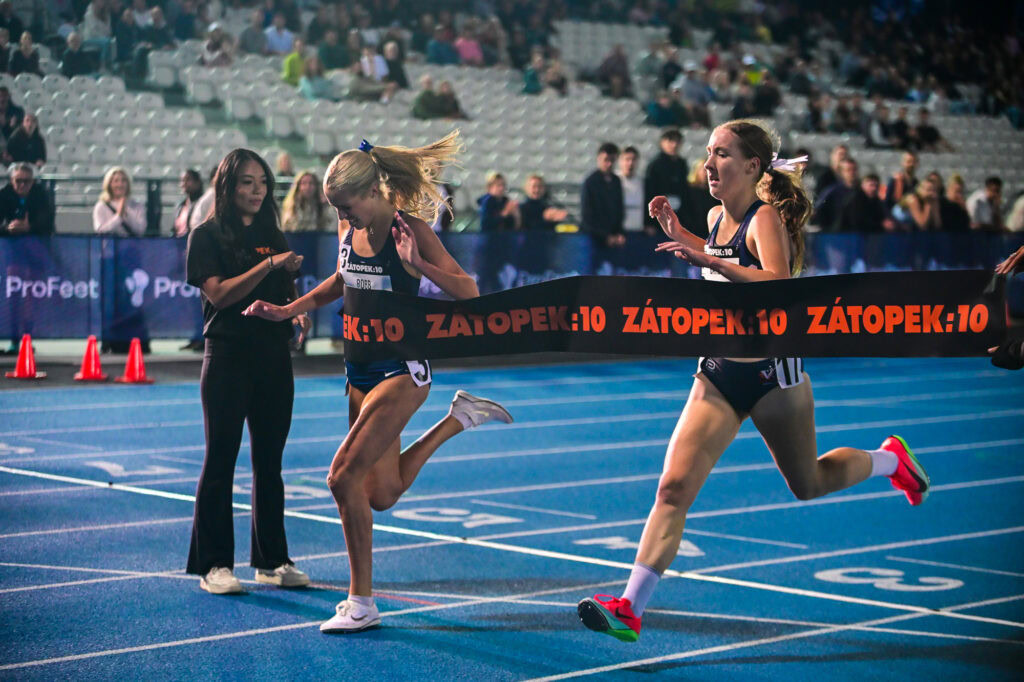
In the women’s Ondieki 3000m, Imogen Baker fought all the way to the line, narrowly outkicked by New Zealand’s Scarlett Robb but securing the Australian title in the process 9:24.88 to 9:24.93.

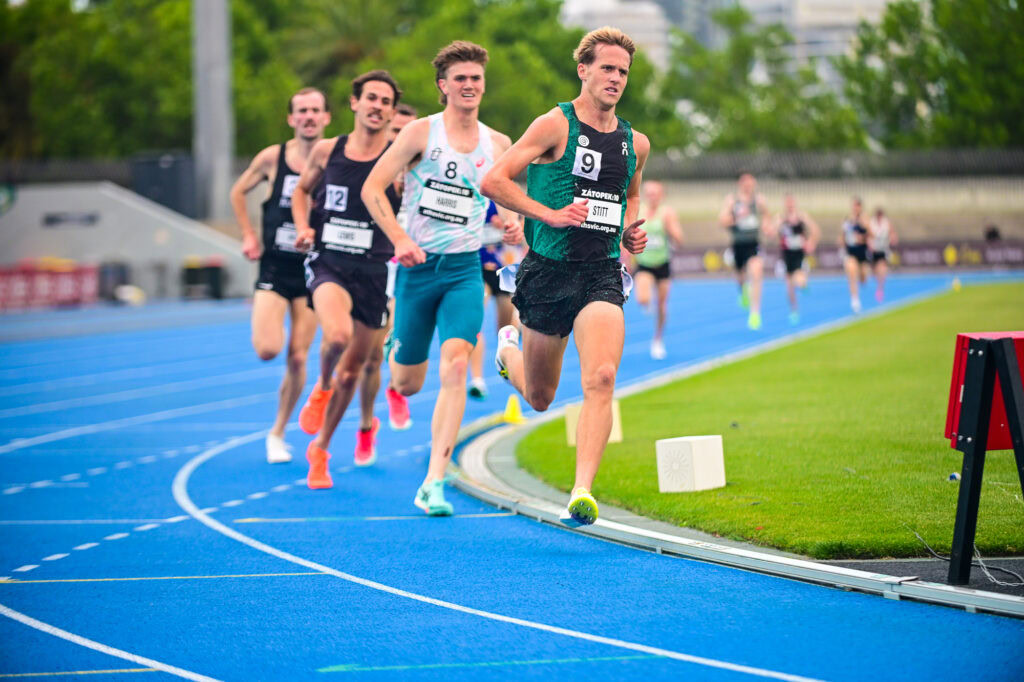
Abbey Caldwell was a class above in a deliberately slow senior women’s 3000m, taking control late to win in 9:14.47, while Alexander Stitt claimed the men’s race in 8:00.71.
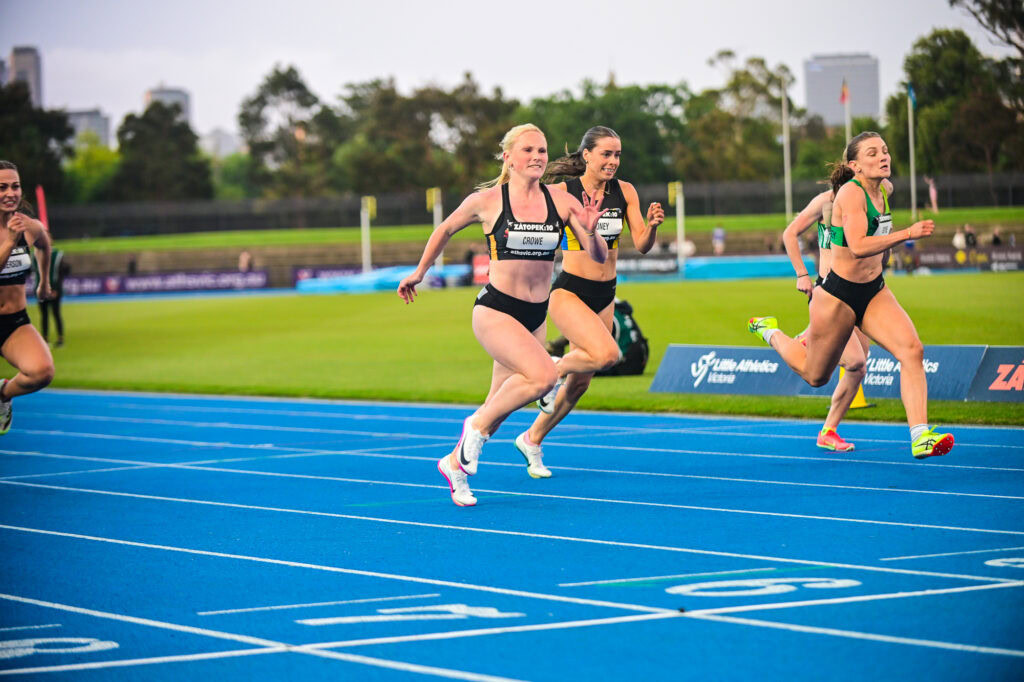
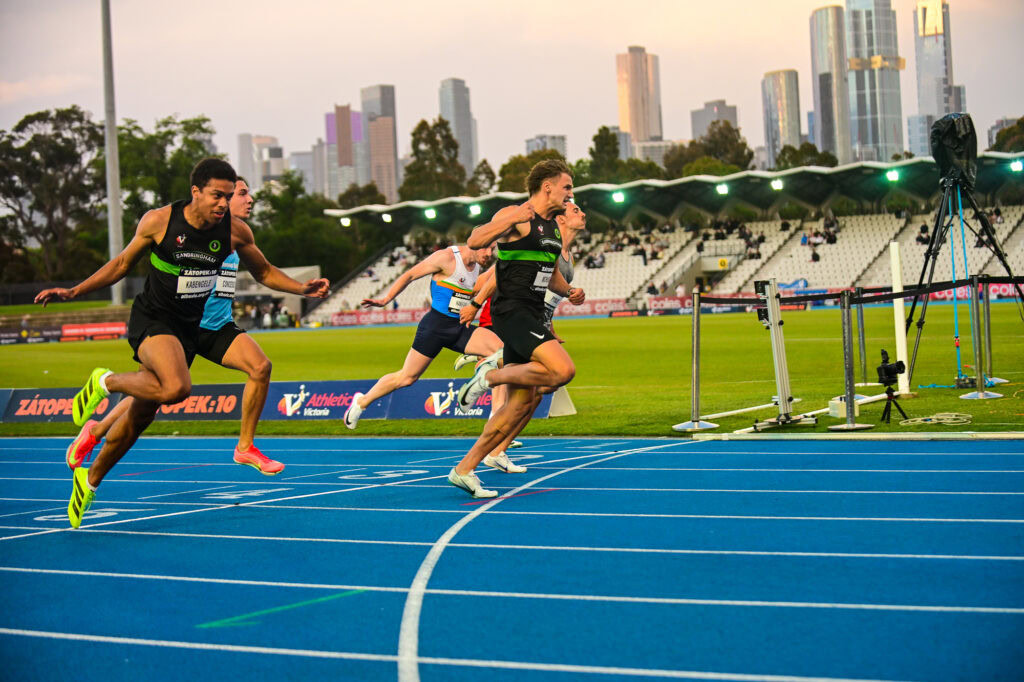
Sprint honours went to Australian All Schools champion Grace Crowe, who captured the Victorian 60m title in 7.52, with Archer McHugh winning the men’s race in 6.72.
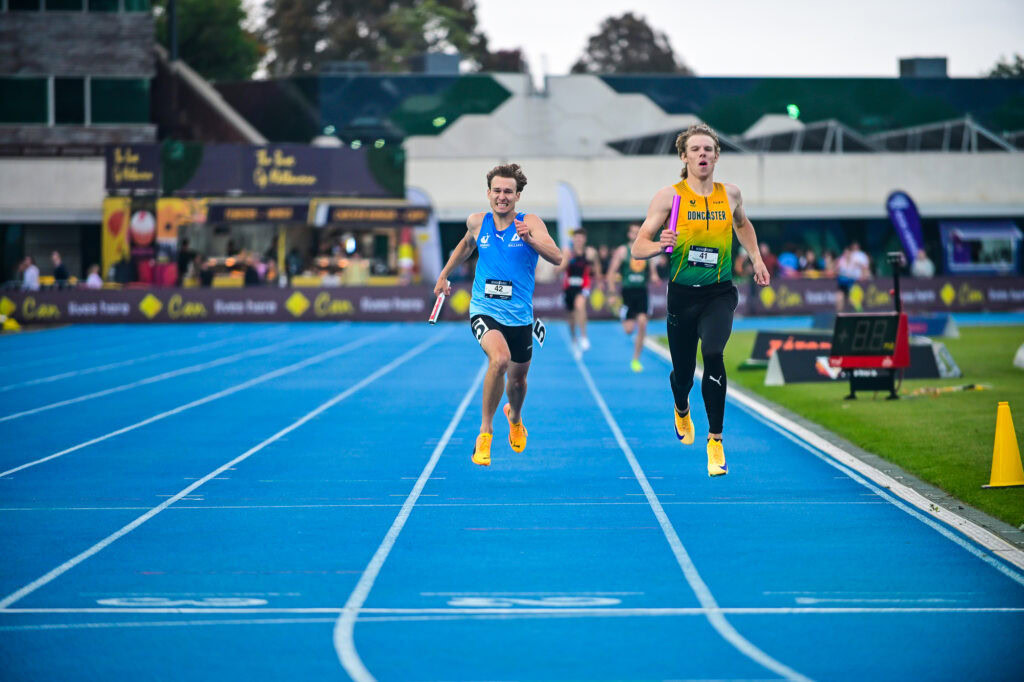
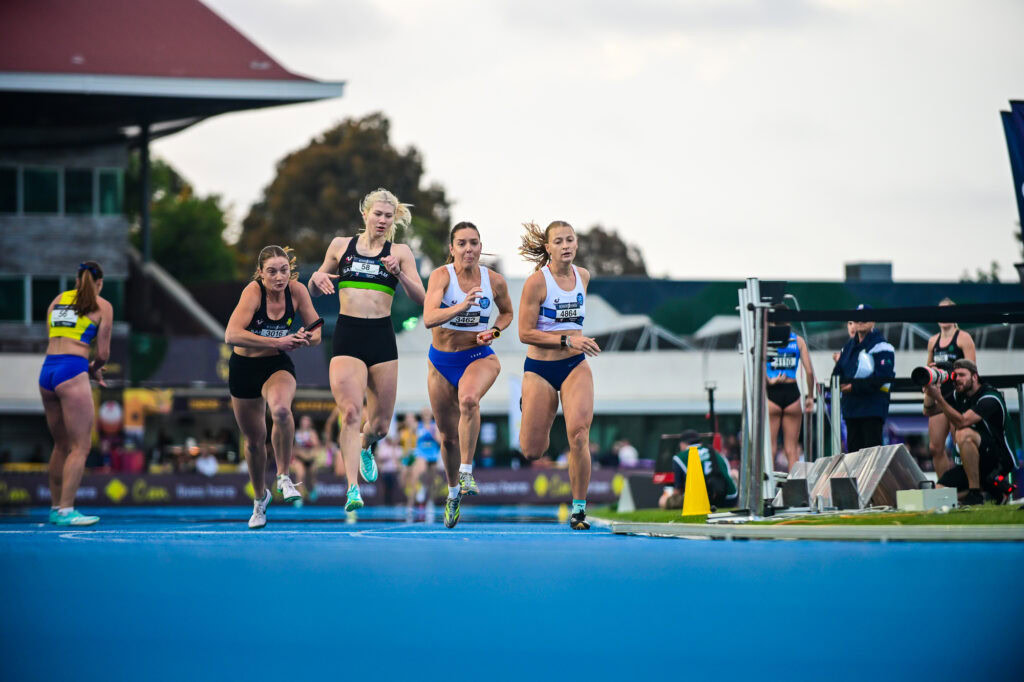
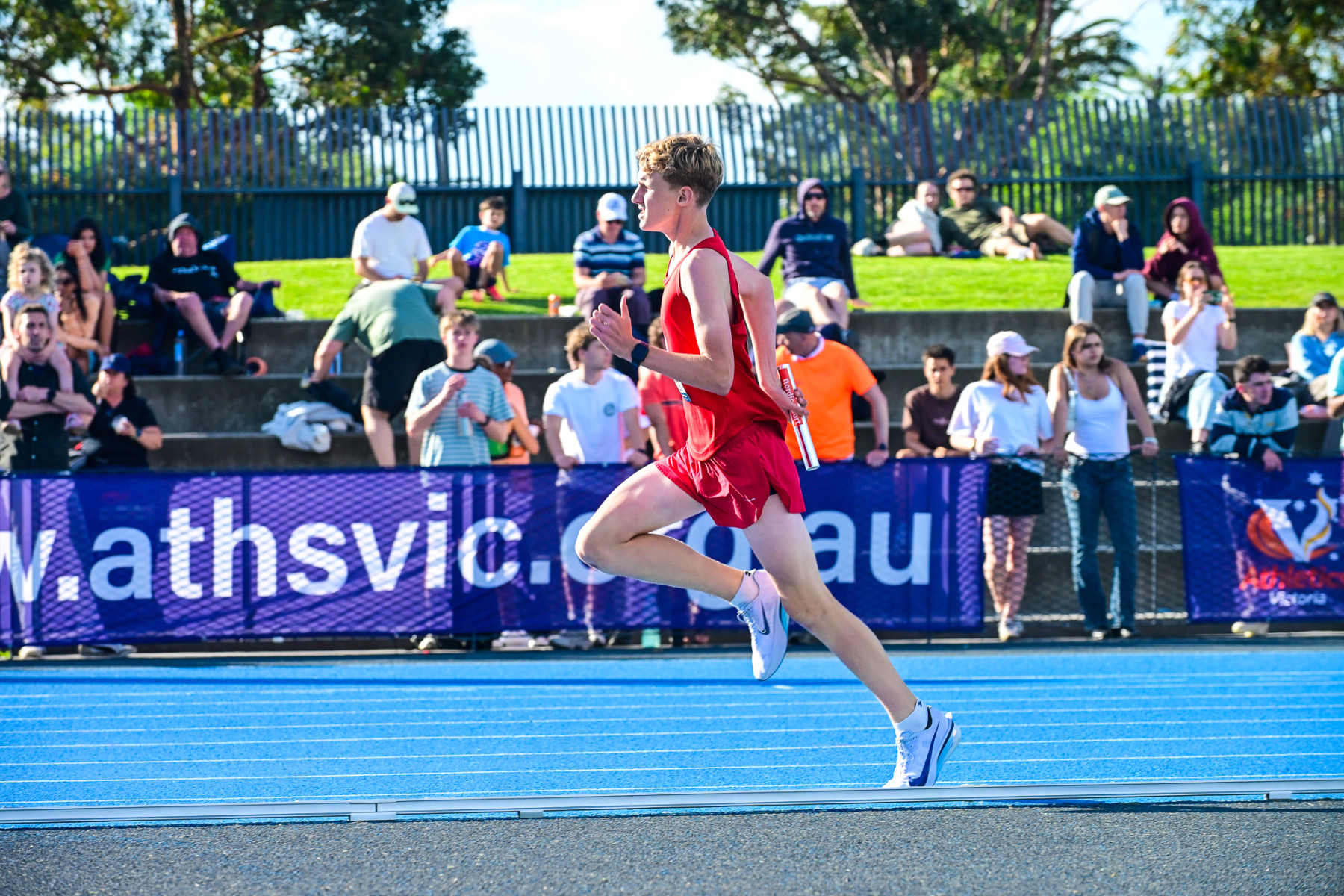
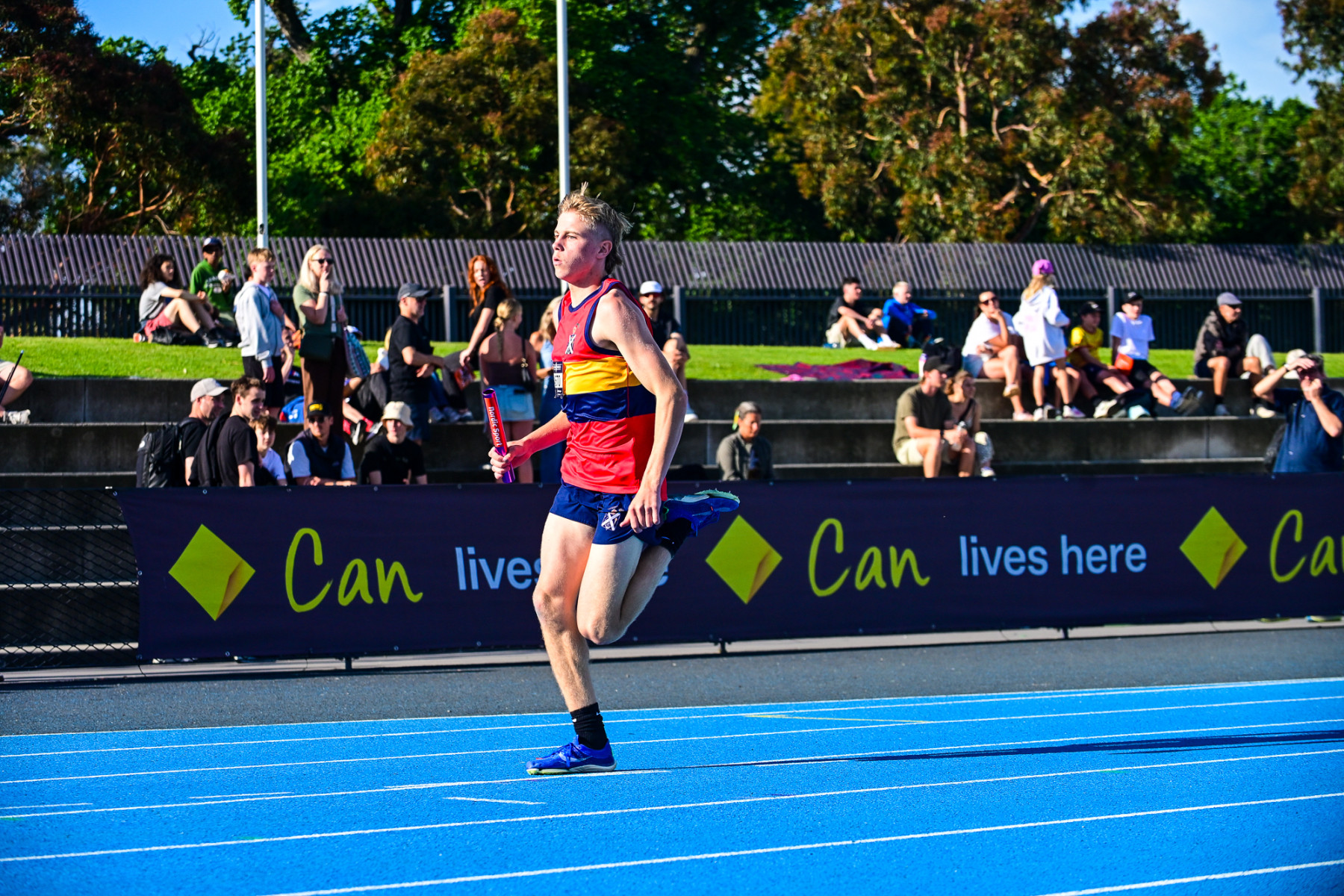
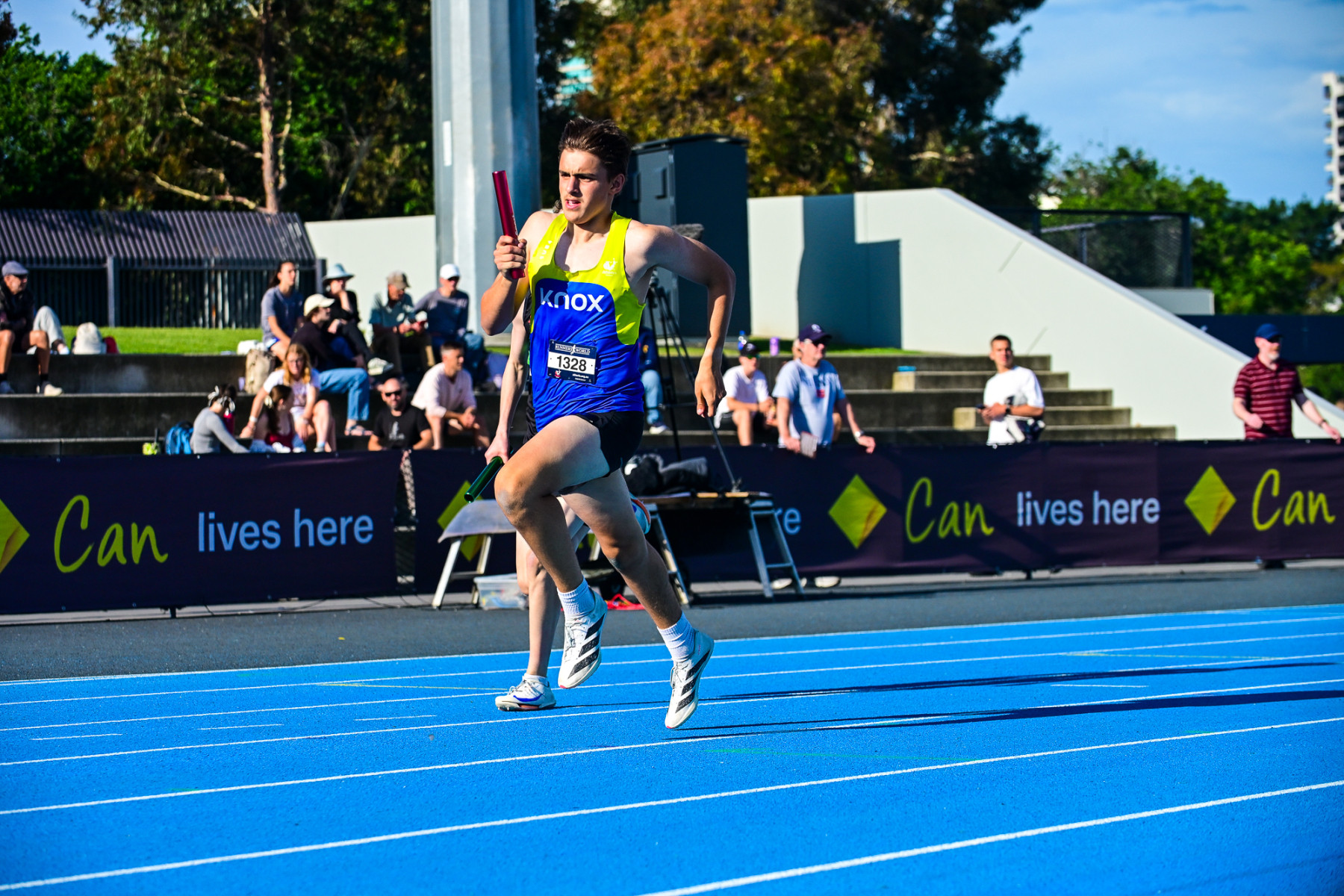
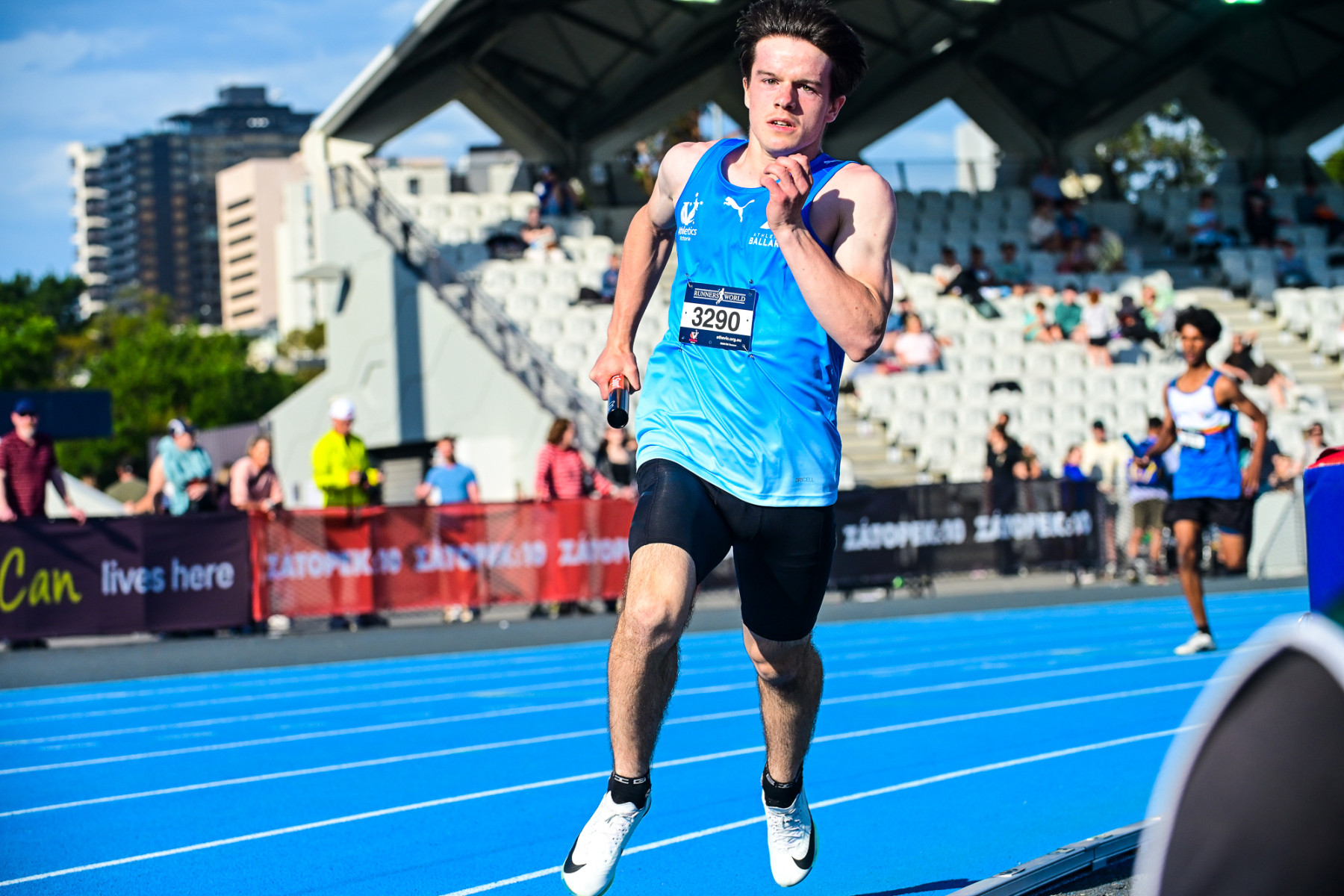
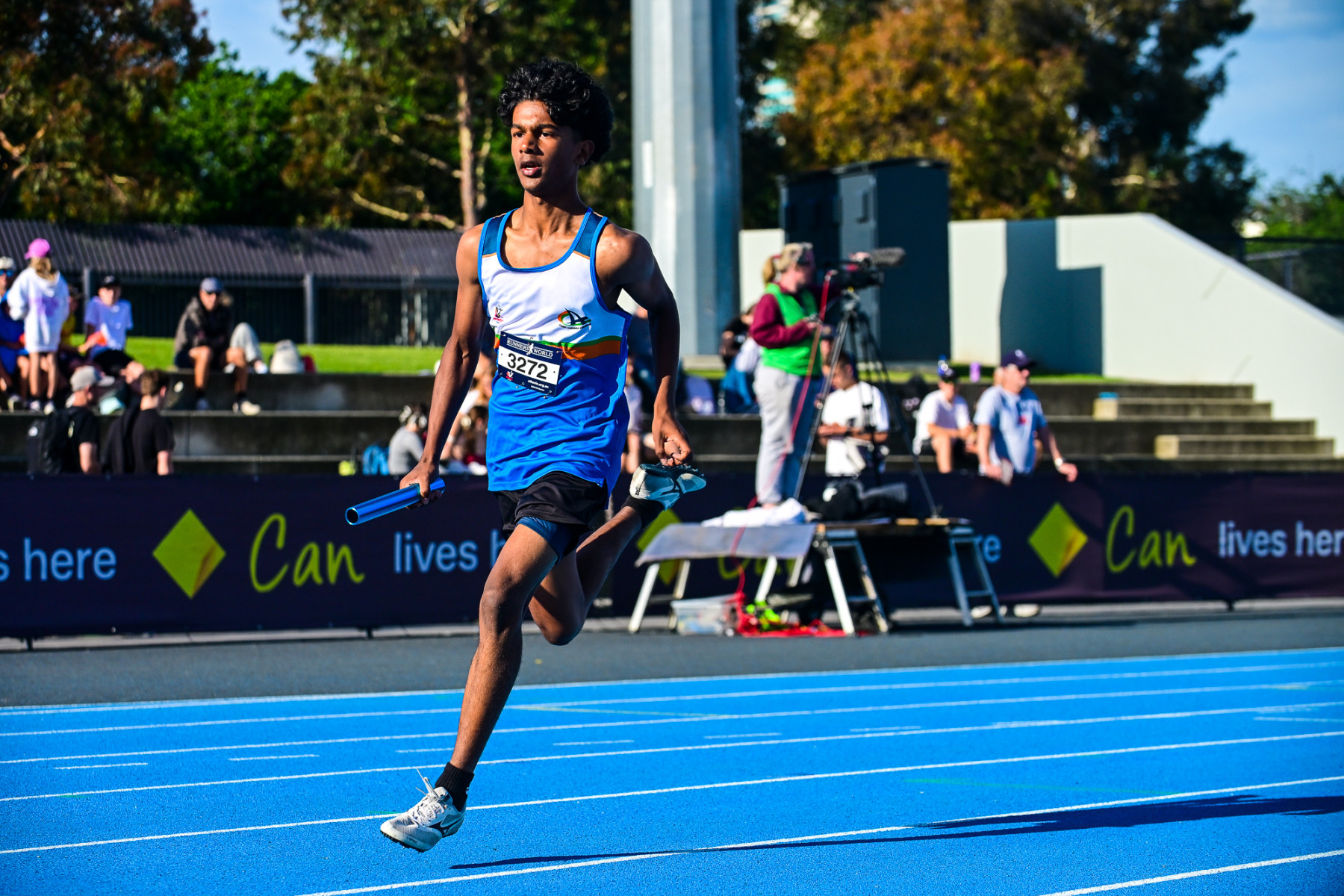
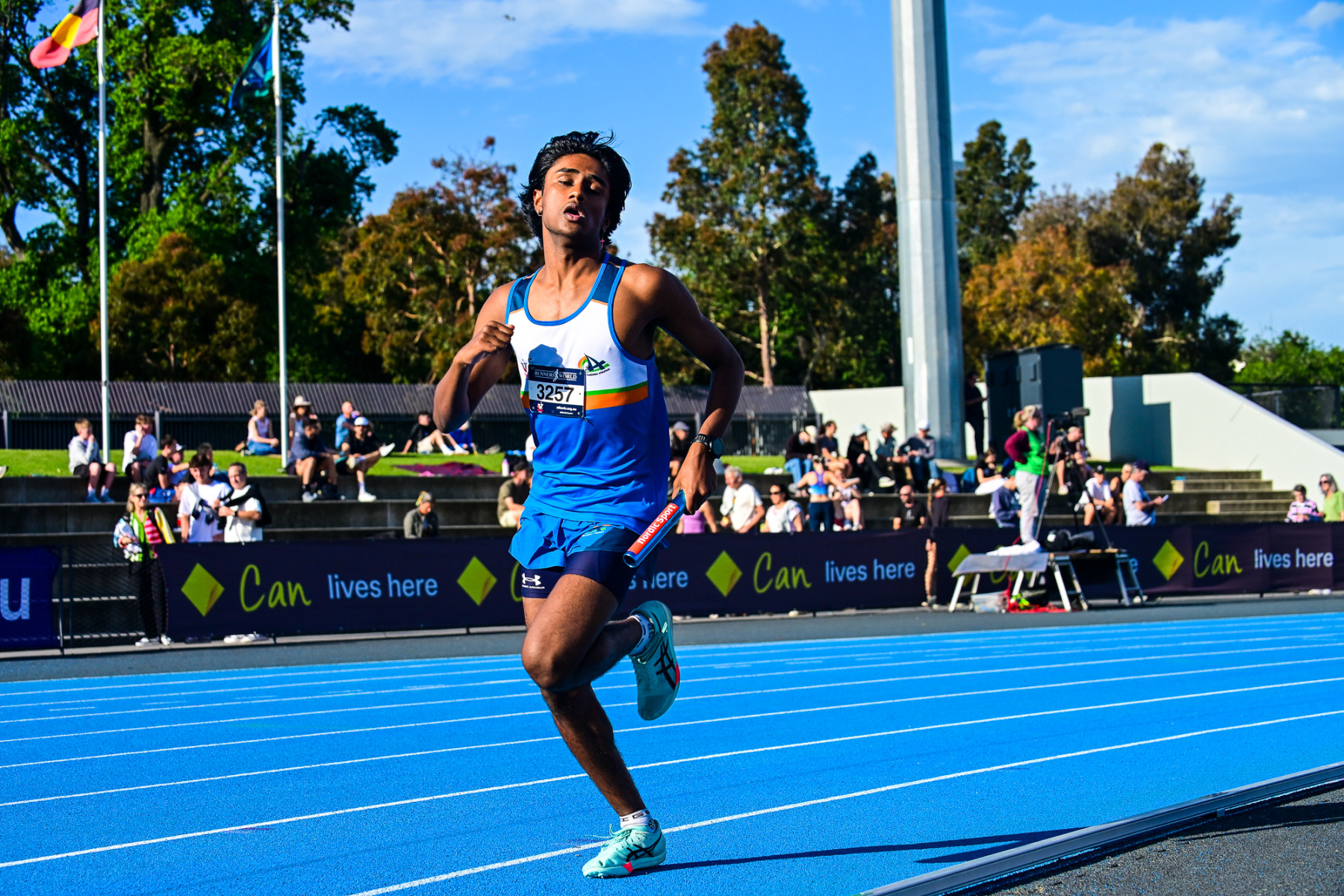
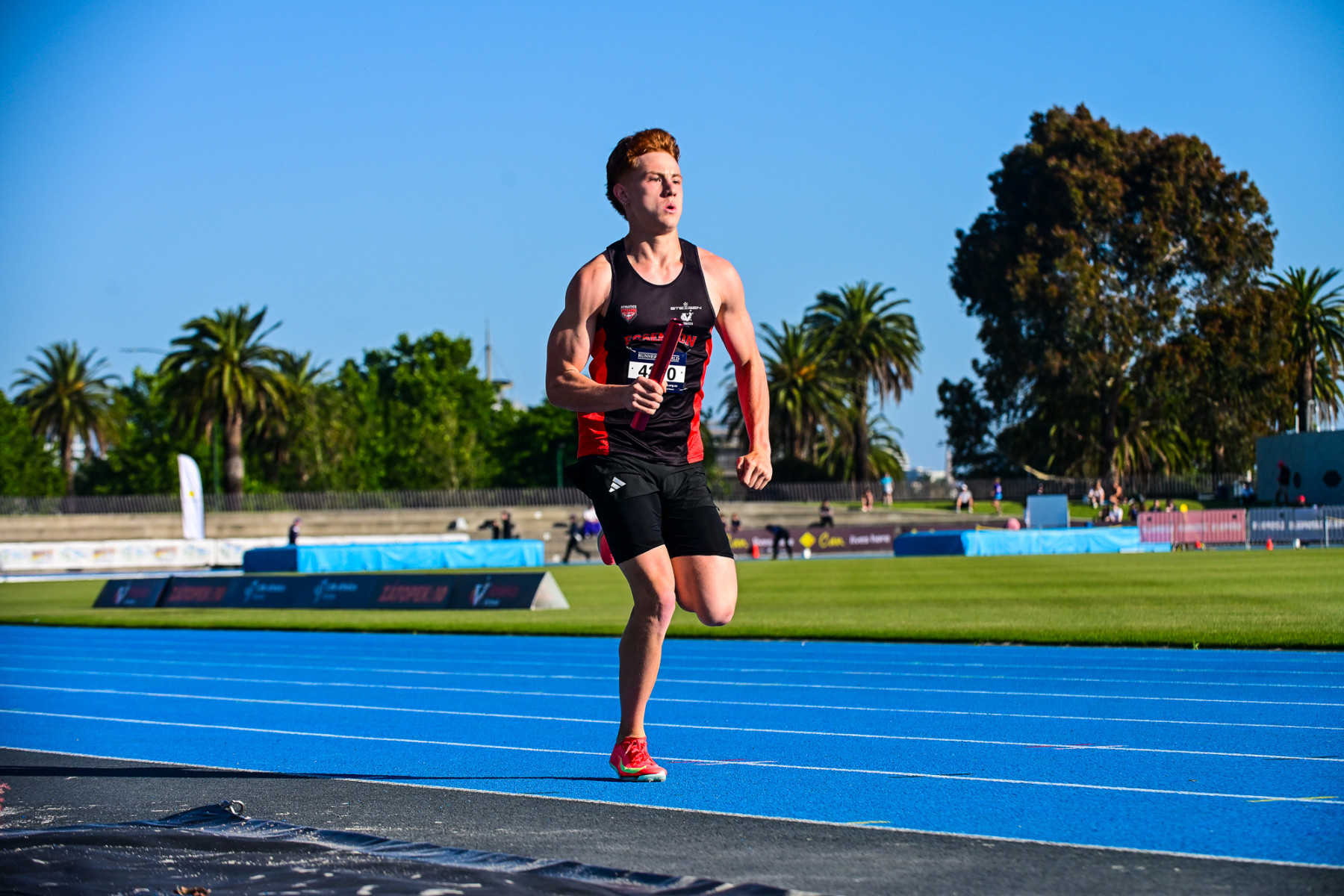
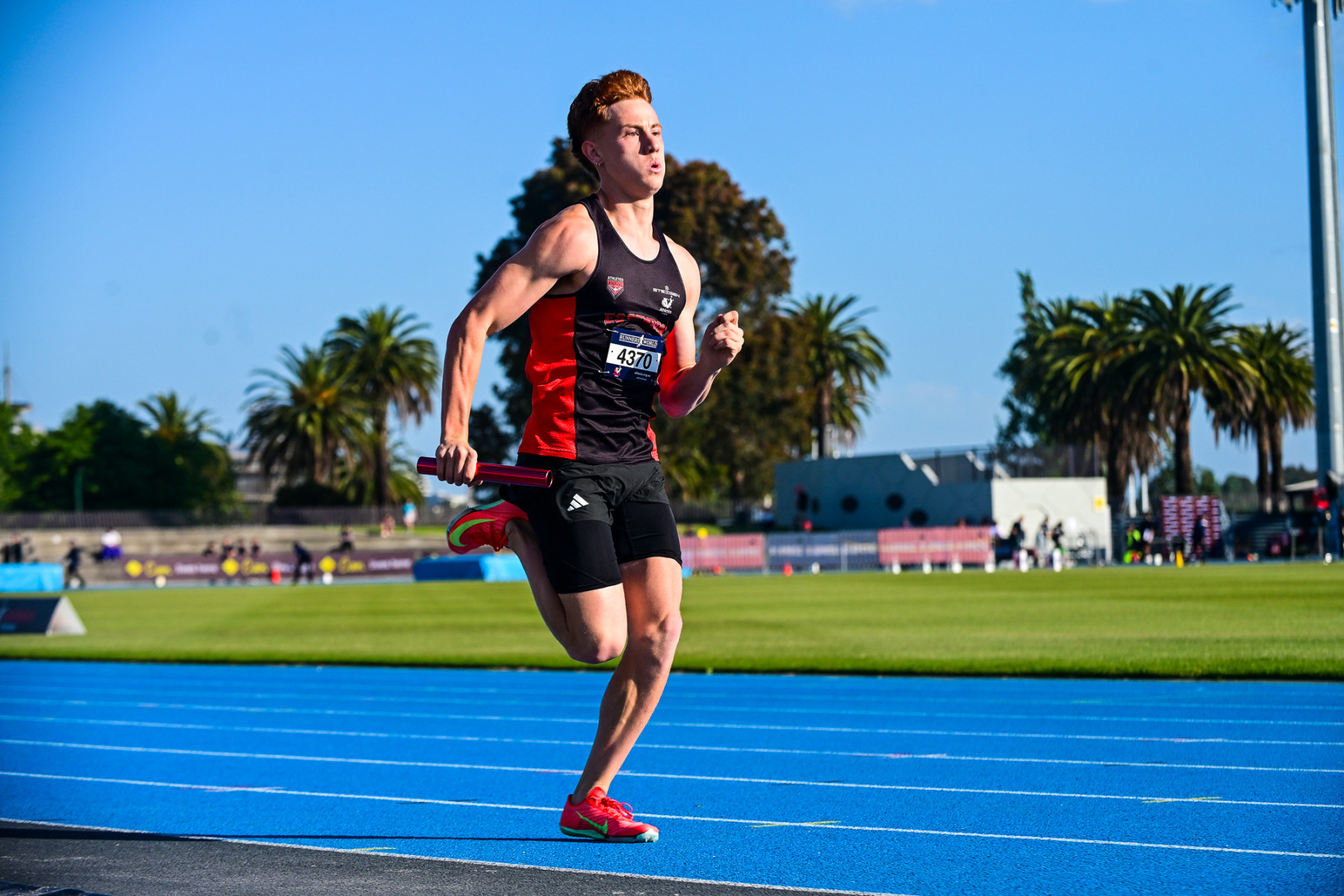
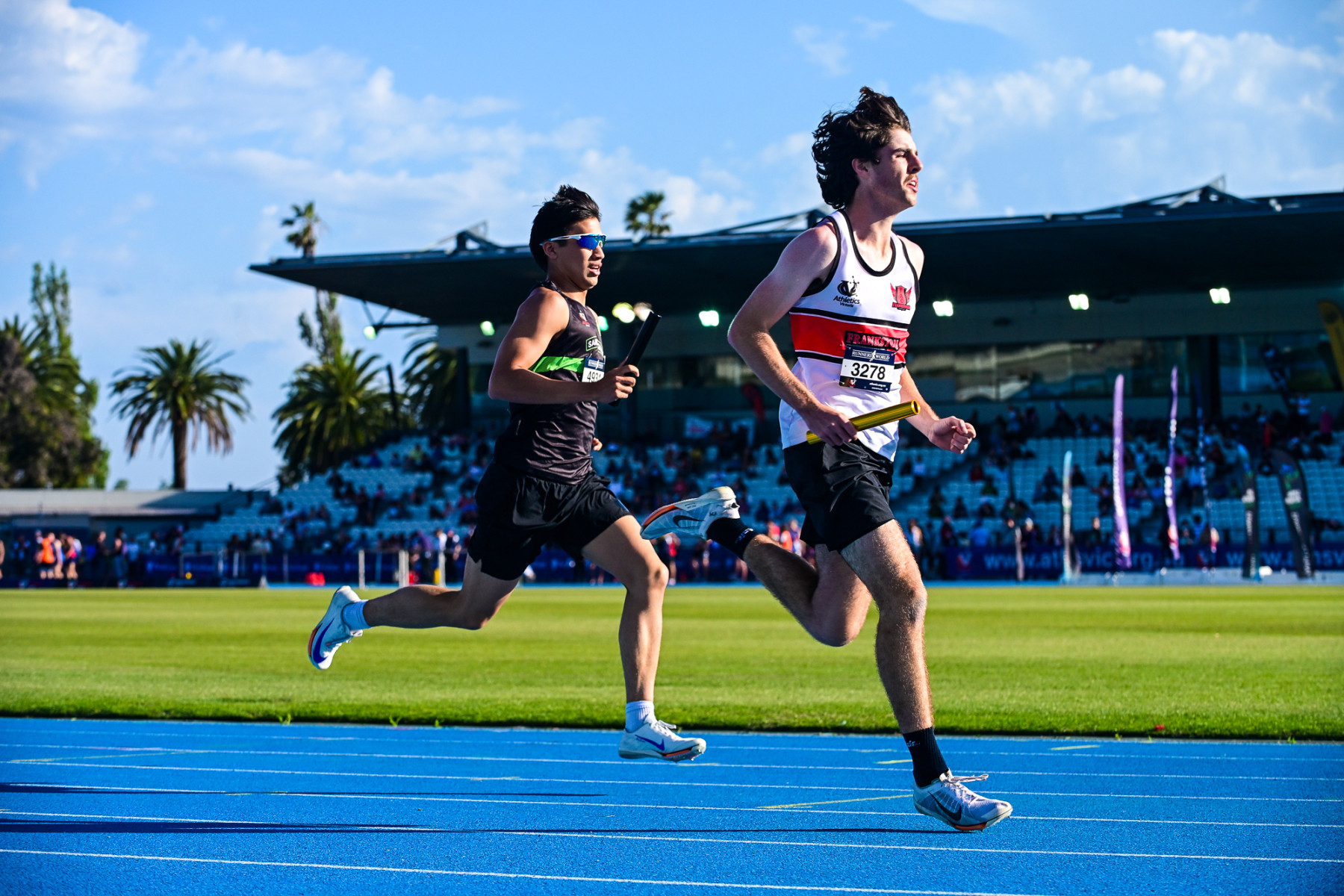
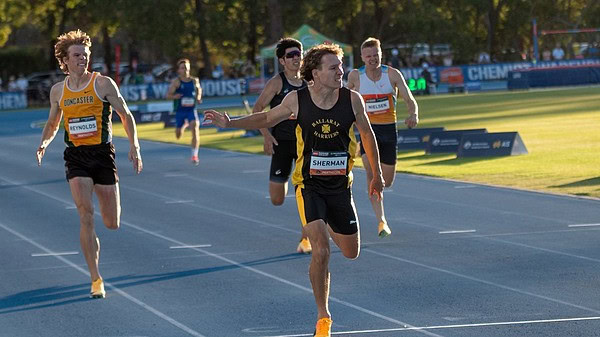
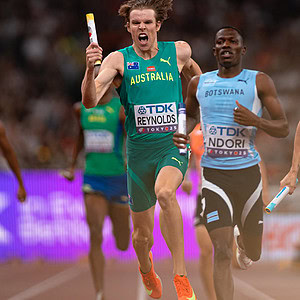
The Victorian 4x400m relay titles brought a climax of a day’s relay racing. Sandringham stormed to victory in the women’s 4x400m in 3:43.99, while Doncaster’s Thomas Reynolds held off a charging Cooper Sherman in a thrilling men’s finish, 3:11.59 to 3:11.78.
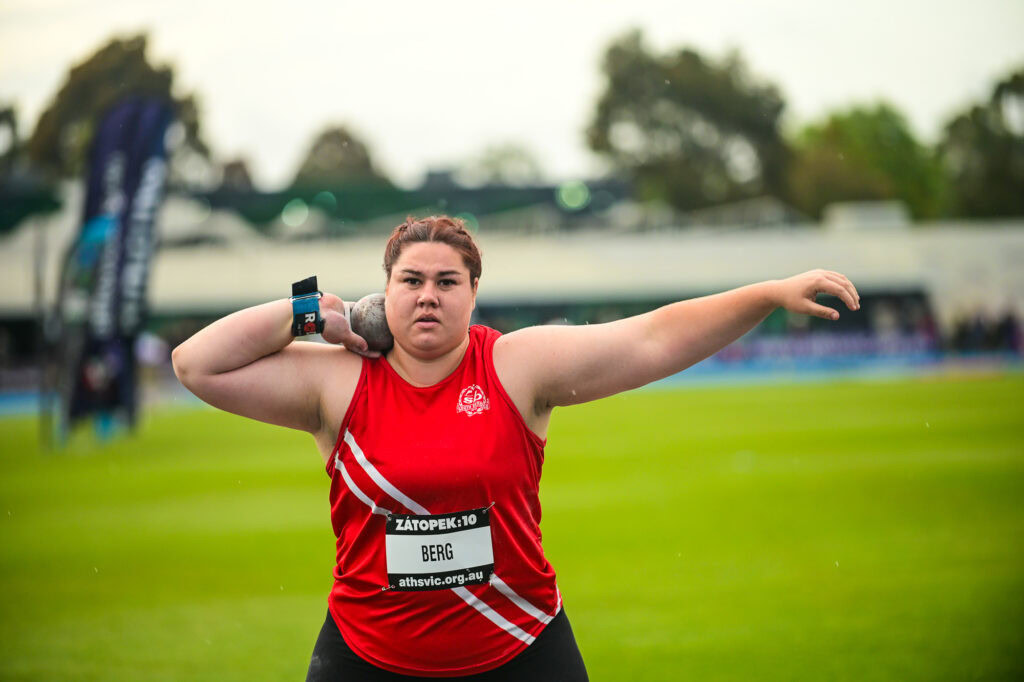
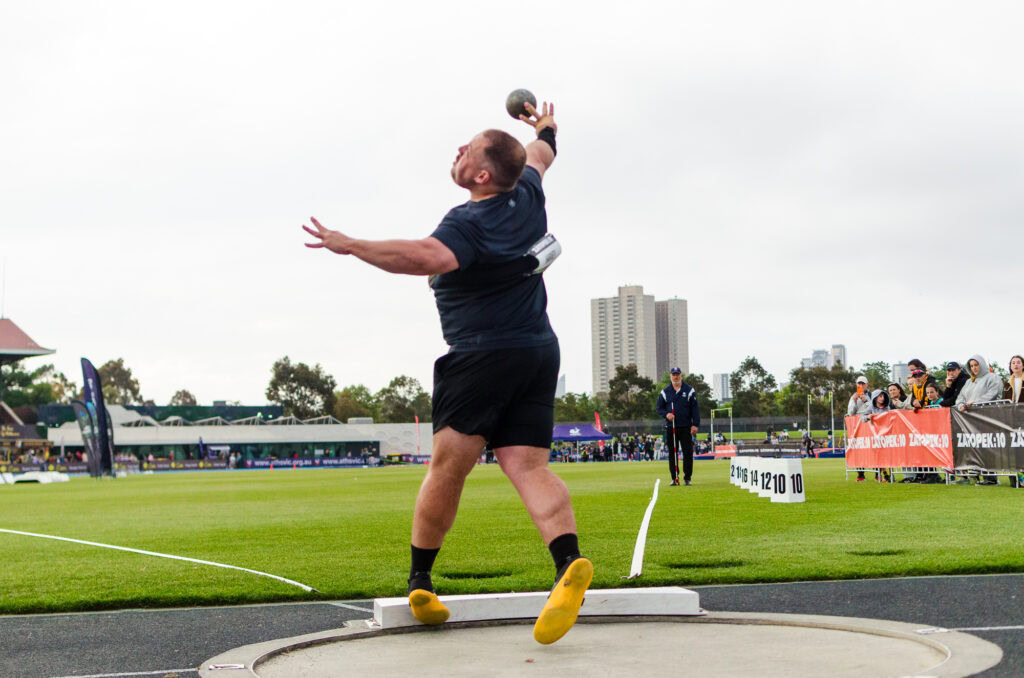
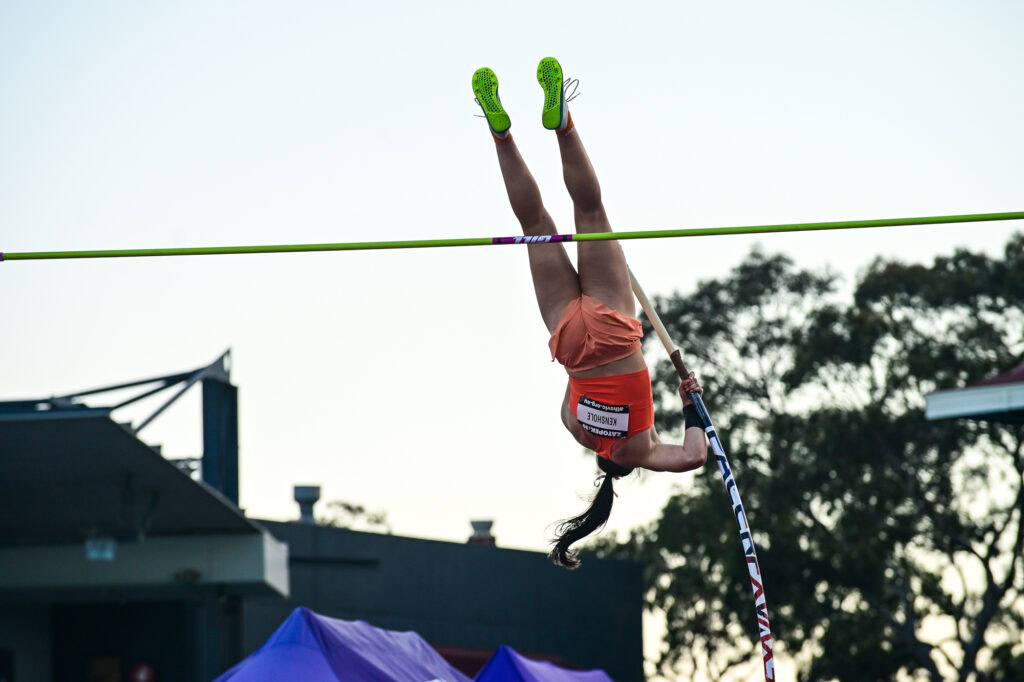
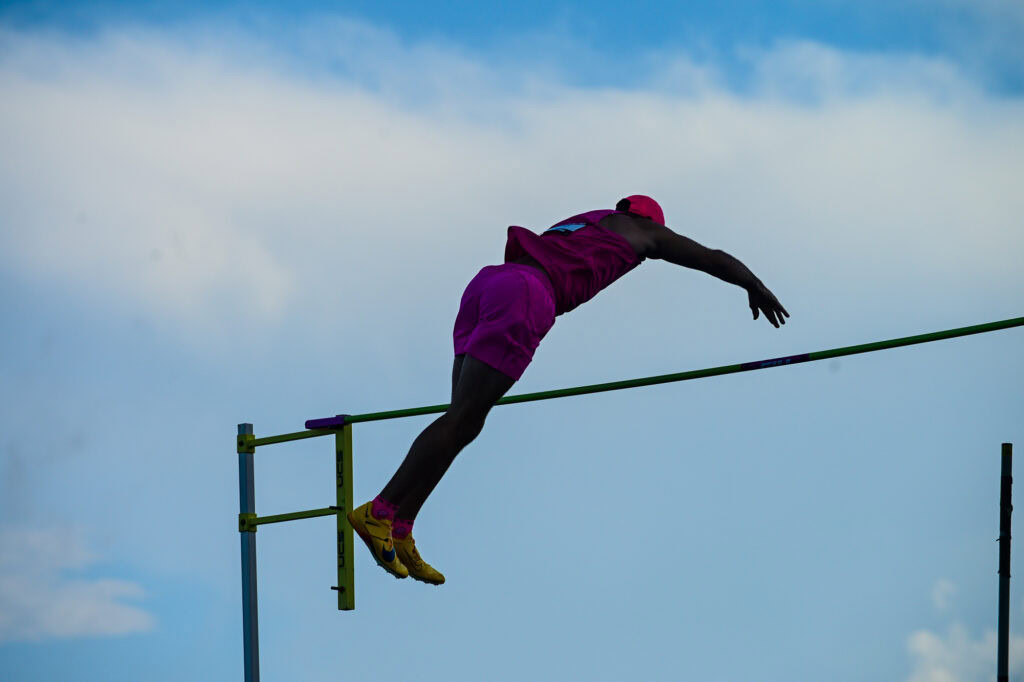
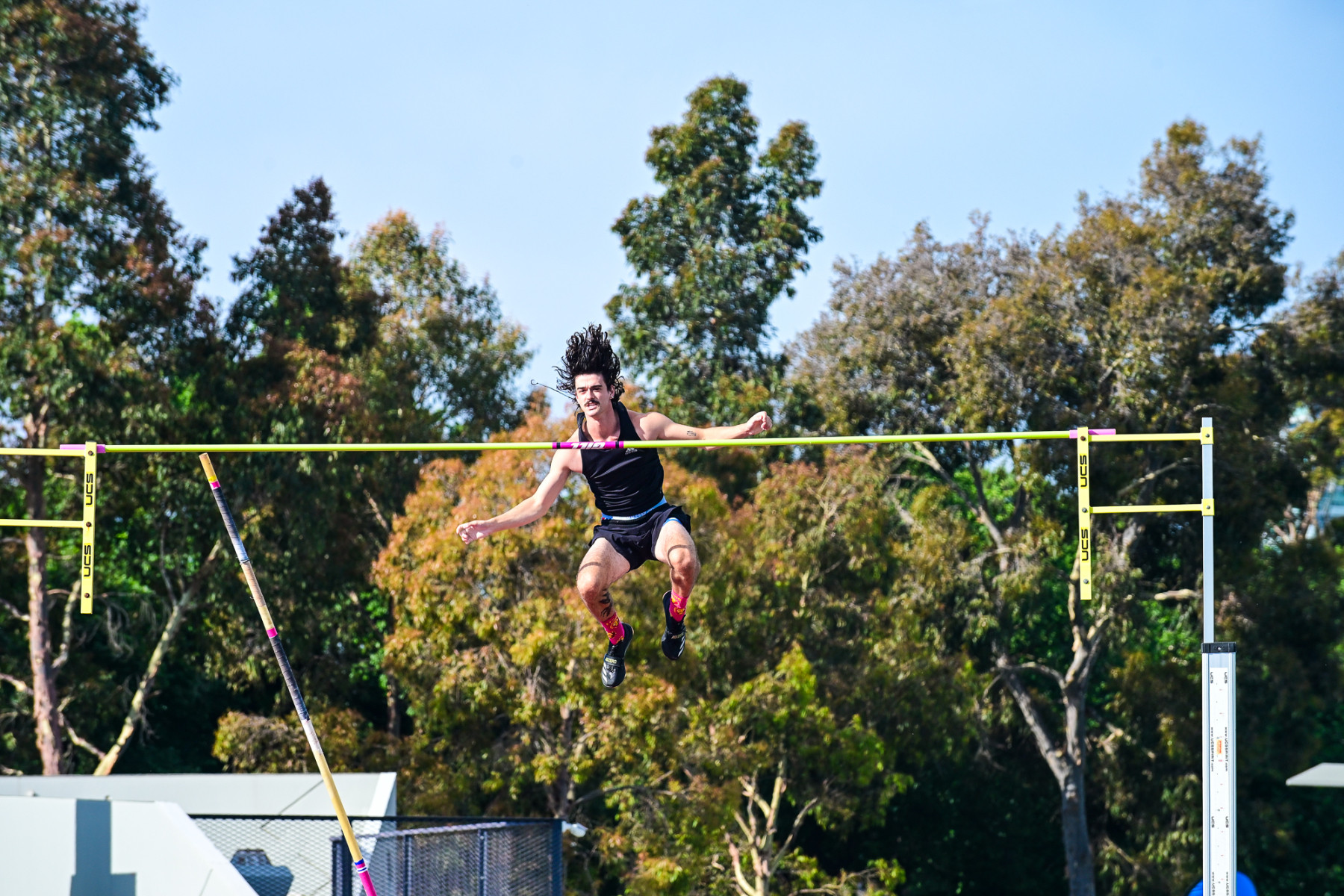
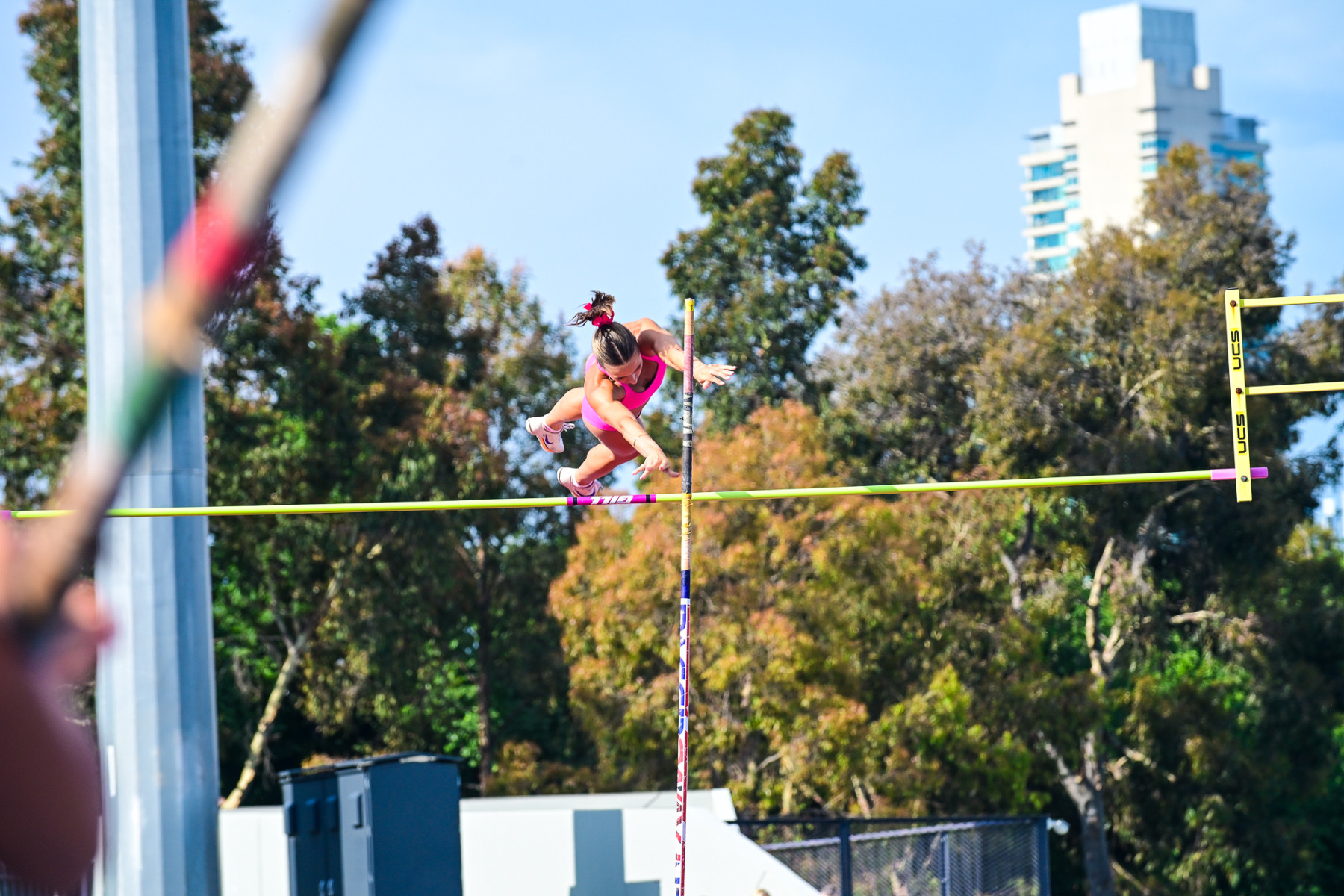
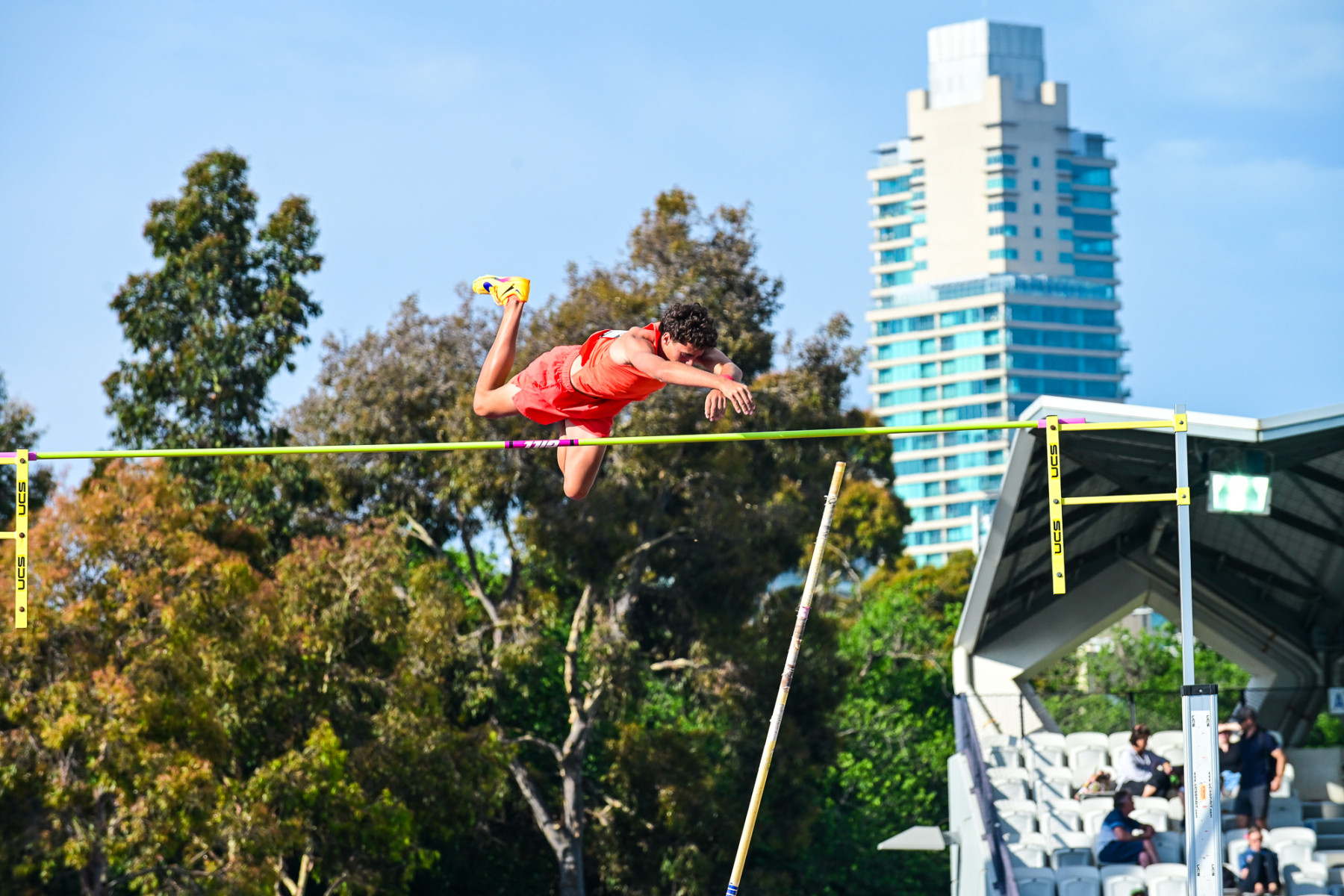
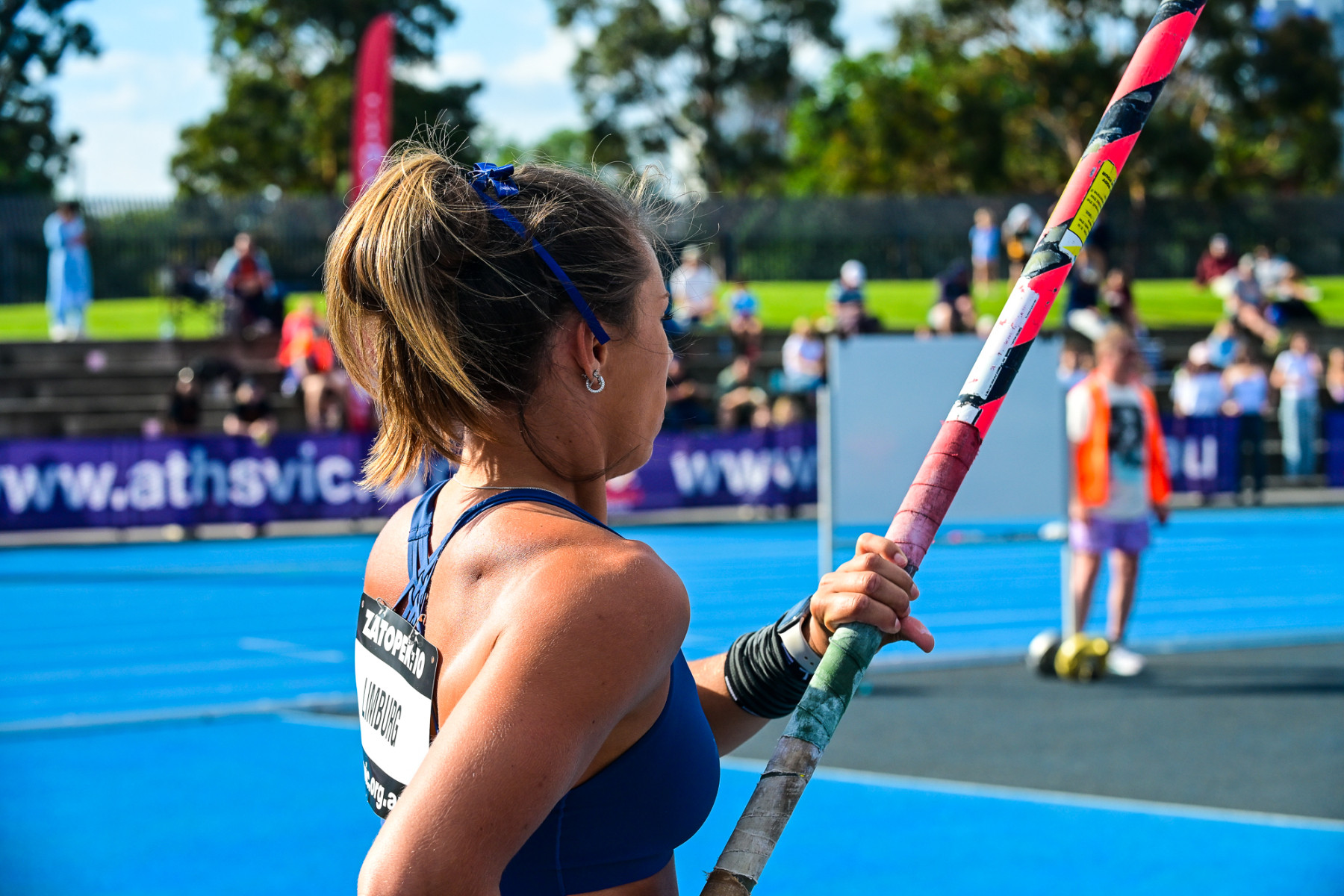
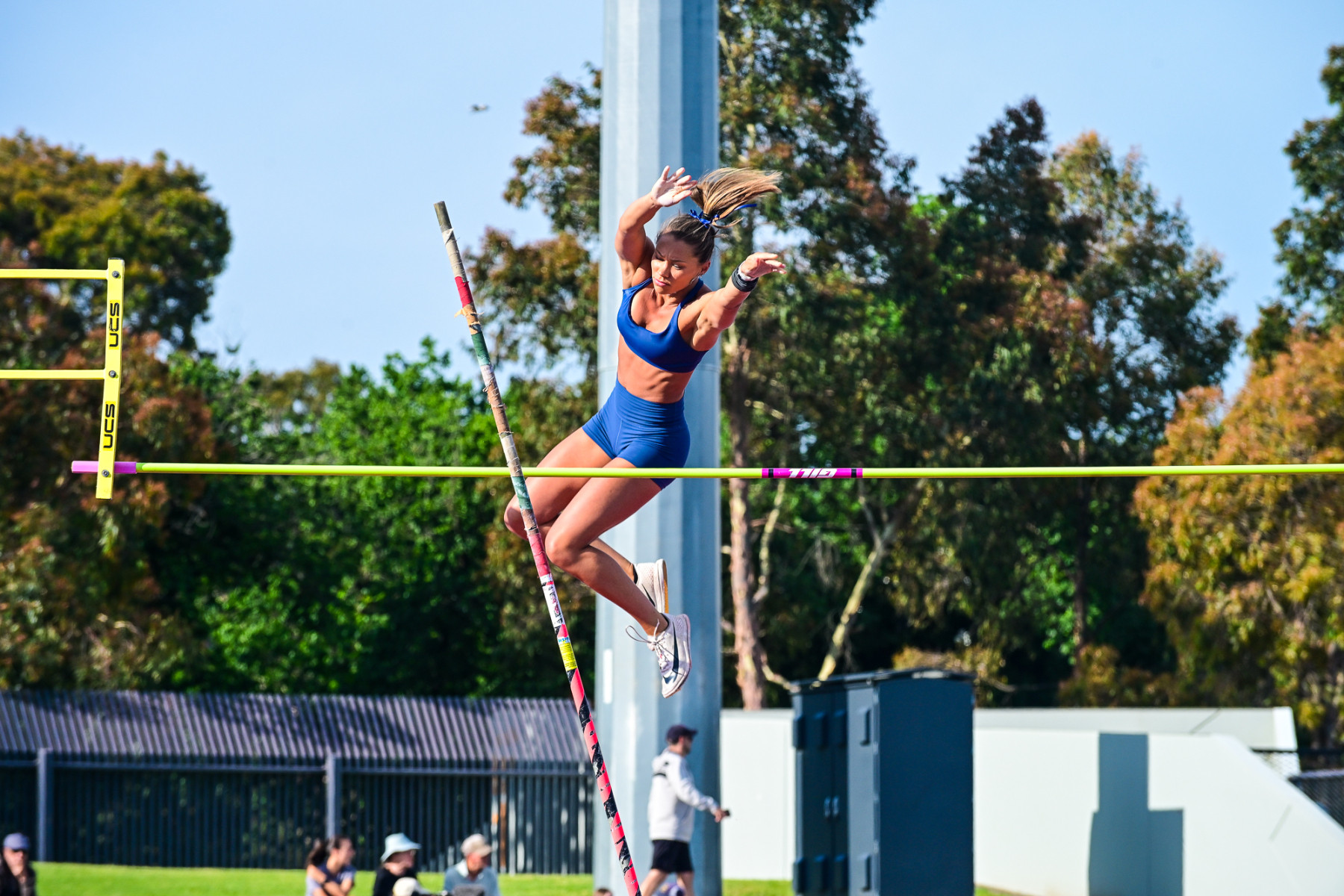
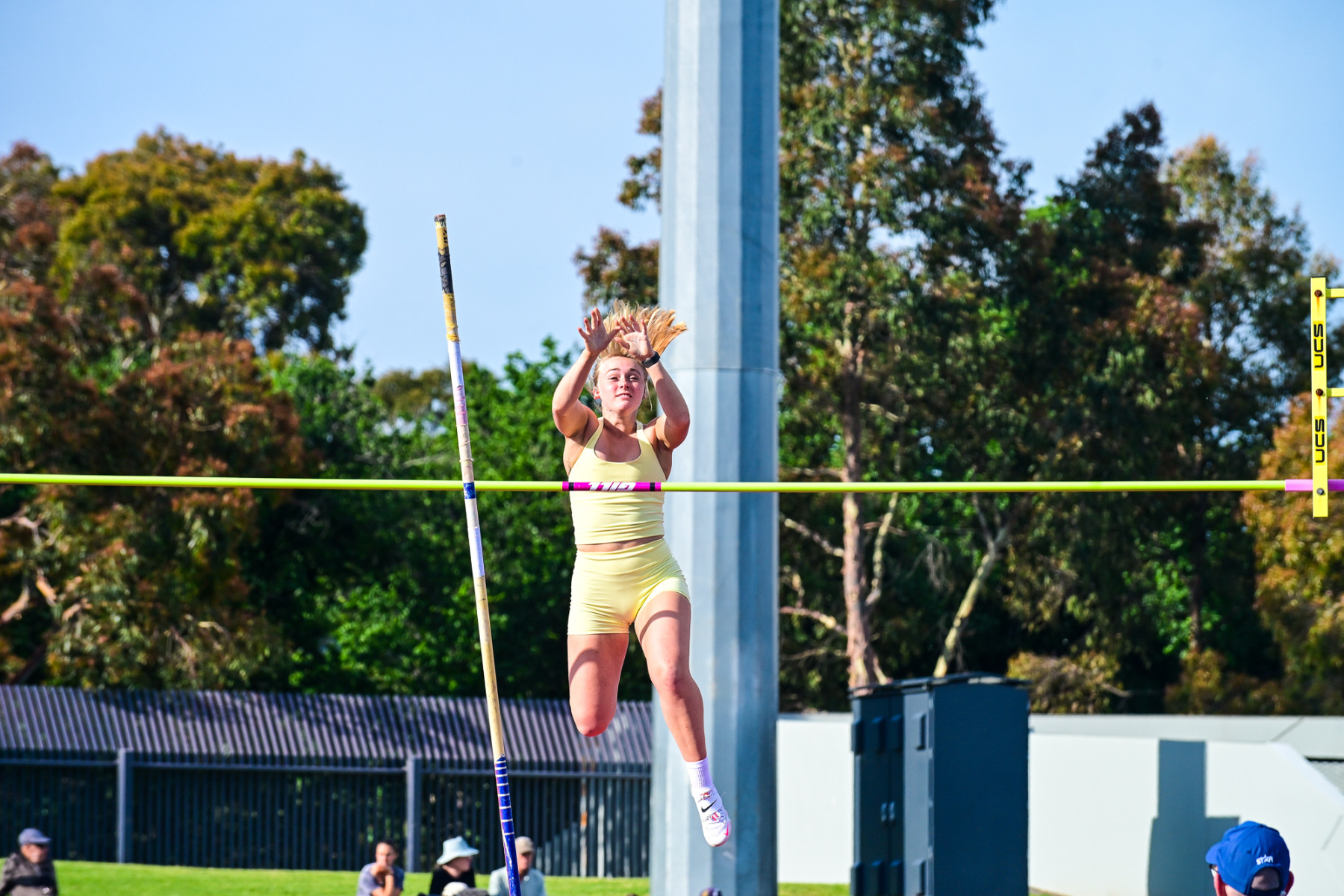
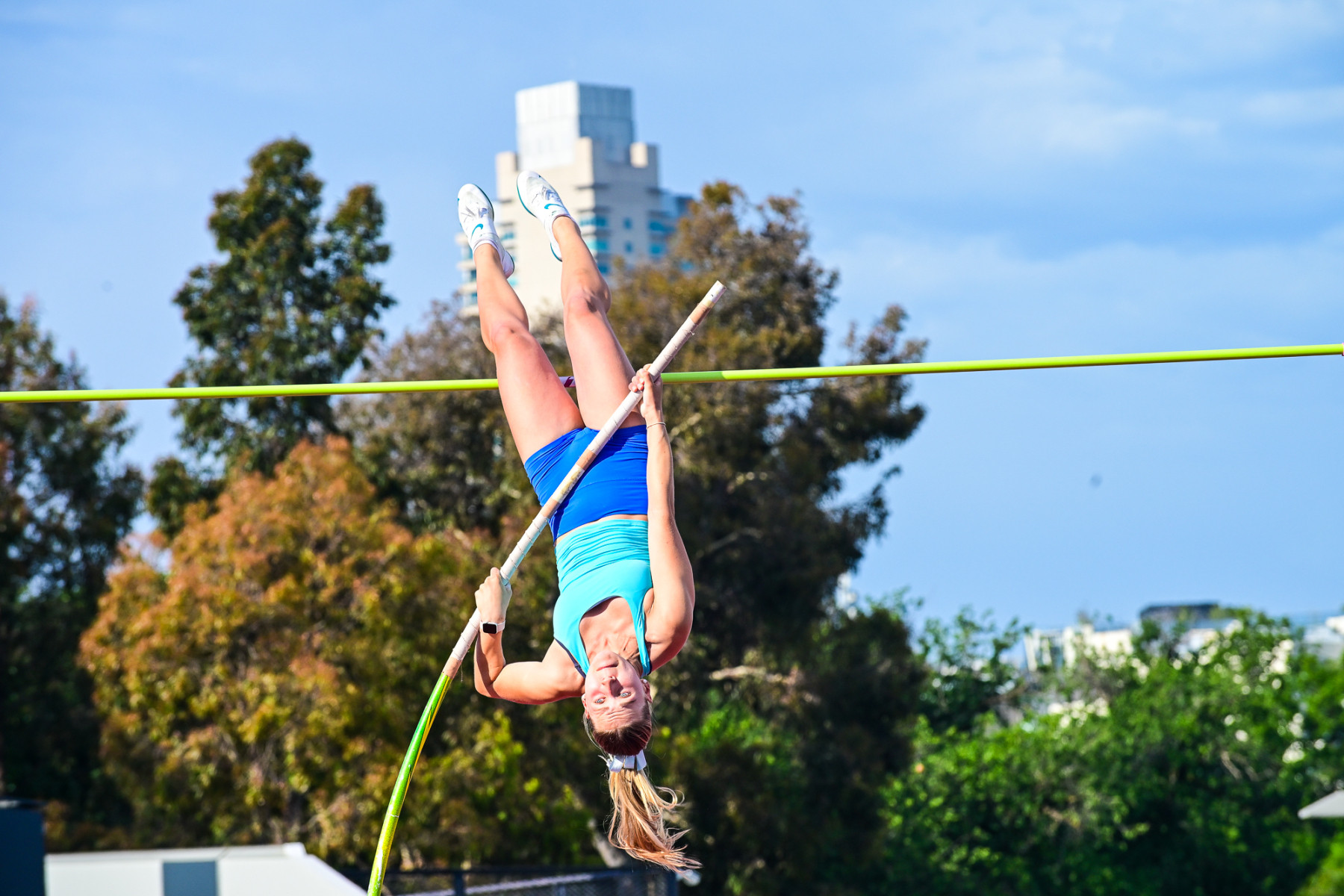
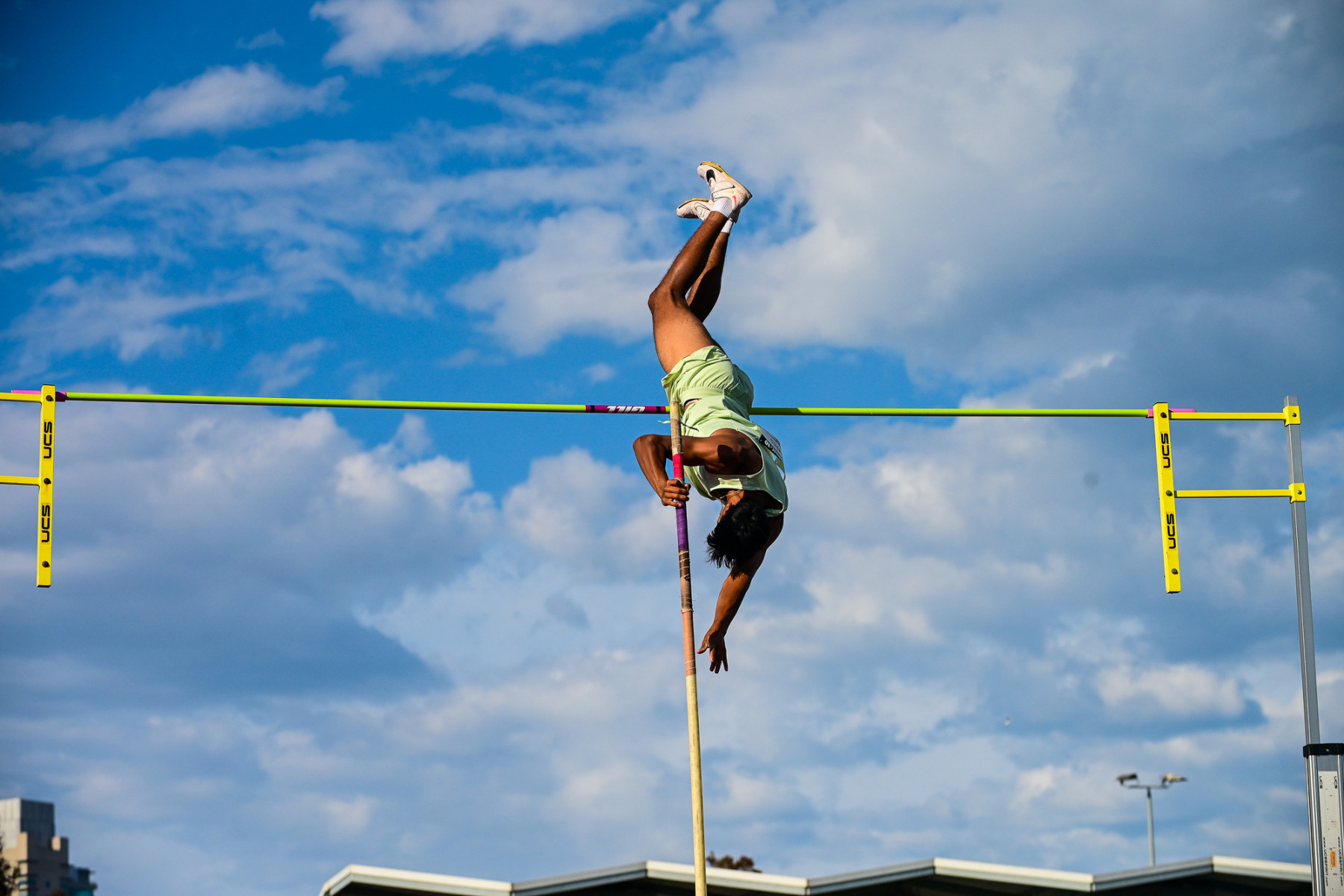
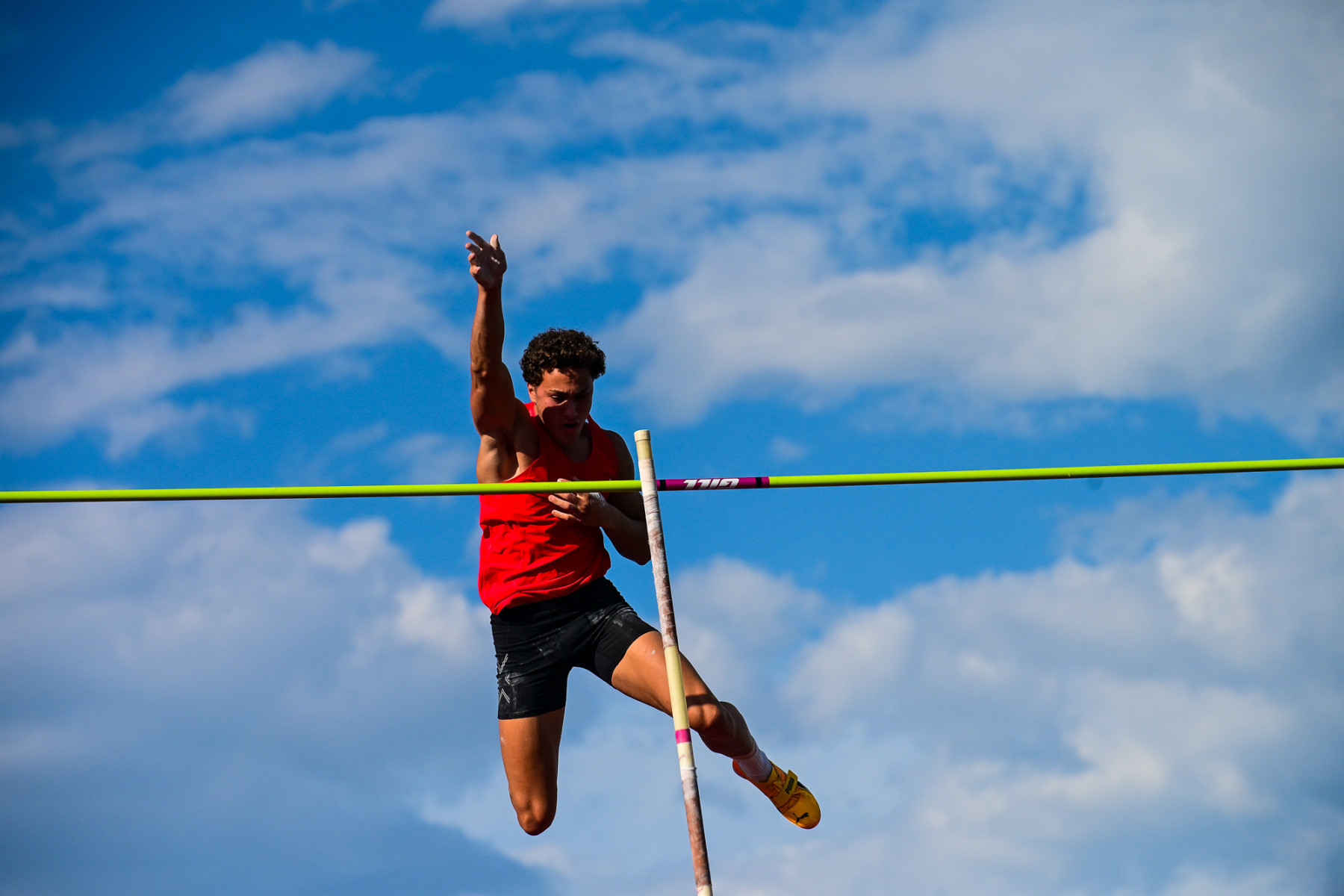
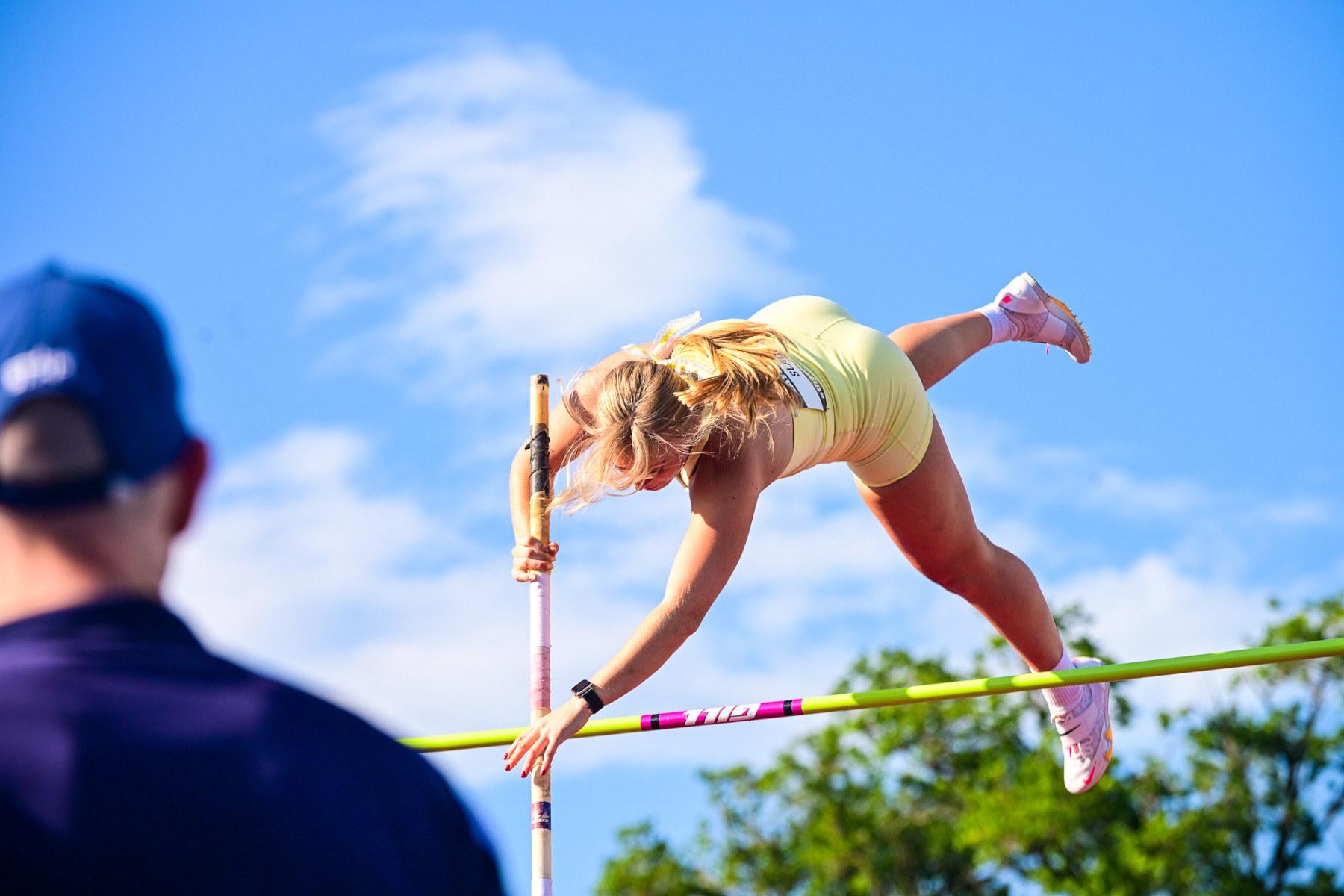
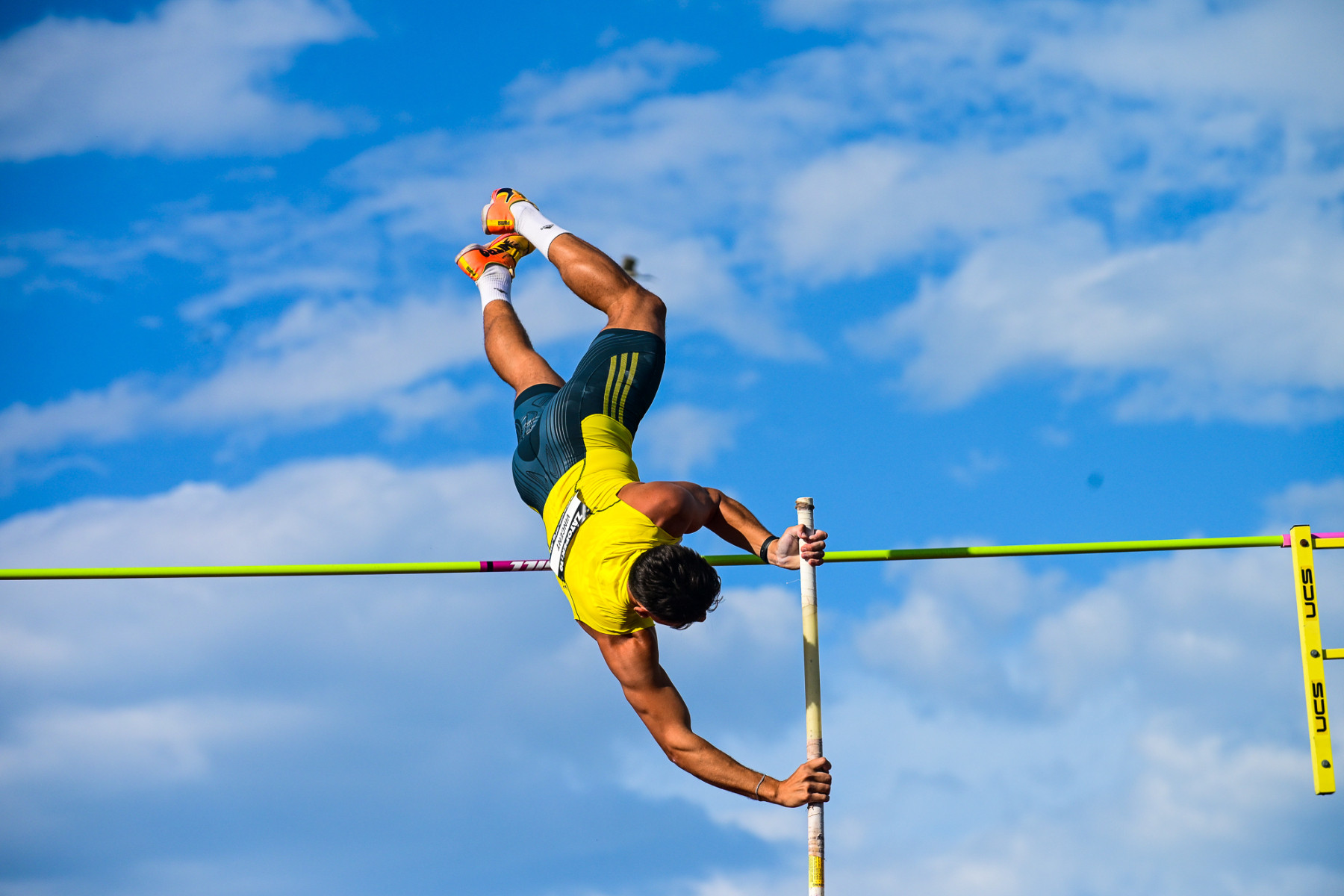
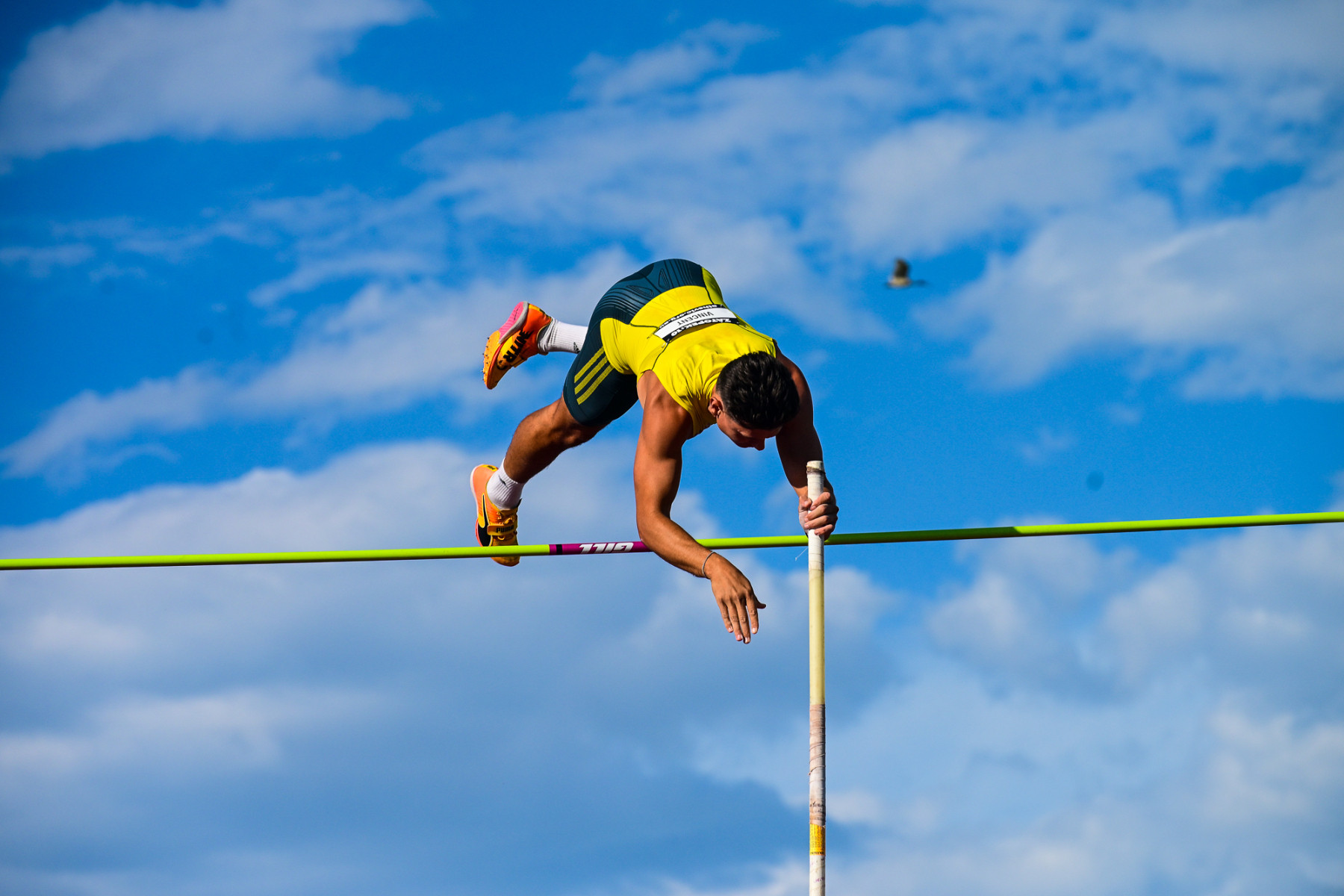
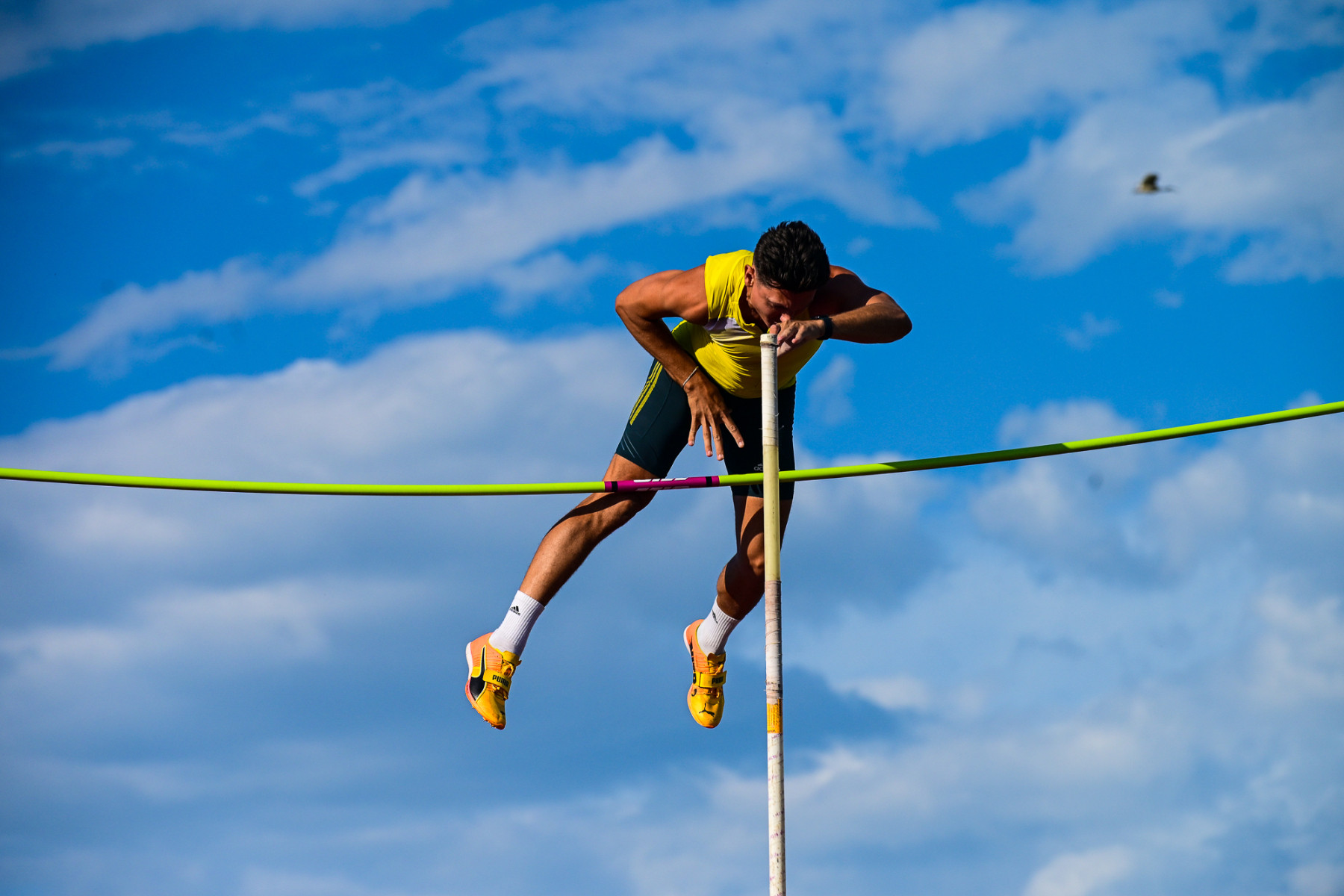
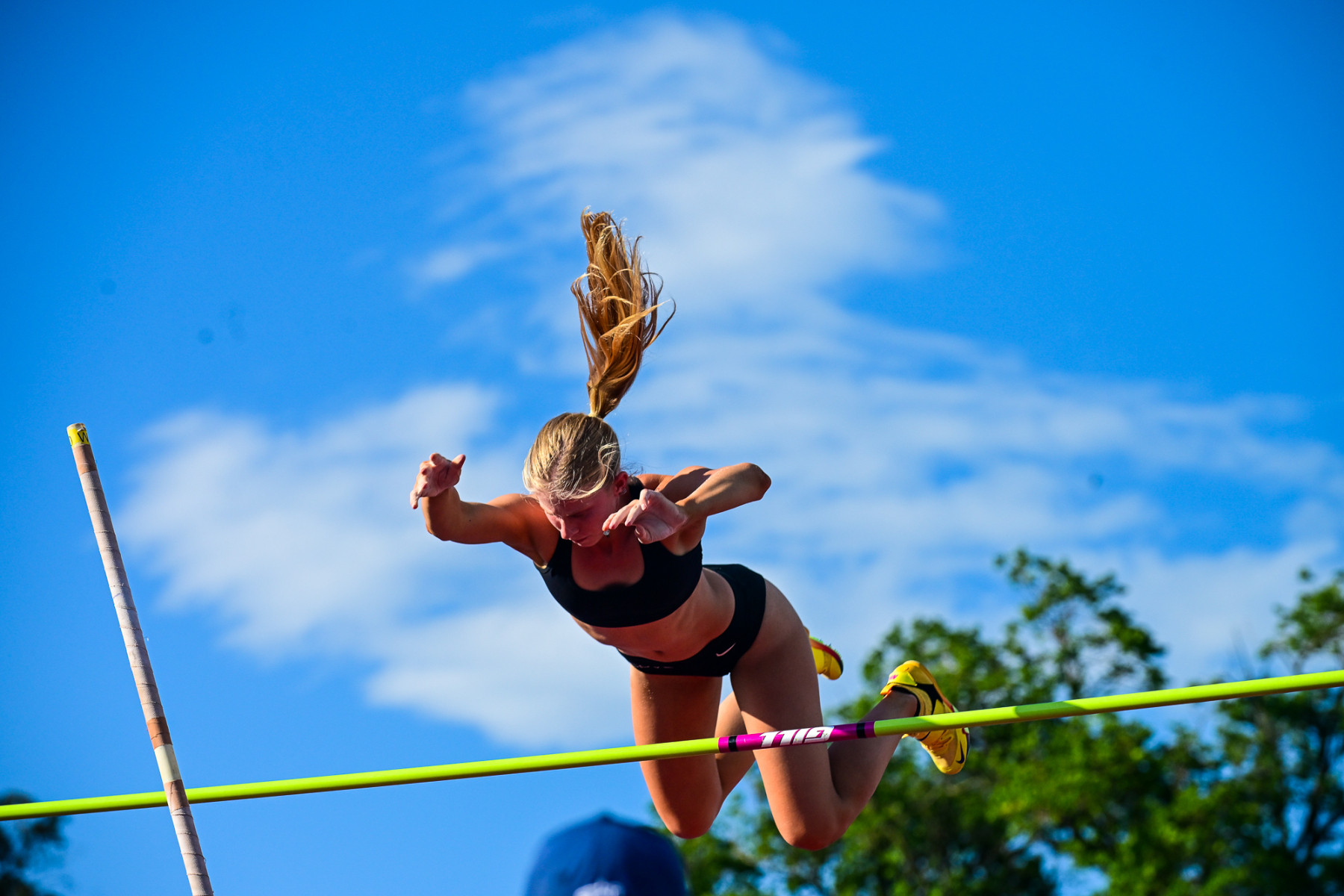
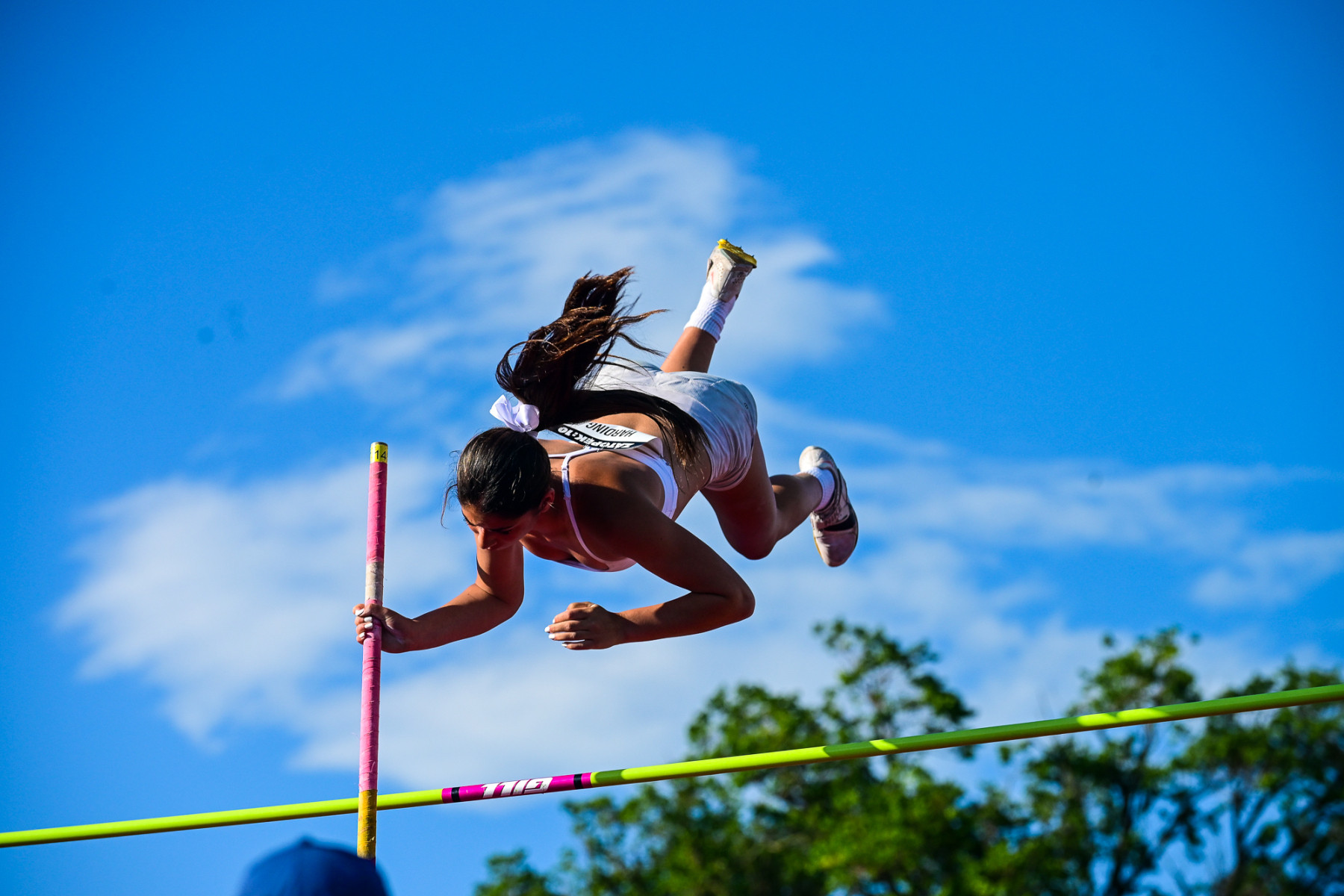
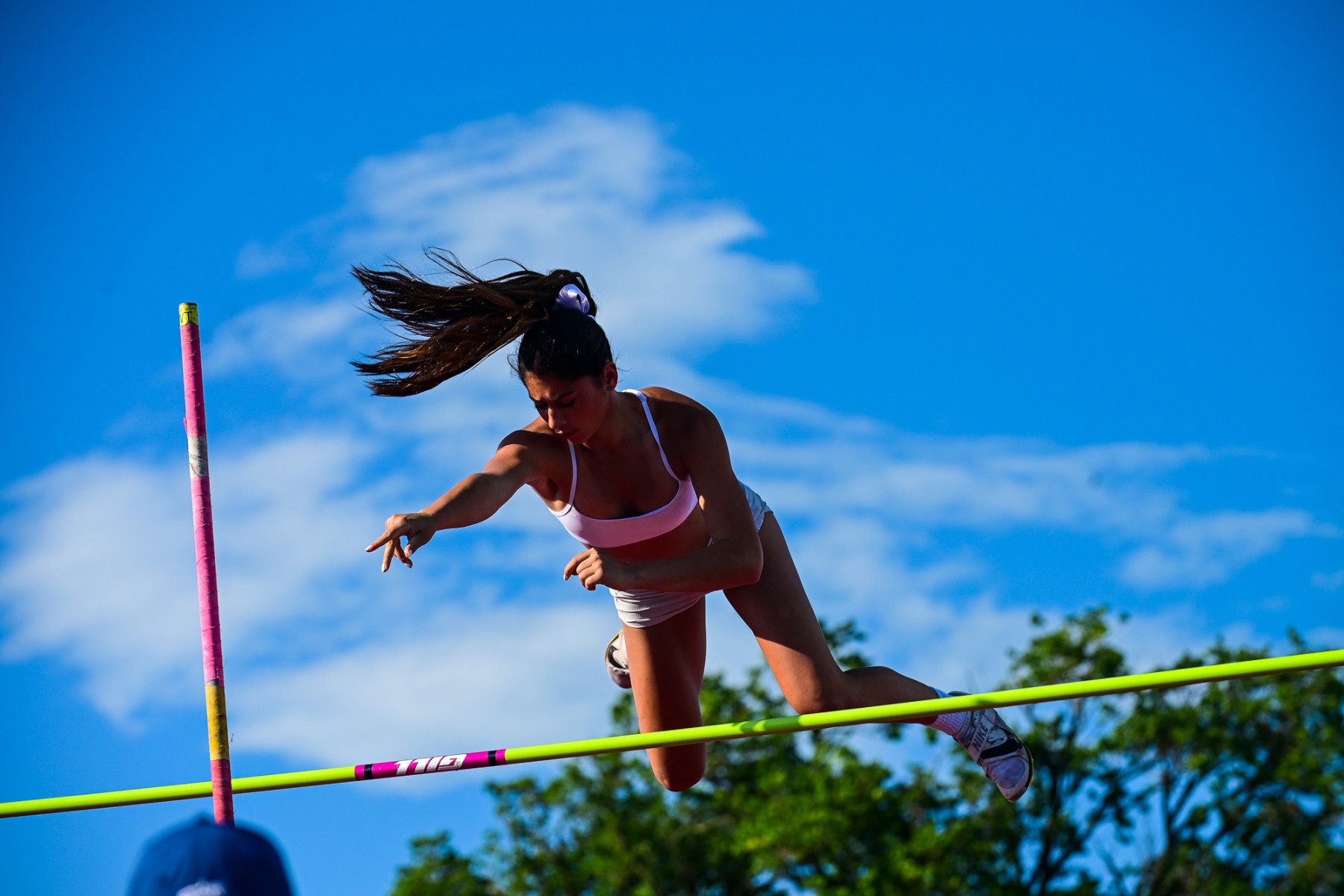
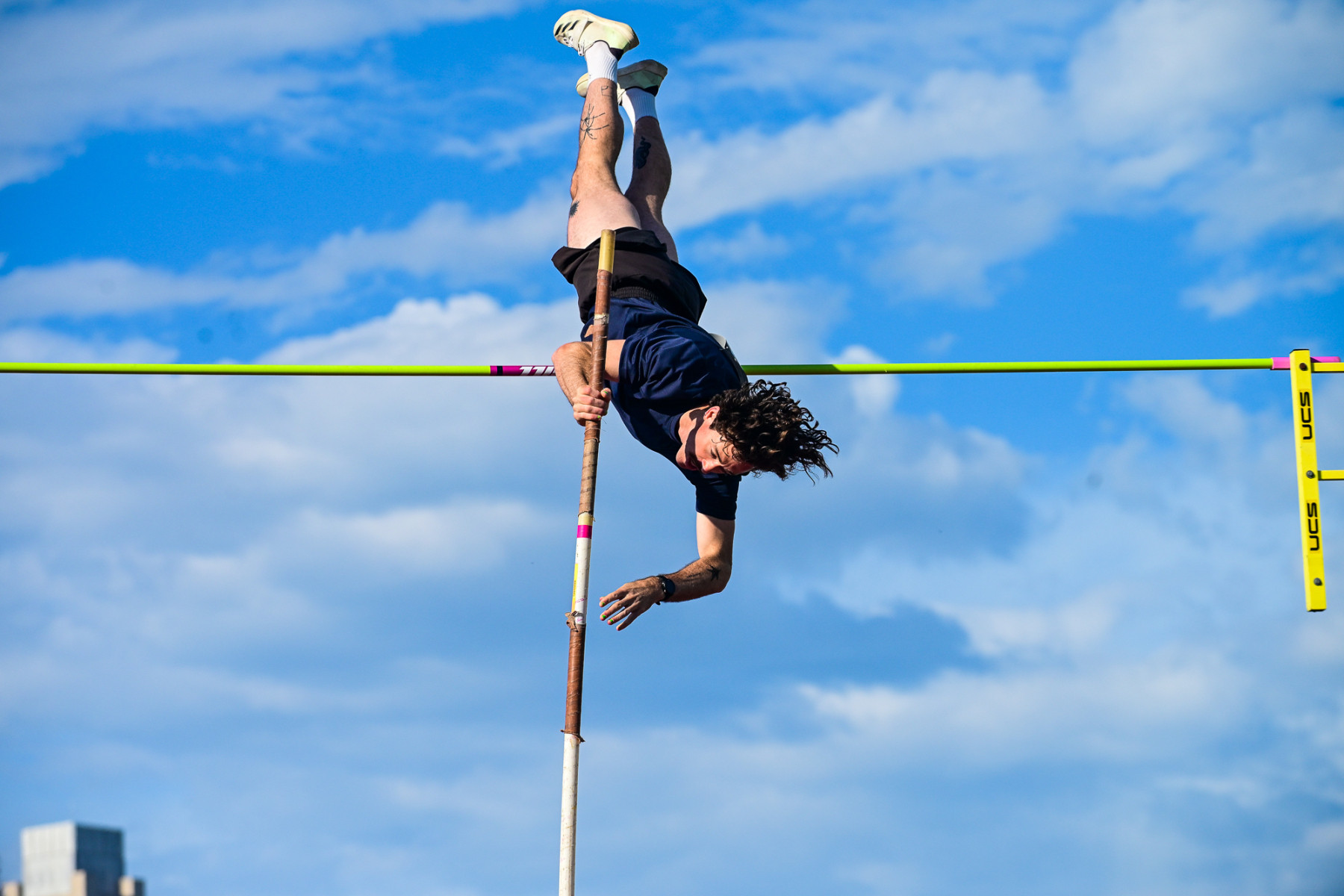
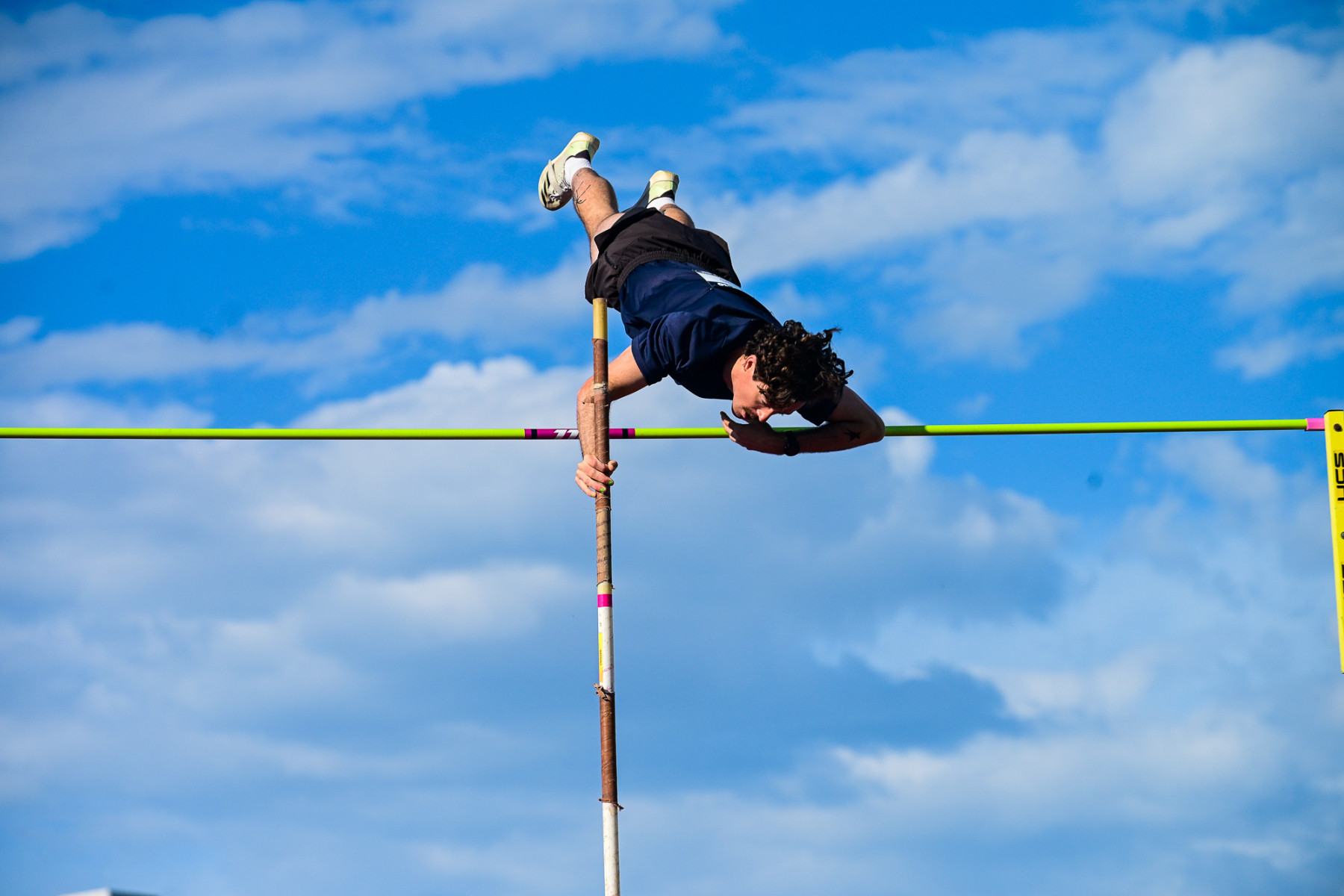
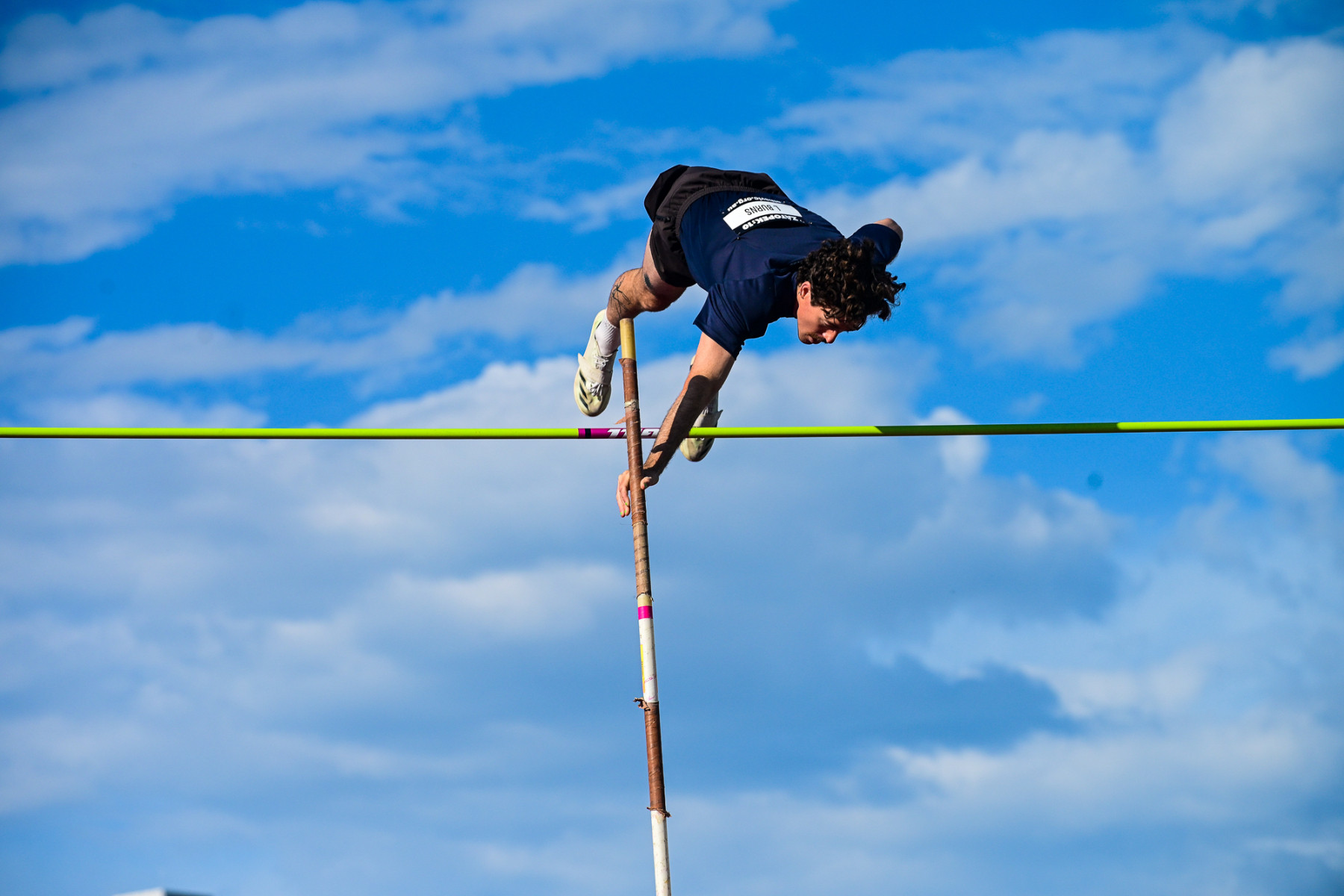
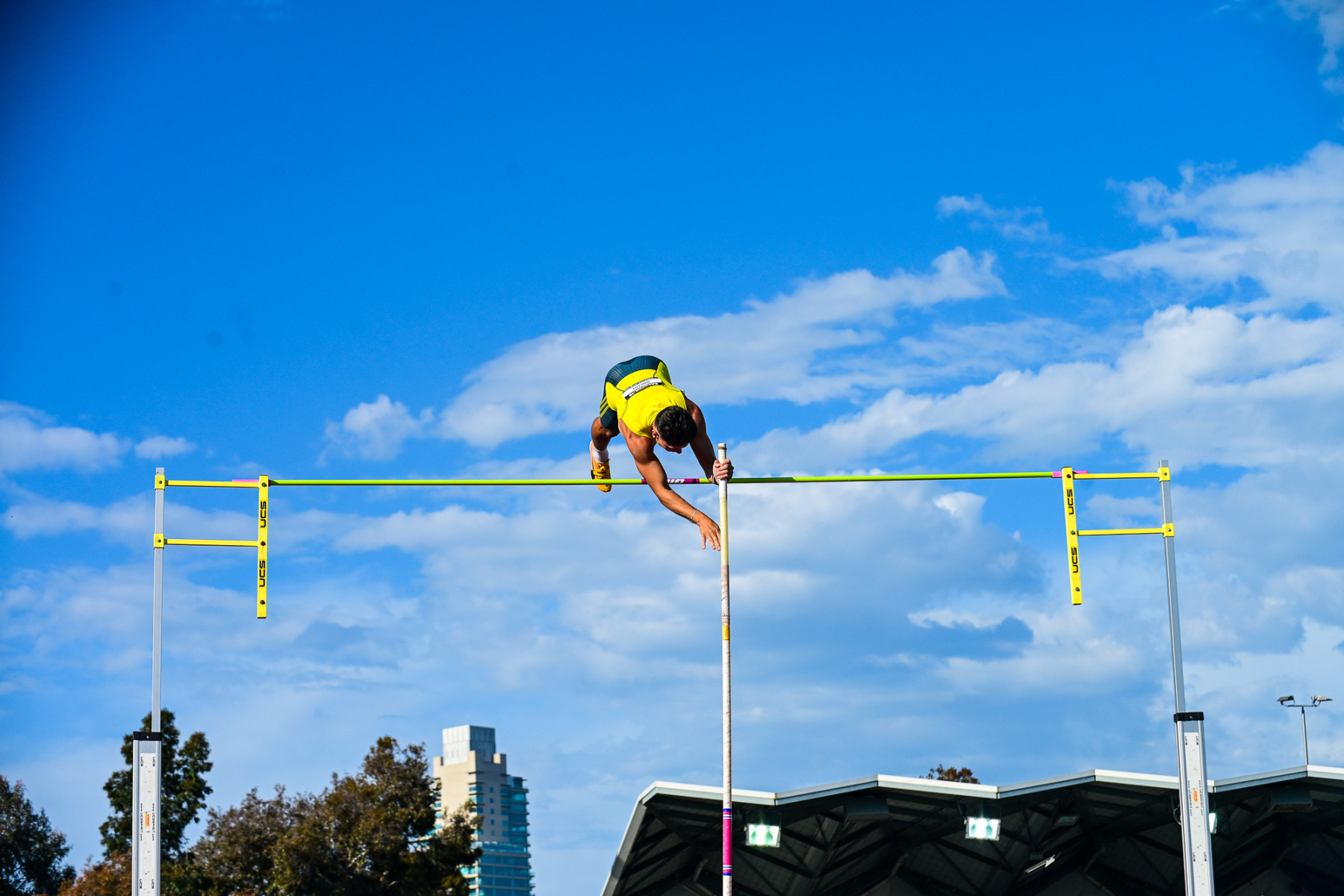
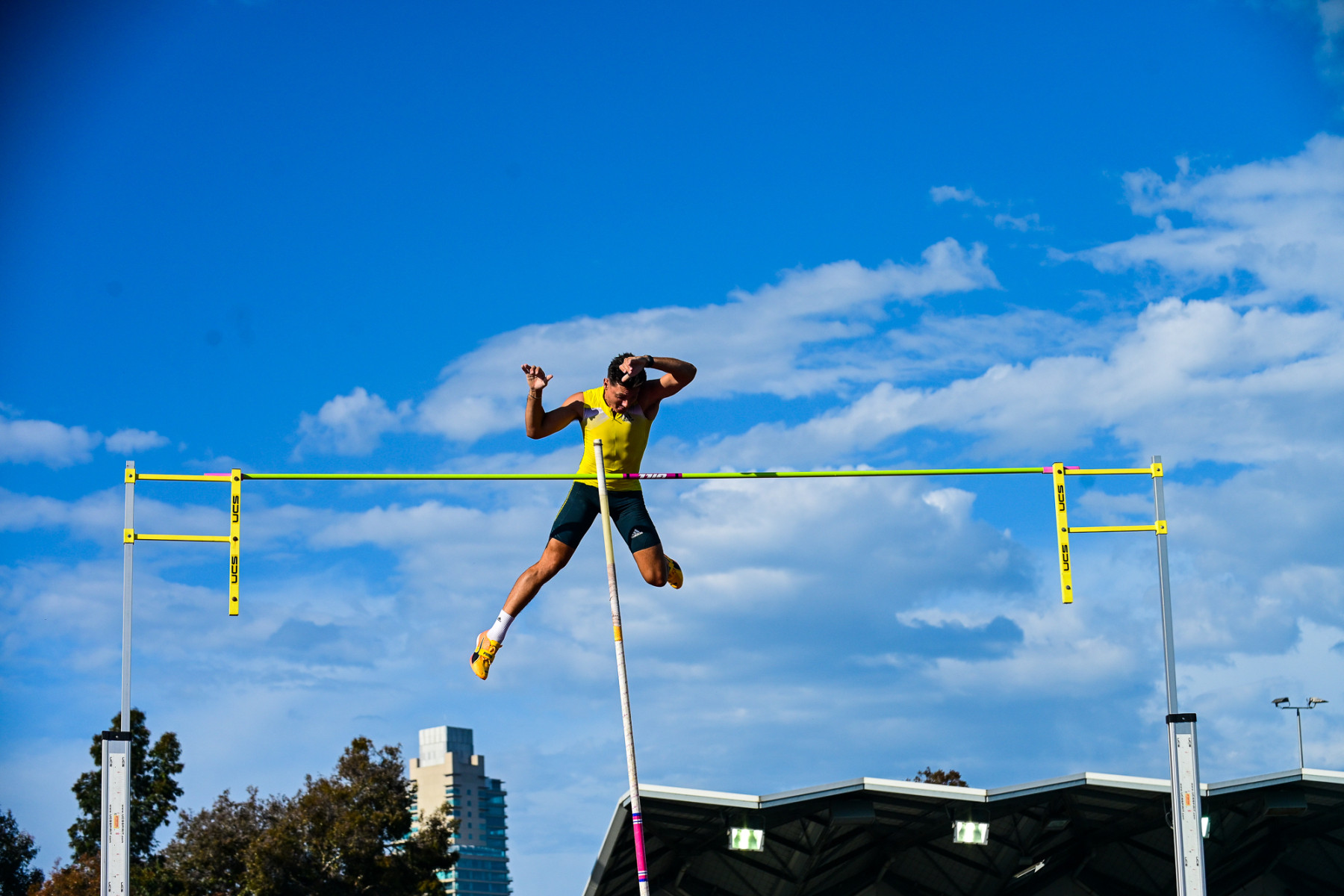
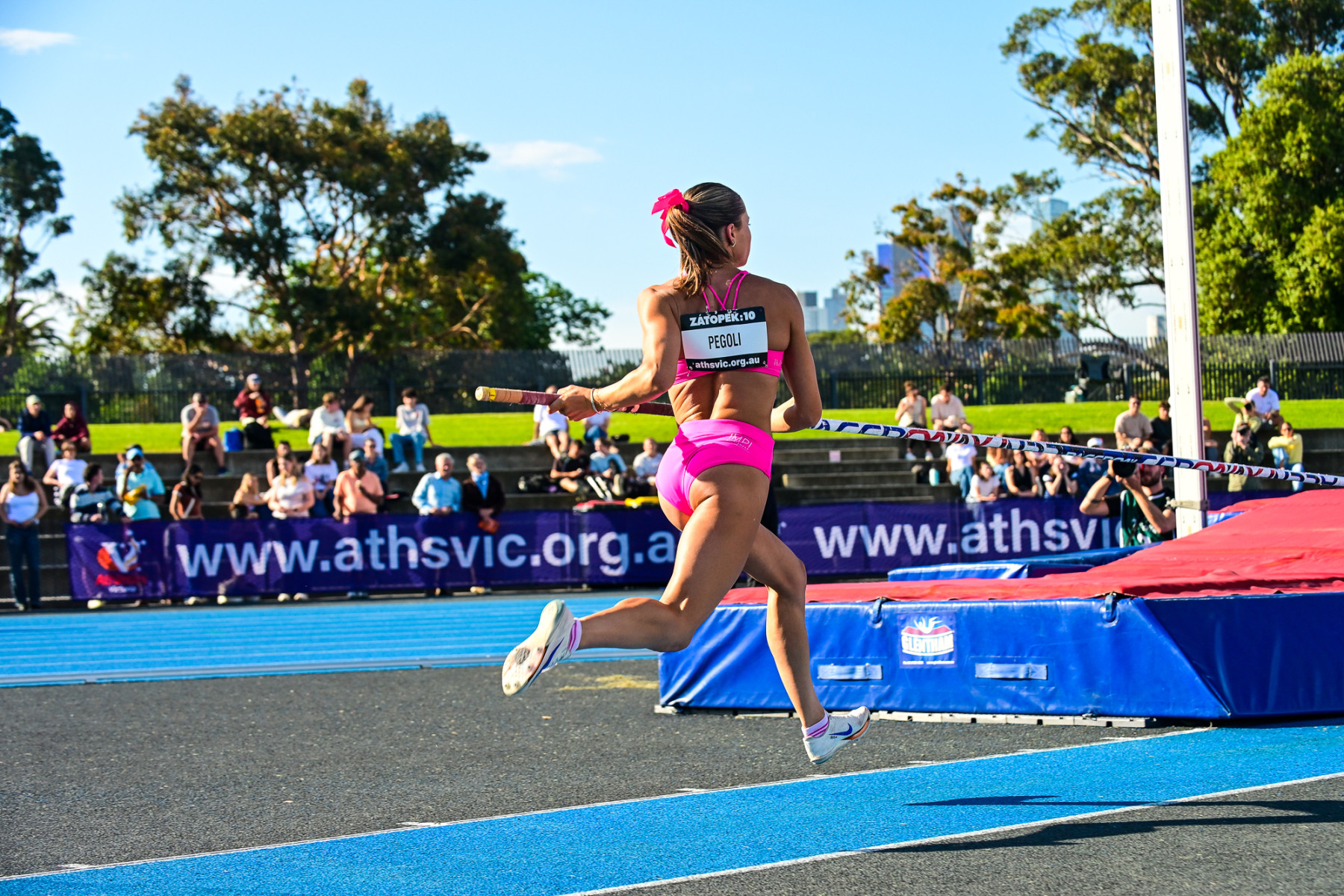
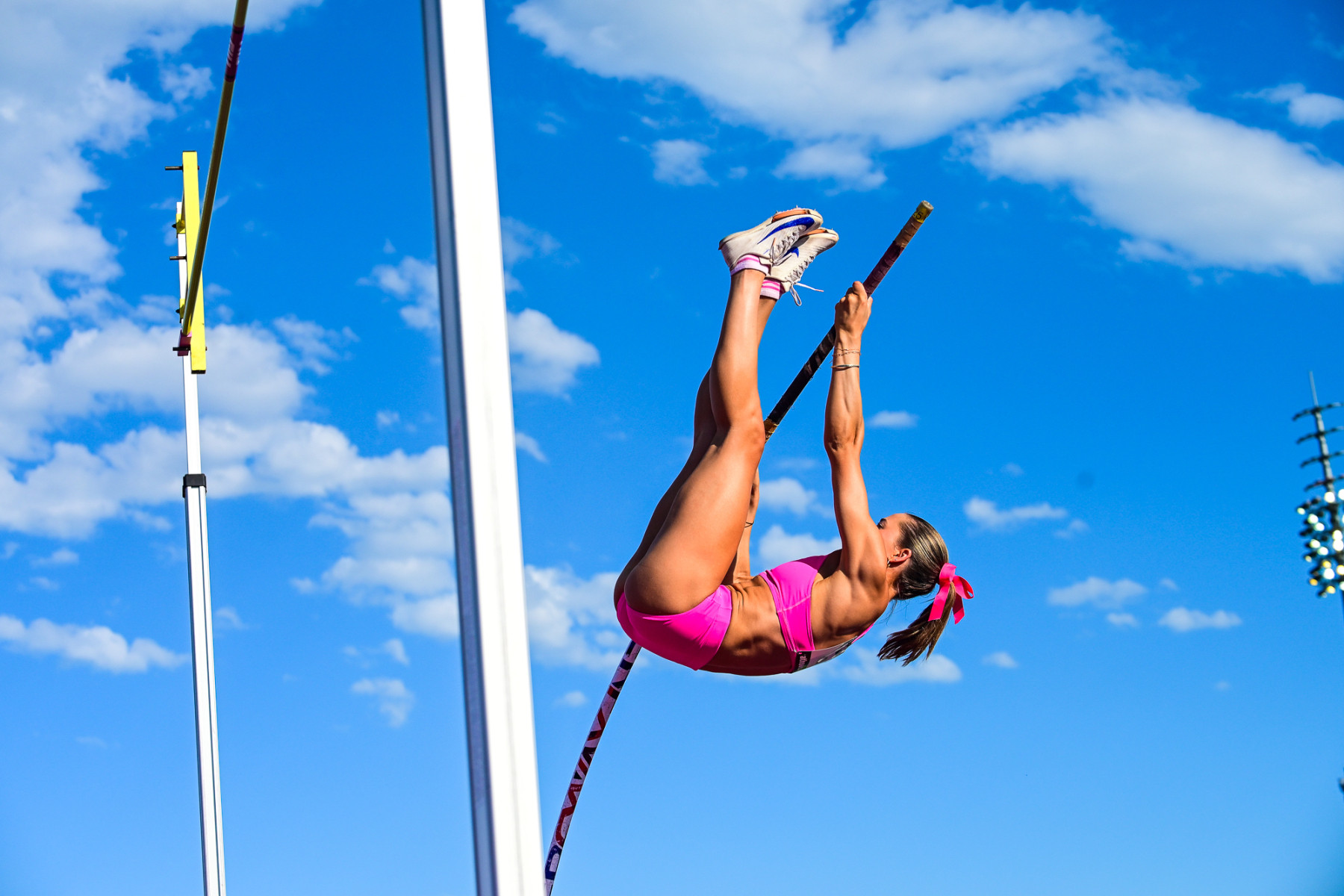
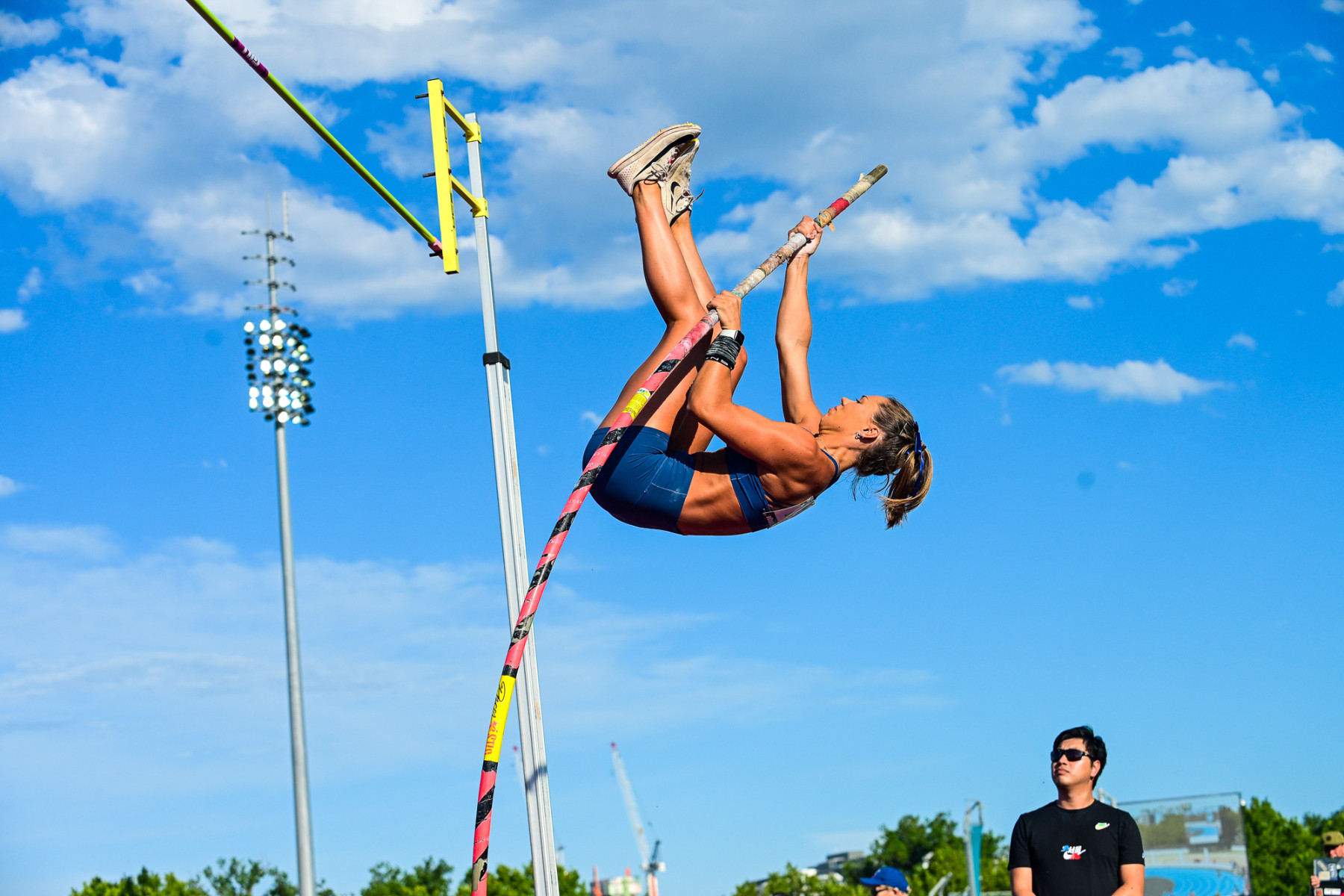
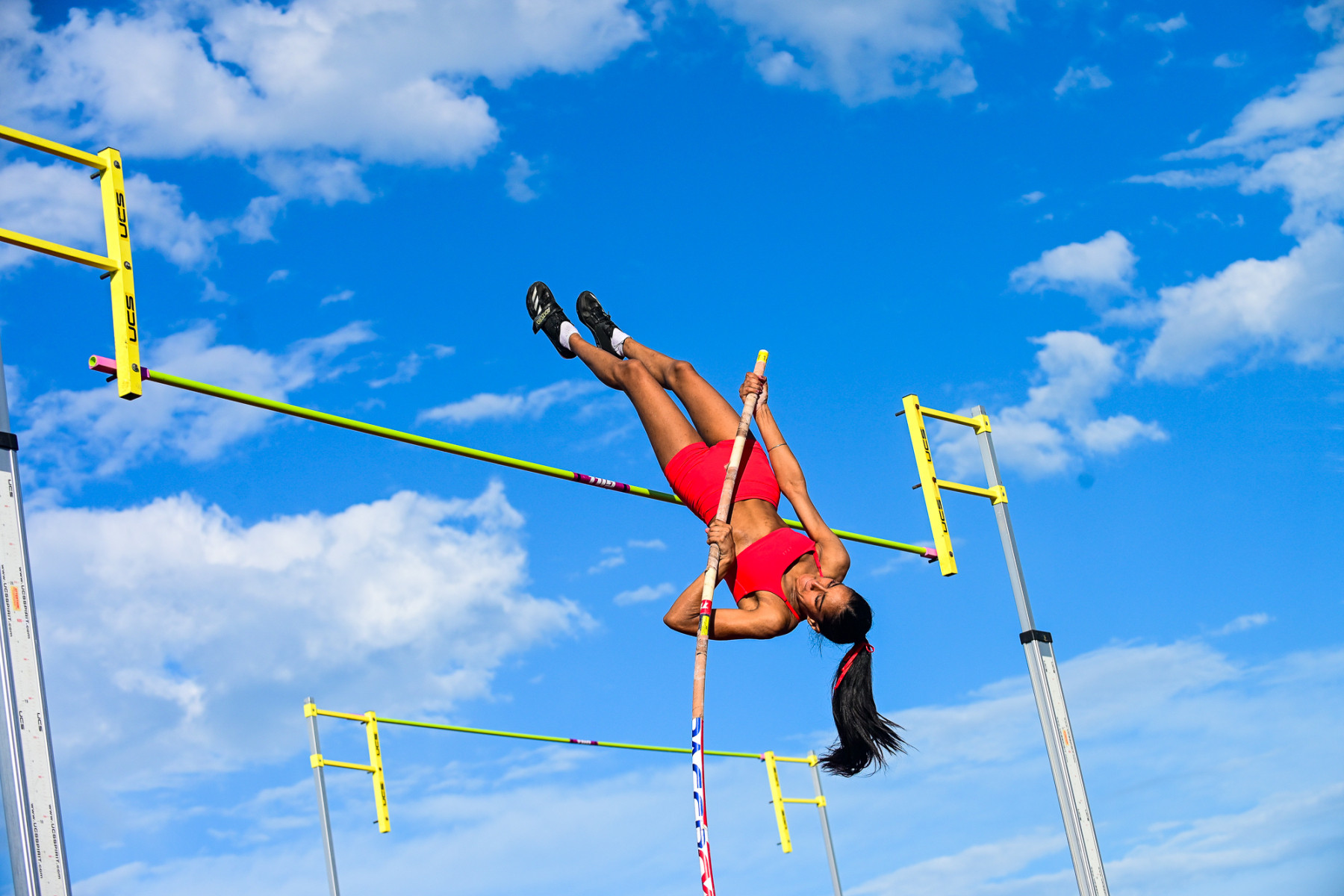
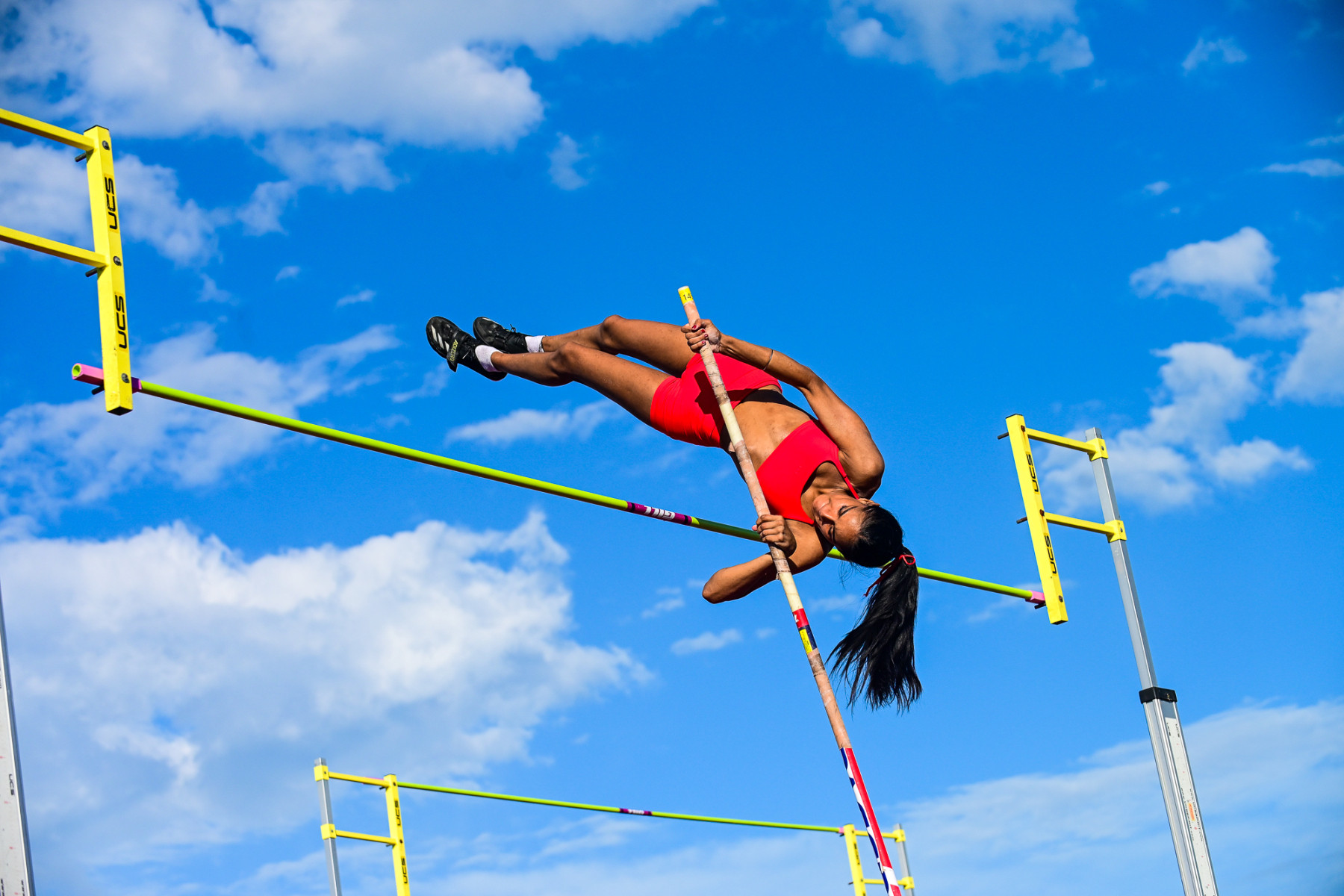
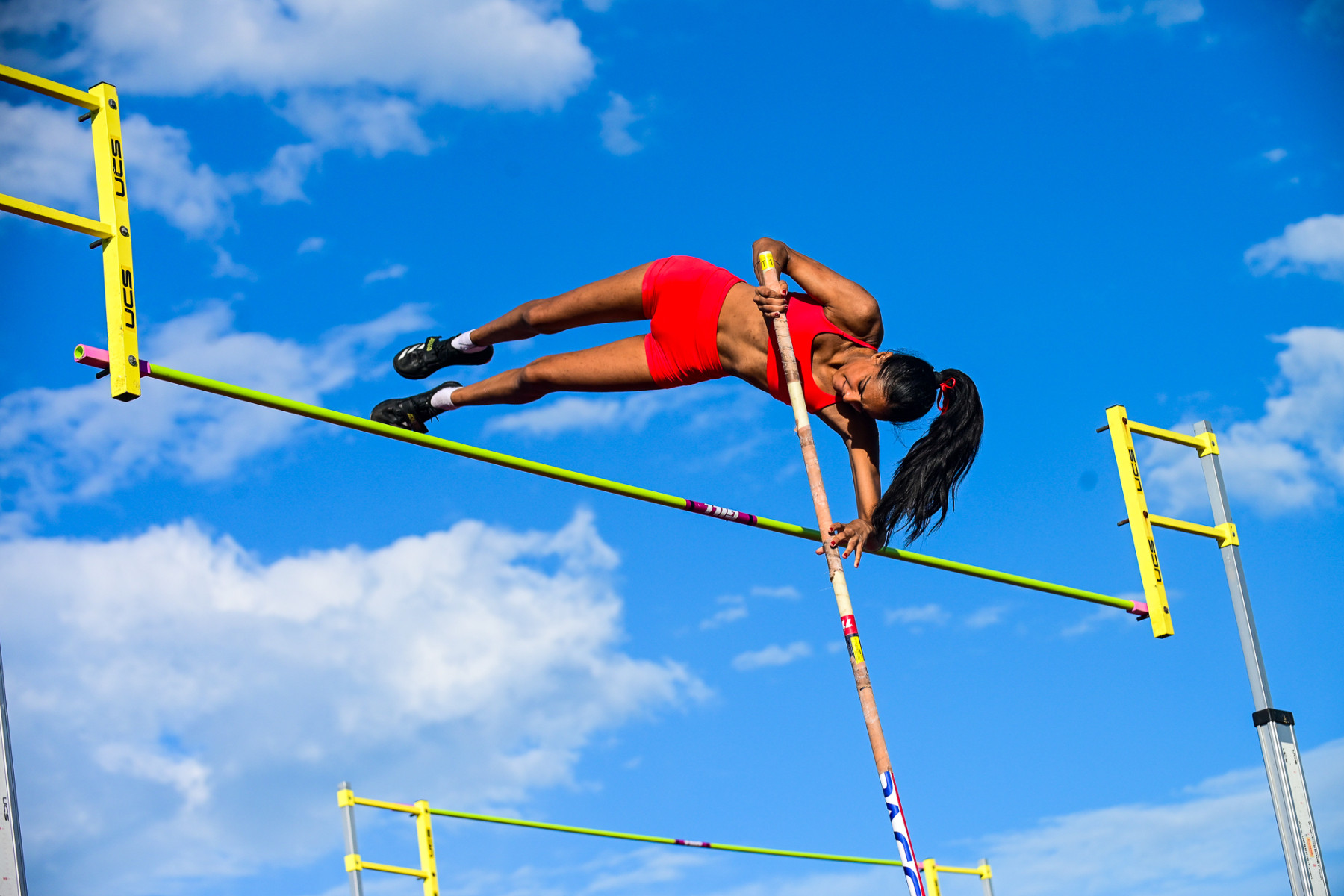
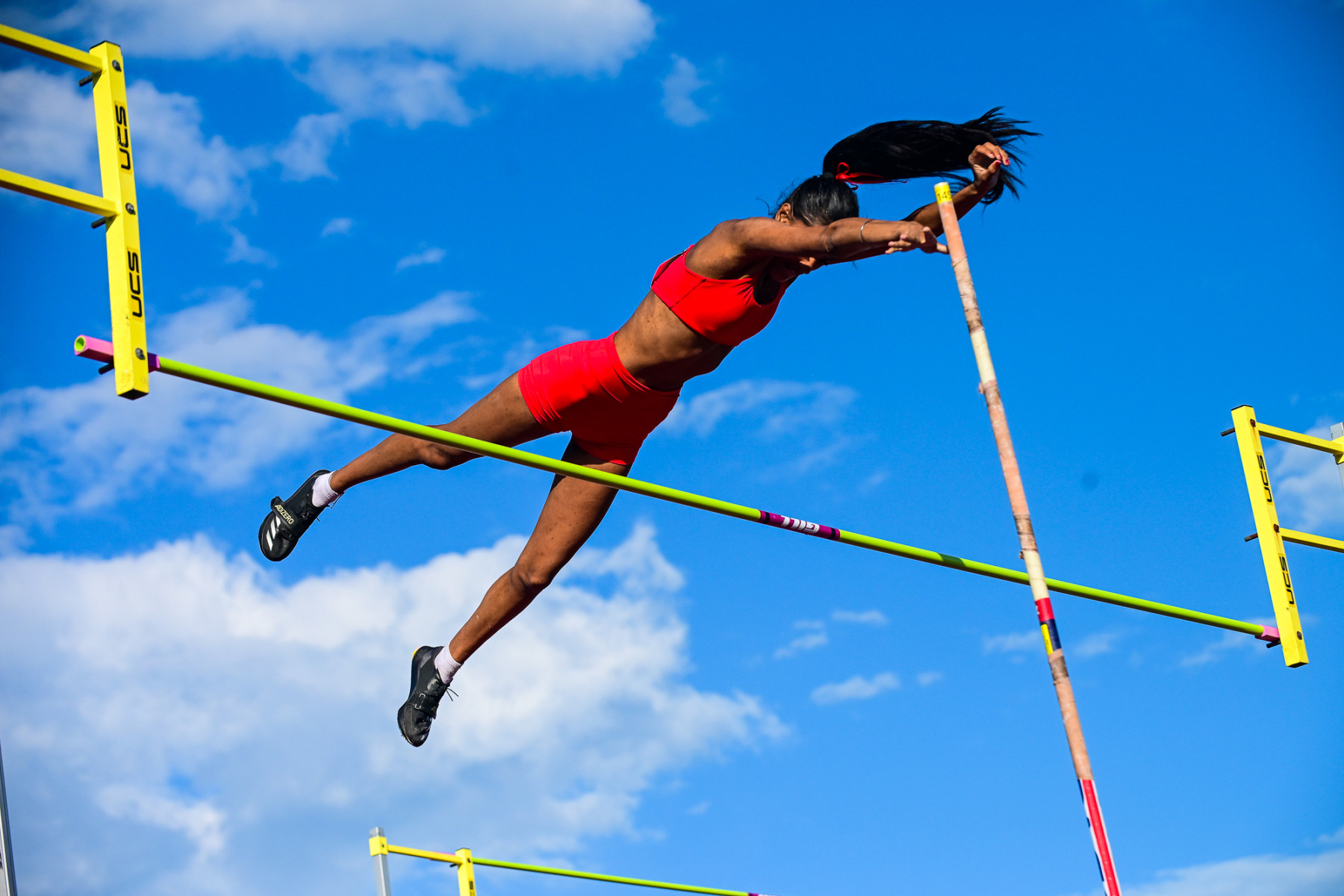
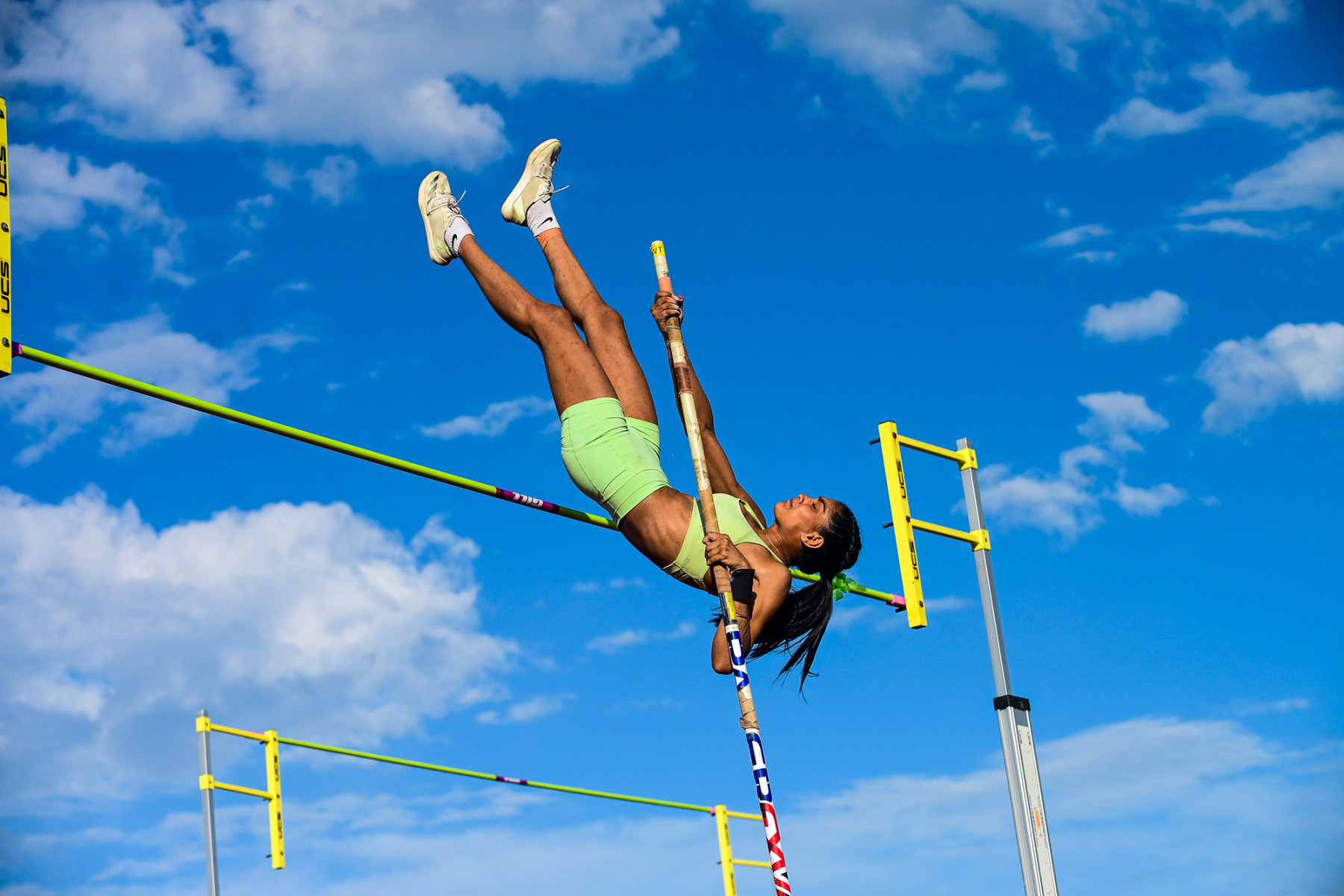
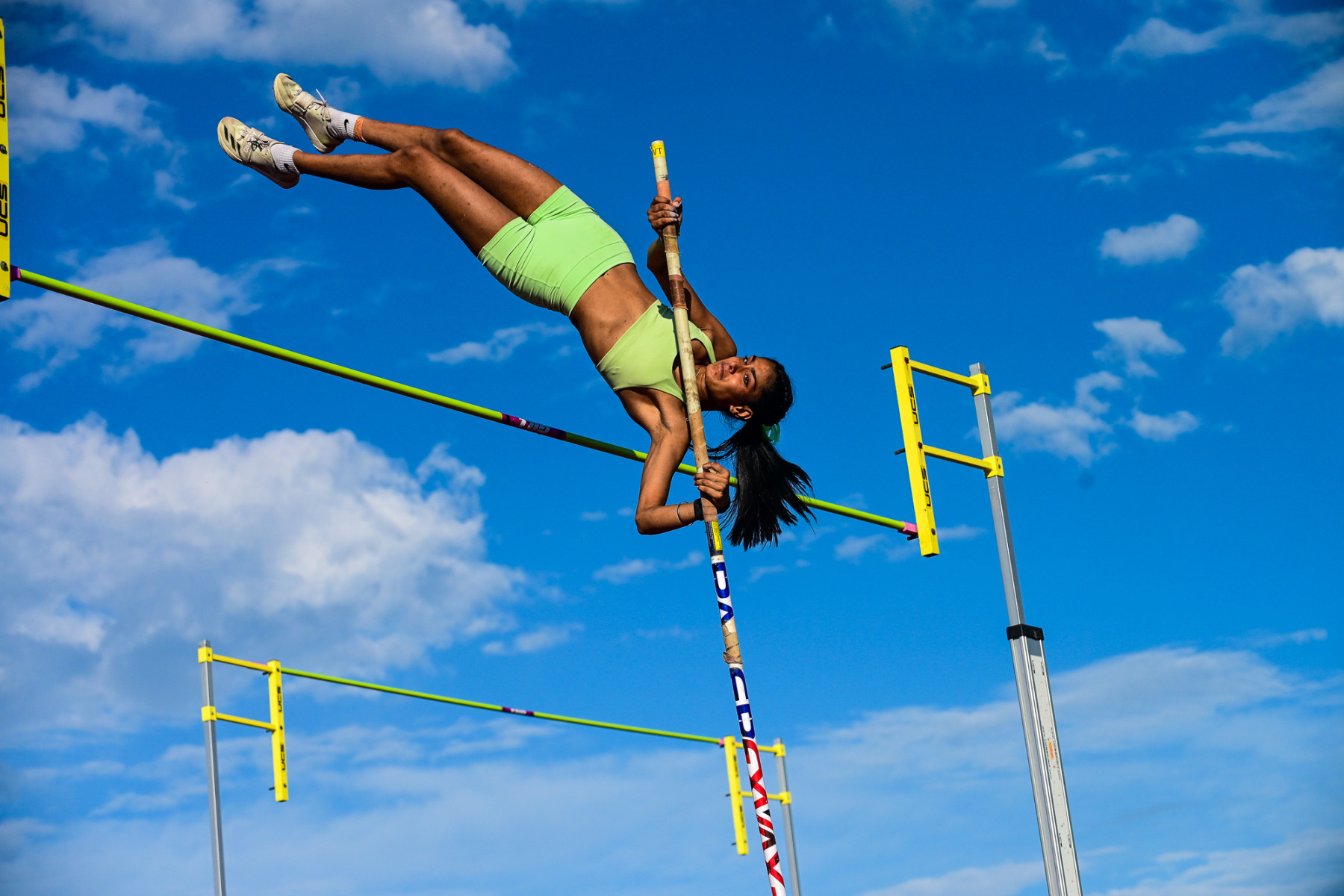
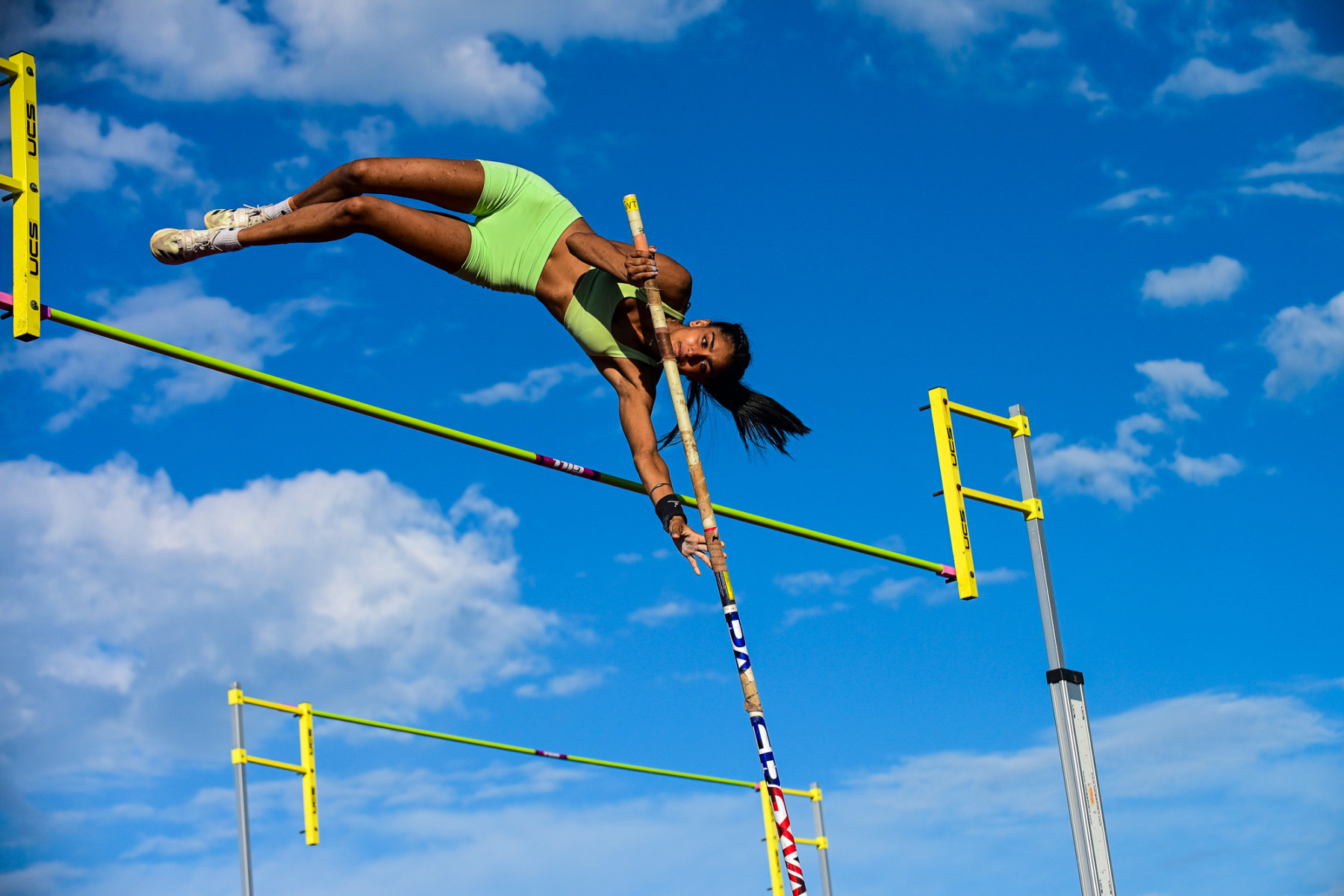
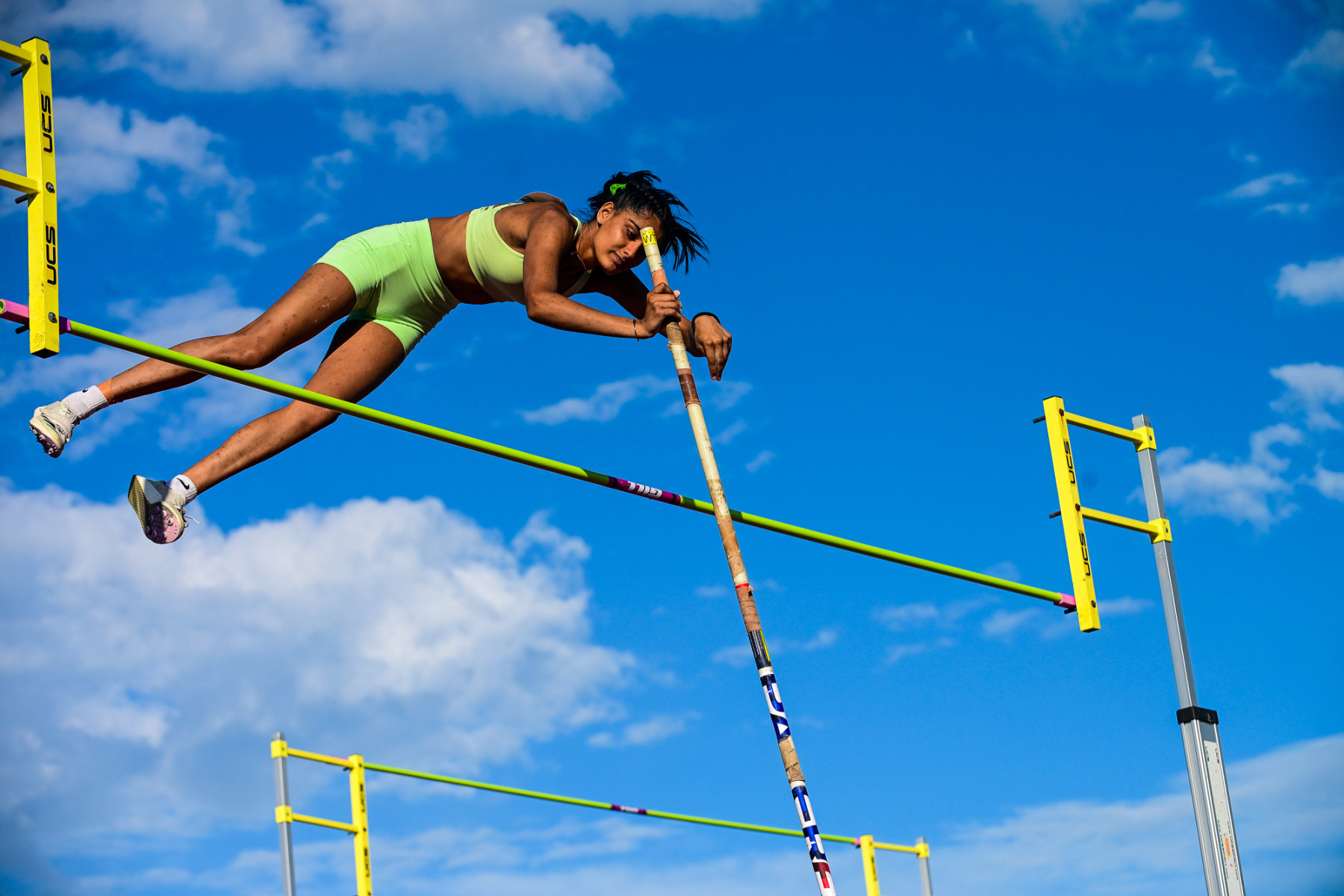
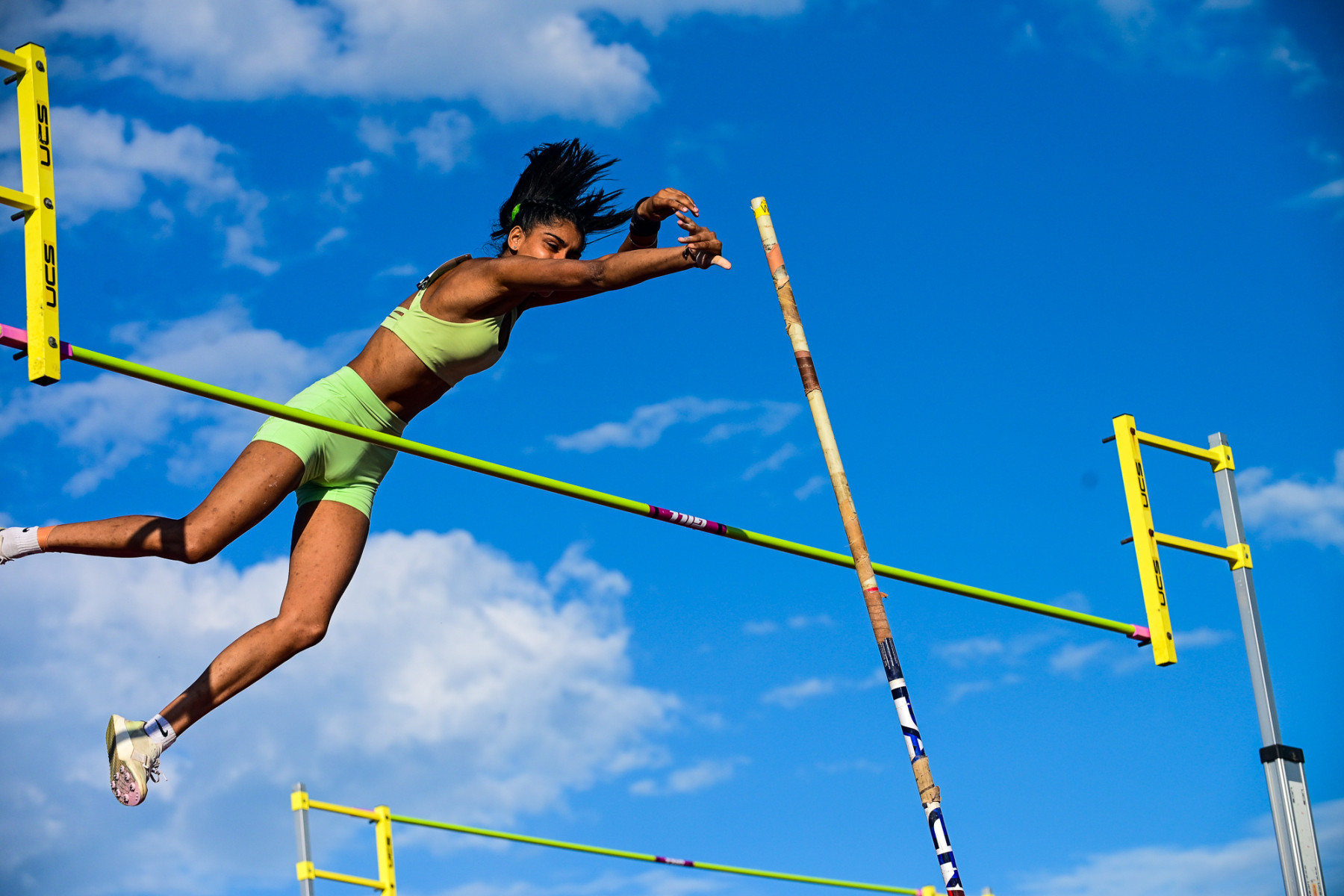
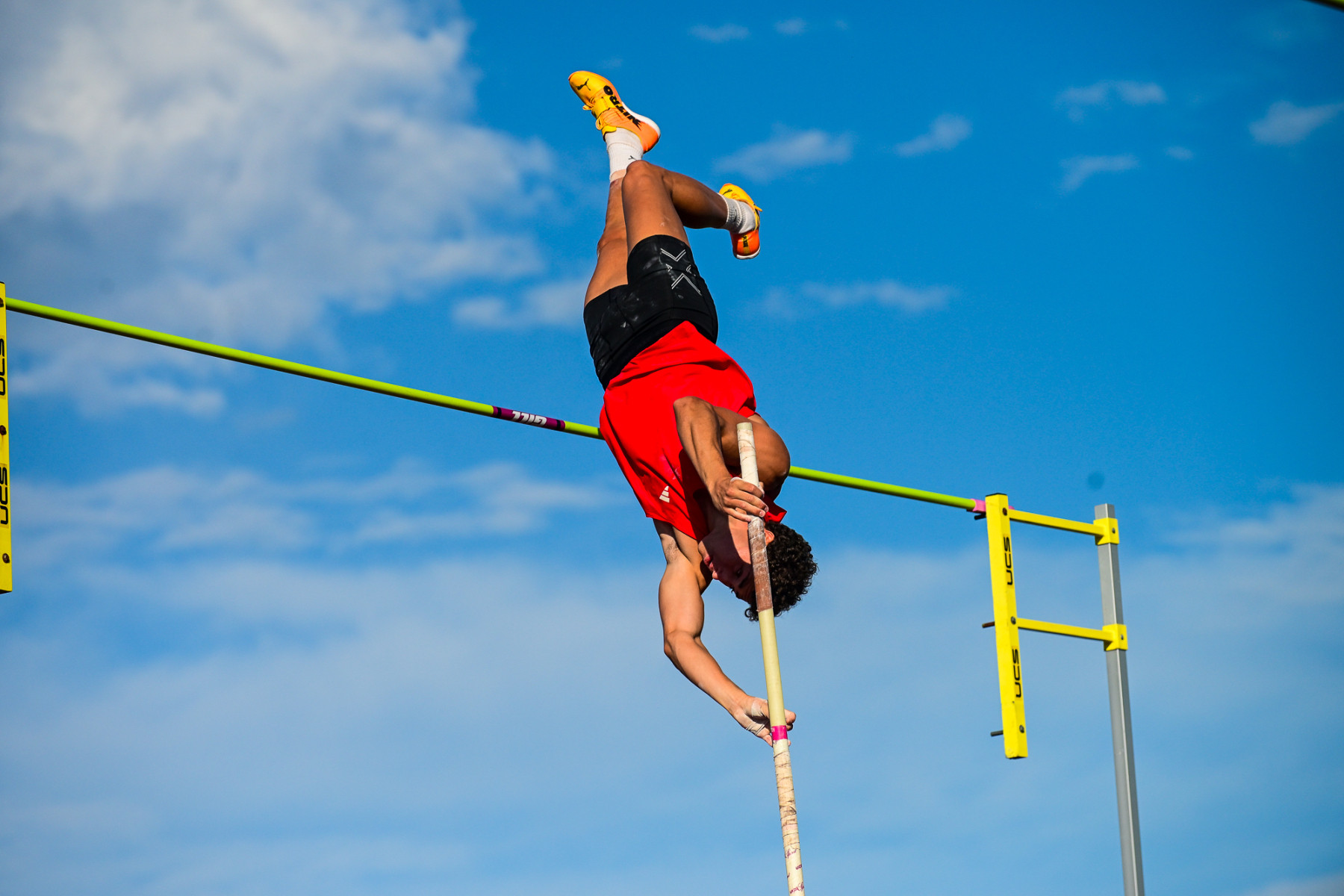
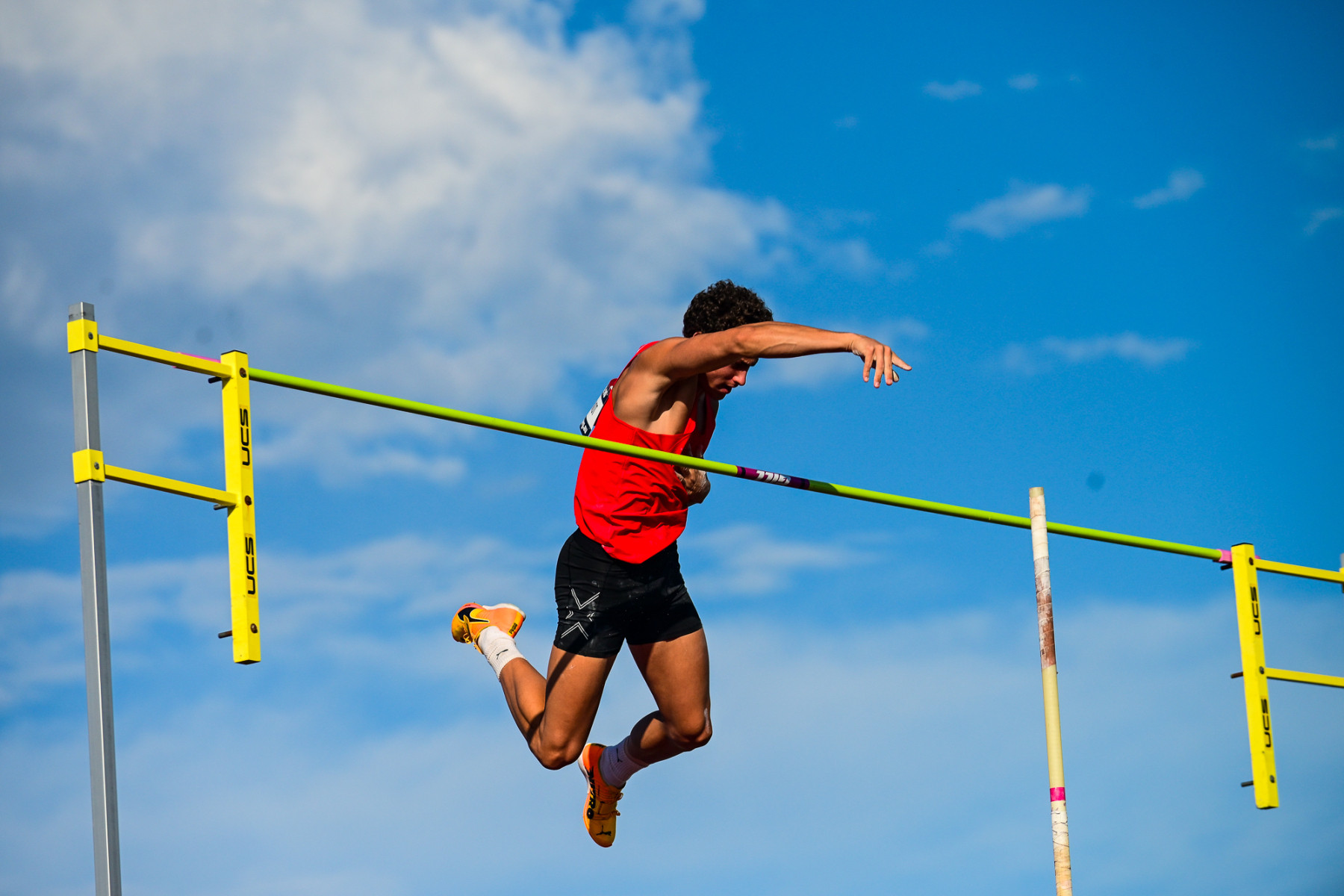
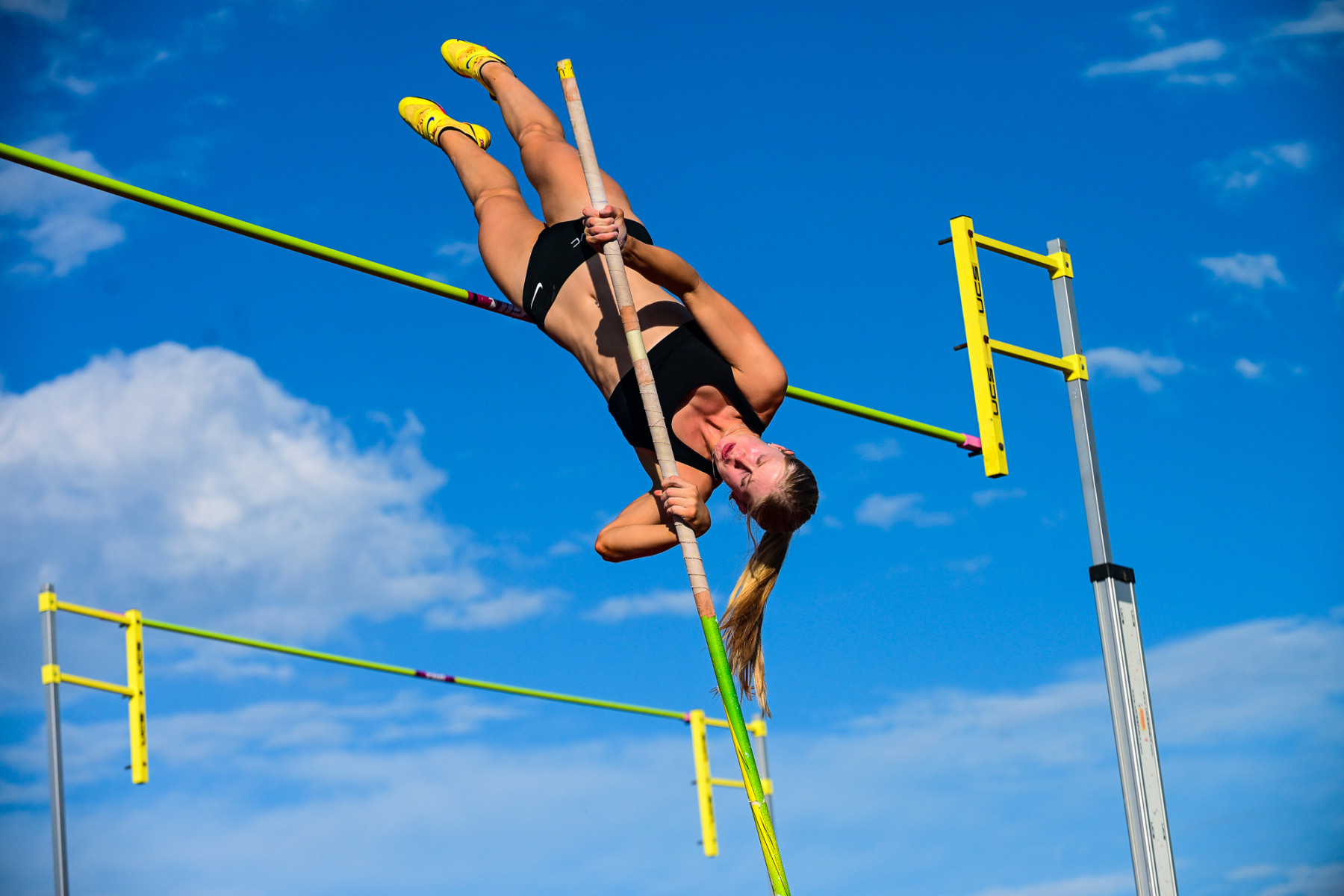
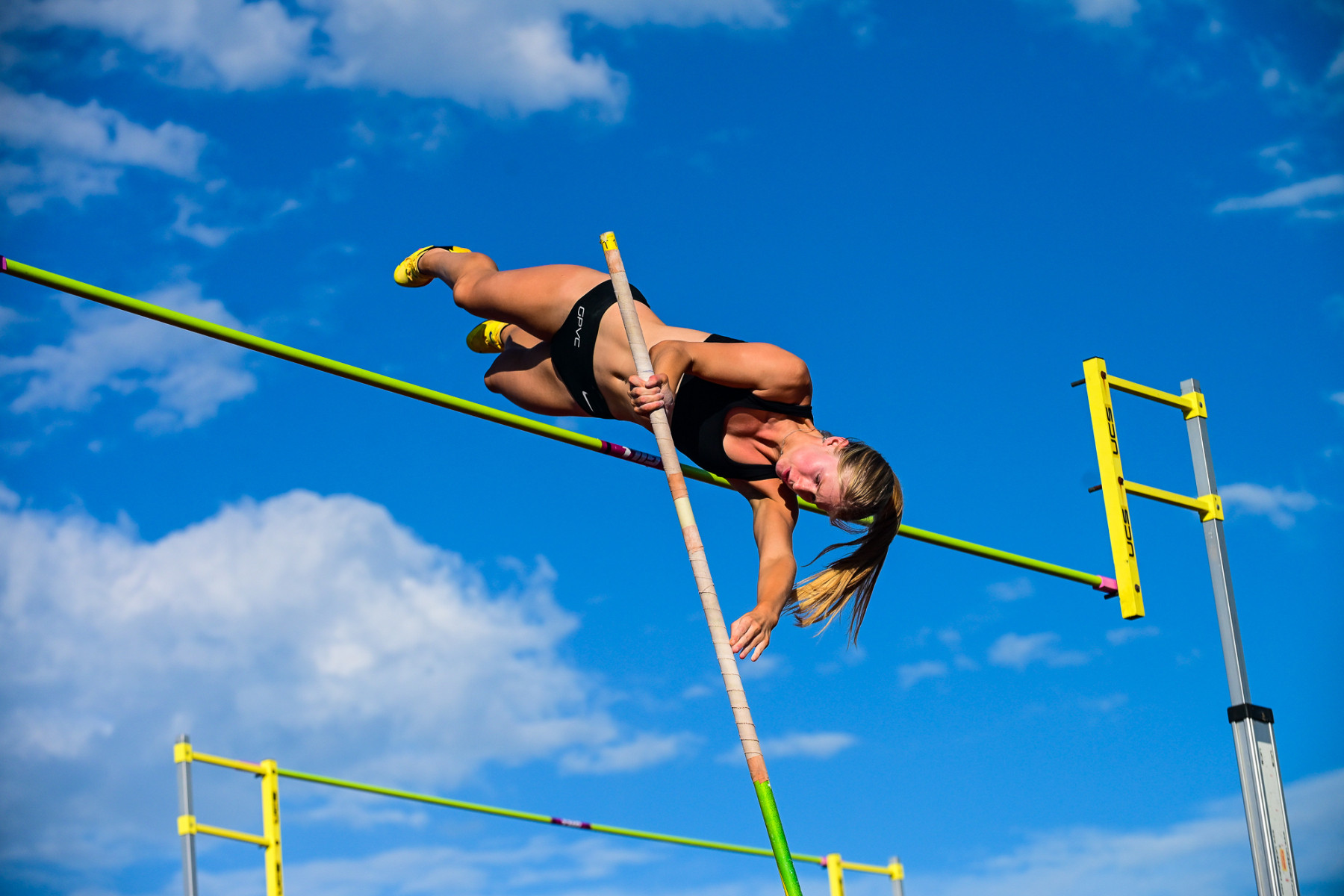
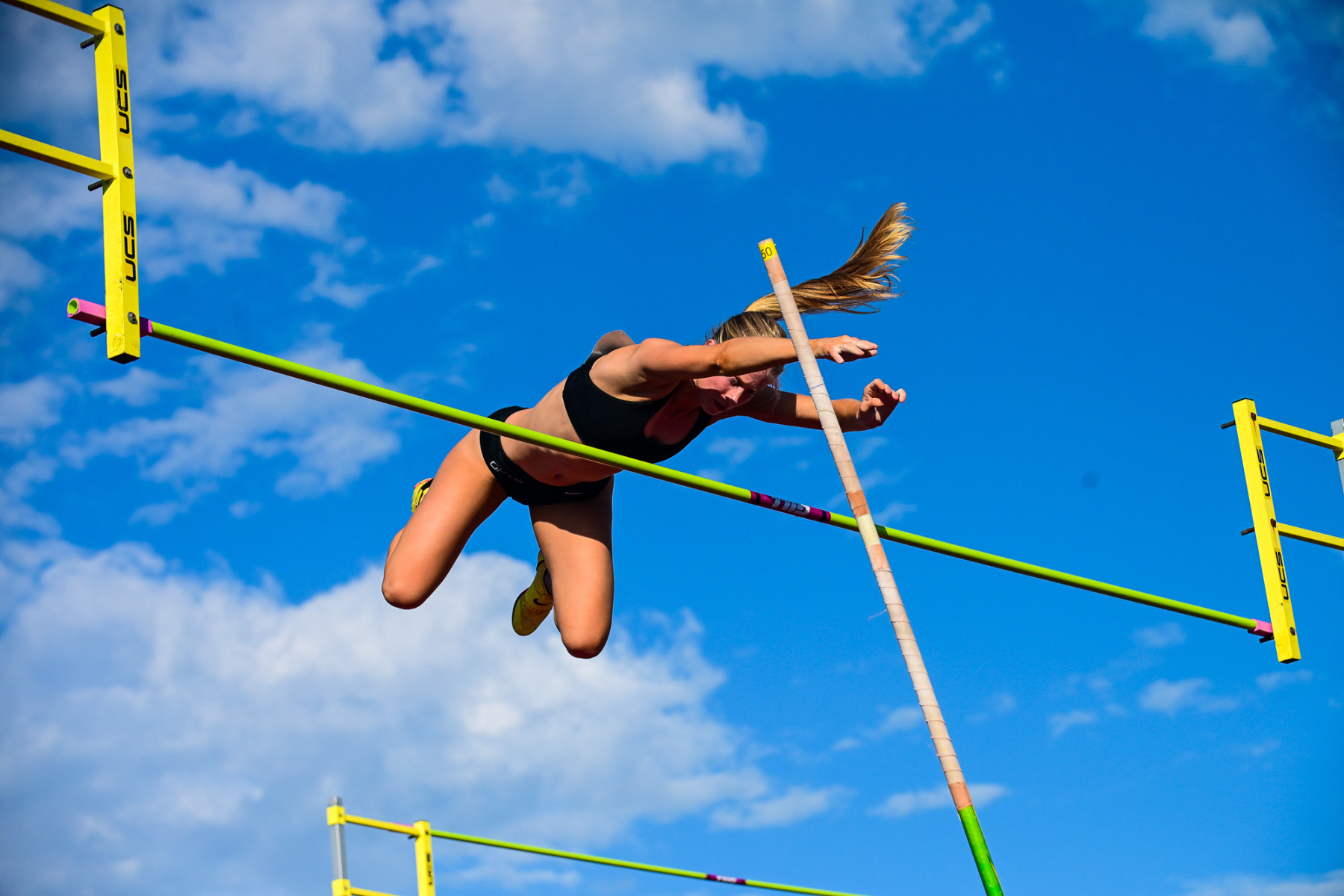
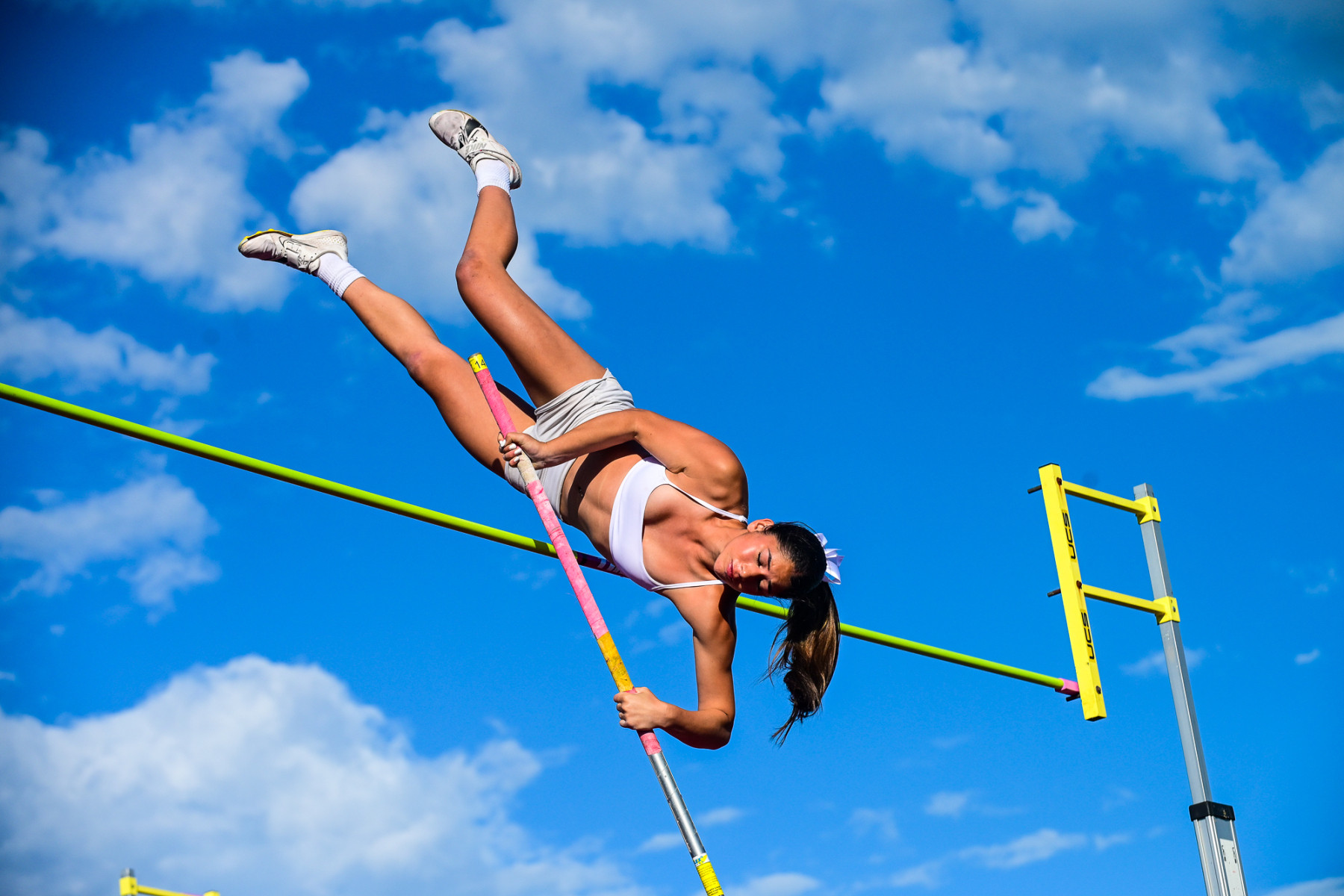
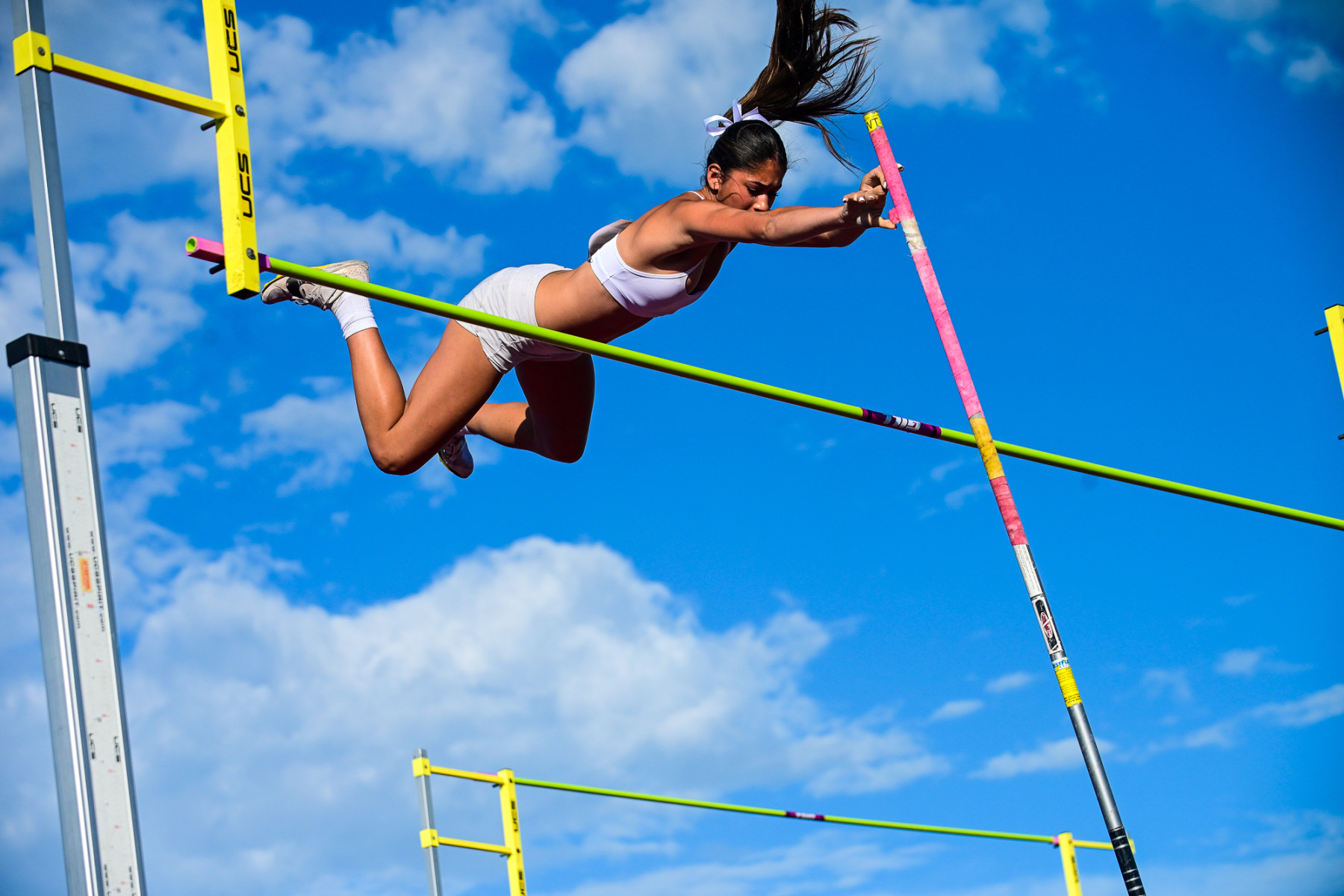
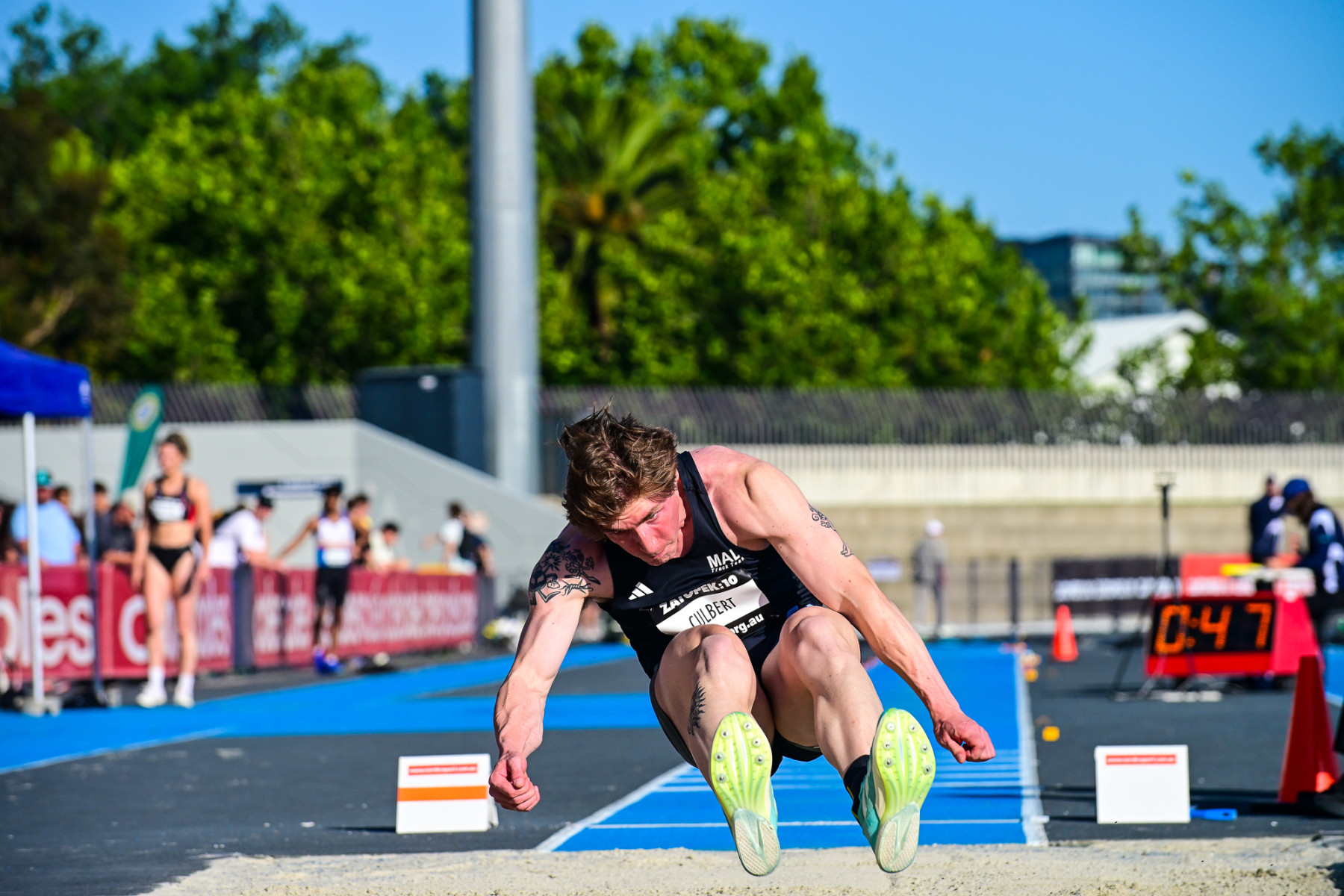
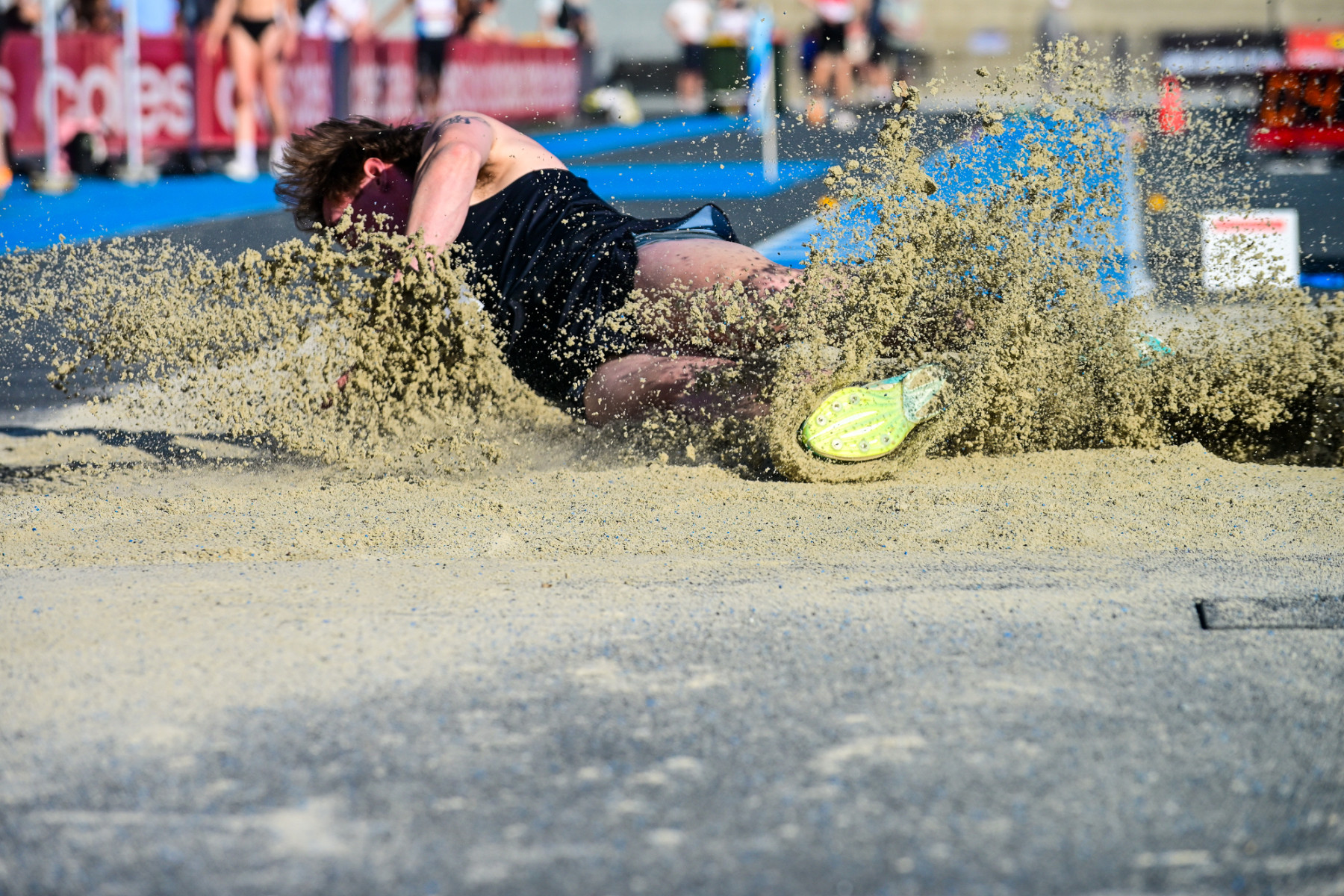
In the field national shot put champions Emma Berg (15.61m) and Aidan Harvey (18.56m) were in action, while Dalton Di Medio (5.25m) and Elyssia Kenshole (4.35m) soared in the pole vault.
But long after the drizzle cleared and the crowd filtered out of Lakeside, it was O’Donnell’s lone figure at the front — grinding through pain, refusing to fold — that lingered most.
At Zatopek, champions are crowned every year. Cult heroes are born far less often.
Photo Gallery
Free downloads using the code you receive when you subscribe to our newsletter. Please tag us @insideaths when sharing our photos on Instagram, so that we can share to our stories.