



When Australia’s athletics team lines up at the 2026 Commonwealth Games in Glasgow, it will do so under a markedly different set of circumstances to recent editions. The setting is more intimate, the team smaller, and the selection criteria sharper than ever.
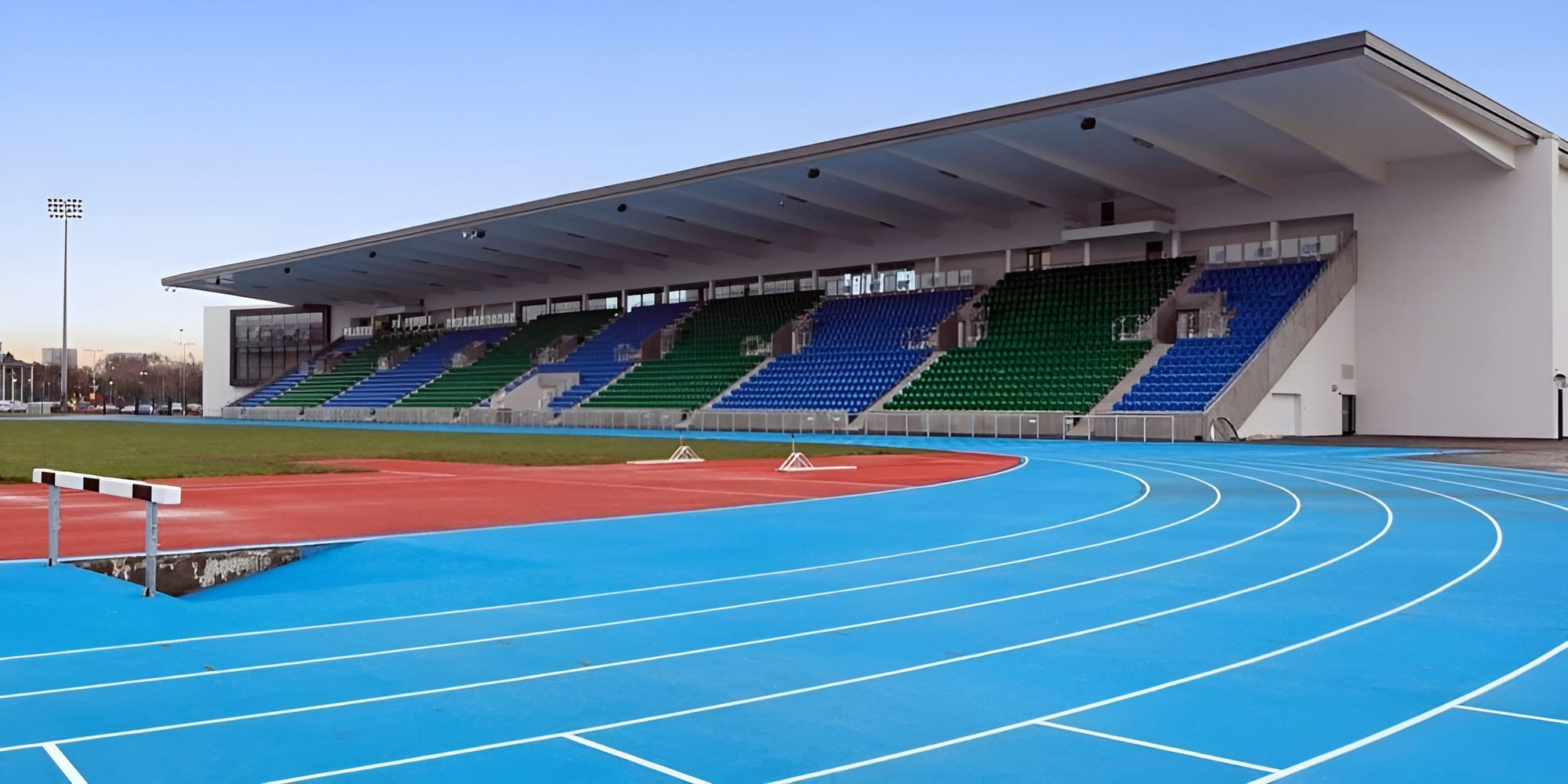
Track and field will be staged at Scotstoun Stadium. Recently refreshed with a new Mondo surface, the stadium nonetheless usually holds just 7,500 spectators and will be expanded with temporary seating to be no larger than 11,000 seats: a far cry from the mega-stadium environments athletes now associate with global championships.

That setting is symbolic of the Commonwealth Games’ evolving place in the sport. While the event retains deep sentimental value for Australian athletics, it now clearly the second most important international meet of 2026 for Australia’s top athletes, with the newly established World Athletics Ultimate Championships commanding greater depth, prize money and global attention for the cream of the crop able to gain a place by being in the top 16 (sprints), 12 (middle distance/distance) or 8 (field) in the World Rankings.
Yet for all that, selection for the green and gold in Glasgow remains fiercely contested, perhaps more so than ever.
A Smaller Team Than Tokyo
Under the published nomination policy, Australian Athletics has been allocated a maximum of 63 able-bodied athletes, a quota imposed by Commonwealth Games Australia as part of its overall team size constraints.
That number represents a significant reduction when set against the 87-athlete team selected for the 2025 World Championships in Tokyo. Even when accounting for events not on the Glasgow program (there is no marathon, and no men’s or women’s 4x400m relays, and only a 10,000m Walk instead of road walks) Australia would still arrive at a like-for-like figure of approximately 69 athletes.
The end result: this will be Australia’s smallest Commonwealth Games athletics team since Delhi 2010, when just 55 athletes were selected.
Adding to the scaled-back feel, Glasgow will operate without an athlete village, with competitors housed in hotels—another reminder that this edition of the Games will look and feel very different from the Commonwealth spectacles of the past.
One Guaranteed Path, Everything Else Discretionary
The selection framework itself is uncompromising. Only one pathway guarantees nomination: winning the Australian Championships and having already achieved the relevant automatic qualifying standard by the end of the meet.
Fail to meet either requirement, and athletes fall into the discretionary pool—regardless of reputation, ranking or past performance.
Selectors are explicit in their priorities. Beyond raw times and distances, they will weigh world rankings within the Commonwealth, consistency across the season, championship performance history, relay value, future Olympic potential, and commitment to the domestic competition calendar, current form and fitness, and any other factor deemed relevant by the committee. The Australian Championships remain central, but they are not sufficient on their own.
Strict Rules on Where Performances Count
Equally important is how and where performances are achieved. Only results recorded at outdoor stadium competitions on 400m tracks, sanctioned by World Athletics, are eligible for automatic qualification.
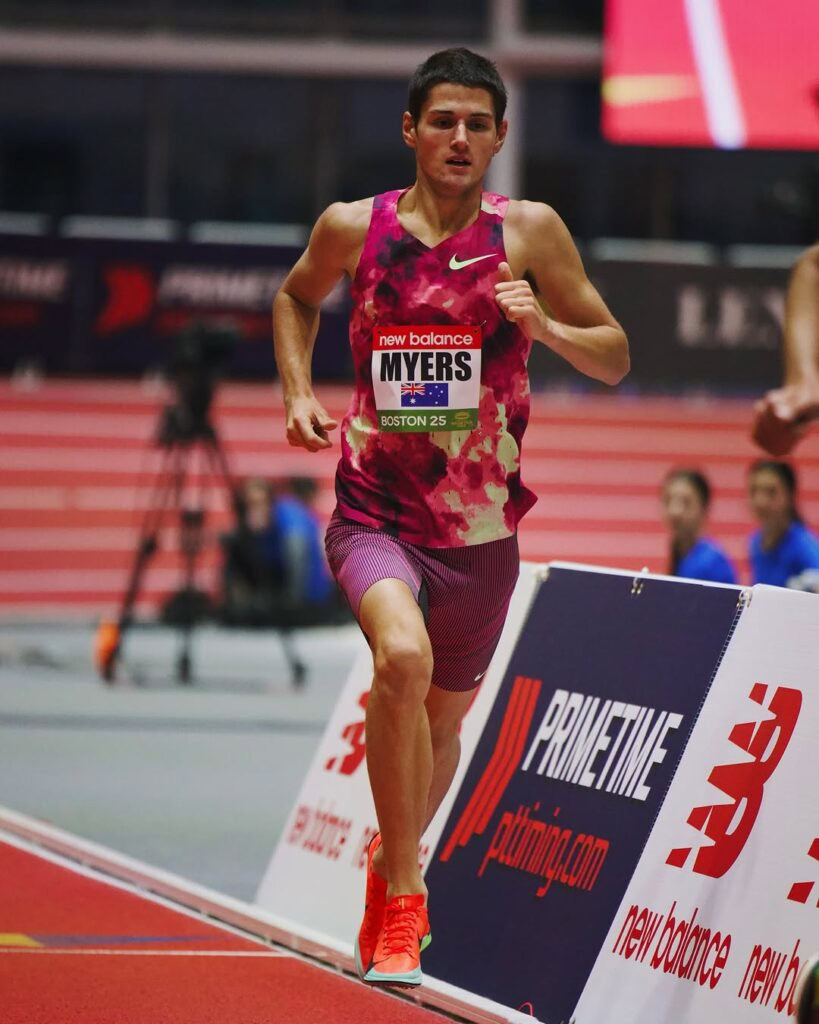
That immediately excludes indoor performances, no matter how fast, along with results achieved in non-stadium settings. It means standout marks recorded on tuned indoor tracks in Boston will not qualify automatically, nor would exceptional performances staged in town squares or temporary arenas (such as Nicola Olyslager’s 2.04m Australian record in the high jump in Zurich’s Sechseläutenplatz).
The policy is deliberate. Automatic qualification is designed to reflect championship-ready performances under conditions that mirror Glasgow itself.
The Hidden Cost of a Compressed Cycle
There is also an unspoken challenge embedded in the calendar for a cohort of Australian athletes, particularly those who sat on the fringe of selection for the Tokyo World Championships and who will need to be at their best to make the Glasgow team.
To remain competitive for Glasgow, some athletes may be required to peak three times within a nine-month window: first for the World Championships last September, through the domestic summer to the April Nationals to secure Commonwealth Games nomination, and then once more in late July for Glasgow itself.
Strong on Paper, Tight in Practice
On paper, Australia’s depth remains impressive. Based on 2025 performances, 47 Australian athletes, across 49 events, were ranked inside the Commonwealth top 8 on a 3-per-nation basis using World Rankings: a benchmark for selection in World Championships or Olympic Games, and in our opinion, the best overall measure to assess consistent high-quality results likely for a realistic medal or finalist potential.
However, for Commonwealth Games selection, these World Rankings aren’t relevant. Top List performances are, meaning that the World Athletics ranking category of a meet are relatively unimportant (cue some likely middle distance time trials outside major domestic season meets). The selection criteria includes this criteria that should be considered by the selectors:
Commonwealth Rankings (using the World Athletics Top Lists Commonwealth
Athletes only within the full qualification period) – prioritising a higher-ranking
position and closer performance level to medals (noting that World Athletics Top
Lists do not separate the nations from Great Britain)
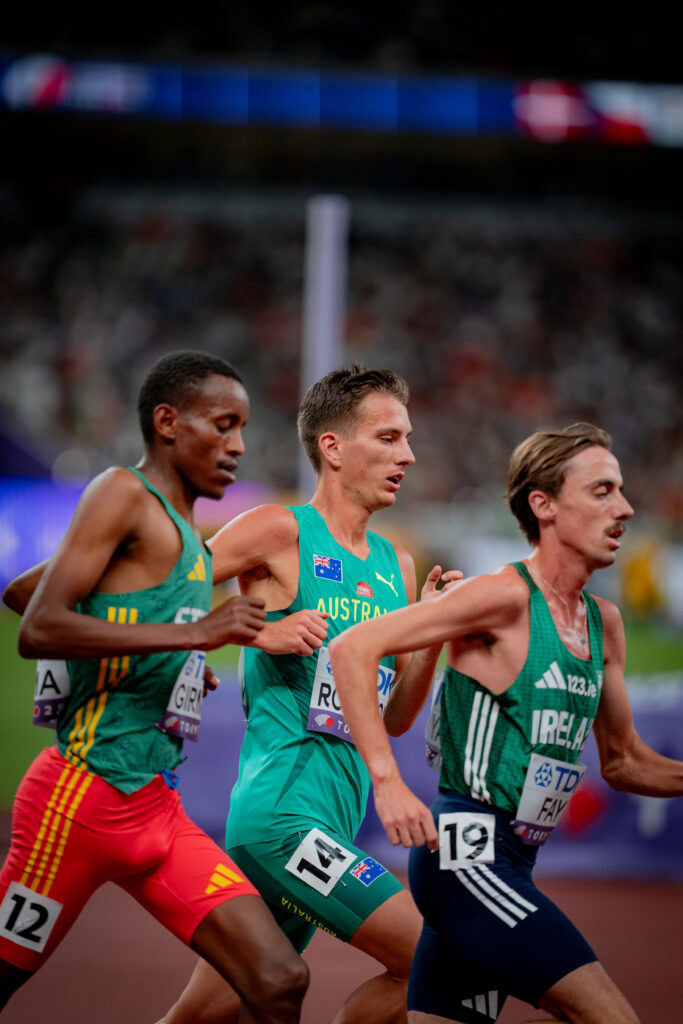
However, that depth quickly collides with the hard reality of a 63-athlete cap. Selection is no longer a simple reflection of who is internationally competitive; it is an exercise in prioritisation. Event-by-event depth, relay ambitions, and long-term planning for Los Angeles 2028 and Brisbane 2032 all factor into the final equation.
Being top-8 calibre is no longer a guarantee of selection. It is merely the entry point into a far more complex discussion, and it would also be expected that in some strong Commonwealth events, athletes who won’t make finals will still get selected.
📊 Commonwealth Top-8 Snapshot (2025) – Based on World Athletics Rankings
- 47 Australian athletes
- 49 events represented
- These rankings calculated on World Athletics event World Rankings with a maximum of three athletes per nation
- Benchmark aligns with Australian Athletics’ stated aim of selecting athletes with
realistic potential to win a medal or finish in the top eight. However, single Top List performances will be more relevant in 2026 than ranking performances (usually based on an average of 5 performances, with higher points available for more important competitions). - Does not account for team quota limits, relay prioritisation, or discretionary trade-offs
| Rank | Event | Athlete |
| 1 | High Jump | Nicola Olyslagers |
| 1 | 5000m | Ky Robinson |
| 1 | Pole Vault | Kurtis Marschall |
| 1 | Long Jump | Liam Adcock |
| 1 | Discus | Matt Denny |
| 1 | 10000m Walk | Elizabeth McMillen |
| 1 | 10000m Walk | Isaac Beacroft |
| 2 | 1500m | Jess Hull |
| 2 | High Jump | Eleanor Patterson |
| 2 | Javelin | Mackenzie Little |
| 2 | 10000m Walk | Rebecca Henderson |
| 2 | 10000m Walk | Declan Tingay |
| 3 | High Jump | Yual Reath |
| 3 | 10000m Walk | Jemima Montag |
| 4 | 1500m | Linden Hall |
| 4 | Heptathlon | Camryn Newtown-Smith |
| 4 | 1500m | Cameron Myers |
| 4 | Pole Vault | Ben Conacher |
| 4 | 10000m Walk | Kyle Swan |
| 5 | 10000m | Lauren Ryan |
| 5 | Triple Jump | Desleigh Owusu |
| 5 | Discus | Taryn Gollshewsky |
| 5 | Hammer | Stephanie Ratcliffe |
| 5 | Javelin | Lianna Davidson |
| 5 | Heptathlon | Tori West |
| 5 | Pole Vault | Dalton Di Medio |
| 5 | Long Jump | Christopher Mitrevski |
| 5 | Triple Jump | Connor Murphy |
| 5 | Decathlon | Benjamin Guse |
| 6 | 5000m | Linden Hall |
| 6 | 400m H | Sarah Carli |
| 6 | 3000m St | Cara Feain-Ryan |
| 6 | Decathlon | Daniel Golubovic |
| 7 | 200m | Torrie Lewis |
| 7 | 800m | Jess Hull |
| 7 | 5000m | Rose Davies |
| 7 | 200m | Gout Gout |
| 7 | 800m | Peter Bol |
| 7 | 3000m St | Matthew Clarke |
| 7 | High Jump | Roman Anastasios |
| 7 | Decathlon | Colby Eddowes |
| 8 | 1500m | Georgia Griffith |
| 8 | High Jump | Emily Whelan |
| 8 | Hammer | Lara Roberts |
| 8 | Heptathlon | Emelia Surch |
| 8 | 1500m | Jude Thomas |
| 8 | 5000m | Seth O’Donnell |
| 8 | High Jump | Brandon Starc |
| 8 | Triple Jump | Shemaiah James |
Standards Set Beyond Domestic History
Perhaps the most striking element of the 2026 criteria is just how demanding some of the automatic qualifying standards are when viewed through a domestic lens. Event Men Women 100m 10.00 11.07 200m 20.16 22.57 400m 44.85 50.75 800m 1:44.50 1:58.50 1500m 3:33.00 4:01.50 5000m 13:01.00 14:55.00 10000m 27:10.00 31:20.00 110m H 13.40 12.73 400m H 48.80 55.00 3000m St 8:18.00 9:24.00 Long Jump 8.20m 6.70m Triple Jump 16.90m 14.00m High Jump 2.30m 1.95m Pole Vault 5.65m 4.60m Shot Put 20.75m 18.00m Discus 67.50m 62.00m Javelin 84.00m 62.00m Hammer 73.00m 70.00m Decathlon 8400p 6200p 10000m Walk 38:50.00 43:50.00
4x100m and mixed-4x400m relay teams will be automatically selected if they place in the top 4 Commonwealth nations at the World Relays Championships in May.
In eight events, the standard required for automatic nomination is better than the best performance ever recorded by an Australian on Australian soil.
Those events are:
- Men: 1500m, 10,000m, 400m hurdles, 3000m steeplechase
- Women: 100m, 5000m, 10,000m, 3000m steeplechase
It is a clear statement of intent. Automatic selection is no longer about national supremacy alone, it is about proven international competitiveness, often requiring athletes to deliver performances at levels rarely seen domestically.
It will be no surprise that the vast majority of selections will be discretionary.
The Road to Glasgow
All of this unfolds against a packed 2025–26 domestic season, with selection pressure building from late January through April. Initial selections occur post Nationals, and final selections in the first week in June.
The Chemist Warehouse Summer Series, anchored by Perth, Hobart (with the cancellation of the Sydney Track Classic), Adelaide and Melbourne meets, forms the backbone of the campaign in the lead up to Nationals.
By the time the team is named, selectors will not simply be choosing who ran fastest, jumped higher/longer or threw further. They will be choosing who has survived the calendar, handled the pressure, and demonstrated they can deliver when it matters most.
Glasgow 2026 may be smaller, quieter and less central to the global athletics hierarchy. But earning a place on that team may be harder than ever.
2026 Australian Domestic Season – Major Meets

ACT Championships
24-26 January 2026, AIS
A traditional launching pad for the season, particularly for sprinters and jumpers. >> More detail

Australian Short Track Championships
7 February 2026, Melbourne
The second ever hosting of the ‘short track’ championships – the only indoor championships held outdoors. >> More detail

Perth Track Classic
14 February 2026, Perth
The Mondo track in Perth is a favourite amongst athletes, as demonstrated with top performances in the west in recent years. >> More detail

Hobart Track Classic
28 February 2026, Hobart
The Domain Athletics Centre gets its first national meet since 2016 due to resurfacing problems at Sydney Olympic Park Athletic Centre. >> More detail

Adelaide Invitational
14 March 2026, Adelaide
A regular feature on the domestic calendar now since 2022.

Maurie Plant Meet Melbourne
28 March 2026, Melbourne
The relaunched Melbourne Track Classic has delivered exciting action as Australia’s top one-day meet since 2023. >> More detail

Australian Championships
9-12 April 2026, Sydney
The newly resurfaced SOPAC track will host the 103rd edition of the Australian Championships, becoming the most used current track for the championships (it’s 13th occasion). >> More detail