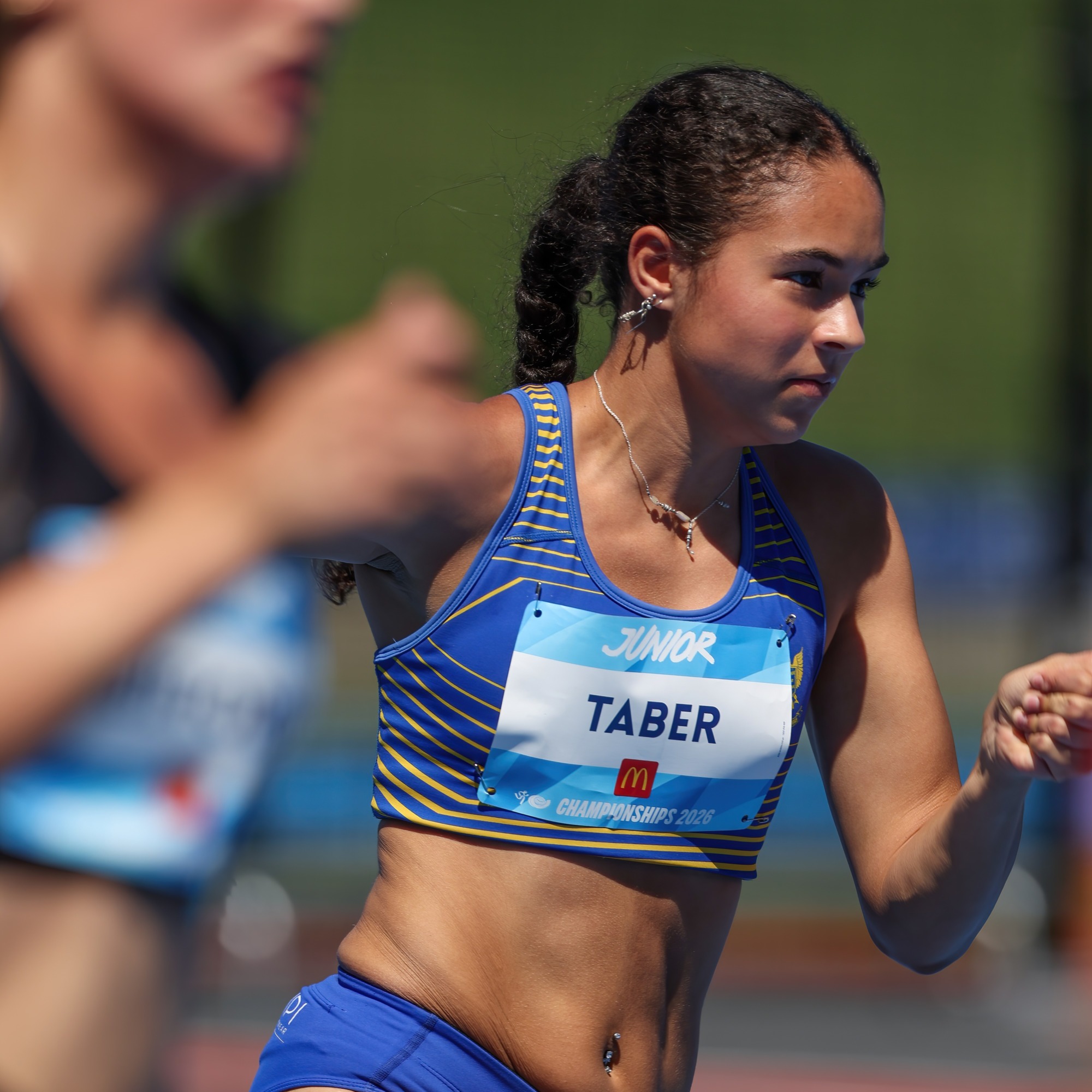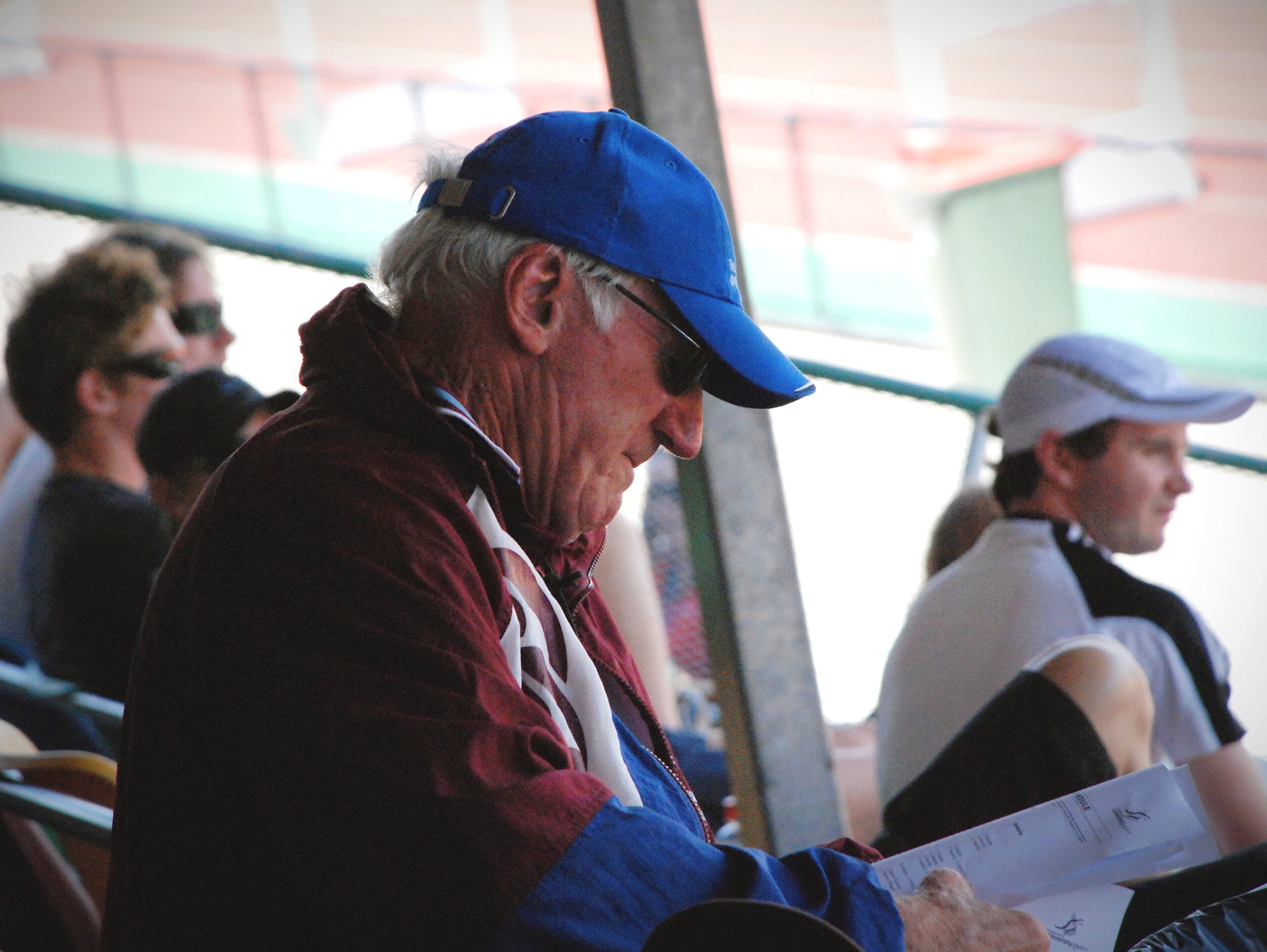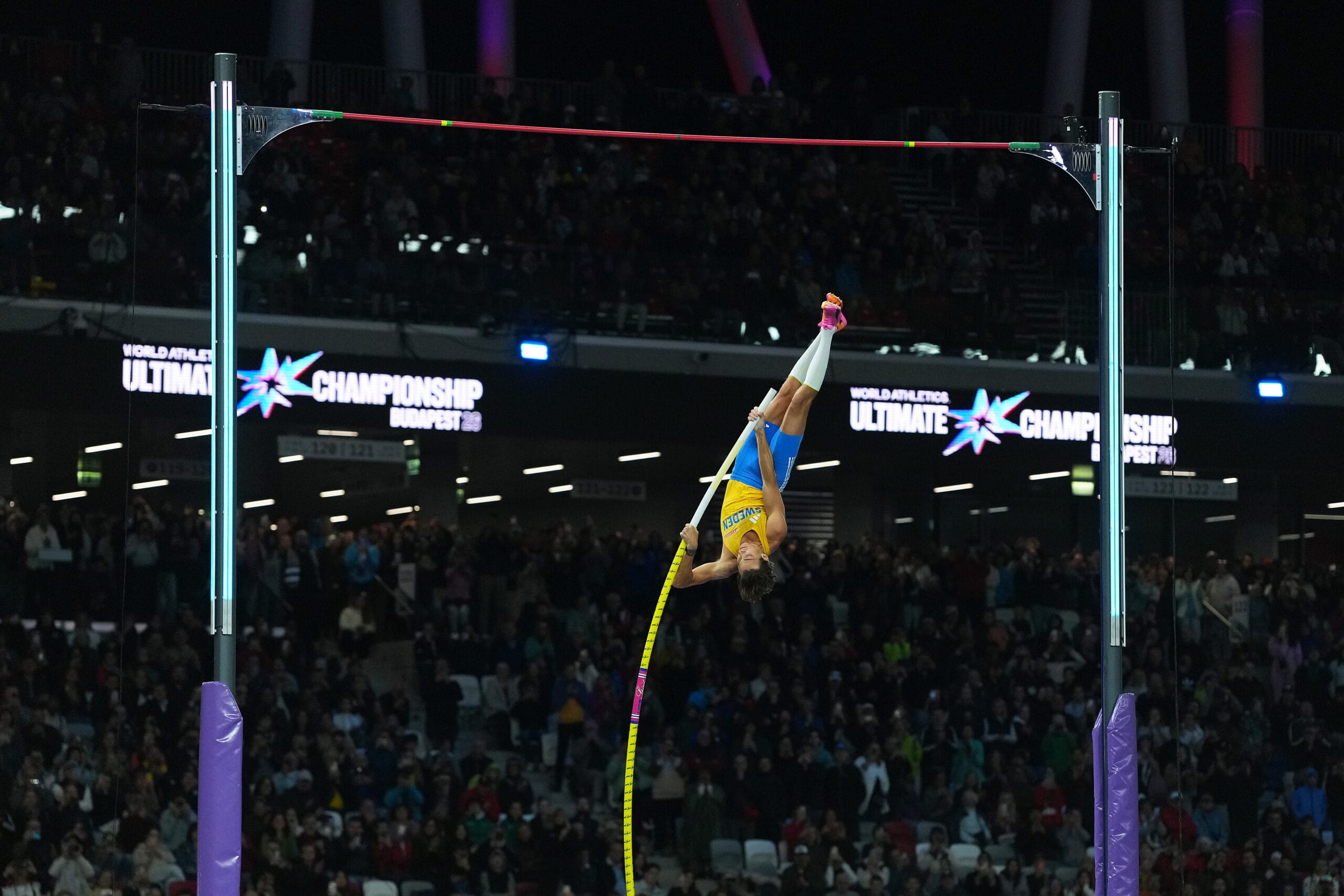

It was 61 years, 5 months and 16 days in the making.
That’s the span between the two most significant dates in the history of Little Athletics in Australia: one marking its birth, the other signaling something far bigger – alignment, recognition, and a long-awaited coming together of the sport.
The first date, 3 October 1964, is now part of Australian sporting folklore.
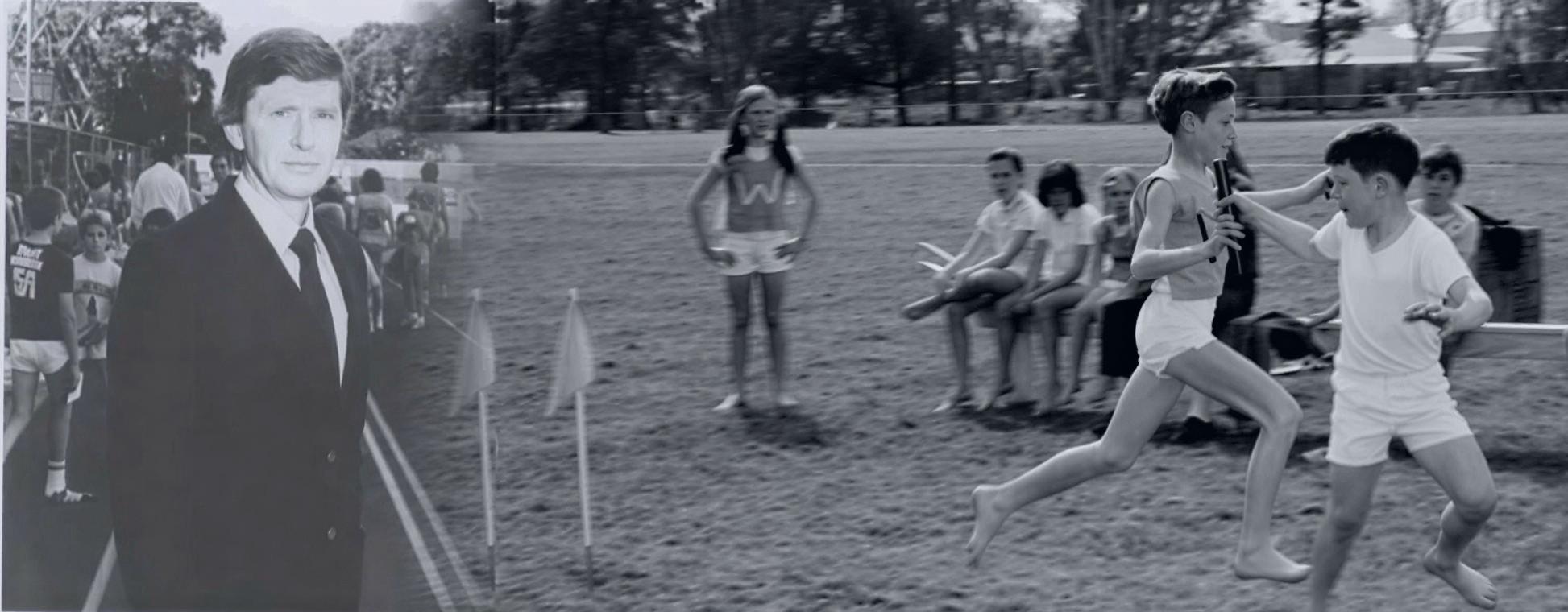
On that day at Landy Field in Geelong, Trevor Billingham did something simple but profound. As Secretary of the Geelong Region of the Victorian Amateur Athletics Association (now Athletics Victoria), Billingham had grown increasingly frustrated. Children were turning up to compete, only to be turned away because they didn’t meet the rigid minimum age requirements of the time.
So he made a call.
If the system wouldn’t accommodate them, he would.
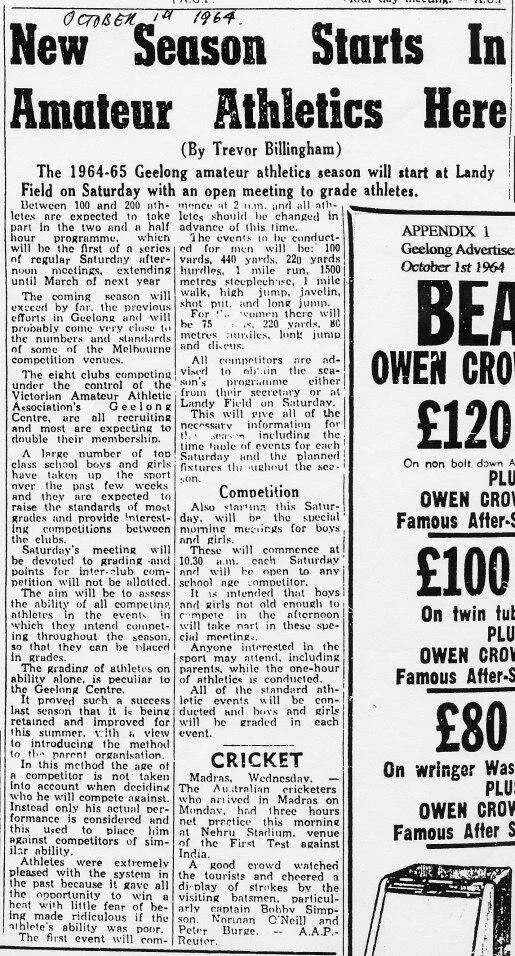
Also starting this Saturday will be the special morning meetings for boys and girls.
These will commence at 10.30 a.m. each Saturday and will be open to any school age competitor.
It is intended that boys and girls not old enough to compete in the afternoon will take part in these special messings.
Anyone interested in the sport may attend, including parents, while the one-hour of athletics is conducted.
All of the standard athletics events will be conducted and boys and girls will be graded in each event.
What followed wasn’t a pilot, a strategy, or a funded initiative. It was instinct. A belief that the sport could, and should, be more accessible. Billingham offered children their own competition, built around participation rather than exclusion.
From that moment, Little Athletics was born.
And it didn’t just grow. It spread.
With something close to evangelical energy, the model took hold. First across Victoria, then into Western Australia, New South Wales, and beyond. In each state, progressive leaders within athletics recognised the same gap, and the same opportunity. They picked it up, adapted it, and drove it forward.
What emerged wasn’t just a program. It was a movement.
But as it grew, so too did the distance between Little Athletics and the traditional structures of the sport. The established regime, slow to adapt and protective of its own systems, largely failed to recognise what was happening in real time.
Little Athletics didn’t wait.
It became self-sustaining. Community-driven. Deeply embedded in local centres and families. A distinct culture formed: one that locally prioritised participation, development, and belonging.
That culture became its strength.
It also became its separation.
For decades, the two arms of the sport — junior participation, and adult participation and an elite pathway — existed largely in parallel rather than in partnership. Each successful in its own way, but never fully aligned. Sometimes in conflict. The opportunity that Billingham had unlocked in 1964 had, in many respects, outgrown the system it originally sat beside.
And so the gap remained. A sport less than the sum of its parts.
Until the past decade, culminating now.
Because 61 years, 5 months and 16 days later, on 19 March 2026, the significance of that first decision at Landy Field has come full circle with the signing of final contracts between Little Athletics Australia and Australian Athletics to unify the sport.
What began as a workaround has become the foundation.
What was once separate is now being brought together.
And perhaps most importantly, what was once seen as “different” is now understood – unanimously by states organisations from two historically separate traditions – as essential.

Briefly, the structure is that Little Athletics state bodies are now associate members of Australian Athletics, which is now the custodian of Little Athletics as part of its overall custodianship of the sport. Little Athletics Australia will cease operating and its assets will be transferred into a Trust to be reinvested into the growth of Little Athletics. (There’s more detailed FAQs available for those interested)
This is more than a structural shift. It’s a recognition now enshrined in structure — long overdue — of what Little Athletics has always been: the heartbeat of the sport in Australia.
Billingham couldn’t have known what he was starting that October morning in Geelong.
But he knew enough to act.
And sometimes, that’s all it takes to change everything.
Those who have led the sport to this point — across generations, across states, across countless roles — have all played a part.

But history often turns on moments.
And those who had the clarity and courage to act when the environment, the people, and the timing finally aligned — that’s where this chapter was written.
Because this changes what’s possible.
Little Athletics now sits within a national system that can elevate, support and extend it in ways it could never achieve alone.
And equally, Australian Athletics now can lead and support the very foundation of the sport — its scale, its community, its future — that it could never fully realise without Little Athletics.
For the first time, the sport is not operating in parallel.
It is operating as one.
And after 61 years, 5 months and 16 days, that might be the most important result of all.