
The women’s 200m final at Scotstoun delivered a Games record, a gold medal, and a silence that said more than any of it.
When Adaejah Hodge crossed the line in 22.07 on Friday night, the usual choreography of a championship final didn’t follow. No congratulatory hugs. No lap-of-honour camaraderie. The seven women behind her simply got on with their own business, and the gold medallist from the British Virgin Islands celebrated largely alone.
Nobody watching trackside needed it explained. Torrie Lewis certainly wasn’t going to explain it, because she’d been told not to.
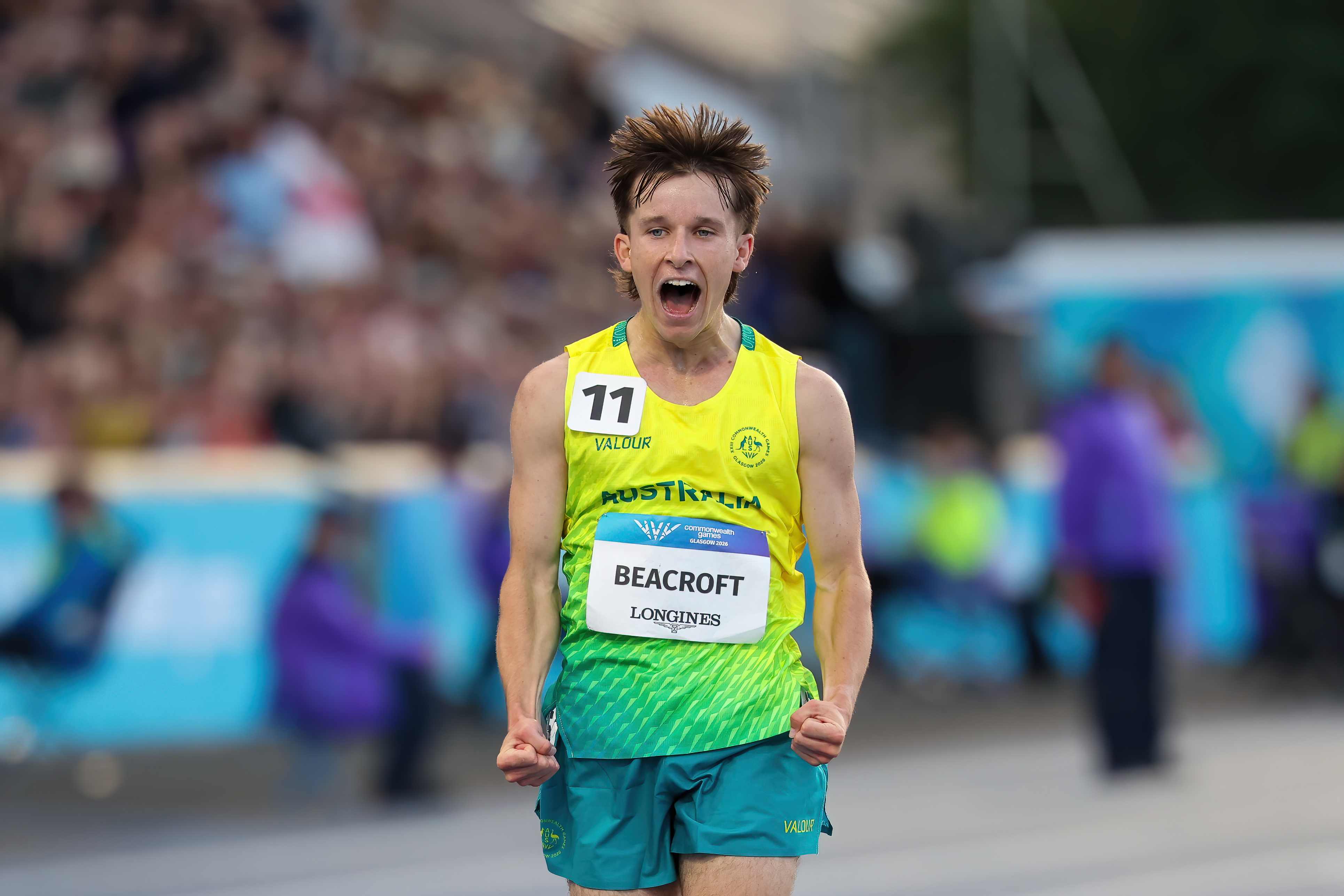
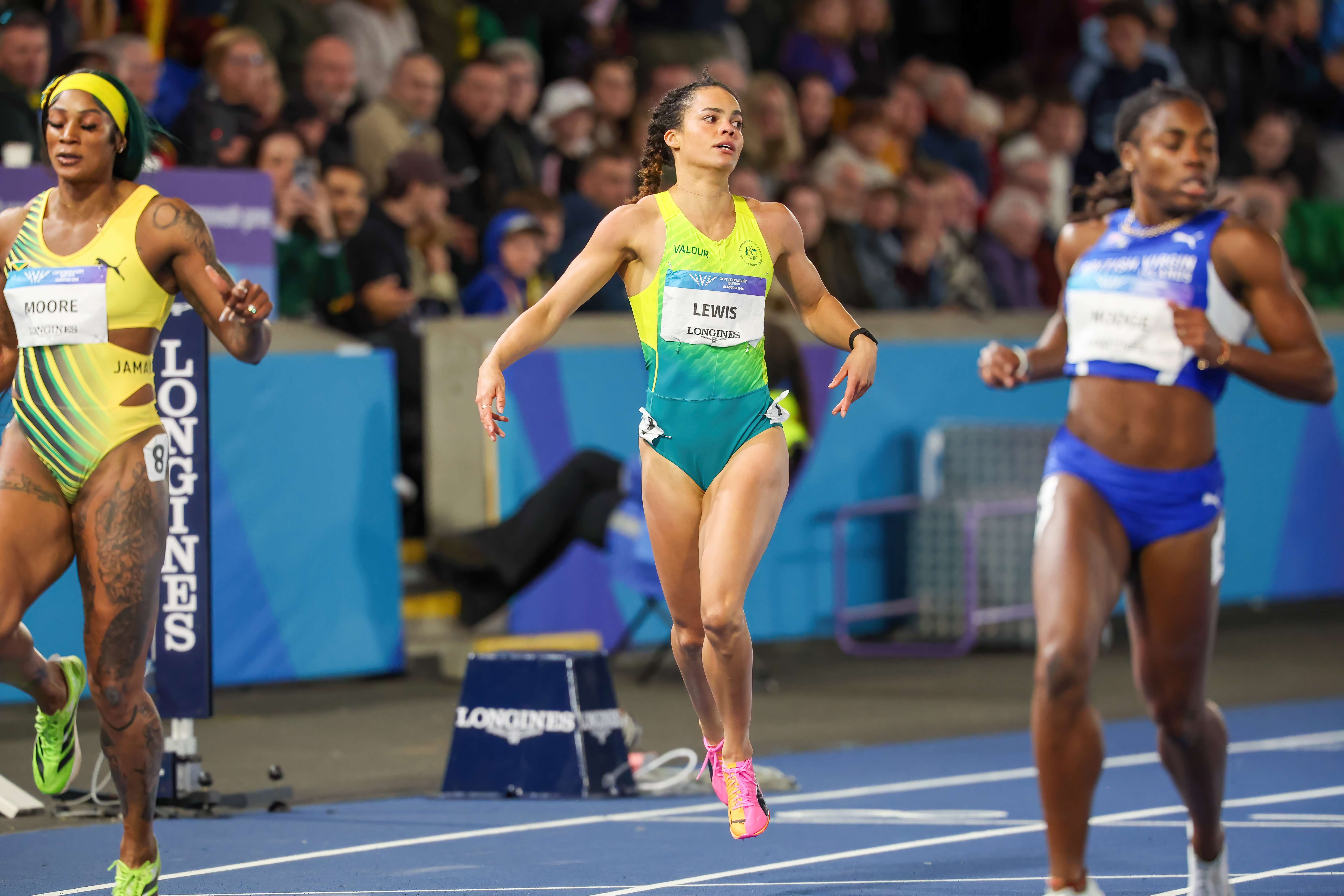
The Australian, sixth in the final in 22.88 after her breakthrough 100m bronze earlier in the week, made it clear in the mixed zone exactly how much she was permitted to say. And how much she wasn’t.
“Let’s just say I’m not surprised no-one shook her hand and I’m not supposed to say any more than that,” Lewis said in the mixed zone.
“I’ve been told not to say anything. I would love to say some words, but I’m not allowed to.
“I think everyone knows what I would like to say, but just fill in the blank yourself.”
The blank isn’t hard to fill.
Lima, 2024
Rewind two years to the World Under-20 Championships in Peru. Hodge won the 200m there too, ahead of Lewis. Months later, it emerged that Hodge’s sample from that meet had returned a positive test for GW1516, a metabolic modulator better known as Cardarine, a substance with no approved human use and a permanent place on the banned list.
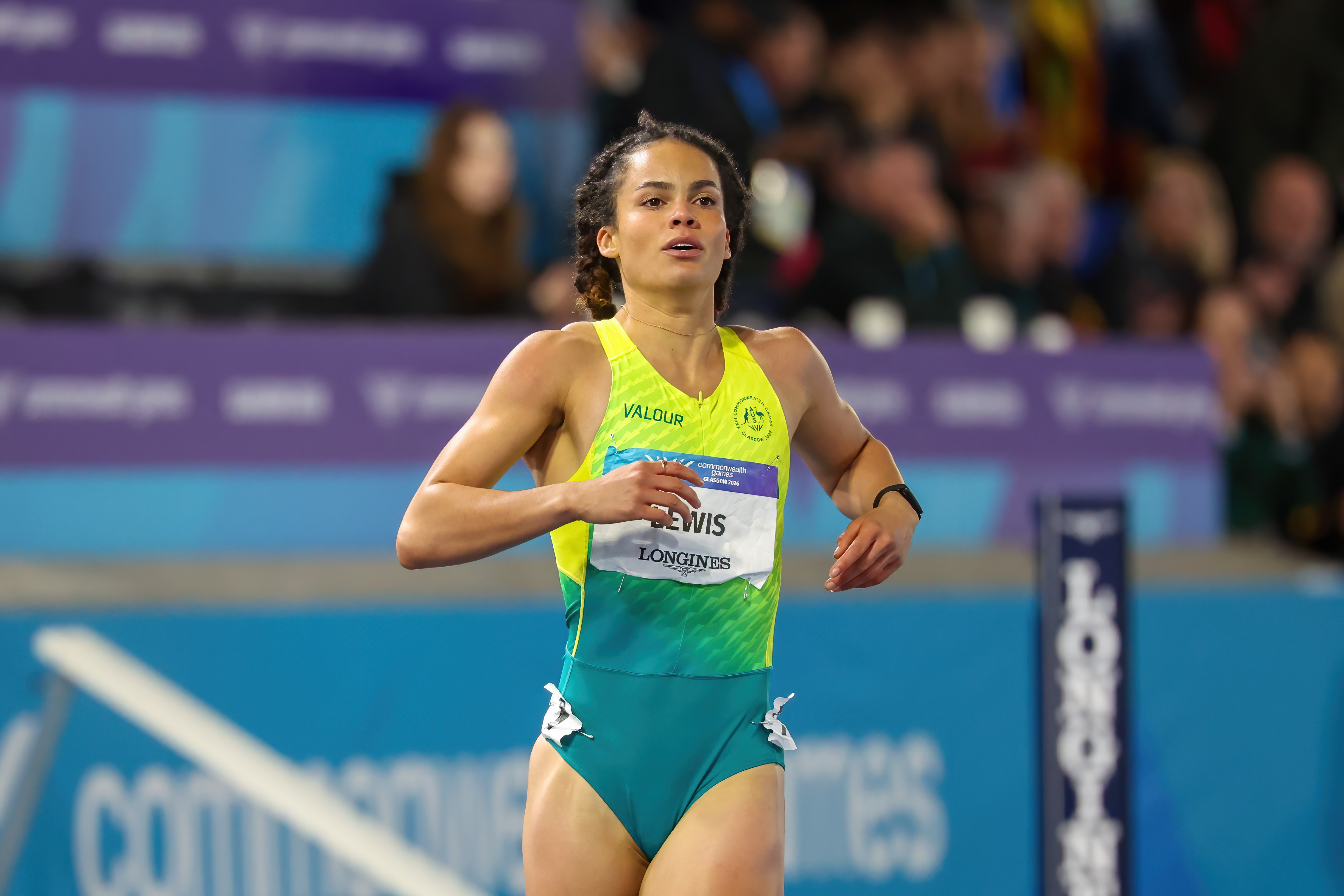
Lewis was elevated to gold when the sanction landed in March 2025, and didn’t hide her feelings at the time, describing herself as the first clean runner across the line.
The Athletics Integrity Unit accepted, on the balance of probabilities, that Hodge’s ingestion was accidental. She was notified in November 2024, provided an explanation, and — critically — offered what the AIU deemed substantial assistance to its investigation. That cooperation bought her a seven-month discount on what would otherwise have been a two-year ban running to late August 2026, and ineligible to run in Glasgow.
The reduction is the only reason she was on the startline at all — and she left it with a Games record in the semi and the gold medal that followed.
The system worked?
None of this was a failure of process. The testing caught the substance. The investigation ran its course. The rules on substantial assistance exist for good reason: the anti-doping system depends on information, and information has to be worth something. Every box was ticked.
But the athletes who lined up against Hodge on Friday night are the ones left to absorb what the process produced: a rival back inside the window her original ban would have covered, sprinting for a Commonwealth title. And the only protest available to them was the one they made: the absence of a handshake, delivered in silence because at least one of them had been formally told to stay quiet.
Hodge, for her part, fronted the questions when put to her
“I’ve put all that behind me. I just wanted to move forward and work extra hard to show I didn’t need it. I never will need it.”
Adaejah Hodge on her doping ban
“I just knew I had to put in extra work to prove to the people, the haters, that I’m Adaejah Hodge.”
It was a composed performance from a young athlete who knew exactly what the spotlight would be.
Where this leaves Lewis
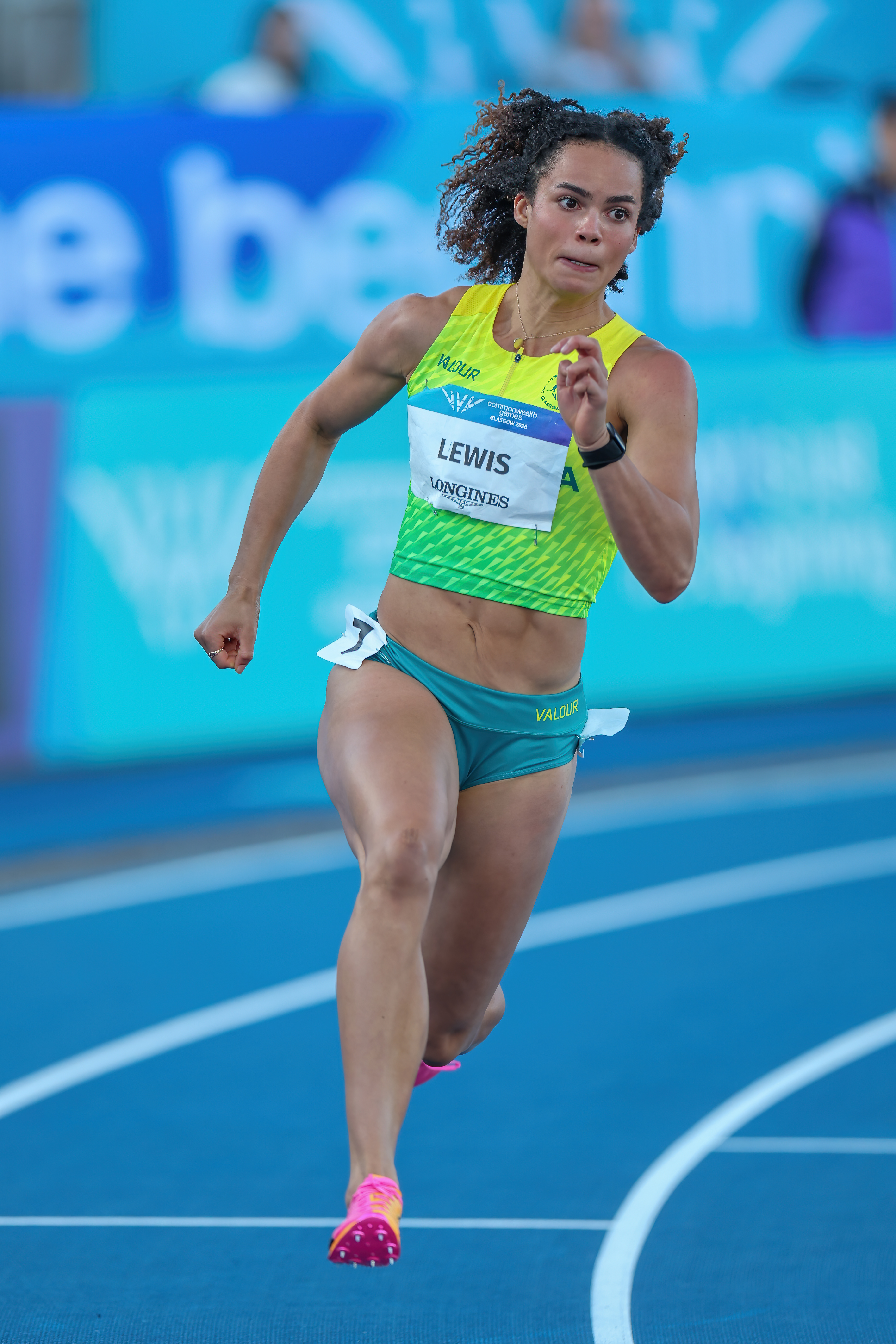
Lost in the theatre is that Lewis’s Glasgow was a genuine success. A 100m bronze nobody had pencilled in, national records of 11.00 and 10.99, a semifinal win in the 200m, and a sixth in a final won in Games-record territory. And still a 4x100m relay to go. Regardless of the result there, at 21, she leaves Scotstoun as one of the main faces of an Australian athletics that is on the rise.
And lest anyone mistake the post-race freeze for general frostiness, Lewis was warm about everyone else on the startline: “This is my first time meeting some of the girls, but they all seem really nice.”
The chill, in other words, had a single destination.
The handshake she withheld might be the most honest commentary anyone offered all night.
Kennedy 6th in men’s 200m
Lachlan Kennedy also finished sixth in his 200m, concluding his individual campaign before 4x100m duties commence on the final day of the meet.
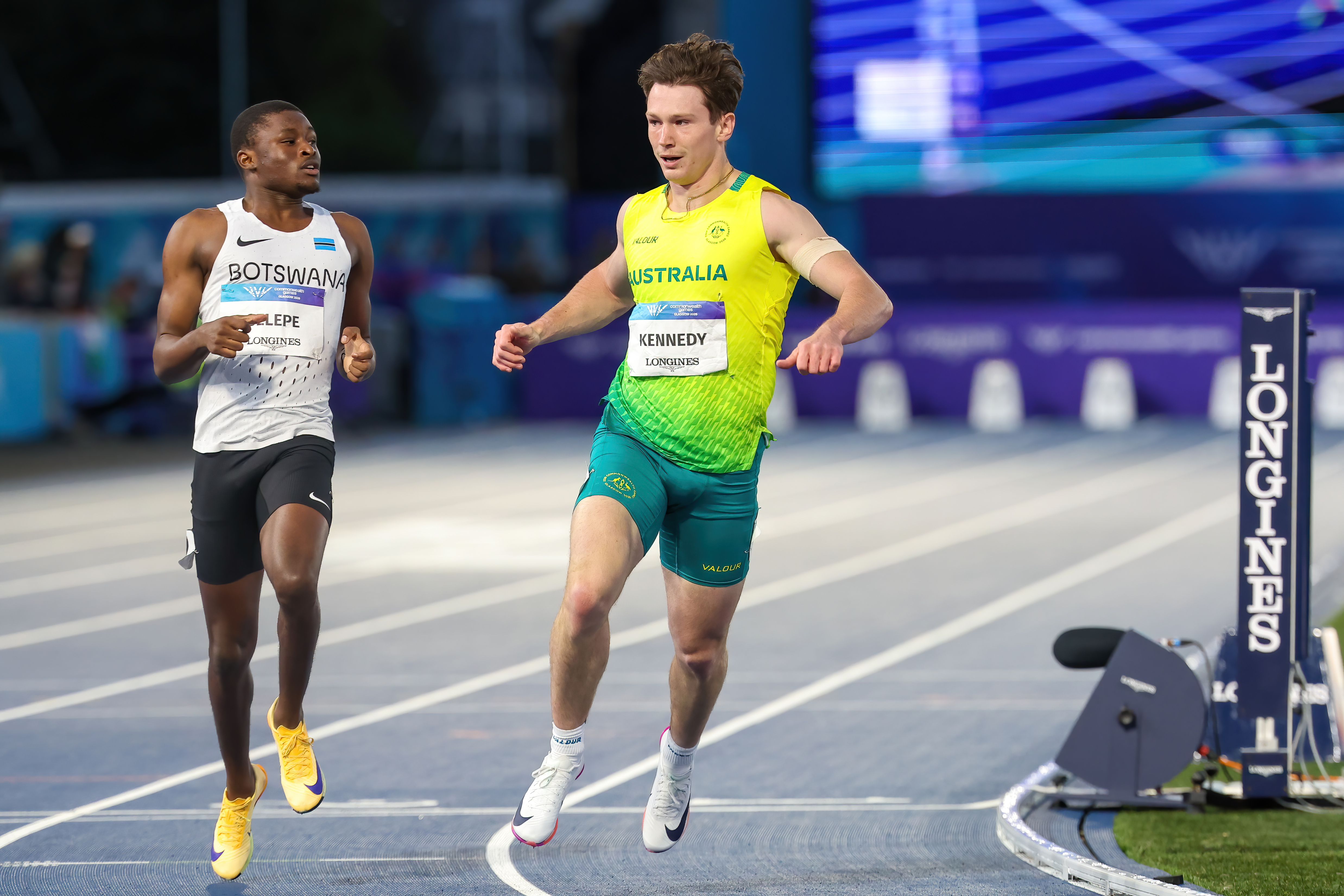
Running from lane one, Kennedy and the rest of the field entered the straight equal, but superior experience speed endurance saw others run away from him as he stopped the clock at 20.41 (+1.7). South Africa’s Sinesipho Dambile took gold in 19.96, with the minor medals won in 20.09 and 20.11.