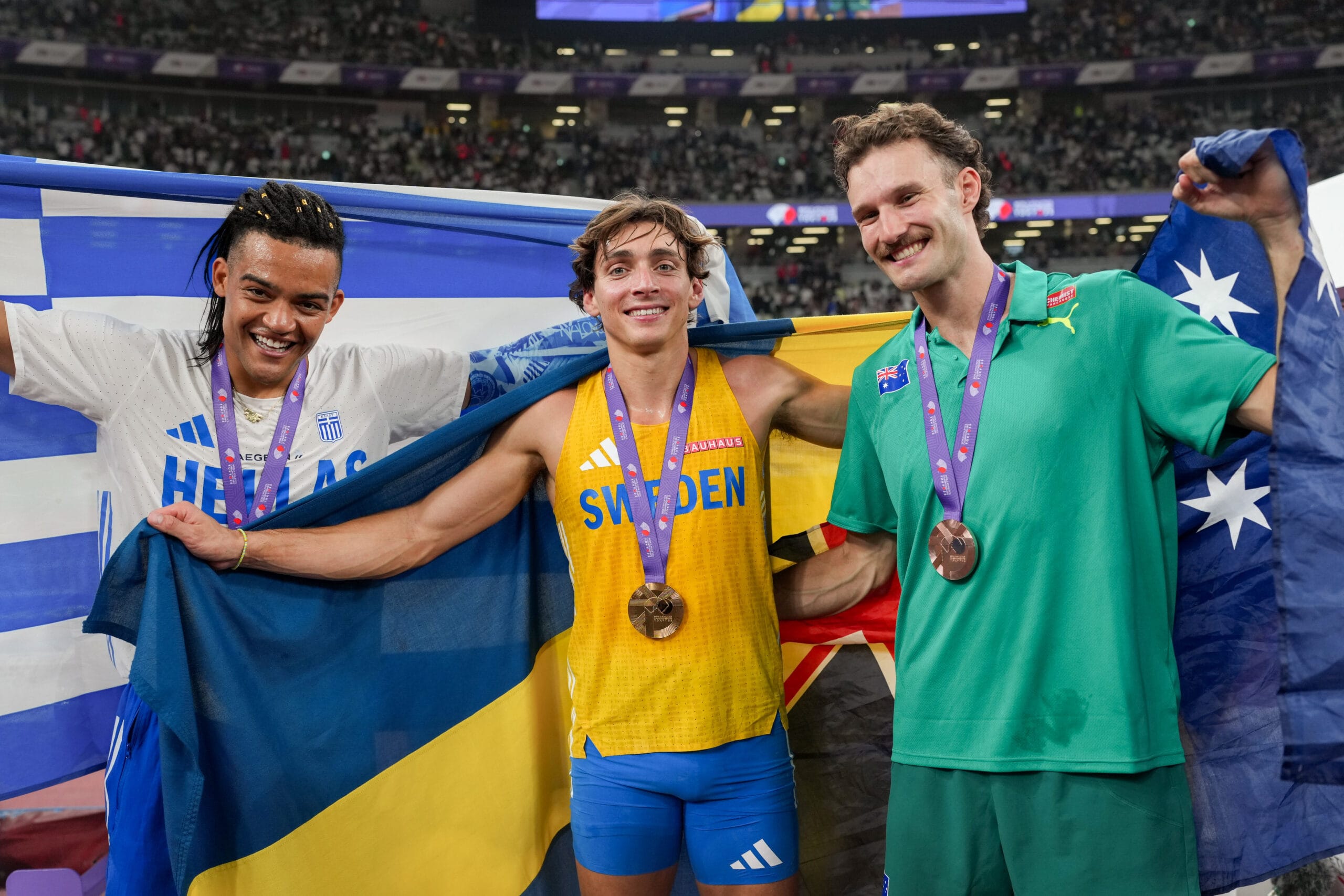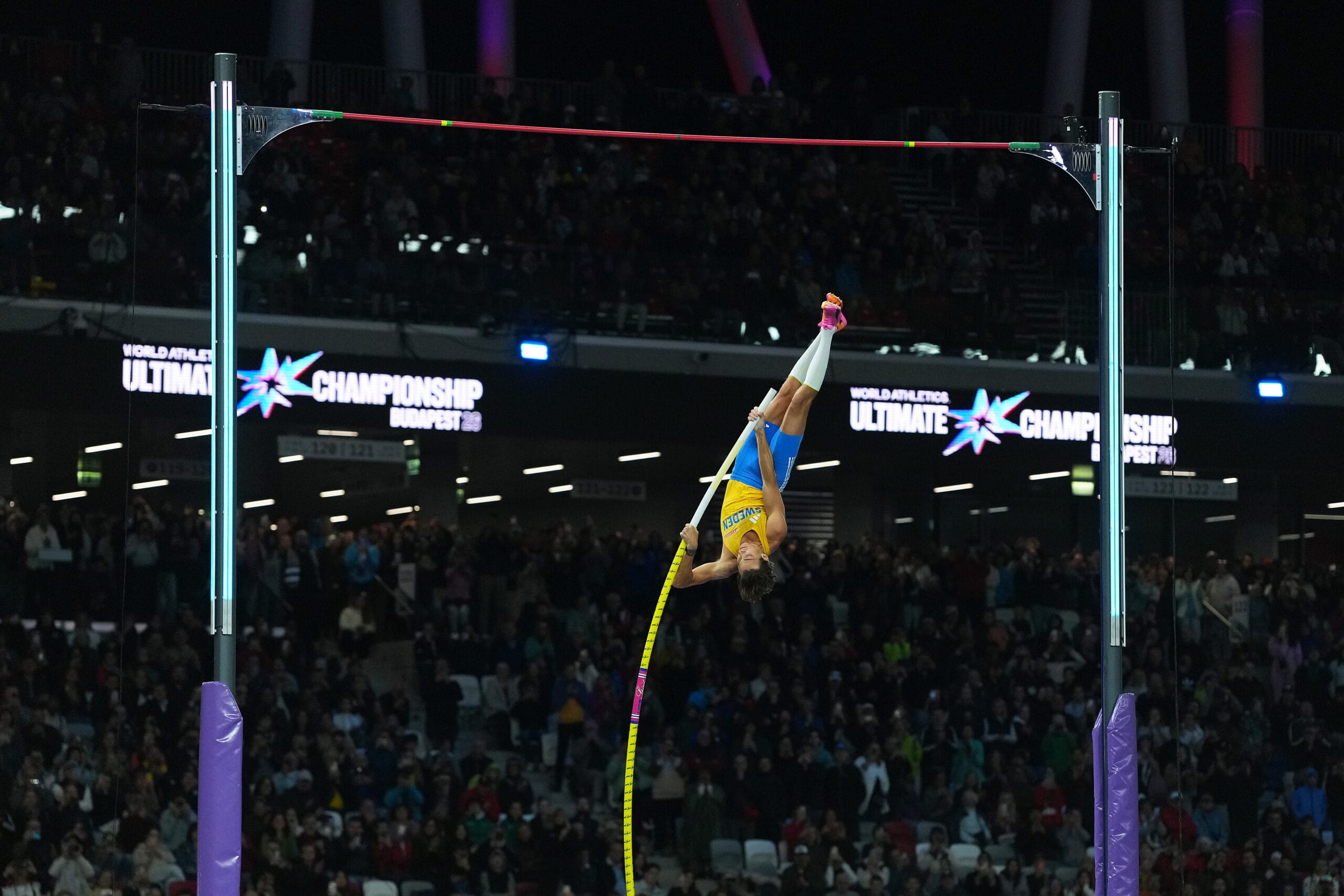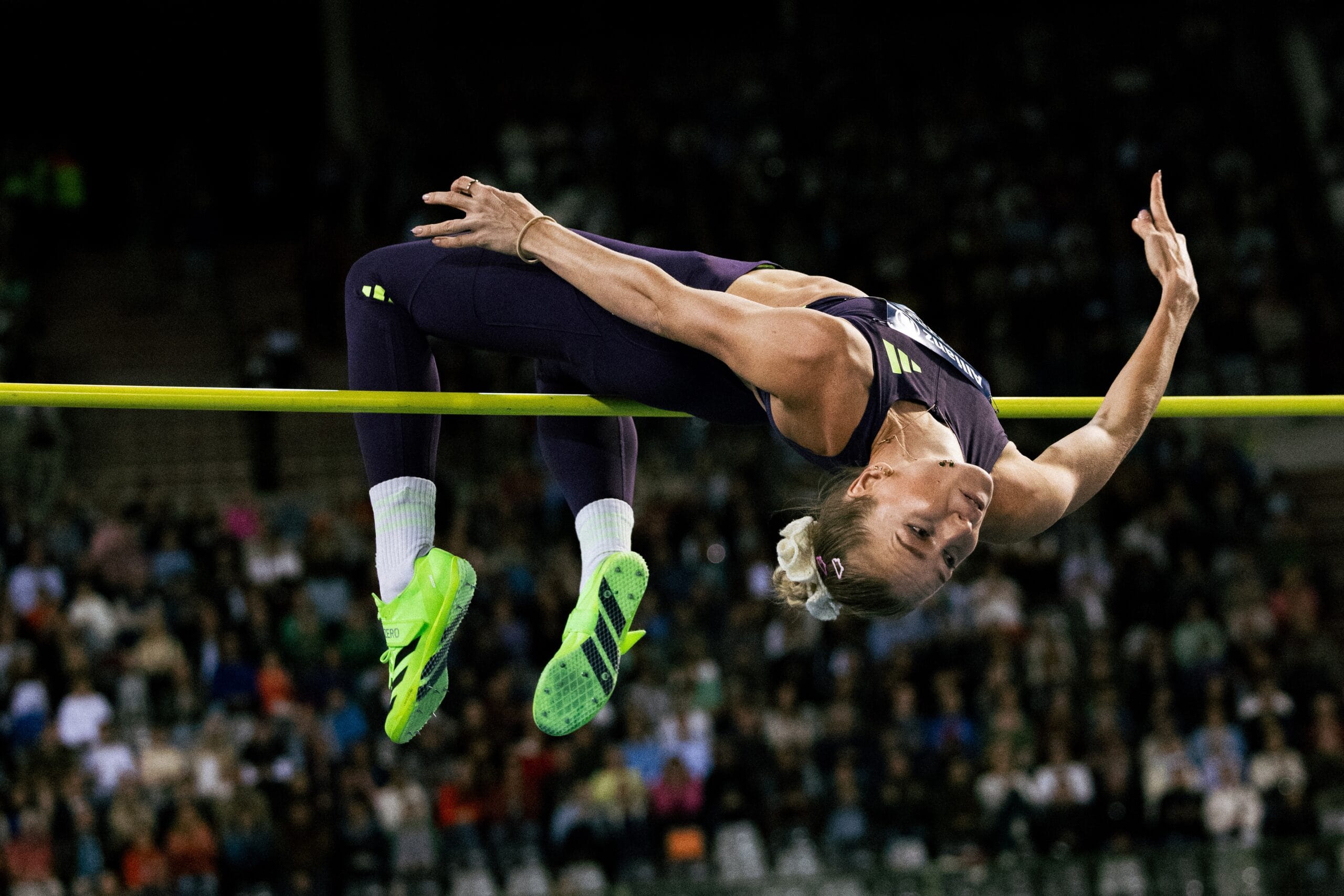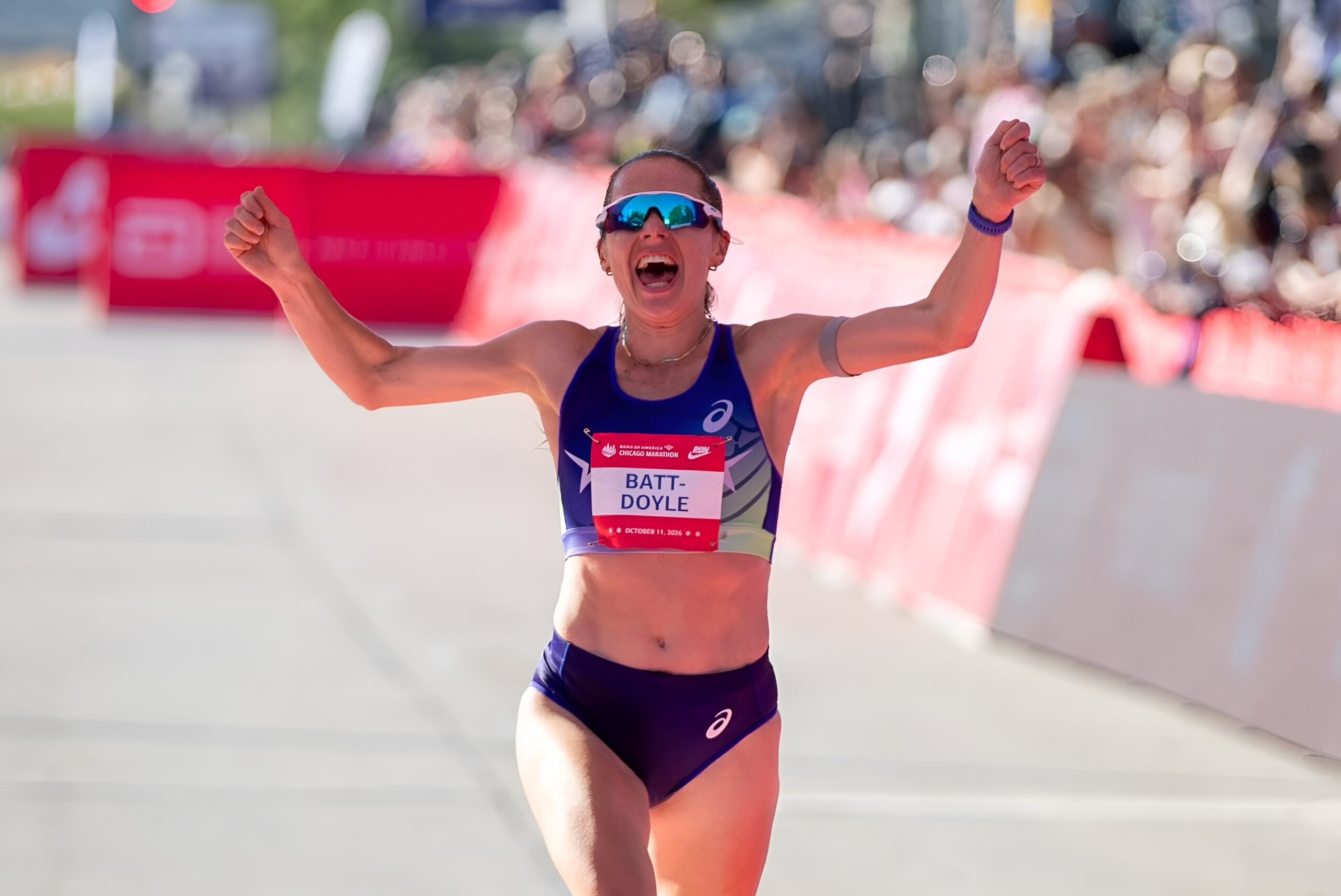

Three nights in Budapest. Twelve Australians. Ten million US dollars. And not a single medal to hang around anybody’s neck.
The World Athletics Ultimate Championship starts on Friday night in Budapest, and by Monday morning our time we’ll know whether the sport has finally built something that works, or whether it has produced another expensive lesson.
The format is deliberately narrow. Only thirteen individual events for men, thirteen for women, plus two relays. Track fields capped at 16, field events at eight. Olympic champions from Paris, world champions from Tokyo and this year’s Diamond League final winners are in automatically; the rest of each field comes off the world rankings, with no cap on how many athletes any one country can send. Track events run semi-final to final. Field events are finals only: one competition, no qualifying, no second bite.

Win an individual event and you collect US$150,000. That’s more in a single event than some high performing global athletes otherwise earn across a season in prize money. Second is $75,000, third $40,000. The winning relay quartets share $80,000. It is the richest prize pool for a meet in the history of the sport.
“We have made an intentional decision to move away from medals as the awards at the Ultimate Championship.
This global championship is all about striving to be the one athlete who comes out on top. Distributing awards for the top three didn’t feel true to that foundational concept, so we are instead focused on the trophies given to the winners of each discipline.”
World Athletics President, Sebastian Coe
Every invited athlete receives a participation token: a bracelet. Winners get a trophy their bracelet slots into. It’s a small thing that says a lot about the ambition here… this is not a championship pretending to be a spectacle. It’s an entertainment spectacle that happens to keep score.
Filling a hole the calendar has had for decades
The honest case for this event is a scheduling one, and it was made by accident.
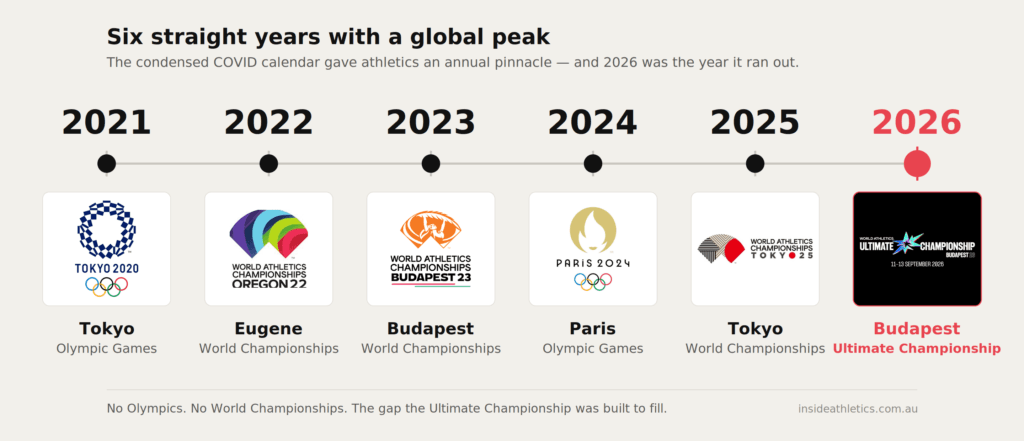
COVID compressed global athletics into a run of five consecutive years with a genuine peak: Tokyo in 2021, Eugene in 2022, Budapest in 2023, Paris in 2024, Tokyo again in 2025. Every single year, the sport had a week that mattered more than all the others, and audiences responded. Athletes built four-year careers into annual arcs. Broadcasters got a reliable September.
Then you hit 2026: an even year, no Olympics, no World Championships. Sure, there’s the European Championships and Commonwealth Games, but in terms of truly global action the shelf is bare. The sport’s historic answer to that gap was the IAAF World Cup, later rebadged as the Continental Cup, a team-scored event contested by four continental blocs that nobody could explain to a casual viewer and nobody could remember the winner of. It was quietly killed off after 2018 and almost nobody mourned it.
So the gap was real. What’s new is what World Athletics has decided to put in it: not a team competition with a points table, but a made-for-broadcast entertainment product with the best people in the world in it.
The show is the point
Read the innovation list and it becomes obvious this event was designed backwards from the television feed.
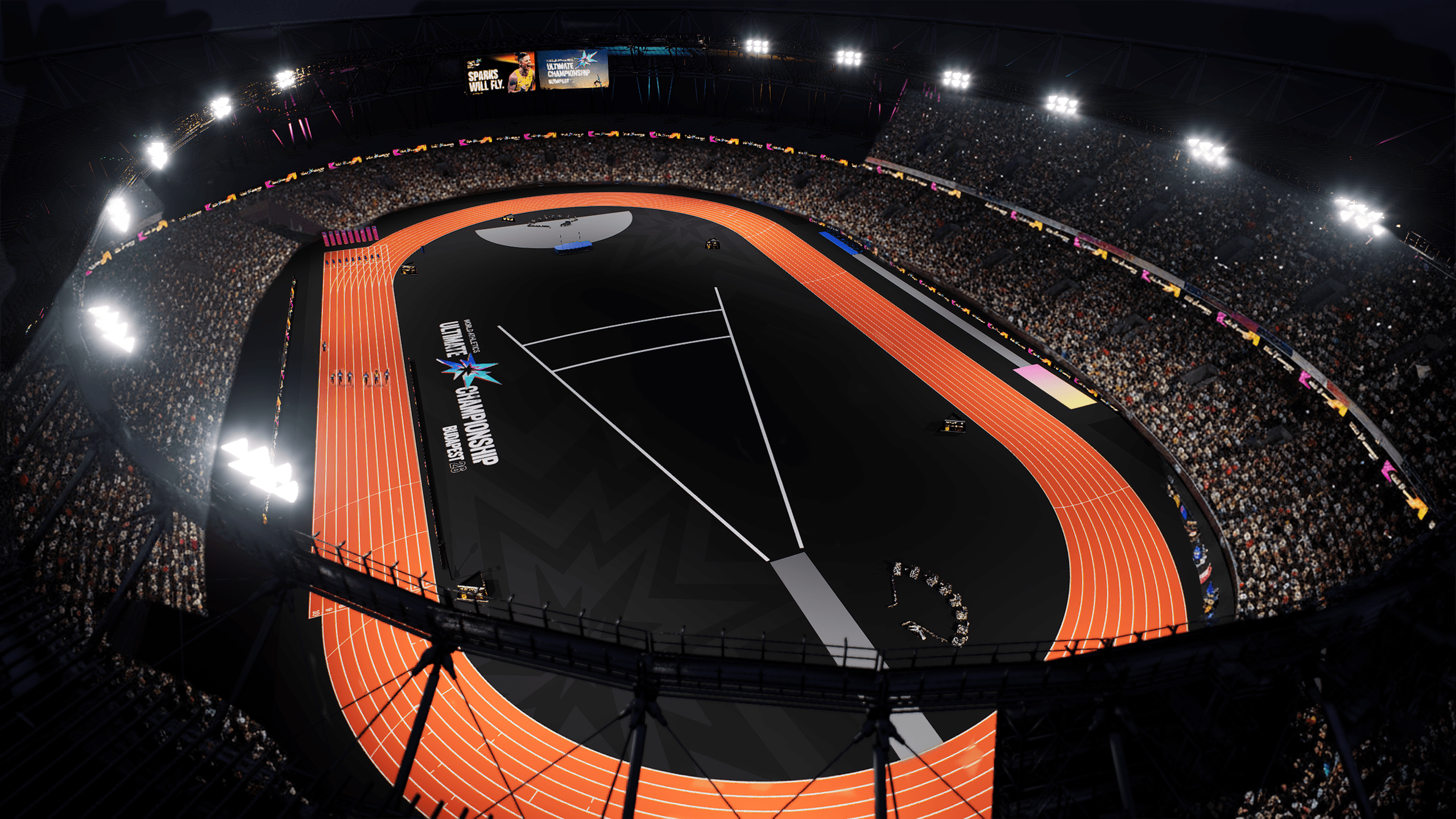
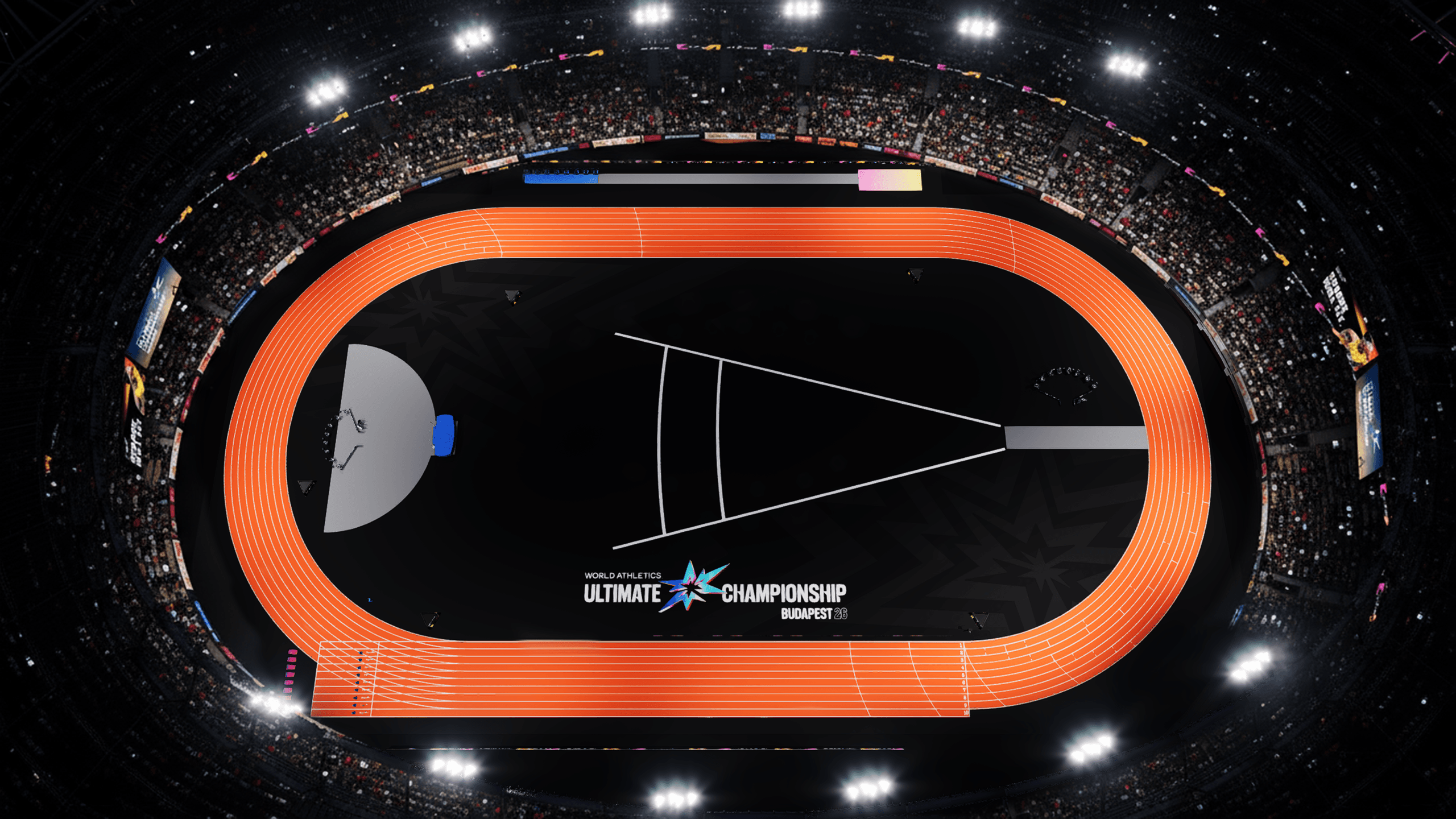
The infield will be almost entirely black, with only the active competition area lit. So when the high jump is on, the high jump is all you can see. There is no traditional timetable; instead there’s a show script, with every second accounted for and scenario planning between broadcast and event presentation so nothing gets missed while something else is happening. Centre-stage athlete interviews will go out live to the stadium and the world feed at the same time.
The graphics package carries augmented reality, athlete headshots, and live win probabilities and projected finishing positions driven by an algorithm weighted towards recent form. The race clock has moved to the bottom centre of the screen so it survives being cropped for vertical video.
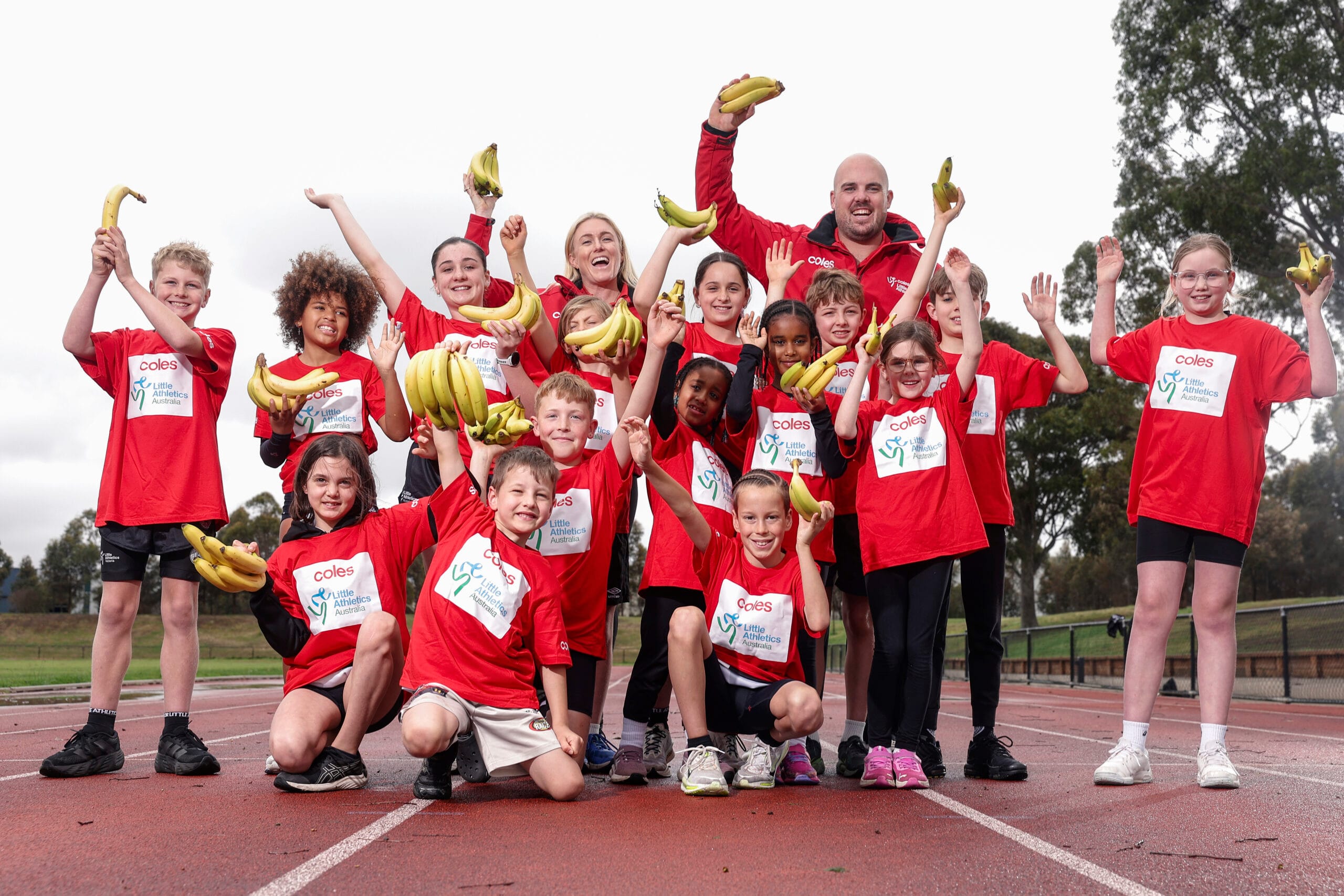
The event opens the day before it opens. The Day Before on Thursday replaces the standard pre-event press conference with a red carpet, a live lane draw for the 200m, a kids’ athletics challenge fronted by Melissa Jefferson-Wooden and Letsile Tebogo, and structured time for creators and athletes to make content and showcase their personal sponsors.
Mondo Duplantis wrote the anthem. Actually wrote it. Gold is on Spotify, the video was shot around Budapest, it runs through the broadcast and the in-stadium soundtrack all weekend, and Duplantis will perform it live in the stadium to close the championship on Sunday night, presumably not long after competing in the pole vault.
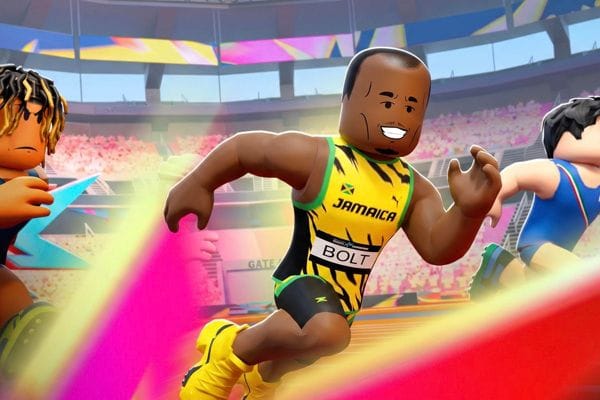
Usain Bolt has been installed as “Ultimate Legend” and has taken the whole thing into Roblox, where World Athletics has taken over Track & Field: Infinite — the platform’s most-played athletics game — with a Bolt NPC to race against and a global leaderboard. If you have ever wondered how a federation reaches an eleven-year-old who has never watched a Diamond League meeting, that’s the answer, and it’s a better one than another Instagram carousel.
Tara Davis-Woodhall is an Ultimate Star and the lead content creator. That job title didn’t exist in this sport five years ago.
The graveyard this walks past
Athletics has tried the entertainment pivot before, and the wreckage is recent enough to smell.
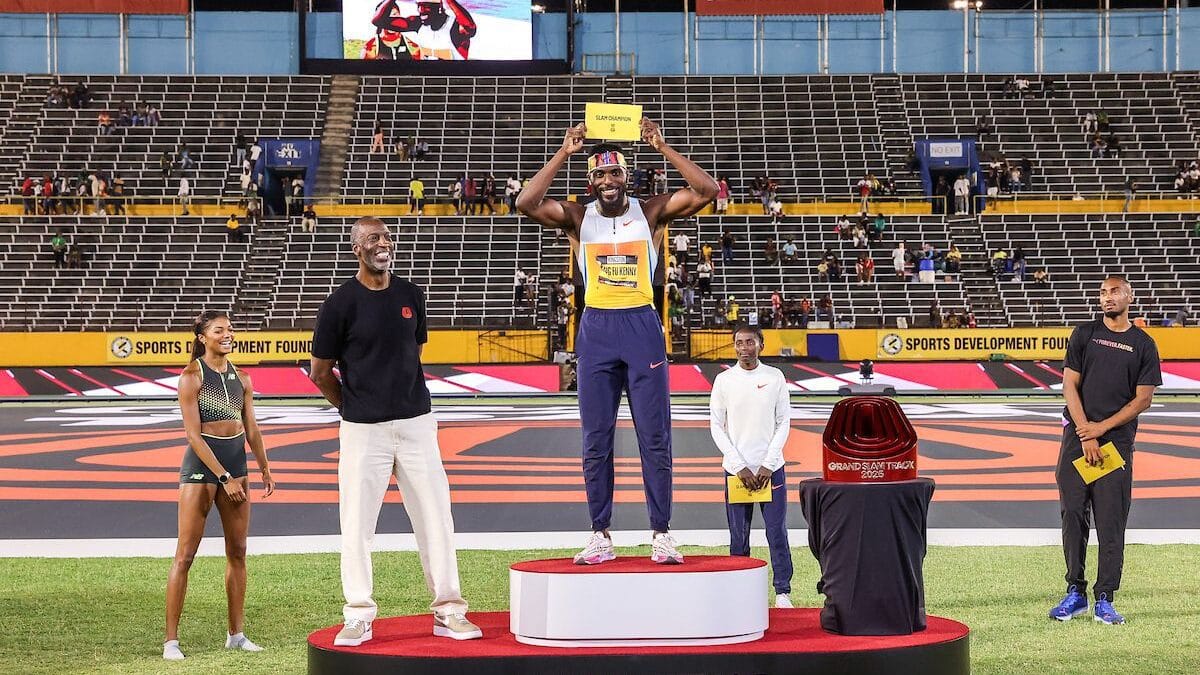
Michael Johnson’s Grand Slam Track launched in 2025 with enormous prize money, contracted athletes on annual retainers, and a genuine conviction that the sport’s problem was presentation. Four meets were scheduled; three were held. Crowds were thin, broadcast unspectacular and over priced, partners not fully secured. Los Angeles was cancelled. The league collapsed in December 2025 and filed for bankruptcy in the United States owing athletes and vendors a reported $13 million. World Athletics has said it won’t license or support any GST revival until those debts are settled and Johnson’s once golden name in the sport is mud.
Before that, Nitro Athletics in Melbourne in 2017, with Bolt fronting a team format at Lakeside Stadium with mixed relays, elimination miles, hurdle relays and the like. It was fun. It rated. It had a crowd. And it never came back in any meaningful form. The big question was, were people there for the new athletics format, or just to see Bolt?
Either way, Nitro lost $1.826 million in its first year and Kerry Stokes’ $1 million of personal backing converted from a loss into a 10% equity stake, which he later exited from. A second edition wasn’t held, purportedly due to Gold Coast Commonwealth Games calendar pressures, but the reality was it needed a rich underwriter and/or an exit strategy. What was the real intellectual property, other than a name? Having declined to buy Nitro outright when offered, the IAAF (now World Athletics) instead purchased 60 of its 1,000 shares in October 2018. Nitro Athletics Australia Pty Ltd is still registered as an Australian company, still 94% owned by Athletics Australia and 6% still owned by World Athletics, directors still updated on changes to AA’s presidency from time-to-time, but hasn’t staged a meet in nine years. It has zero value on either AA’s or World Athletics’ balance sheet.
Go back further again and you find the Pirtek All Stars meet at Sydney Olympic Park on 15 September 2010, staged on the tenth anniversary of the Sydney Games. Bolt was the drawcard but only ran a celebrity relay. What he did instead was coach a field of footballers, who then contested the Gatorade Bolt: one of the very few occasions Australia’s fastest football players have been put on a properly timed straight, with a synthetic track and spikes and no excuses. Waratahs winger Lachie Turner won it in 11.10 into a slight headwind in cool conditions, ahead of Eastwood’s John Grant at 11.15 and league player Jarryd Hayne at 11.20, with Greg Inglis last in 12.48. Twenty thousand dollars to the winner, and a decade of pub arguments settled in eleven seconds. A handful of Commonwealth Games bound representatives, such as Fabrice Lapierre and Jeremy Roff, took the spot light in the traditional events delivered.
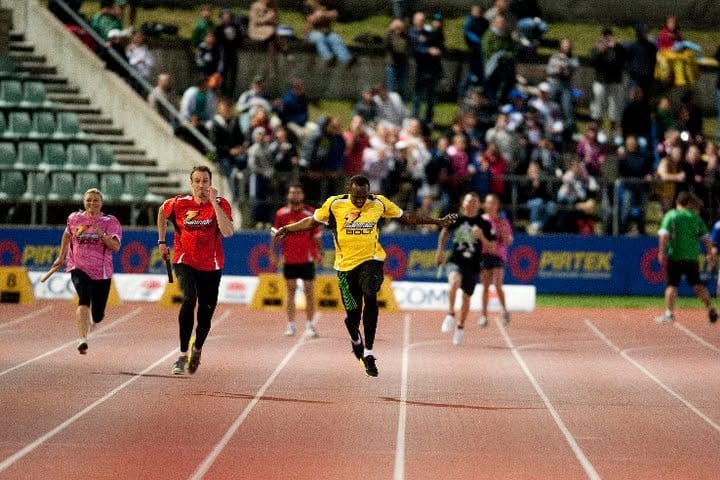
That night is worth remembering because it worked on terms athletics keeps forgetting. It didn’t ask a mainstream audience to care about a Diamond League points table. It took a question that audience already argued about and answered it with a stopwatch, with the world’s greatest athlete the front man.
The pattern in the failures, though, is the same every time: a compelling product with no structural claim on the calendar, no ownership of the ranking system that makes an invitation credible, and a balance sheet that depended entirely on the next investor turning up.
That is precisely where the Ultimate Championship is different, and it’s worth being clear-eyed about it. This isn’t an inherently better idea than Grand Slam Track. It’s a similar idea with the governing body’s chequebook, the governing body’s ranking system deciding who’s invited, and the governing body’s calendar guaranteeing it a clear window in every even year. Sebastian Coe has essentially taken the disruptors’ pitch and run it from inside the house.
Whether that’s admirable or uncomfortable probably depends on how you felt about the disruptors.
The Australian version of the same instinct
We’ve had our own attempts at athlete-led, brand-led event building, and they’re also worth remembering this weekend.
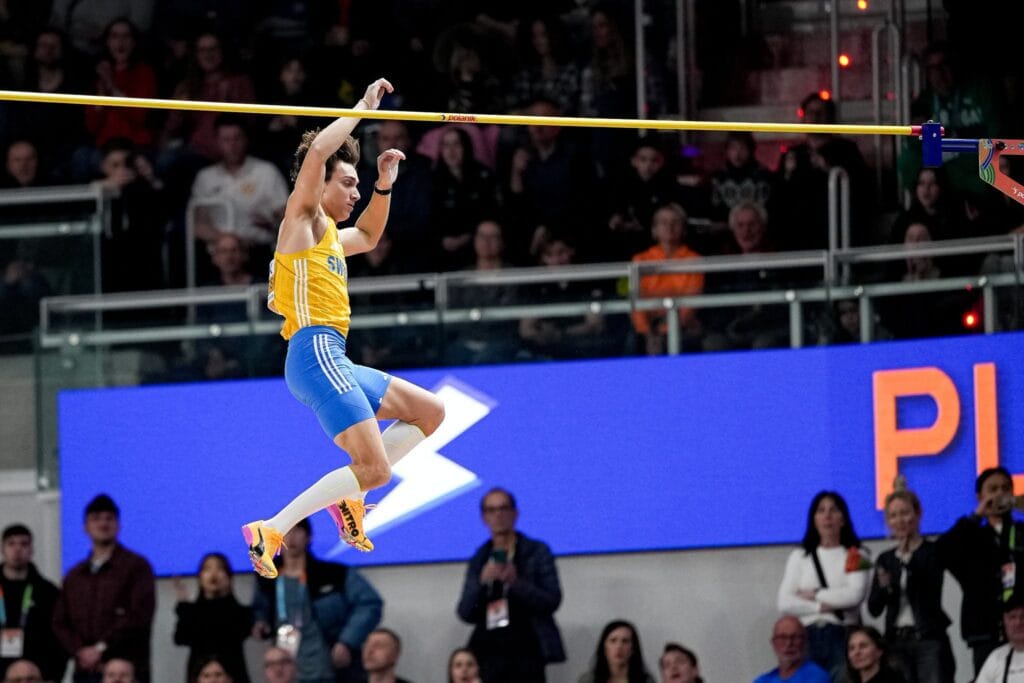
Kurtis Marschall is having a go at it right now. He revealed this week that he is orchestrating a one-night men’s pole vault event at WA Athletics Stadium on 13 March next year: an ambition for ten of the world’s best, World Athletics-sanctioned, live-streamed, built with Athletics West, Australian Athletics and Perth sports marketing agency Playbookx. He wants his Puma stablemate and close friend Mondo Duplantis on the runway, and says Duplantis has told him he’d love to come without committing.
It is a small-scale version of exactly what Budapest is attempting: put the personalities at the centre, light the thing they’re doing, and let everything else arrange itself around it. Marschall wants a week of it — a kids’ clinic, media, the showcase — and he’s frank that the hard part isn’t the idea. Where the appearance fees and prize money come from is still being worked out, and he has publicly put out the call for sponsors. Everyone in the graveyard above started with the idea and ran out of the other thing.
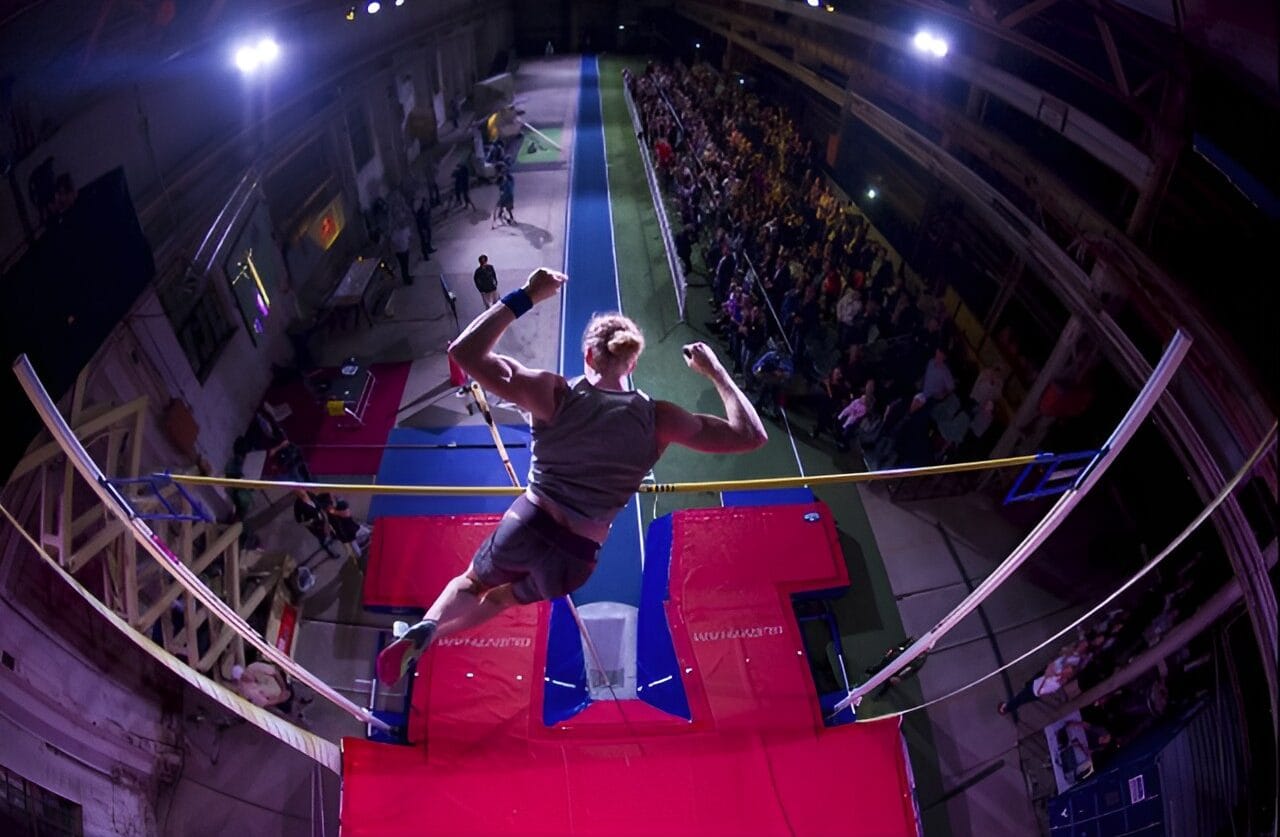
Red Bull’s promotional video about Steve Hooker’s bespoke training and qualifying venue in Perth for the 2012 Olympics. Trigger warning: Video contains fleeting footage of a former pole vault coach who has been banned from coaching for life by Australian Athletics.
Go back further and there’s Steve Hooker’s 2012 Olympic qualifying campaign, backed by Red Bull, which put a brand’s money and production behind one athlete’s attempt to train and qualify for a home-continent-away Olympics in London. It was a genuinely early example of an athletics story being packaged and sold by a partner.
Neither seek to or did built an institution. Both are and were right about where the sport was heading.
The Australians in Budapest
Twelve Australians qualified, and the schedule is brutal on Australian sleep. All times AEST.

Saturday 12 September opens with Eleanor Patterson and Nicola Olyslagers in the high jump final at 3:13am, the pair tied second for the season at 2.02m and facing Yaroslava Mahuchikh who owns the world lead at 2.03m. Kurtis Marschall vaults at 4:08am, competing for the 21st and final time this season and chasing another podium in a field headed by Duplantis. Ky Robinson runs the 5000m at 4:36am, ranked ninth on paper with the top seed less than five seconds up the road. Sarah Billings starts her 800m with semi-finals at 4:57am.

Sunday 13 September brings Mackenzie Little in the javelin at 2:13am, Lachlan Kennedy in the 100m semis at 3:21am, Abbey Caldwell and Jessica Hull in the 1500m final at 3:36am, then Billings’ 800m final at 4:18am and Kennedy’s 100m final at 4:49am if he advances.
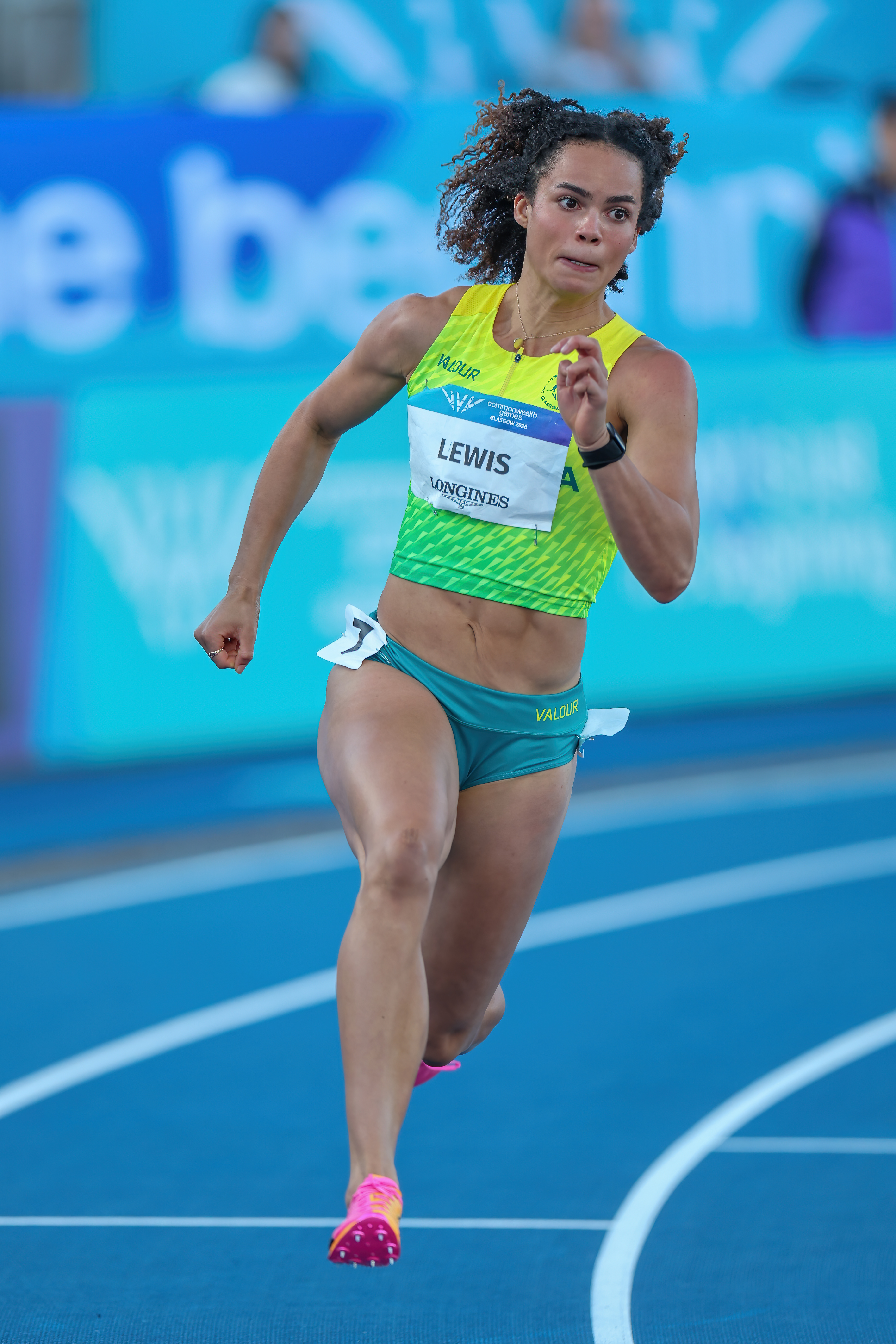
Monday 14 September finishes it: Torrie Lewis in the 200m semis at 2:44am, Rose Davies and Hull in the 5000m at 3:10am, Cameron Myers in the 1500m final at 4:10am against Josh Kerr, Jakob Ingebrigtsen and Cole Hocker in the race of the year, and Lewis in the 200m final at 4:49am should she qualify.
Patterson and Myers both arrive off Diamond League final wins in Brussels. Myers sits at 3:28.00 this year, four-tenths off Kerr’s world lead, and gets the rematch after Glasgow.
It’s free to watch in Australia on World Athletics+
Three nights, no medals, no filler. If it works, the sport has a new pillar. If it doesn’t, at least this time the athletes get paid.