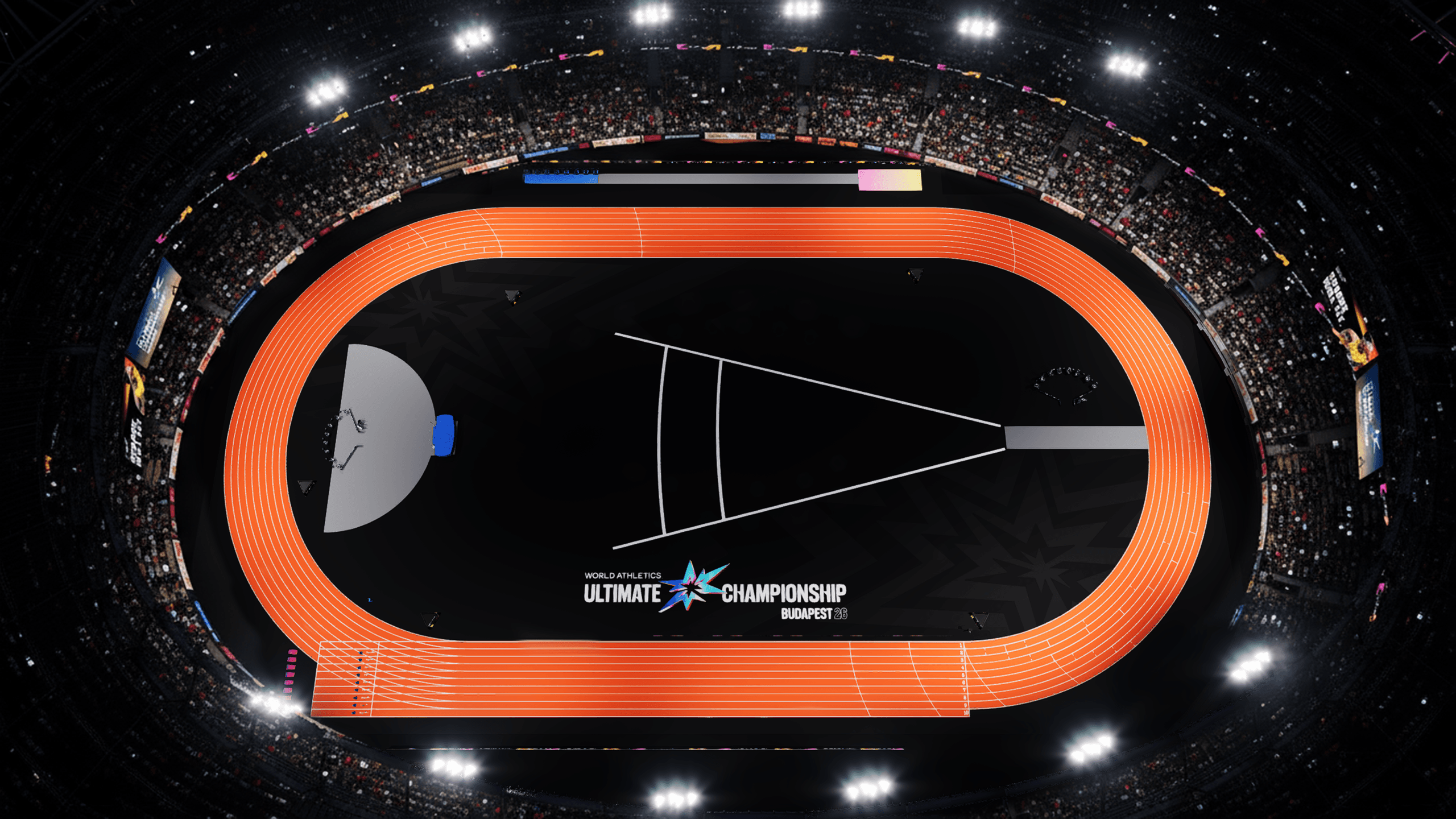

Three nights in Budapest with twenty-eight global champions. Ten million US dollars paid out, three sell-out crowds, and a men’s javelin competition that produced the first 90-metre throw ever landed in Hungary among many a world class performance.
The longer version is that the Ultimate Championship answered the existential question posed in its name: who is actually the best? In doing so a second question was raised that it hasn’t answered at all: what happens to the disciplines that weren’t invited?
Last week I wrote that by Monday morning our time we’d know whether the sport had finally built something new that works, or whether it had produced another expensive lesson. It works. That’s the short version, and it’s worth saying so before getting to the parts that some people think don’t.
The champions
A read through the winners and their performances makes you jealous you weren’t there. This was one of the best athletics meets in history, with truly global character: 18 nations had winners across the 28 events on offer.
Women
| Event | Ultimate Champion | Mark |
|---|---|---|
| 100m | Melissa Jefferson-Wooden (USA) | 10.62 |
| 200m | Melissa Jefferson-Wooden (USA) | 21.47 |
| 400m | Marileidy Paulino (DOM) | 49.07 |
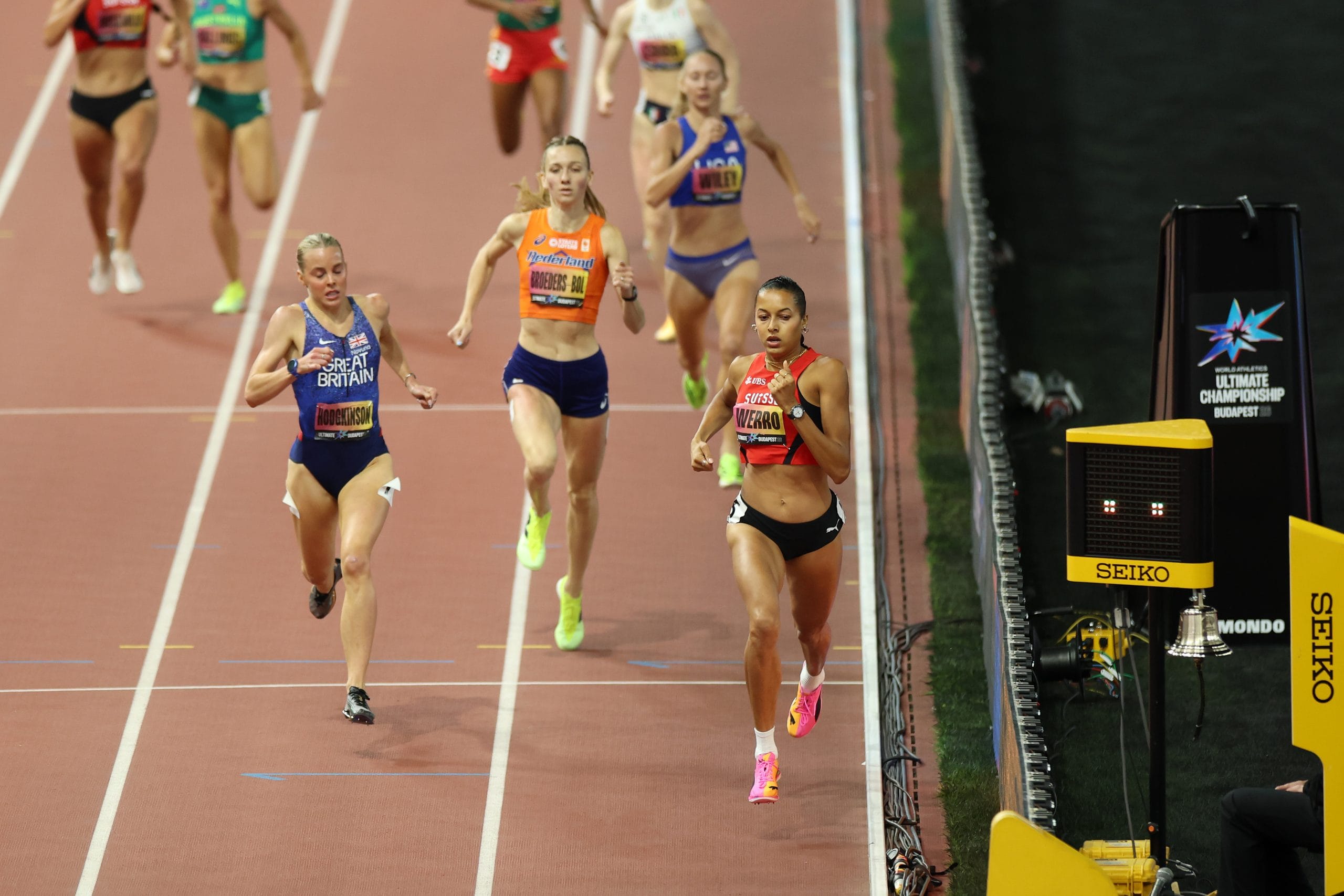
| 800m | Audrey Werro (SUI) | 1:55.88 |
| 1500m | Klaudia Kazimierska (POL) | 3:57.55 |
| 5000m | Likina Amebaw (ETH) | 14:30.36 |
| 100m hurdles | Masai Russell (USA) | 12.22 |
| 400m hurdles | Jasmine Jones (USA) | 52.45 |
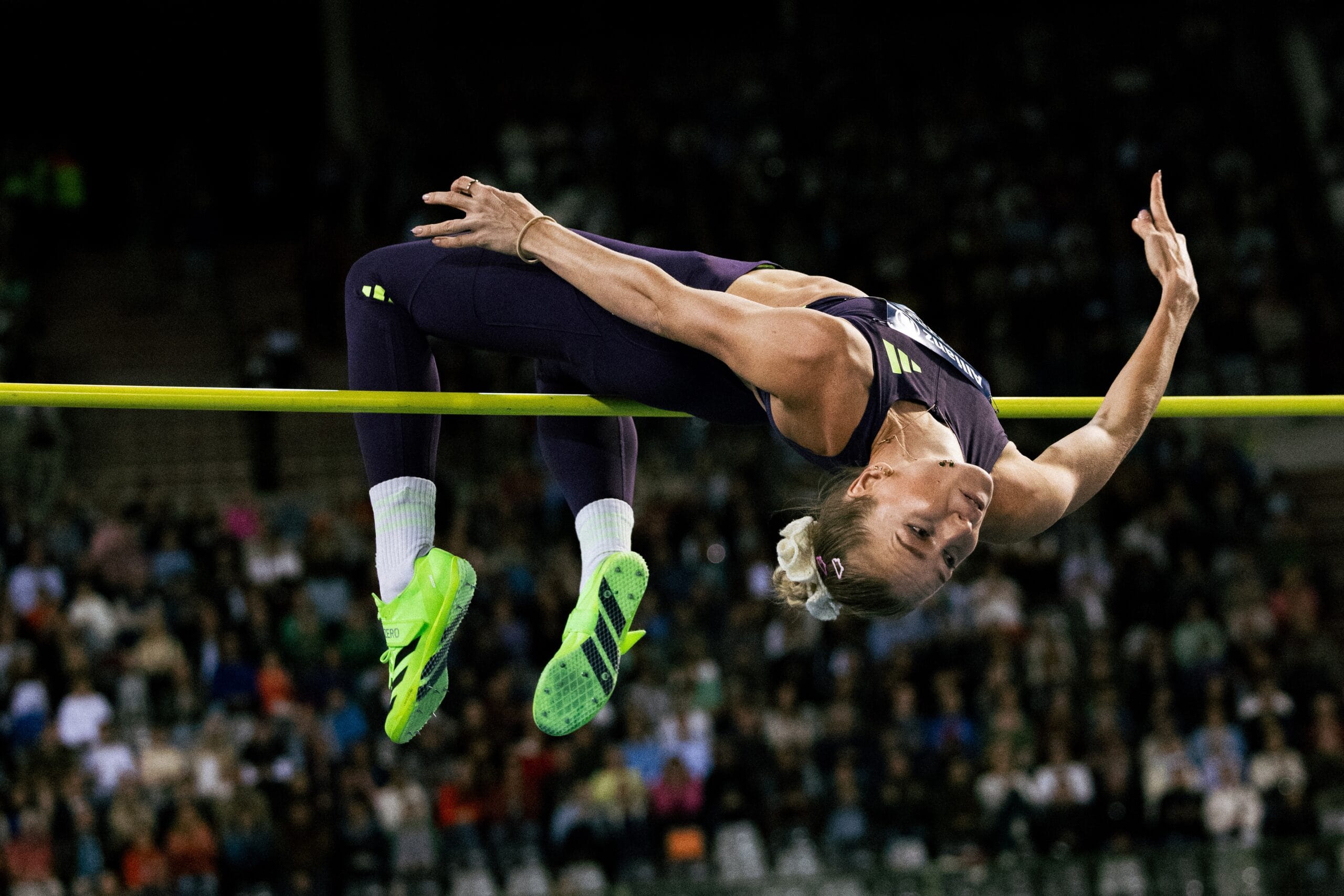
| High jump | Yaroslava Mahuchikh (UKR) | 1.99m |
| Pole vault | Sandi Morris (USA) | 4.90m |
| Long jump | Larissa Iapichino (ITA) | 6.90m |
| Triple jump | Sally Sarr (SEN) | 15.06m |
| Javelin | Haruka Kitaguchi (JPN) | 69.92m |
Men
| Event | Ultimate Champion | Mark |
|---|---|---|
| 100m | Kenny Bednarek (USA) | 9.85 |
| 200m | Kenny Bednarek (USA) | 19.52 |
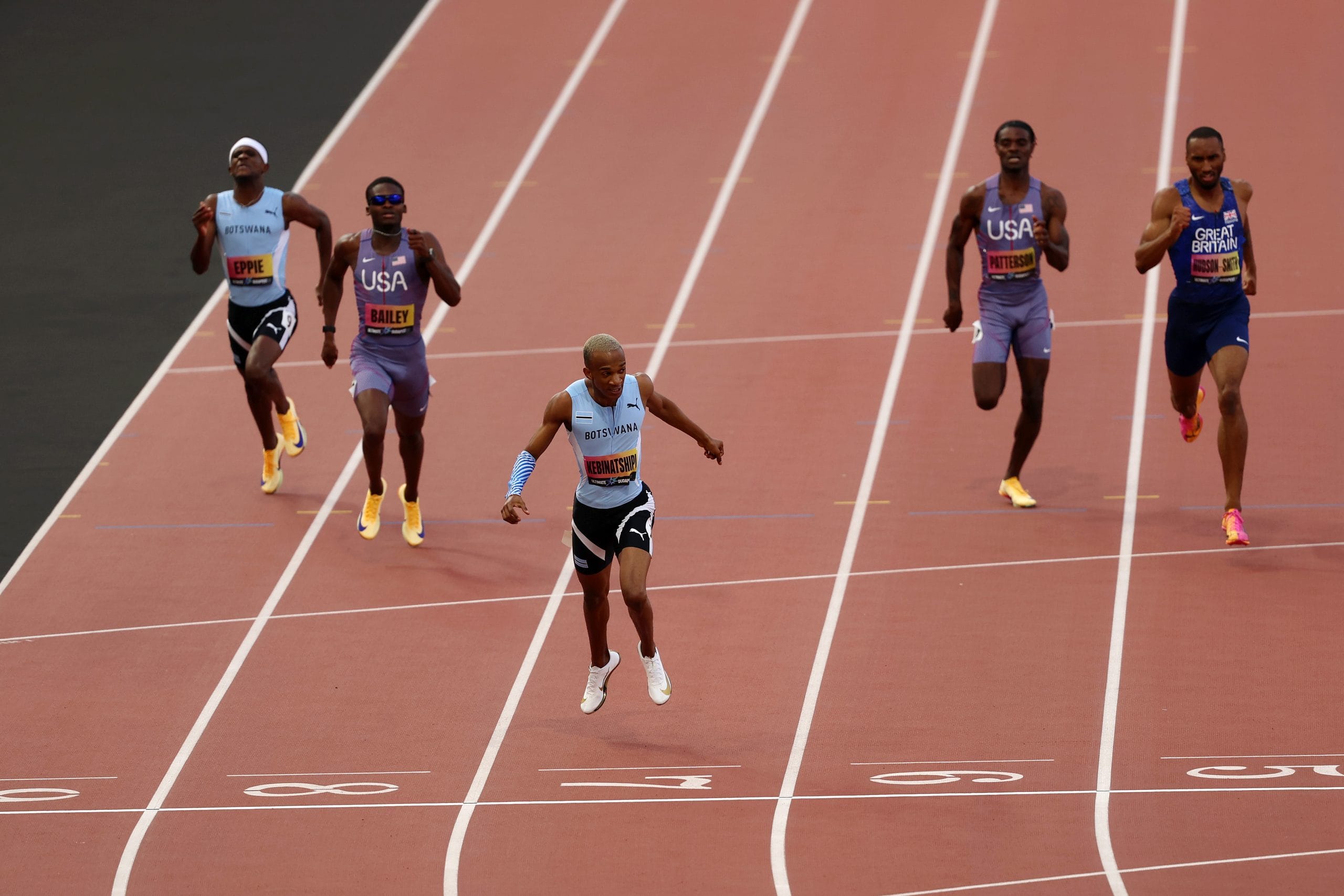
| 400m | Collen Kebinatshipi (BOT) | 43.39 |
| 800m | Djamel Sedjati (ALG) | 1:41.91 |
| 1500m | Josh Kerr (GBR) | 3:29.35 |
| 5000m | Jakob Ingebrigtsen (NOR) | 12:59.24 |
| 110m hurdles | Ja’Kobe Tharp (USA) | 12.94 |
| 400m hurdles | Alison dos Santos (BRA) | 45.98 |
| High jump | Gianmarco Tamberi (ITA) | 2.37m |
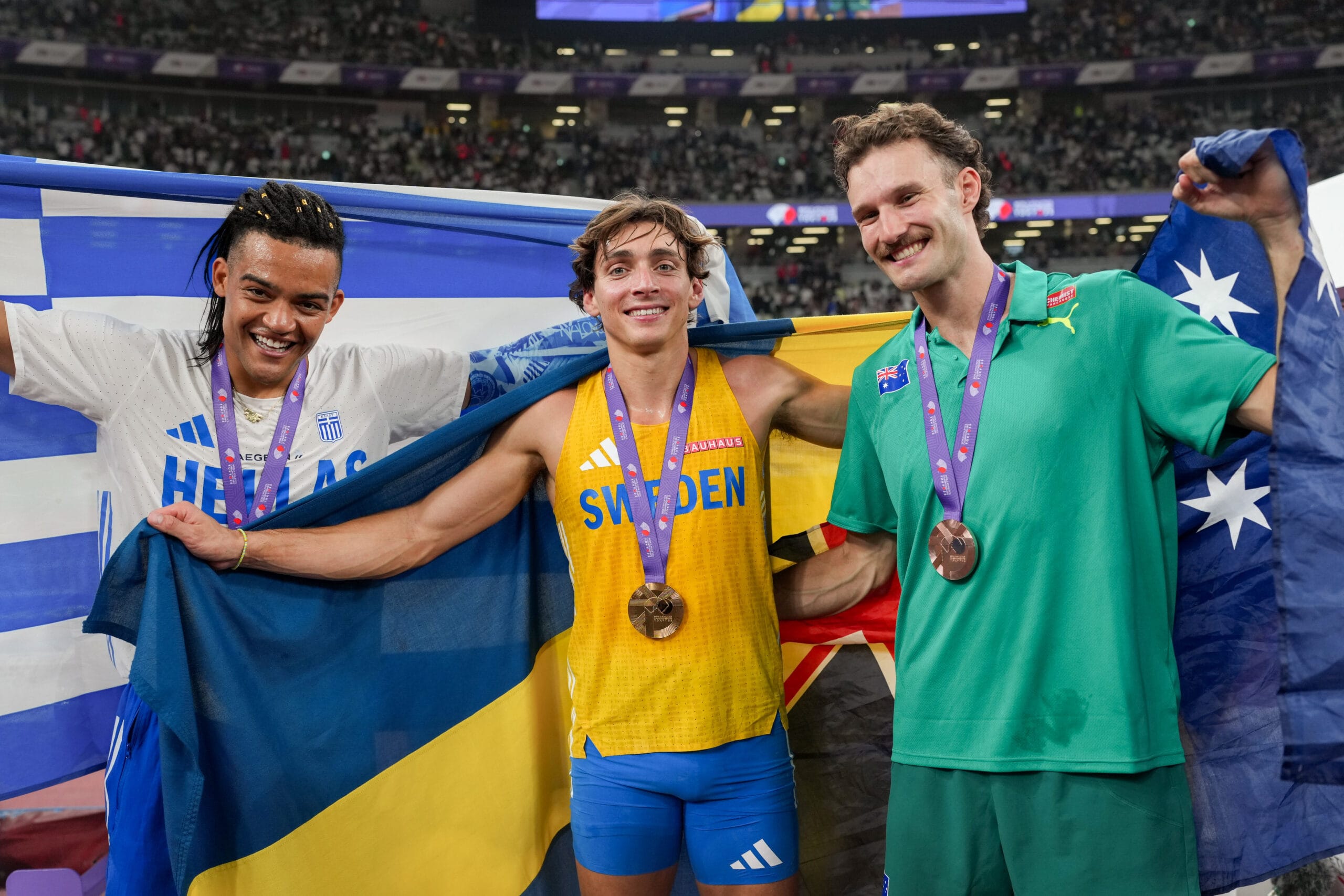
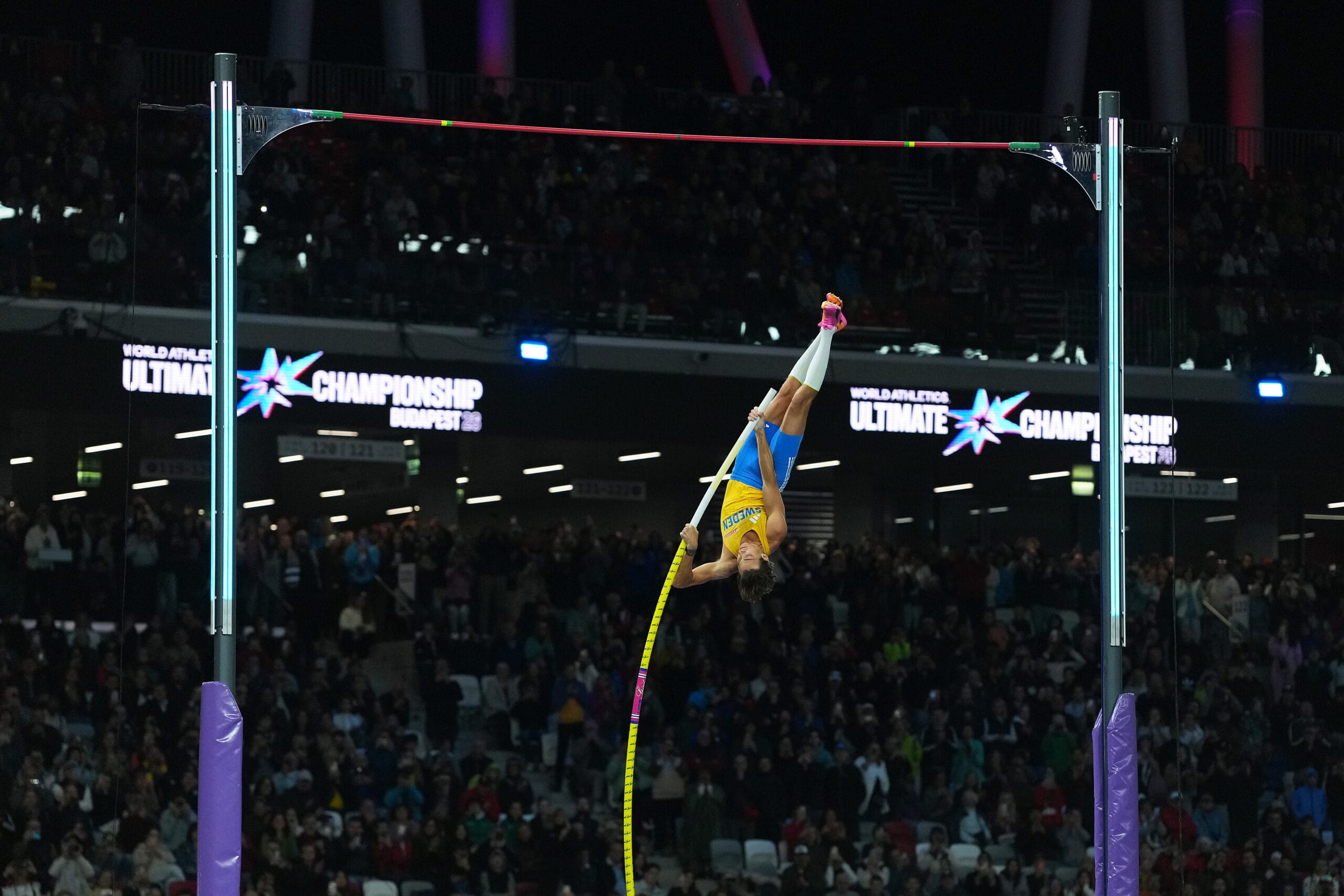
| Pole vault | Mondo Duplantis (SWE) | 6.20m |
| Long jump | Miltiadis Tentoglou (GRE) | 8.35m |
| Hammer | Merlin Hummel (GER) | 81.46m |
| Javelin | Rumesh Pathirage (SRI) | 91.09m |
Relays: Mixed 4x100m — USA 39.64. Mixed 4x400m — USA 3:08.32.
According to World Athletics’ own rankings for one-day and invitational meets, the Ultimate Championship rated as the top meet in the world this year, with the second highest score ever behind the 2023 Prefontaine Classic. That is the number that matters most out of Budapest, because it isn’t a crowd figure or a broadcast reach estimate. It’s the sport’s own instrument saying the competition was real.
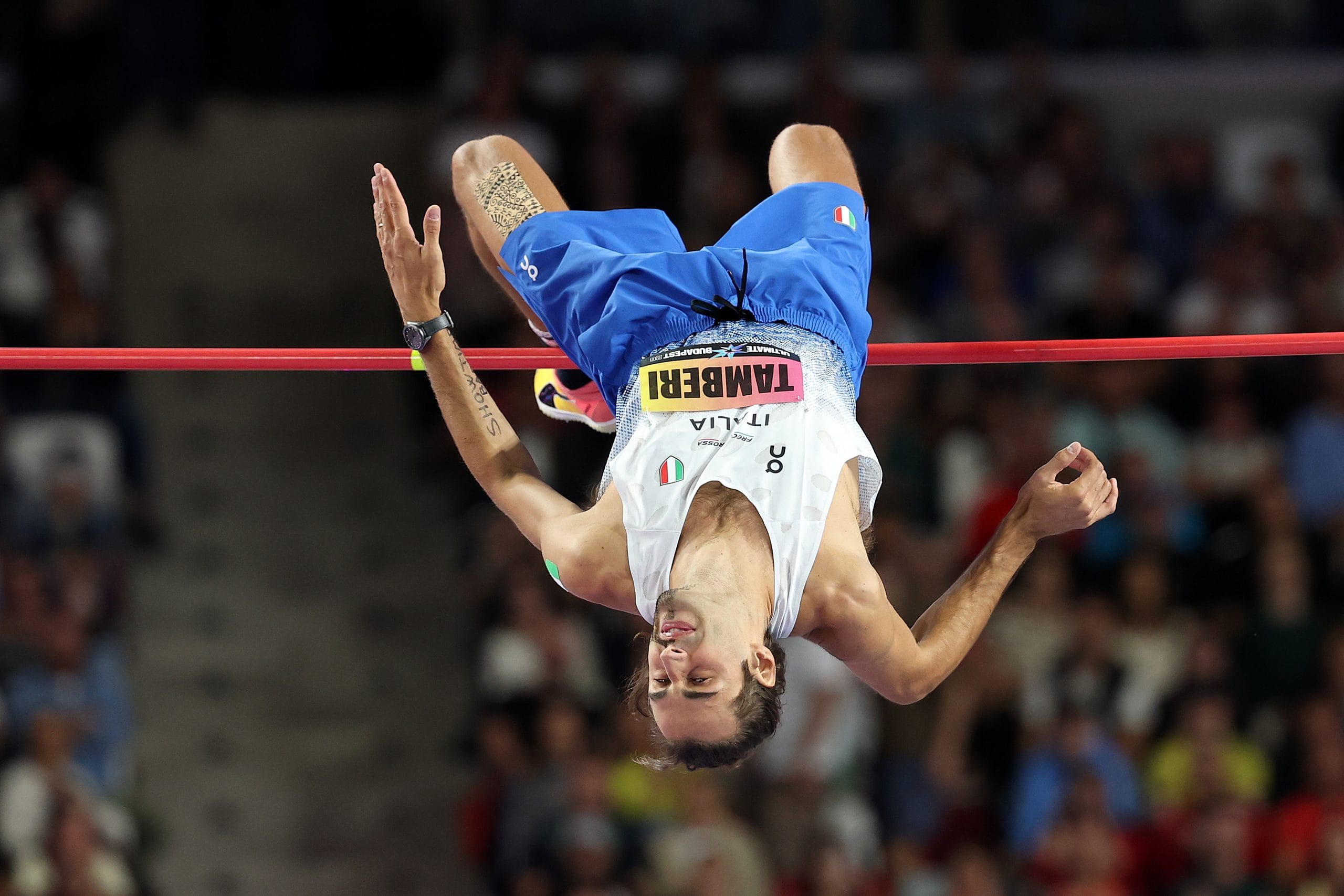
The evidence stacks. Melissa Jefferson-Wooden’s 10.62 in the 100m is the equal seventh-fastest of all time, and she came back on the final night to take the 200m in a world-leading 21.47. Kenny Bednarek did the double the other way, adding 19.52, a world lead and seventh on the all-time list, to his 9.85. Sri Lanka’s Rumesh Pathirage, having thrown the javelin barely 75 metres with his opening effort, sent his last one 91.09m. Gianmarco Tamberi cleared 2.37m before attempting 2.41m. Djamel Sedjati ran down both the Olympic champion and the Olympic silver medallist inside the last 100 metres of the 800m.
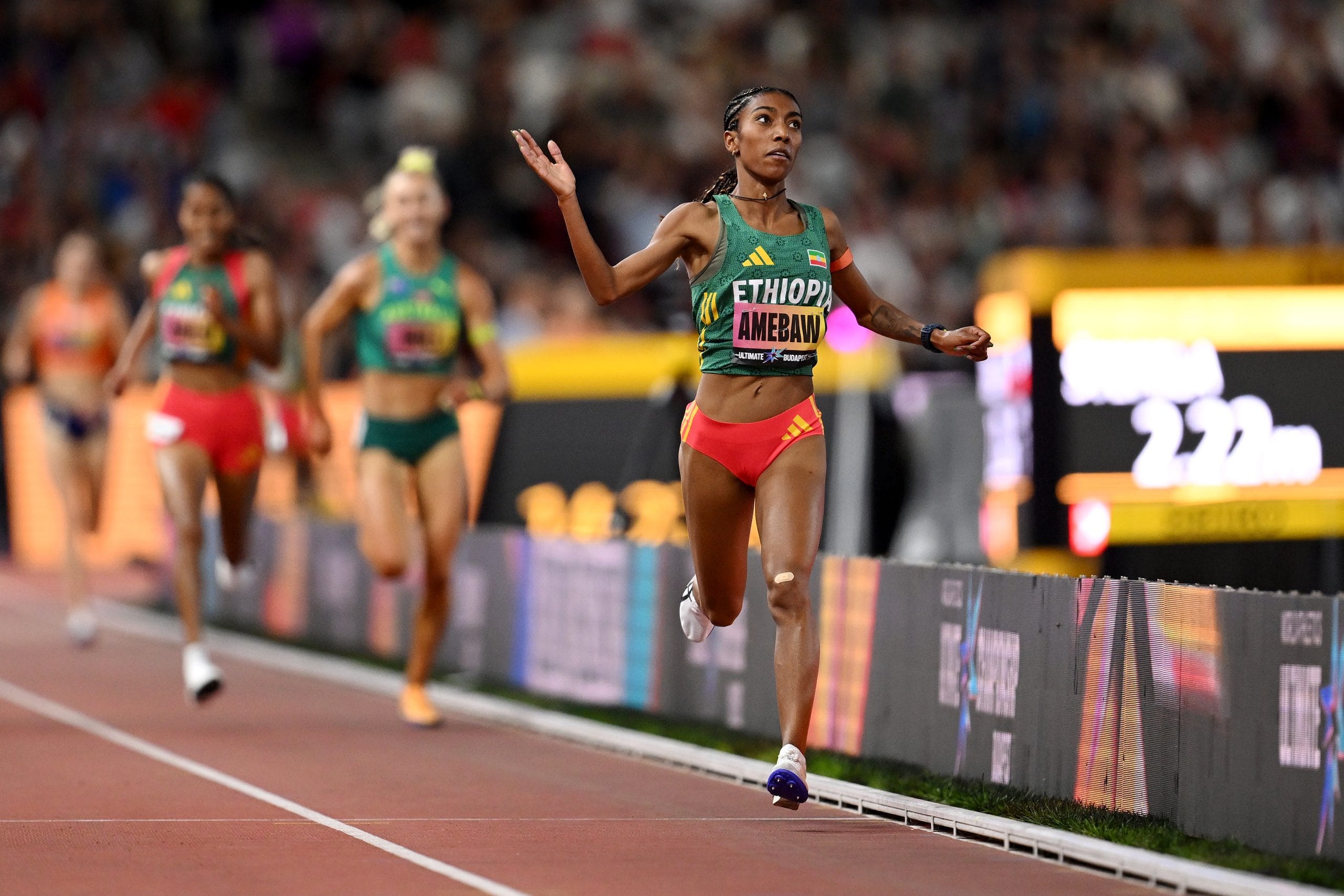
And Ethopia’s Likina Amebaw simply left everyone in her wake. She went at 3000m, covered the next kilometre in a blistering 2:46, and had nine seconds on the field with a lap to run, closing her last 3000m in 8:28.00 for a Hungarian all-comers record.
“I was thinking I do not have too much of a sprint, so I was thinking halfway through the race that I’ve got to push. To be the winner here is good but not for the money, I just wanted to win this championship.”
Likina Amebaw
The innovations weren’t decoration
The best evidence that the event presentation did something is that athletes were referencing that they felt like they were competing against it.
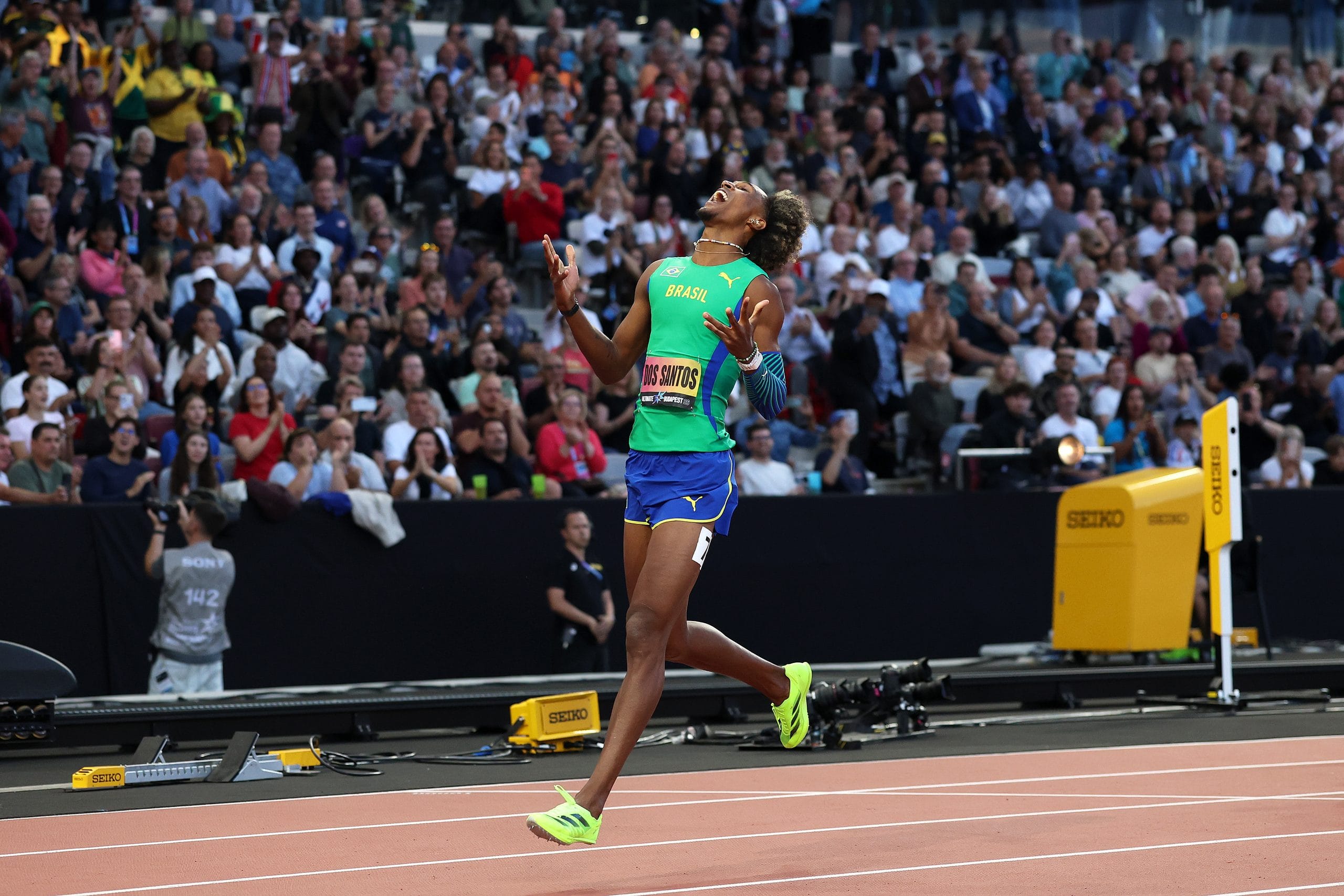
400m hurdles world record holder Alison dos Santos won the 400m hurdles in 45.98 having checked the live win probability before he ran.
“I opened the app and I saw a post on the main page saying I had something like a 95 percent chance of winning. I thought wow, that is pretty high so I just wanted to go out there and run as fast as I could. When you are running on the Diamond League circuit, you are mostly concerned about your time… but, at a championship, it is different. Running fast is important but winning is more important.”
Alison Dos Santos
That’s the algorithm becoming part of the event rather than a graphic laid over the top of it. Josh Kerr did the same thing in reverse in the 1500m, reading the gap off the big screen over the last two laps and knowing he had Cam Myers covered.
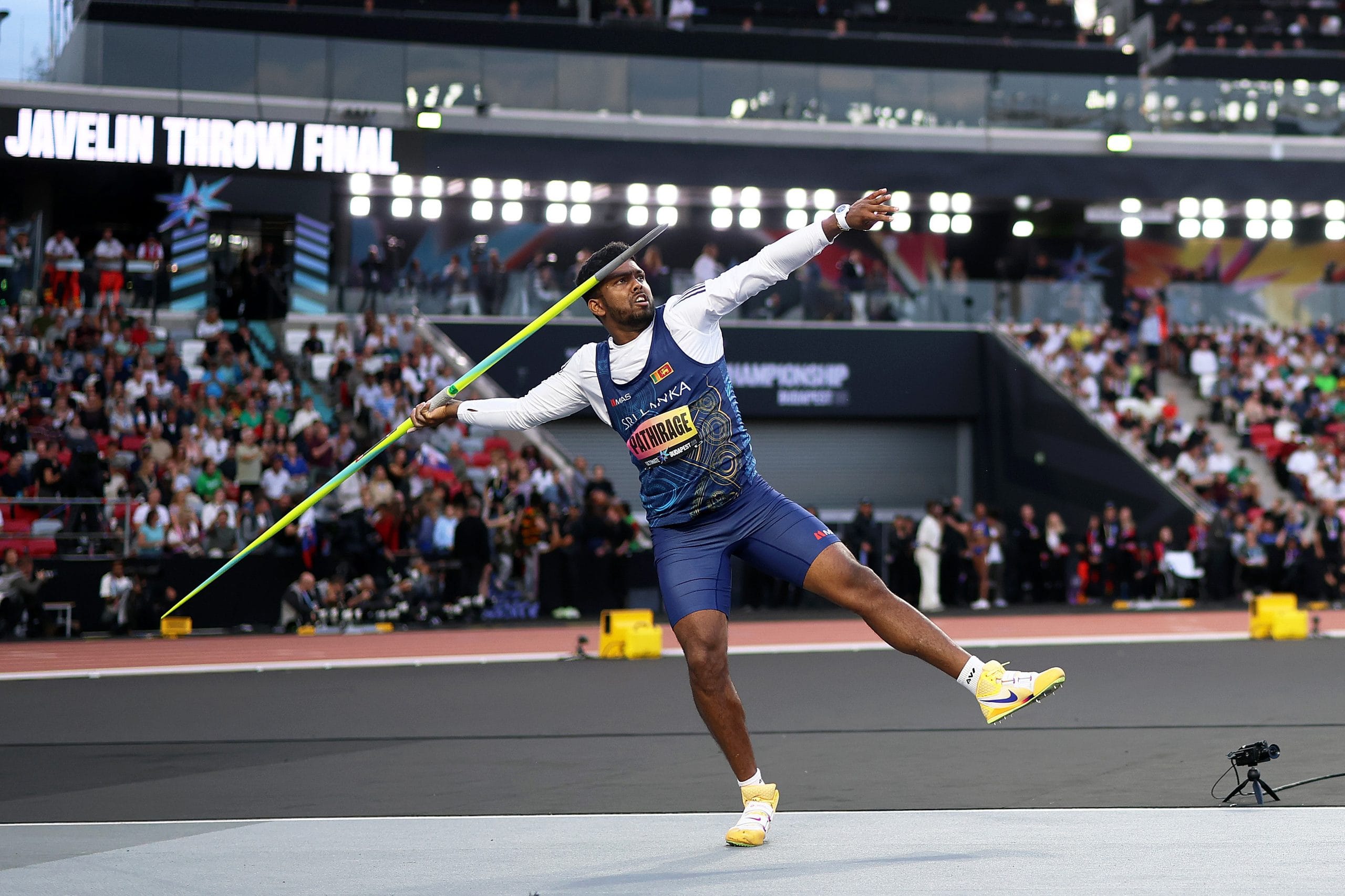
The field event format was the genuine structural change, and traditionalists won’t have liked it. Eight athletes, four attempts, the two worst eliminated after both the second and third rounds, with the leader forced to go first in the final round. Pathirage took the lead in round three and then had to open the last round under that pressure. He answered with 91.09m and the competition was effectively over.
It doesn’t work for everyone. Jazmin Sawyers came from fourth to second with her last jump in the long jump and afterwards made the case for all eight jumpers getting all four attempts, on the straightforward logic that the drama she created would be available to the whole field rather than the survivors.
The Australians: a lot of money, no trophies
Eleven Australians competed (Torrie Lewis was a scratching in the 200m, injured, or it would have been twelve) and none of them won. That’s perhaps a surprise given the quality of Eleanor Patterson and Nicola Olyslagers this season in the high jump, but it was also a very long season.
That said, the Australian athletes in action took home a combined US$374,000, many of them with the biggest payday they have ever had.
Jess Hull earned the most of any Australian at the meet, peaking her season almost perfectly after her Diamond League Final 1500m season’s best: US$84,000, with second in the 5000m after a below par ninth in the 1500m. The 5000m was the redemption, leaving her to punningly ask whether she is ultimately a 5000m runner? She’d faded badly in the 1500m final the night before, went in with close to the slowest personal best in the field, and then found a finish nobody had allowed for, running 14:32.39 for second and a PB.
“I had a pretty rough 1500m last night and me and my team wanted to give me the chance to run the 5000m but we didn’t know how it was going to go. That is why I just let myself be out there and race freely and then I had this gear at the end… I knew I had the gear but I didn’t know if I had the space. I just trusted that the rail would open up — it happens not so often — so I was trying to keep calm. I chatted to my teammate last week, who won the Diamond League Final on the rail and I just repeated to myself: ‘Trust! It’s going to be open’.”
Jess Hull
Rose Davies was sixth in the same race in 14:35.64 for US$14,000.
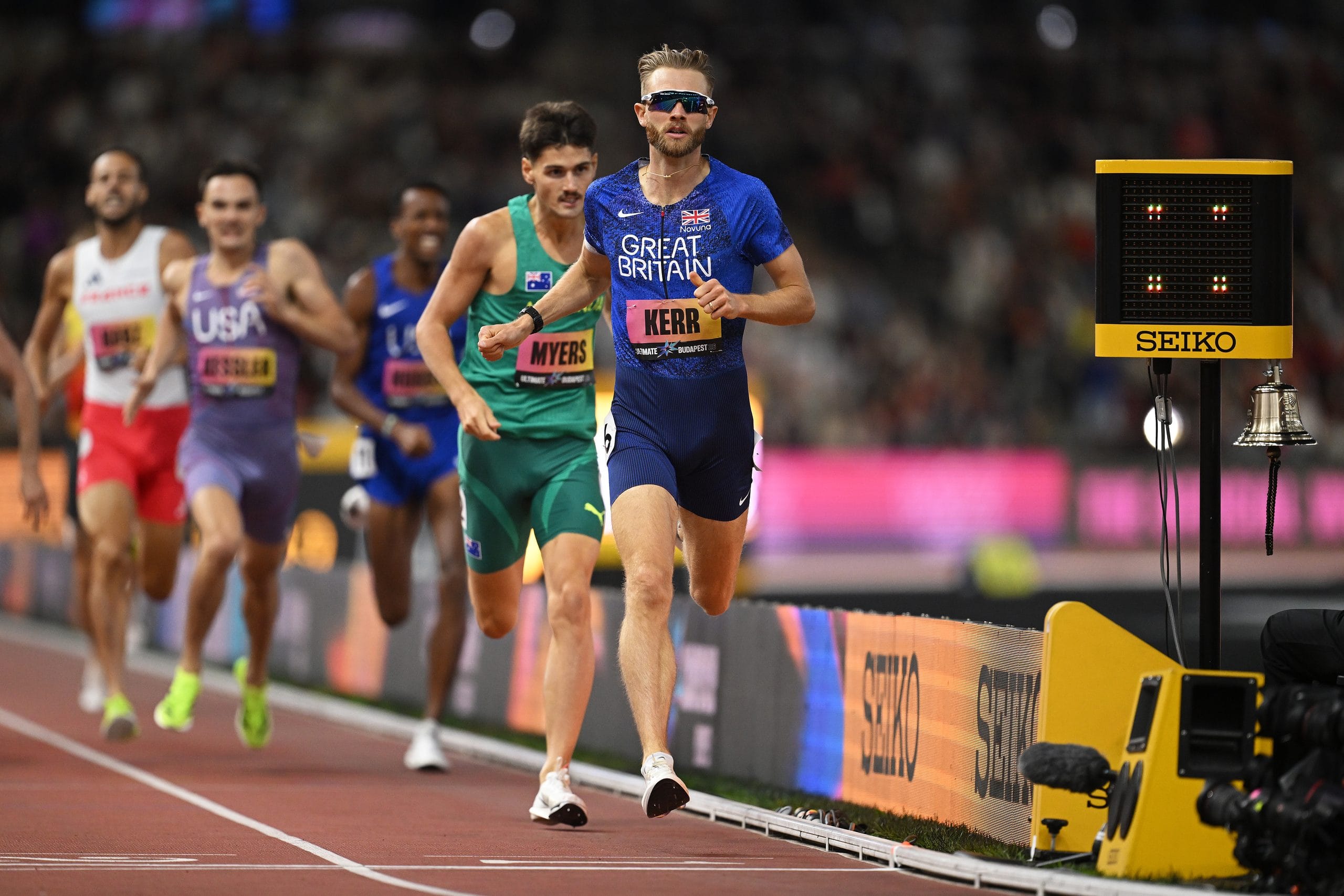
Cam Myers ran 3:29.68 for second in the 1500m and US$75,000, beaten again by Josh Kerr, again over the closing 200m, and with Jakob Ingebrigtsen having pulled out of the final after winning the 5000m two nights earlier. Nonetheless, it was the strongest 1500m field in the year anywhere in the world.
“I ran the perfect race I could have run. I thought with 200m to go that I was going to win and that is an exciting feeling,” Myers said.
“Josh was just too strong today and that shows why he is a world record holder. I think that is somewhere I want to go in the future. I raced tactically perfectly and I was just beaten by a stronger runner, so that is how it goes.”
Kerr, for his part, used the moment to make the money argument out loud: he compared the US$150,000 cheque to the US$30,000 he collected for a world indoor title, said athletics doesn’t yet have the pay cheques other sports do, and noted the tension in loving to represent your country while making, relatively, nothing from it.
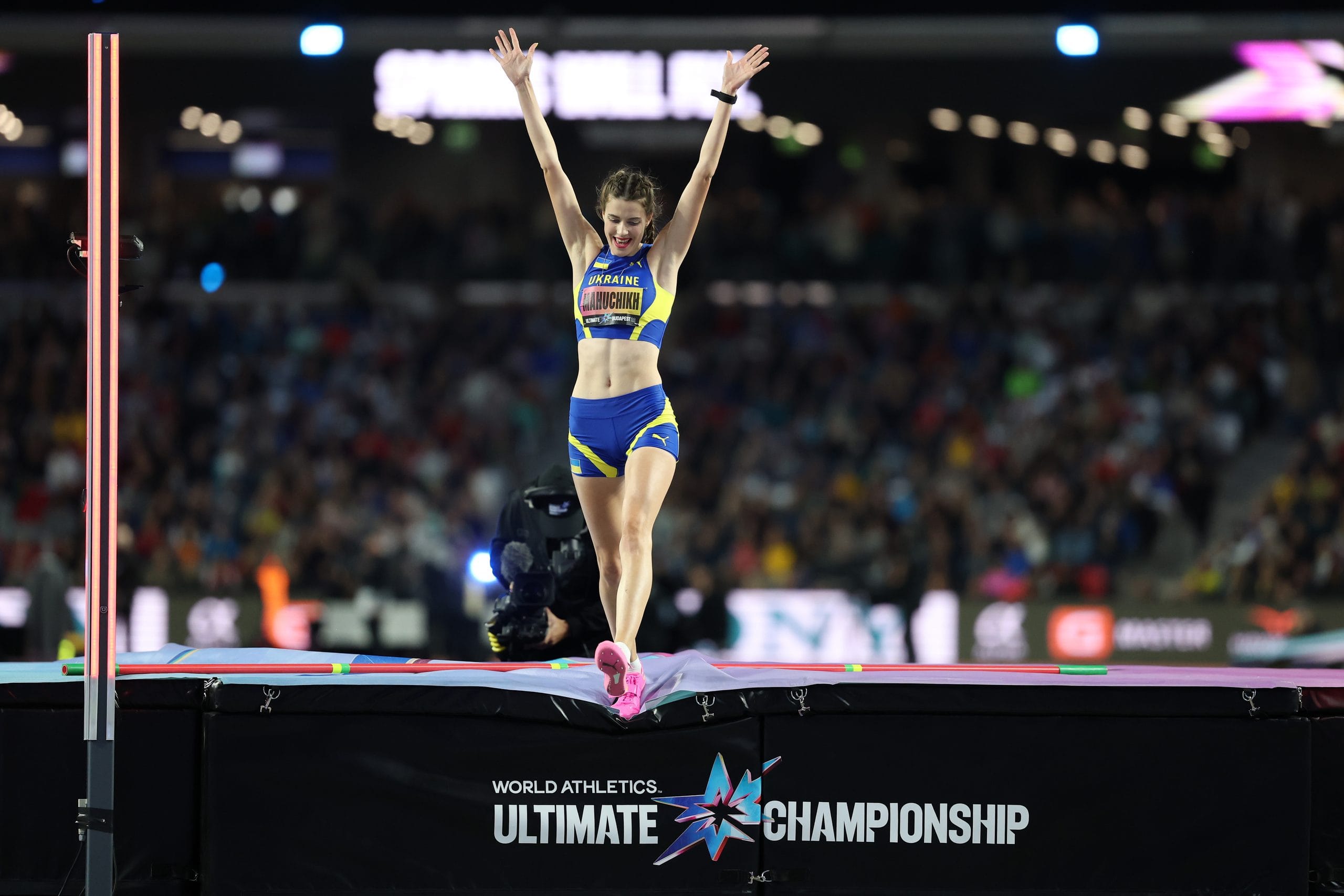
The rest of it: Nicola Olyslagers second in the high jump at 1.95m for US$75,000, with Eleanor Patterson equal third at 1.91m for US$32,000, both behind Ukraine’s world record holder Yaroslava Mahuchikh, who it is to be said, is an impressive big time performer. Kurtis Marschall was fourth in the pole vault at 5.95m in an event won by meet front man Mondo Duplantis in 6.20m, and Mackenzie Little fourth in the javelin with a season’s best 63.37m, each receiving US$25,000. Abbey Caldwell was sixth in the 1500m. Sarah Billings seventh in the 800m in 1:58.89. Ky Robinson was ninth in a 5000m where eight men finished within 1.2 seconds of each other.
Lachlan Kennedy missed the 100m final by five thousandths of a second off one of his worst starts of the year, and Torrie Lewis withdrew from the 200m injured the following night, having taken the outside lane in the first semi during the televised lane draft with the tenth pick.
Fifth in a semi-final by 0.005 is the sort of margin that used to cost an athlete nothing but a flight home. Here it potentially cost six figures, with the winning time in the final being the same as his PB set at the Commonwealth Games.
The arguments Budapest hasn’t settled
The event selection was contested before a spike went into the track and it is more contested now.
There was no 10,000m and no steeplechase. No shot put and no discus at all. No men’s triple jump, no women’s hammer, no combined events, nothing out-of-stadium. World Athletics has said the inclusions were driven by viewer behaviour data. This, per the BBC’s reporting out of Budapest, extended to measuring viewers’ pulse rates and sweat response.
Matt Denny put the counter-argument publicly before the meet, and it’s the sharpest rebuke anyone has written about the Ultimate Championship. Denny’s position isn’t that athletics shouldn’t innovate; he says the opposite, that the broadcast product needs improving and new audiences need finding. His objection is to the circularity. If an event has been minimally shown for twenty years, the sport has destroyed its own basis for claiming nobody wants to watch it. Denny claims you cannot control the exposure, the promotion and whose stories get told, then present the audience numbers as a neutral verdict.
His line: before deciding an event is the problem, ask “whether we have genuinely given it the opportunity to succeed”.
What made it land is who agreed. Australian hammer champion Steph Ratcliffe and race walker Rhydian Cowley, both outside the tent. Chase Jackson, the American shot putter, likewise. But also Lieke Klaver and Julian Weber, who were both invited, and Weber who finished third in Budapest in a javelin competition that was arguably the highlight of the three nights. When athletes who are getting paid back the athletes who aren’t, that isn’t sour grapes. That’s a constituency.
World Athletics’ President, Sebastian Coe, provided a response that the disciplines chosen are “not in tablets of stone”, which is either a genuine opening or a holding pattern from an adept politician depending on how 2028 is built. Karsten Warholm, who ran third in the 400m hurdles, has separately described the 2026 calendar as chaos, and heptathlete turned commentator Denise Lewis told the BBC the landscape isn’t clear yet. Both of those are fair comments.
But in terms of progress over perfection for the sport, the Ultimate Championships was ultimately good. Very, very good.
Against the graveyard
Last week I made the case that the Ultimate Championship isn’t an inherently better idea than Grand Slam Track: it’s a similar idea with the governing body’s chequebook, the governing body’s rankings deciding who’s credible enough to invite, and the governing body’s calendar guaranteeing it a prime time, season ending window.
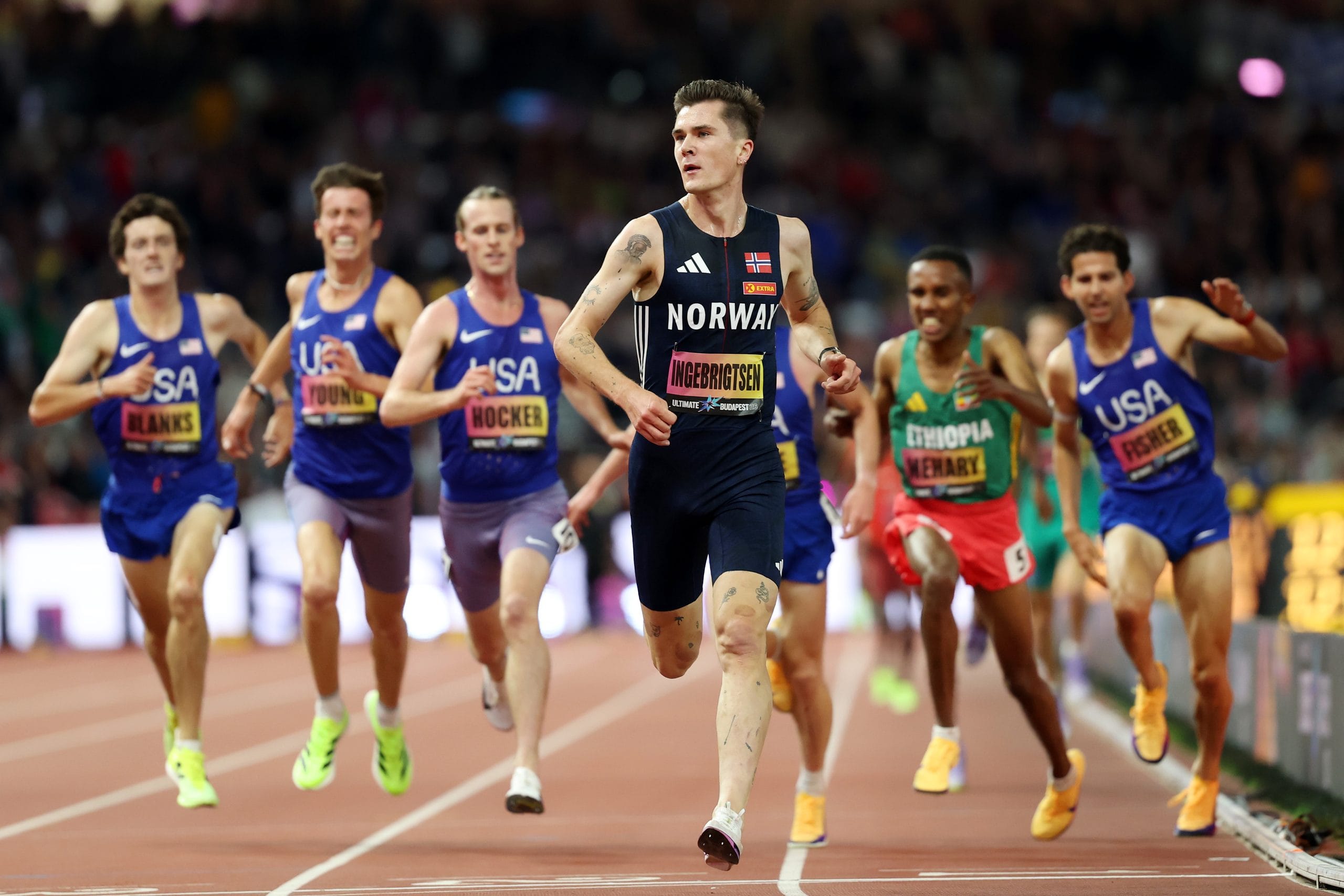
Three nights on, that structural advantage did exactly what it was supposed to do. Grand Slam Track had prize money and conviction and folded owing a reported $13 million. Nitro had Bolt, a crowd and a format, but lost $1.826 million in a year and never came back. Budapest had sell-outs, the best fields assembled outside a global championship, a world ranking score to prove it, and athletes delighted with their earnings.
The next edition is 2028, at the end of an Olympic year. That’s a far harder assignment than this one: a season with the genuine peak already in it, athletes asked to hold form into late September for a second time, and an event that will need to justify itself as more than the filler it was so well designed to be this year.
It has two years to work out what to do about the throwers and jumpers who are disillusioned, or, perhaps not.