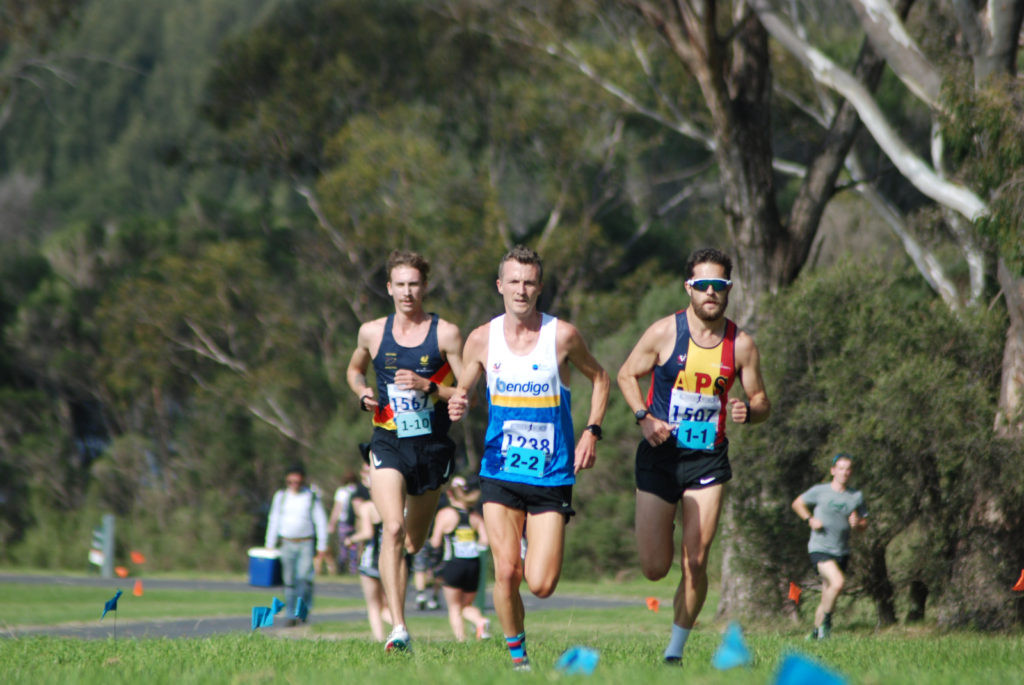


What would you be willing to pay to stream world class athletics live?
This piece is inspired by a recent tweet from live streaming aficionado, Lachlan Rayner. It’s presented below to set the scene.
How is FloTrack a 'local broadcaster' of Australia? They aren't Australian and they are behind a paywall?
— Lachlan Rayner (@LachlanRayner) May 9, 2021
Probably would have paid if the price point was right. But what a rip off 😡
— paulpearcecoaching (@paulcoachpearce) May 9, 2021
The topic is a classic conundrum for a rights holder like World Athletics that has dual responsibilities of promoting the sport and generating revenue: Do you give away content for free, to maximise exposure of the sport? Or put a price to it, to achieve a commercial return that can be reinvested in the sport, but at the expense of lower exposure?
It’s a topic others have also sought to address, but from a different perspective: providing additional income for elite athletes. Earlier this year the Parkdale Gift trialed an initiative where the top athletes at their meet received a cut of the pay-per-view income, while a similar model is being explored in the US.
We’re going to take your money. But we promise it’s going to a good place. https://t.co/cXRfkt2khs
— Jeff Merrill (@JedMerle) May 10, 2021
But first, back to Australia and viewing the big meets around the world. As David Culbert tweeted, it’s a peculiar set of circumstances that FloTrack have the Australian rights to World Athletics’ events and haven’t engaged in any marketing to encourage subscriptions to their service.
Perhaps it’s because FloTrack’s pricing would likely make the Australian audience baulk unless they are very interested in the US collegiate content they primarily focus on… $30 to pay by the month or $150 annually (presumably in US dollars?).
In turn, FloTrack not seeking to gain a commercial return on their investment makes one think that the World Athletics rights must not have cost them much… perhaps they were bundled with the US rights that service their constituent base?
So what are the rights worth? One way to put a value to them would be the figure out what Australian athletics fans would be willing to pay to watch the events (if they are willing to pay at all).
Help us find out that out with the below quick survey.
Survey closedWhile we’re at it, let’s also look at a similar question for Australia’s domestic season meets. We’ll publish a summary of the responses shortly, along with a range of opinions on the topic.
Survey closedLike to receive the results straight to your inbox? Subscribe to our newsletter.
Have an opinion on this topic? Join the discussion via Facebook or Twitter.
[wcepe_products ids=’1402,1411′ columns=’2′]
Latest posts:
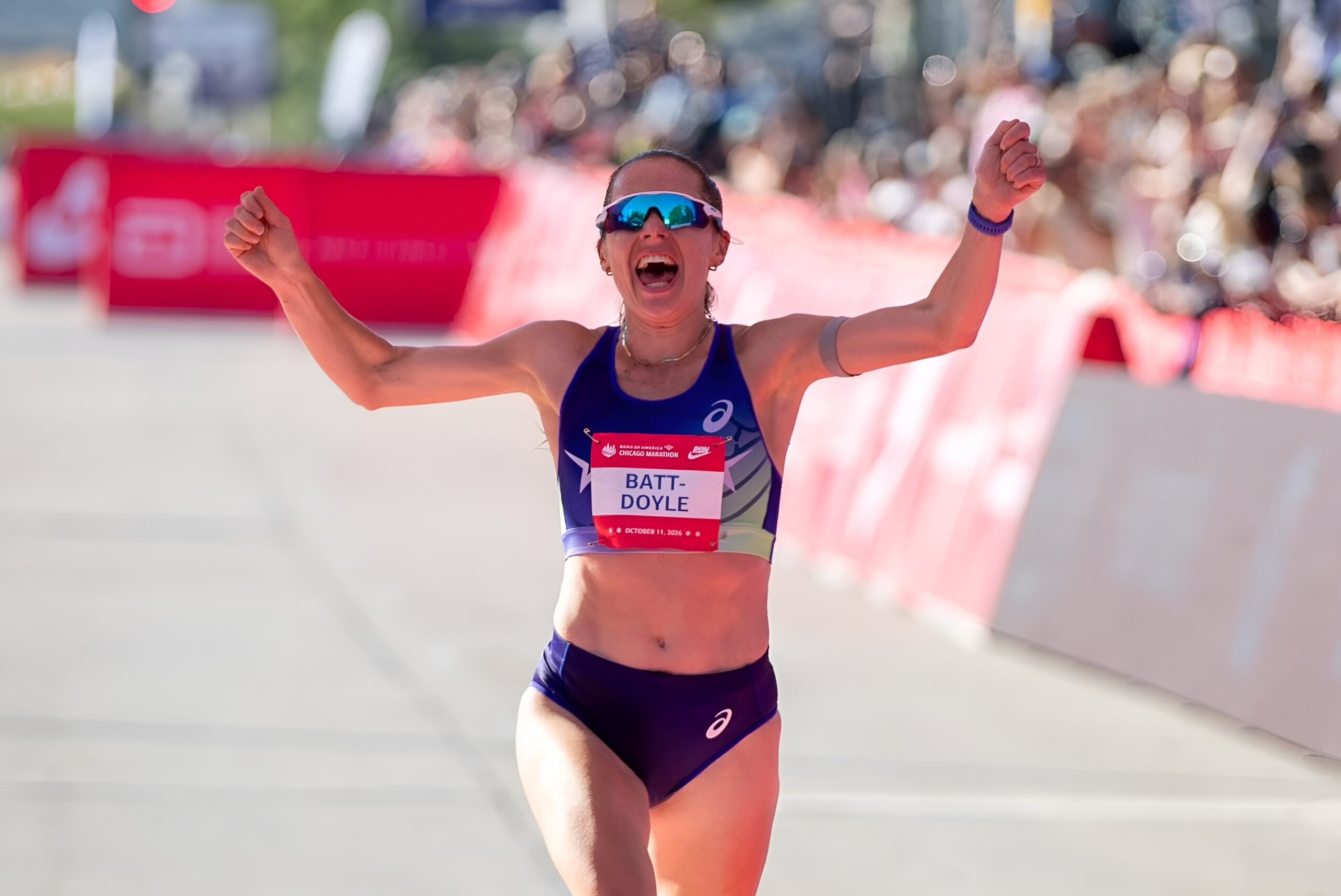
- Batt-Doyle breaks 2:21 with Australian record in Chicago
 Izzi Batt-Doyle is the fastest Australian woman ever over the marathon. The South Australian ran 2:20:38 to finish sixth at the Chicago Marathon on Sunday. That took 46 seconds off the national record Jess Stenson set in Valencia ten months ago, and makes Batt-Doyle the first Australian woman to go
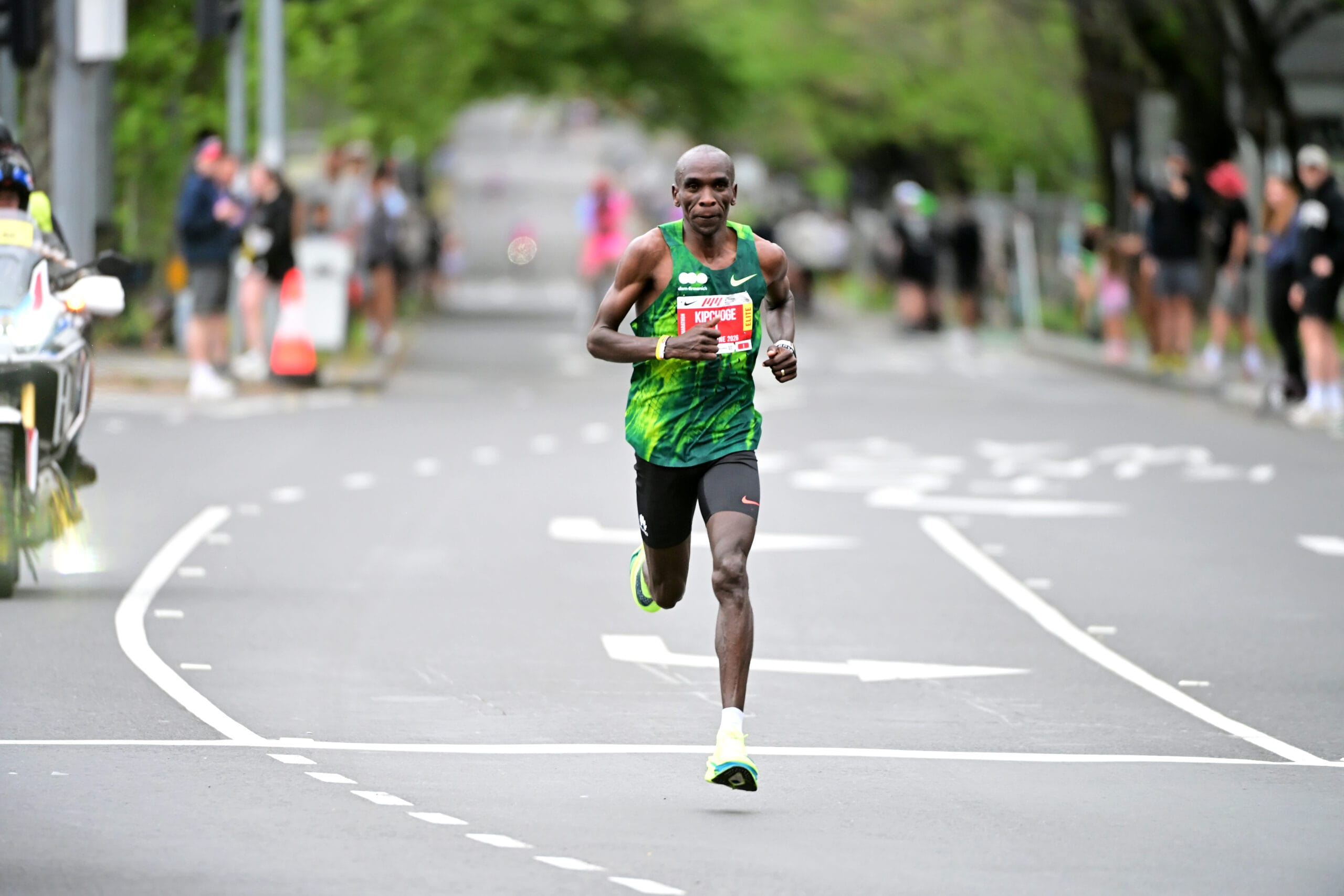
 - Kipchoge breaks course record at Melbourne MarathonEliud Kipchoge recorded the 18th marathon victory of his illustrious career with a convincing performance at the Melbourne Marathon. The two-time Olympic champion wound back the clock with a convincing victory on the streets of Melbourne, stopping the clock in 2:09:10. It was his slowest ever winning time for the
- It turns out we do value bananas, as Little Athletics starts new season and eraThe Coles Little Athletics Community Fund has passed $3 million in grants, as Little Athletics begins its first season under the Australian Athletics banner. Two years ago, weighing up whether Athletics West were getting value from their Little Athletics Australia affiliation, we concluded that it came down to how much
- Vale Pat Clohessy AM (1933–2026): athlete, coach, mentor
 He took Robert de Castella from the Xavier College team to a world marathon title, and for a generation his methods shaped how Australia trained its distance runners. Pat Clohessy AM, one of the most influential figures in the history of Australian distance running, has died aged 93. Robert de
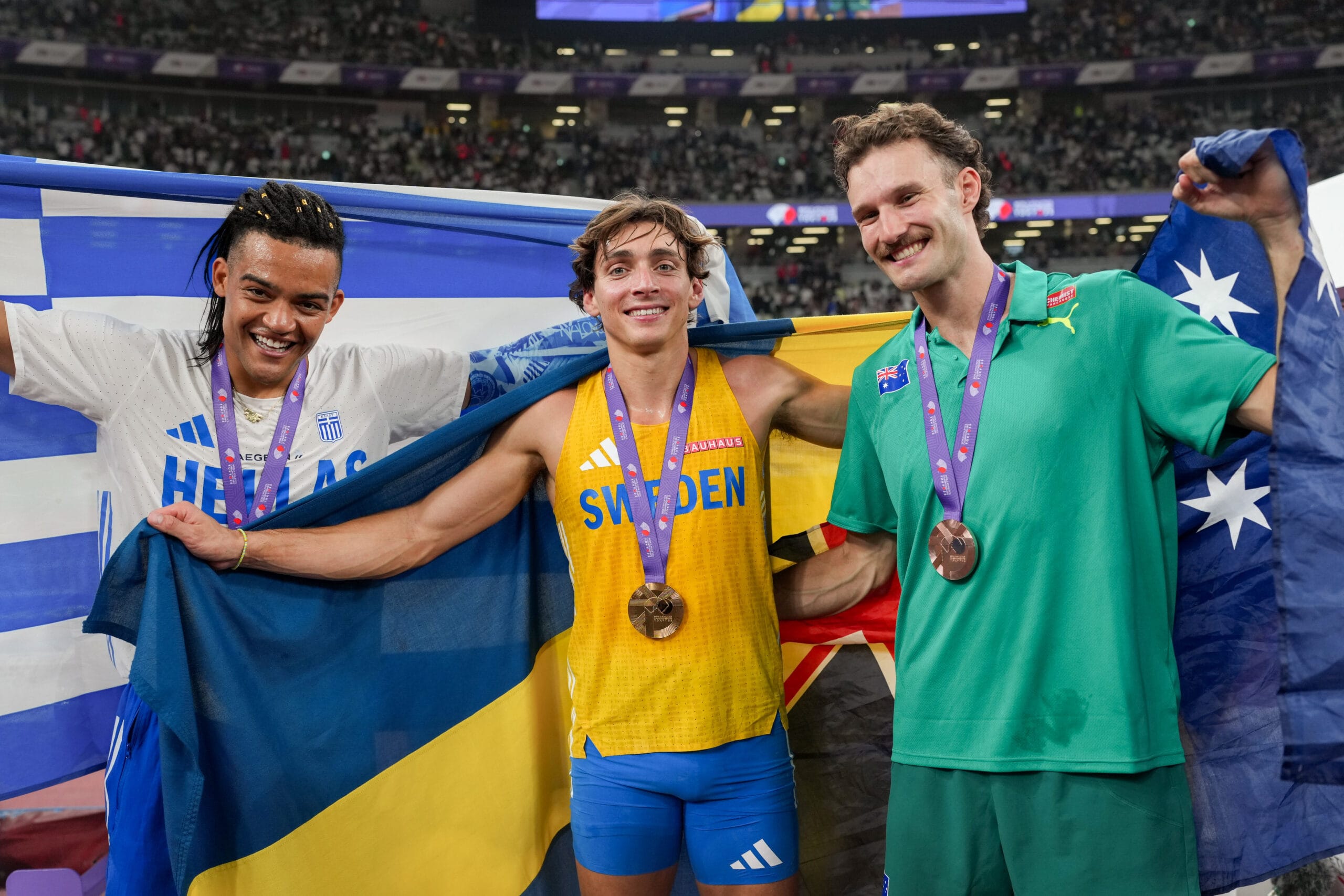
 - Kurtis Marschall Said Yes to Everything. Next, He Wants Mondo to Say Yes to Perth.After a 22-meet season that included a win over the greatest vaulter in history, Australia’s pole vault mainstay is plotting a night of lights, AC/DC and a tailwind that always arrives.. After a bronze medal at the 2025 World Championships and before the 2026 season began, Kurtis Marschall and his