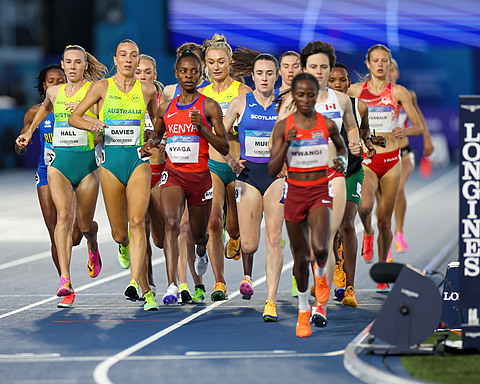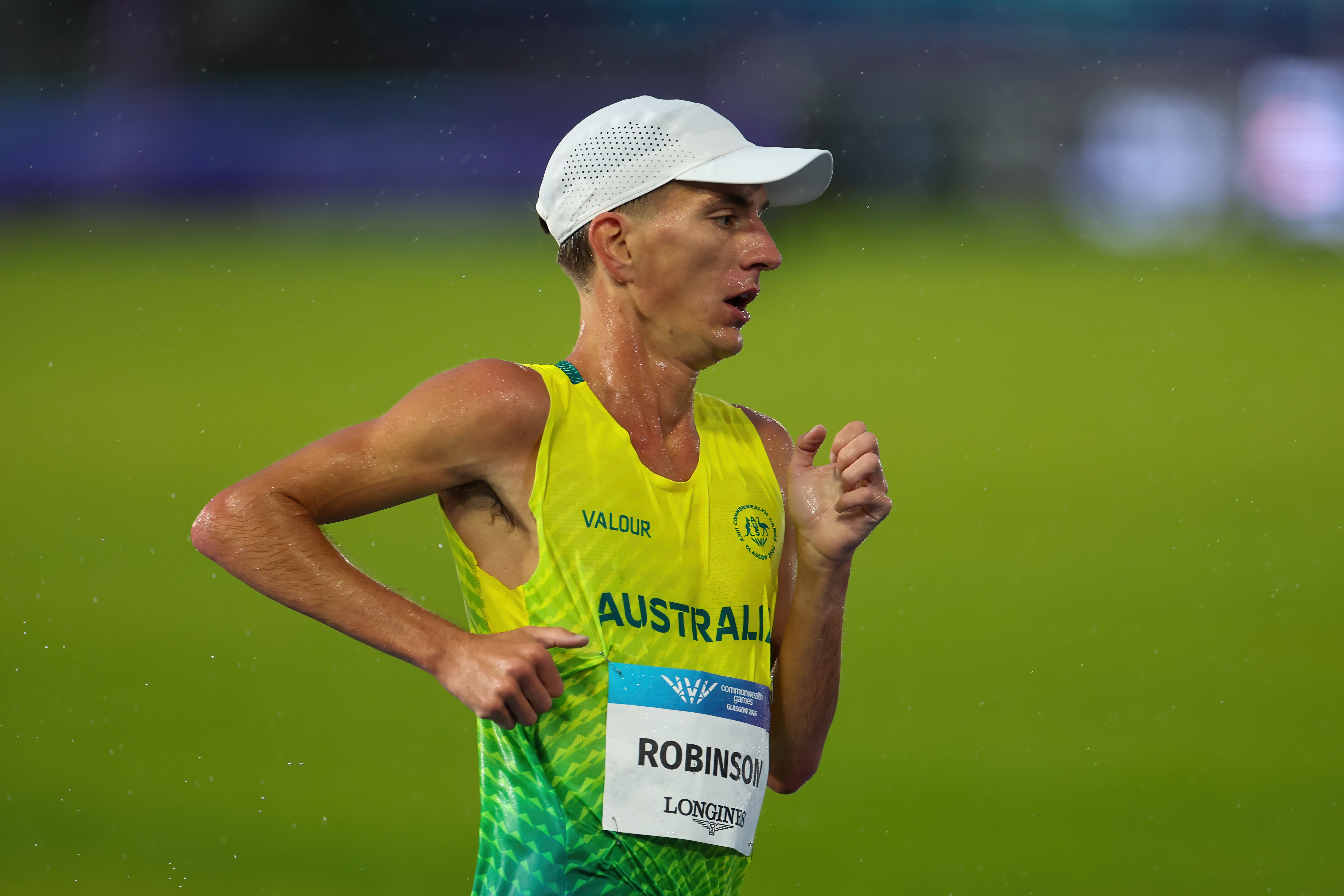
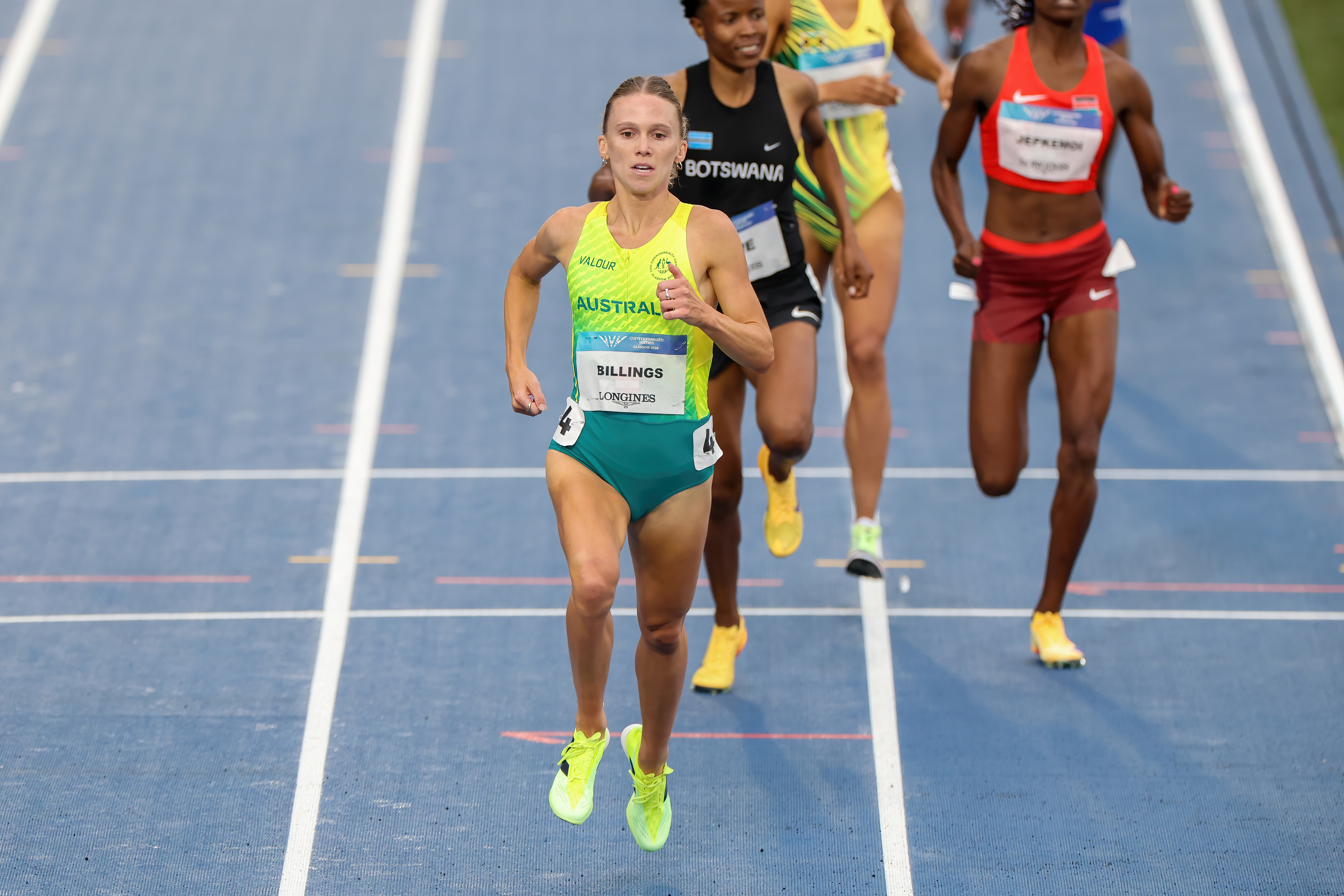
Sarah Billings lines up in Glasgow as Australia’s sole 800m representative, as the national record holder. Twelve months ago, neither half of that sentence looked likely. Five years ago, both would have seemed fanciful.
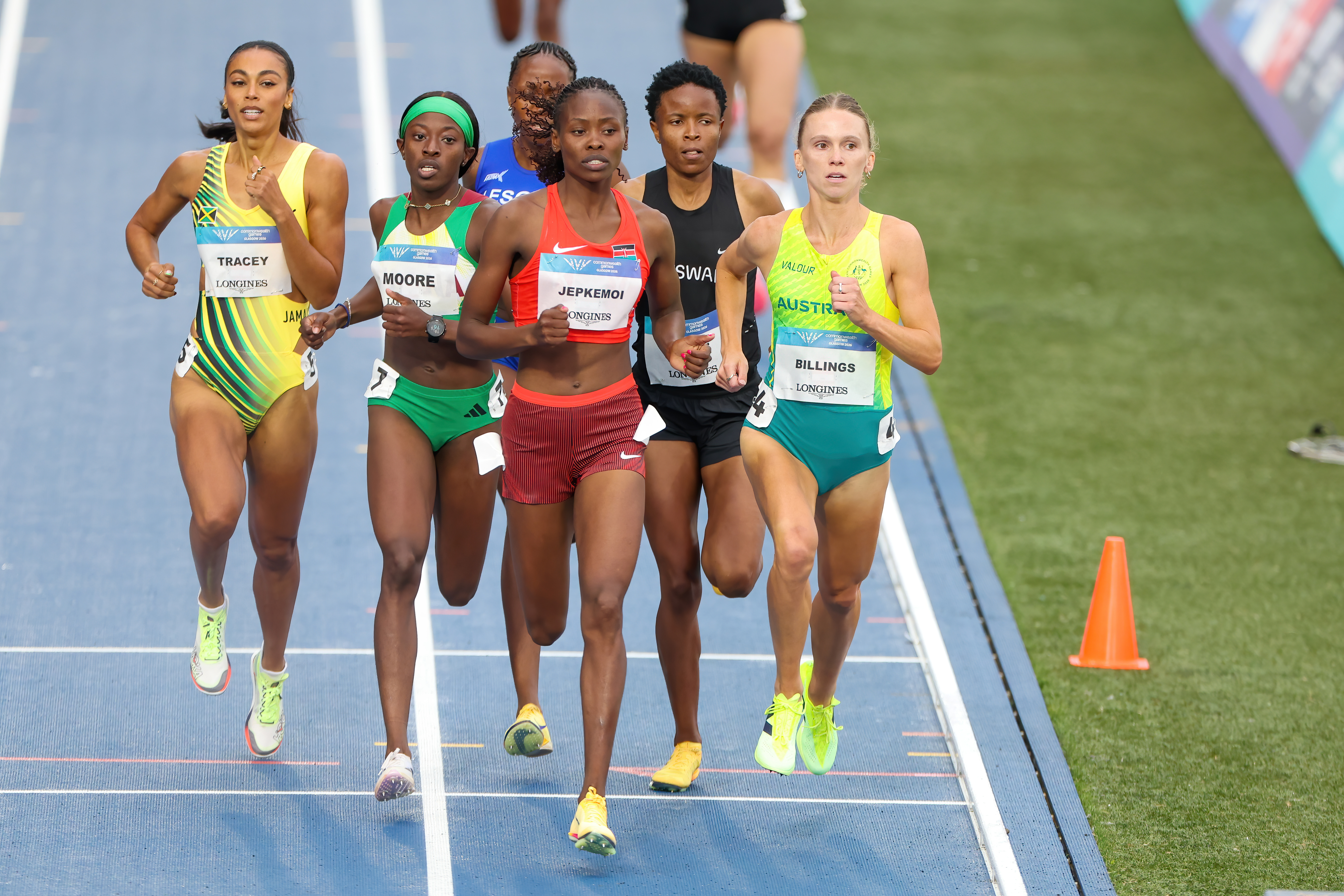
Speaking on episode 53 of the Run With It podcast with Elise Beacom, recorded from a Melbourne Track Club altitude camp in the French Pyrenees in June, Billings traced the long road between her first Australian team and her breakthrough: a road that took seven years to travel.
The seven-year gap
Billings represented Australia at the 2016 World Junior Championships in the 800m. Her next senior track team came at the 2025 World Championships in Tokyo. What happened in between was a slow unravelling, then a slower rebuild.
The unravelling began at World Juniors itself, where she raced on what turned out to be her first bone stress injury. “That was my first bone stress injury that I stupidly ran through,” she told Run With It. “So it lingered for a long time.”
A promising 2017 gave way to a lost 2018. “I was very lost,” she said. The junior standout who had run 54.39 for 400m as a 17-year-old — she began as a sprinter and hurdler, until a fall ended the hurdling — was watching the results dry up as she transitioned into senior ranks. “I went from being quite a successful junior, and I had a really strong mental approach when I was young, to not getting the results that I wanted as I moved into being a senior. So I basically lost all my confidence.”
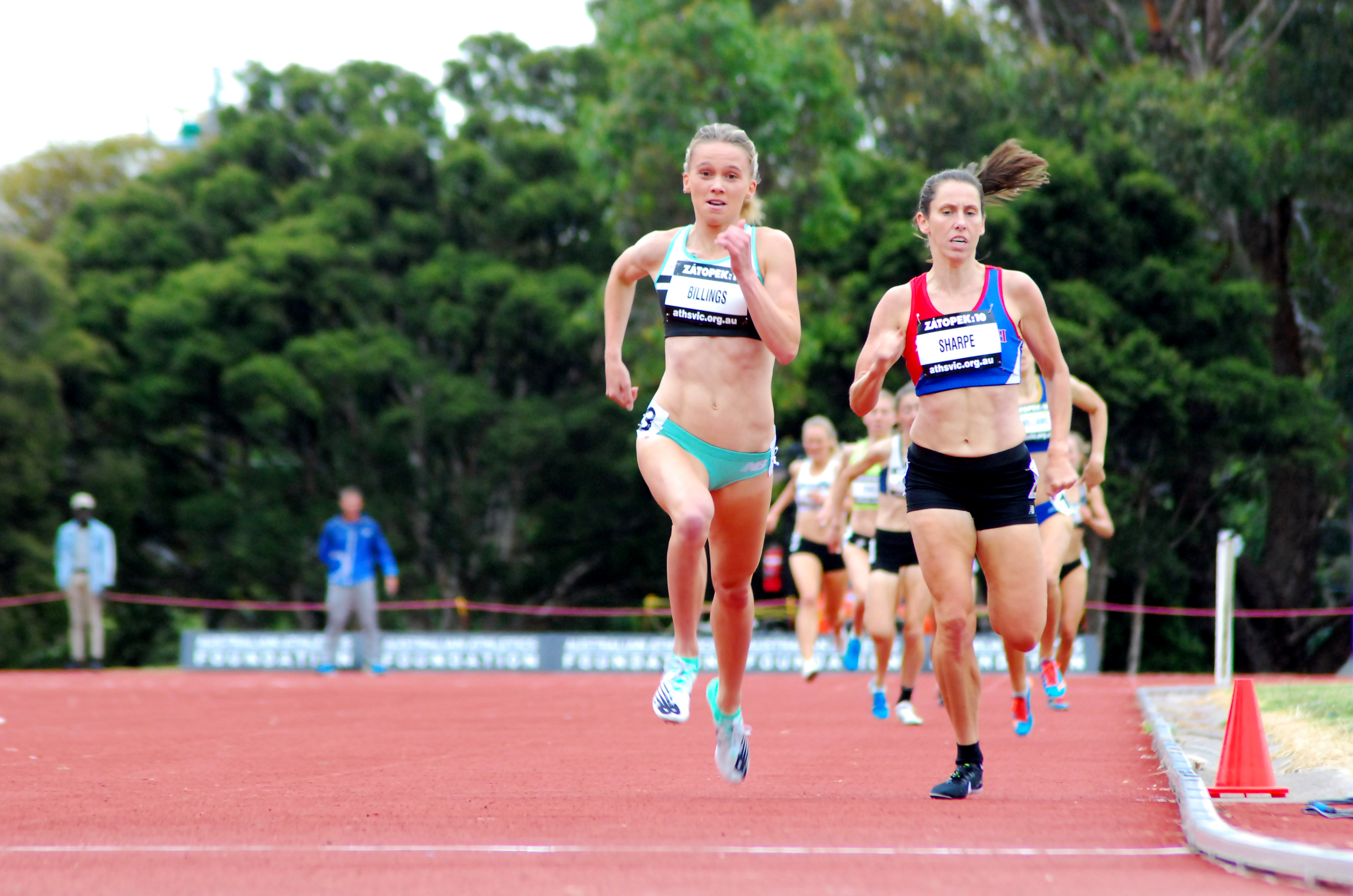
The decision to change coaches came with cruel timing. “Literally the day I had a meeting with Nic [Bideau], who’s my coach now, to agree to move to MTC, I was sitting there waiting for my scan result, which was a sacrum stress fracture — I guess my first really bad injury.”
The move to Melbourne Track Club demanded a wholesale rebuild of her physiology. Having come from a sprint background, Billings had never run further than 10km at school; her first 50-minute run came at 19. The adaptation was punctuated by a cycle of bone stress injuries through 2020 and 2021, each one carrying a cost far beyond the layoff itself.
“You might only have eight weeks off for an injury, but it will take probably double that to get back to where you were, let alone make up for the time you missed,” she said. “Sometimes an eight-week injury can set you back a year.”
She has not had a bone stress injury since July 2021, and credits those grim years with teaching her exactly what her body can absorb. The answer, it turns out, is remarkable in its monotony: 105–115 kilometres a week, a rest day every second week, track on Tuesday, a 30-minute threshold on Thursday, hills on Saturday and 90 minutes on Sunday. She estimates it took her until the end of 2023 to fully build to that load.
She has barely changed a session since.
“It’s annoying because it can be very boring, because you’re doing the same thing every week,” she said. “But it’s literally the key to getting better.”
Asked whether she ever hated running through the injury years, her answer was immediate:
“I never hated running. I hated cross training.”
Sarah Billings
The rebuild was mental as much as physical. Before she even returned to racing in 2022, Billings recognised she needed help upstairs, and since early 2023 has spoken with performance coach Brett Stephens before and after every race. It’s a ten-minute calls, she says, that strip the sport back to its essentials. “At the end of the day, you are just trying to run as fast as you can for a few laps of the track. It doesn’t need to be this big, complicated thing.”
Stephen’s central message has become her operating system:
“Your career isn’t defined by what teams you make or what results you get.”
Off the track, the rebuild was funded from a reception desk. Billings worked as a receptionist for four years to support her running; she credits an understanding boss for making the travel possible. At the same time, she was completing a degree in architecture and construction management. Only this year did she become a full-time athlete. Family kept her grounded throughout, including brother Jack, the former AFL player with St Kilda and Melbourne, with whom she bonded over parallel injury runs.
National champion for twelve hours
If the injury years tested her patience, this year’s national championships tested her equanimity. Billings crossed the line second in the now-infamous Sydney 1500m final: the race in which Jess Hull fell, Claudia Hollingsworth was disqualified that night, and Billings was elevated to national champion, only for Hollingsworth to be reinstated on appeal the following morning.
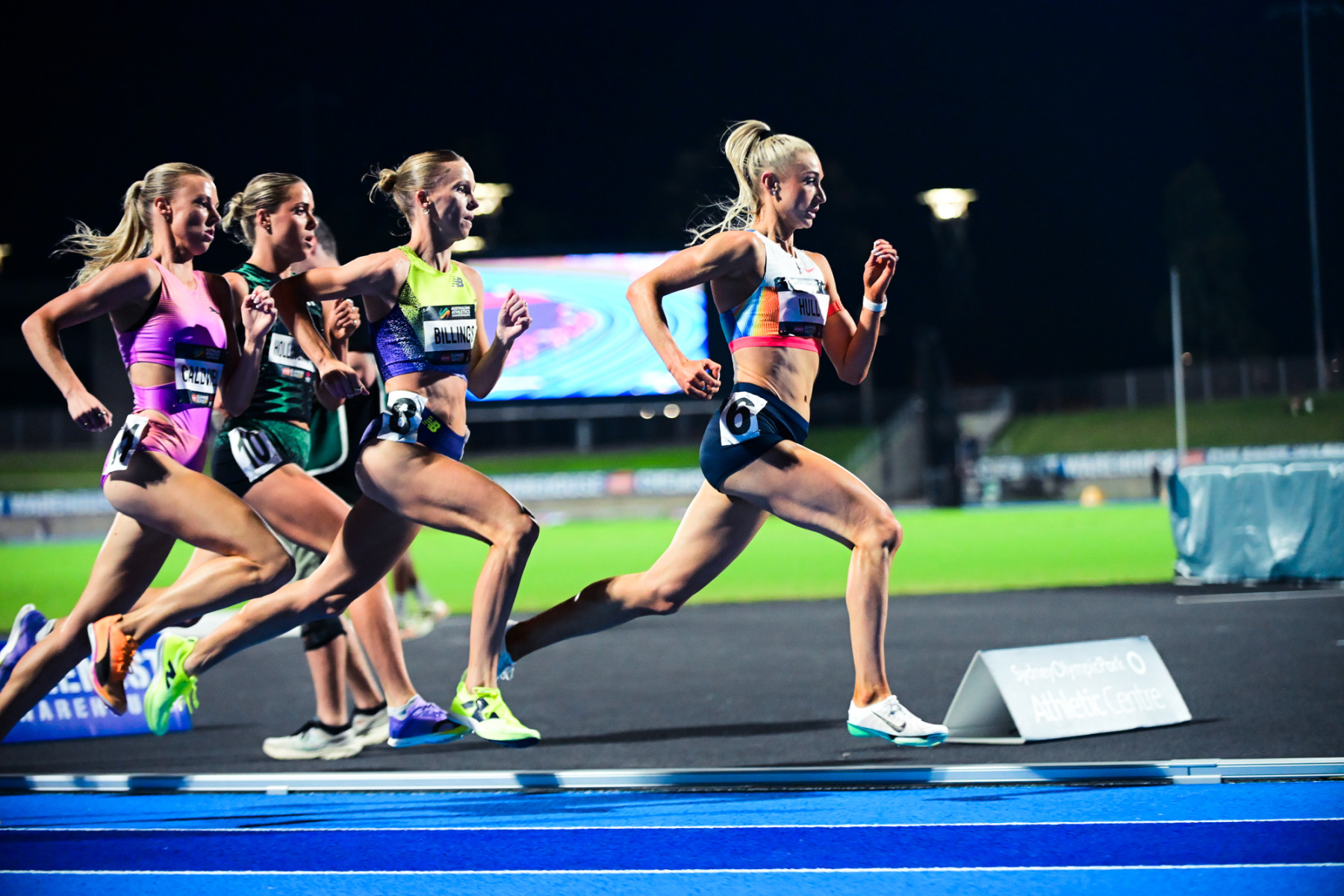
“It didn’t feel like I won or anything,” she said of her half-day as champion.
“Getting a silver medal definitely felt more right than getting a gold, because I didn’t cross the line in first. It was just a bit hollow.”
Sarah Billings
Tactically, it was actually one of her best races — she responded instantly when Hull kicked with 500 to go, the very move she had missed a year earlier — but the aftermath left her cold, not least the revelation that athletes were unsure whether the race would even count as a selection trial. With the 800m the following day, she absorbed emails about protest meetings while trying to prepare. “I was like, guys, let’s just maybe deal with it after the 800.”
She was equally candid about the selection landscape that followed, with a smaller Australian team forcing selectors to weigh athletes across disciplines. “You could be fighting against someone in a completely different event group. And how do you compare apples and oranges? The selection policy was very subjective… it leaves a lot of power to the selectors.”
From selection scramble to the record books
In the end, Billings did not leave the selectors much room for debate.
At the Rabat Diamond League Sarah Billings climbed to second on the Australian all-time list in the 800m, clocking 1:57.61 for 7th place. The performance came on the final day of the Commonwealth Games selection period and moved her to the 10th ranked athlete in the Commonwealth on Top Lists.
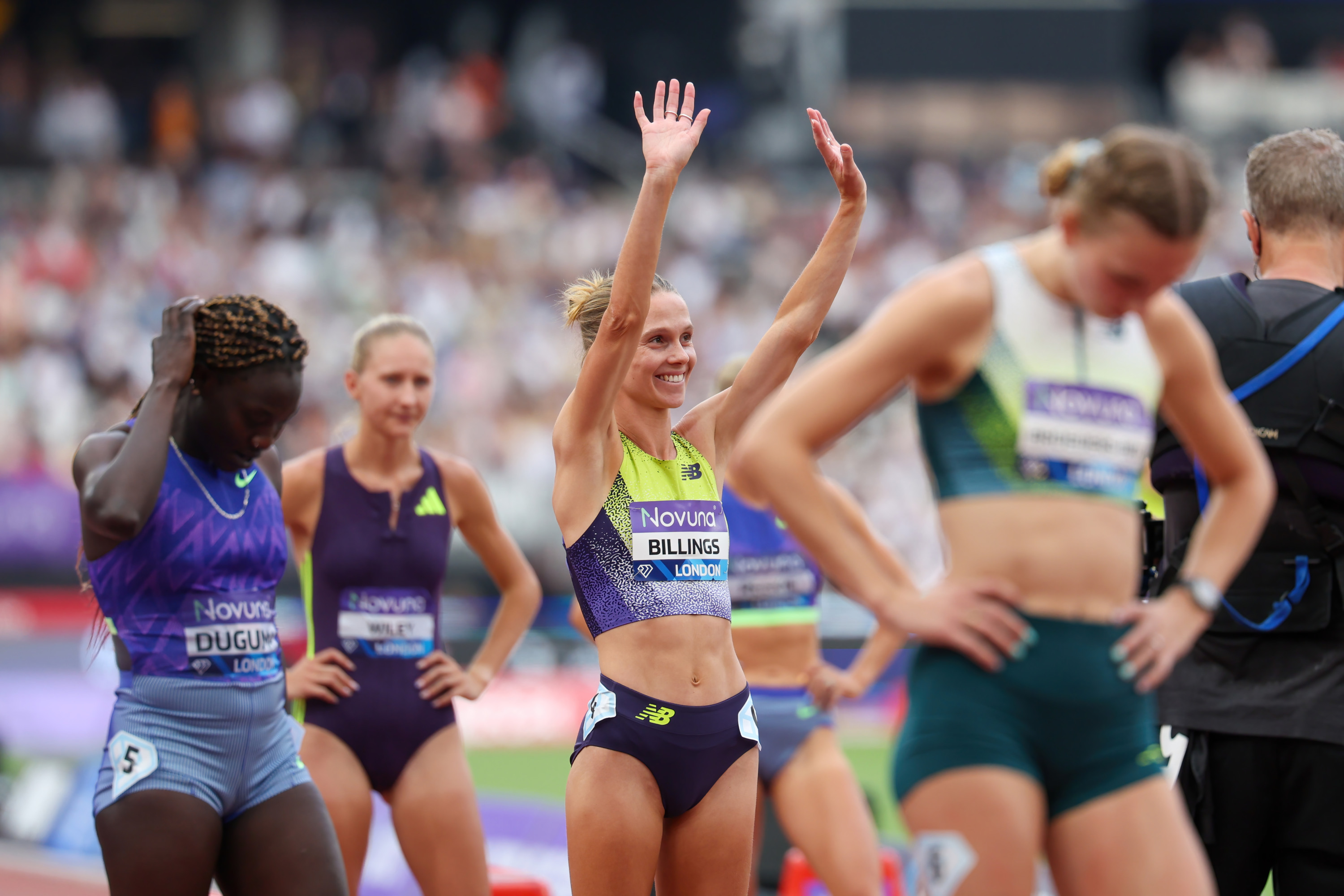
Even then, she believed there was more. Boxed in around the final bend in a 13-strong field, she told Run With It she was “really ready to kick” and never quite got the chance. “In a way, it’s exciting, because I think there’s a lot more there if I had a cleaner race.”
She was right. Ten days later in Paris, the cleaner race arrived: 1:57.01, a national record, taking down Jess Hull’s 1:57.15 from last year’s world championships.
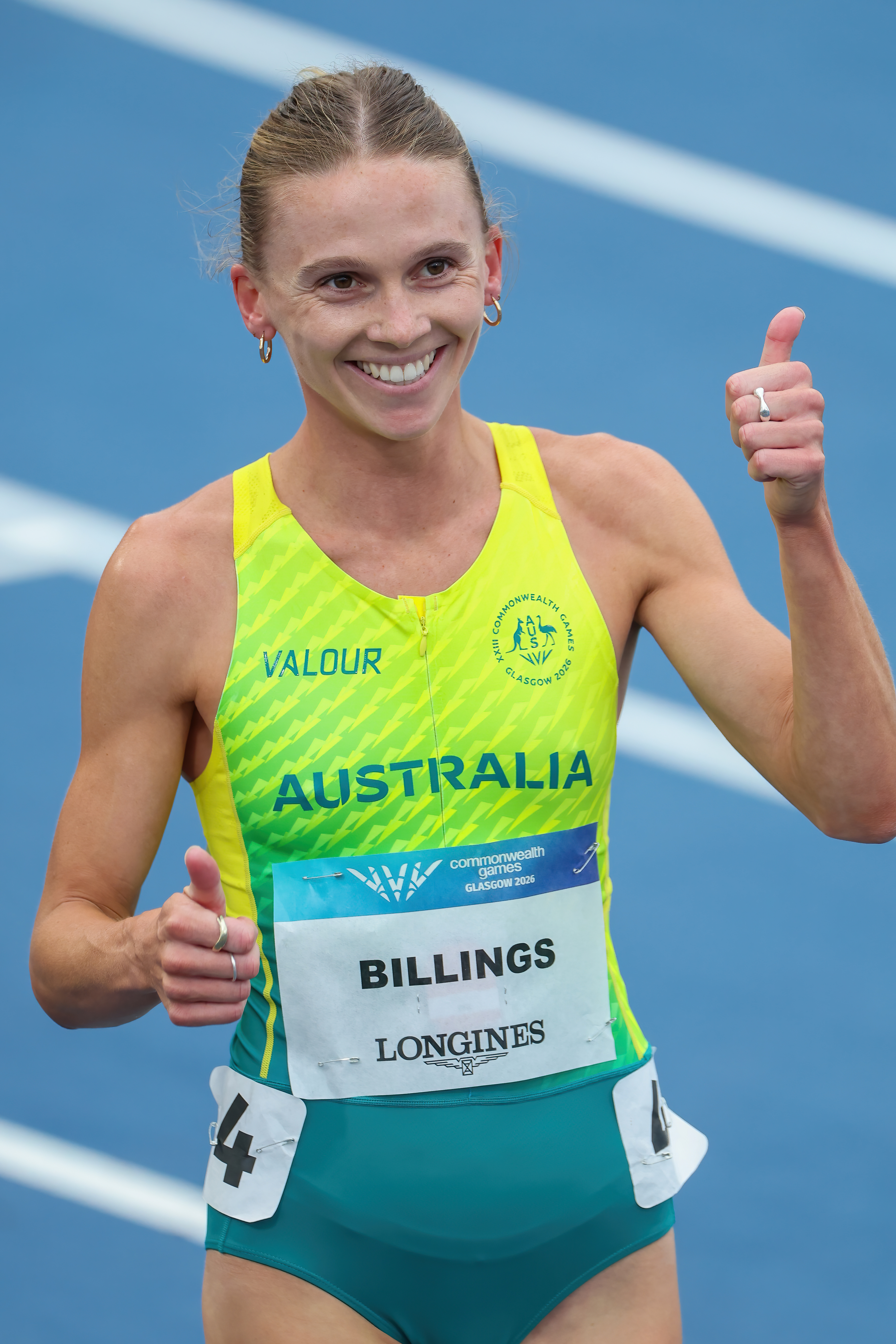
For a runner who spent her early twenties doubting whether the 800m was her event at all, the symmetry is hard to miss. Seven years in the wilderness taught Sarah Billings what her body could handle, what her mind needed, and what a week of training should look like. She has run that same week ever since. In Glasgow, we find out where it takes her next.
Quotes courtesy of the Run With It podcast, episode 53. Listen to the full interview.