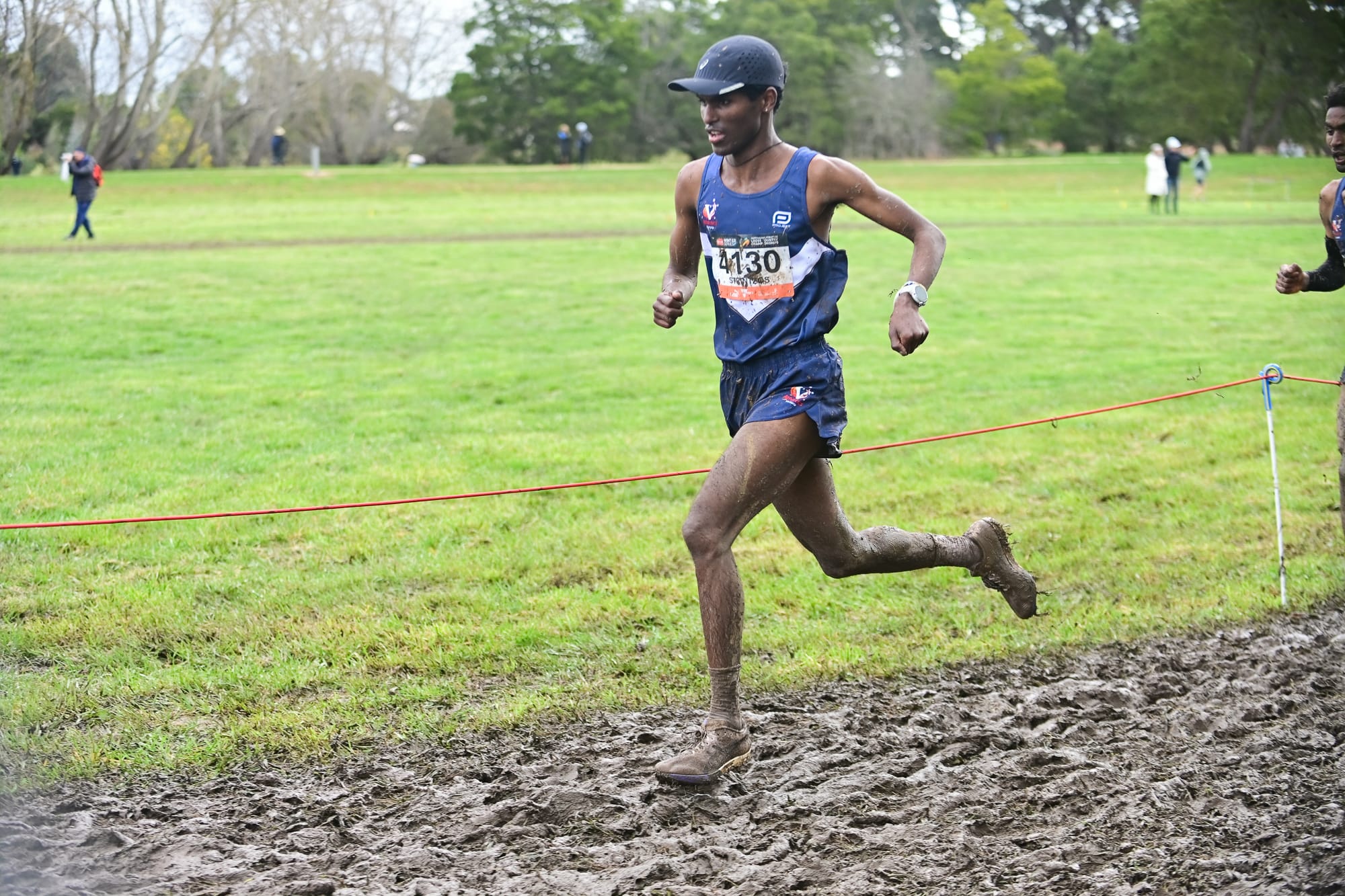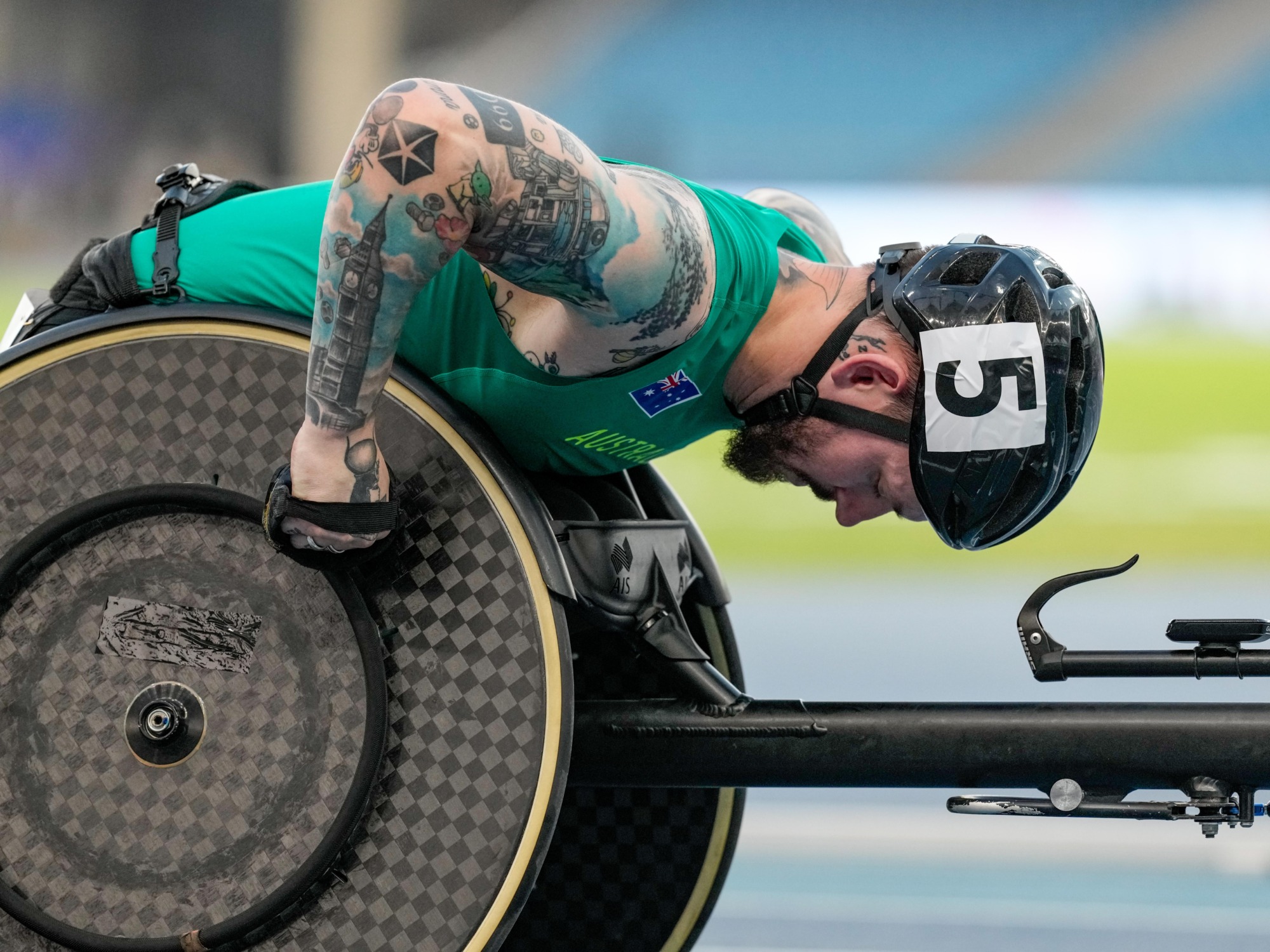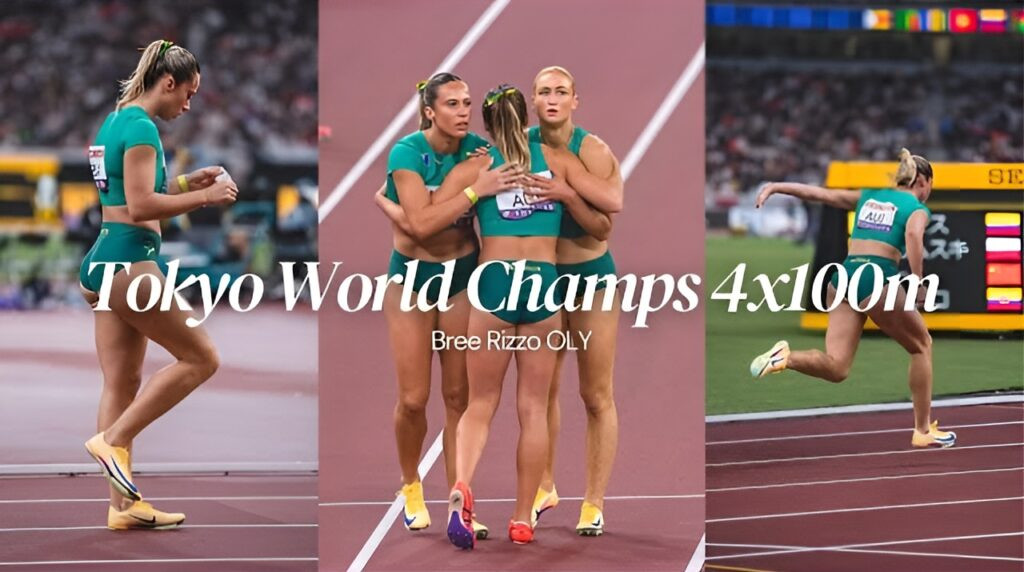

Thirteen medals. Ten Australian records. Twenty-four debutants. Australia’s Para Athletics team lit up the 2025 World Para Athletics Championships in New Delhi, a glimpse of a golden future as the LA 2028 cycle roars to life.
Photos by Augusto Bizzi, Luca Pagliaricci and Eva Pavia, courtesy of Australian Athletics
Across nine days inside Jawaharlal Nehru Stadium, Australia collected 13 medals (2 gold, 6 silver, 5 bronze) and ushered in a changing of the guard. With an average team age of 24 and 12 teenagers in the squad, the new wave stood tall alongside established champions.
“This campaign was about investing in the future… their immediate progress in New Delhi is not only reassuring but very exciting.”
Andrew Faichney, Australian Athletics General Manager – High Performance
Gold
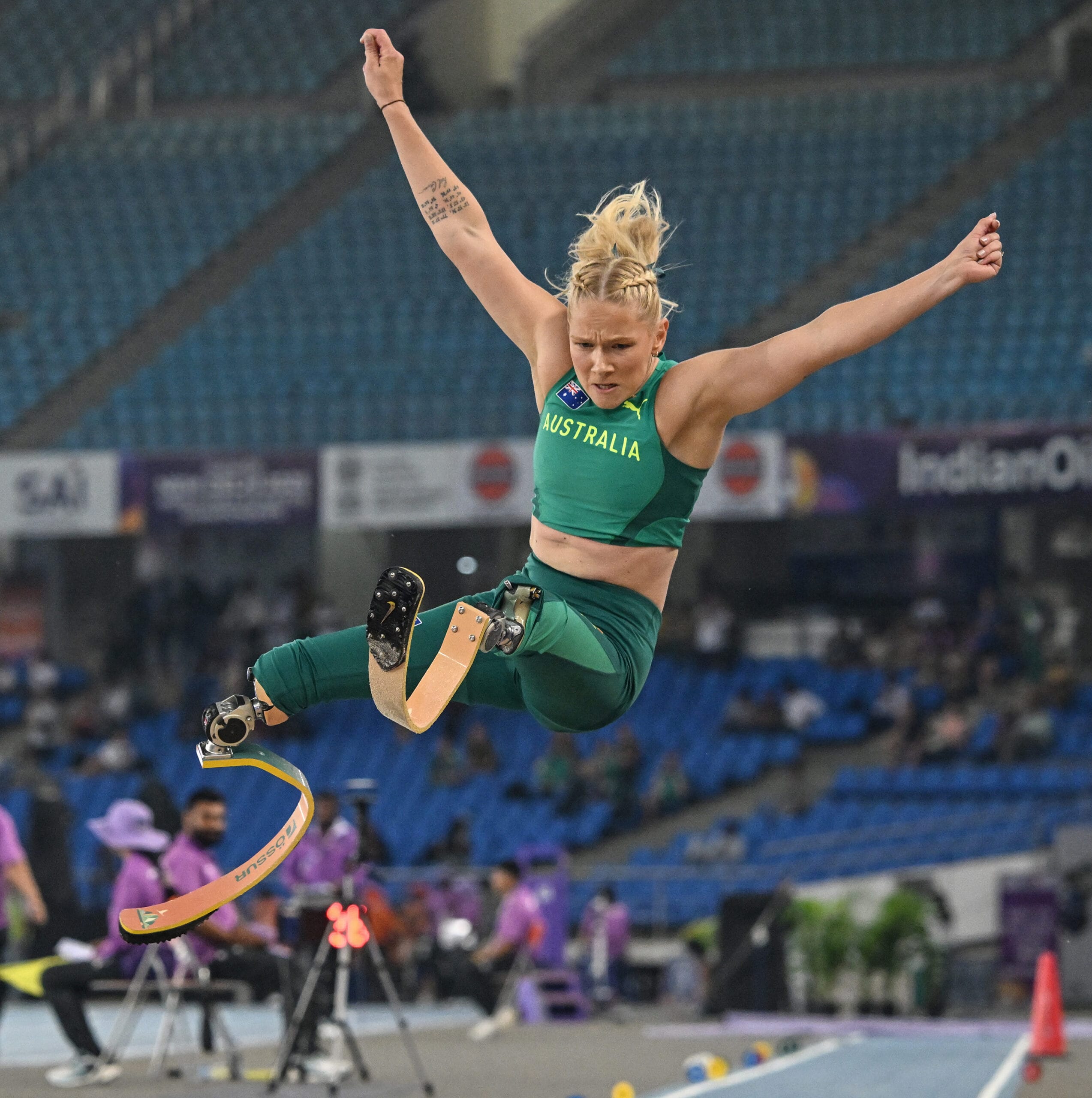
Vanessa Low — Long Jump T63 (Gold)
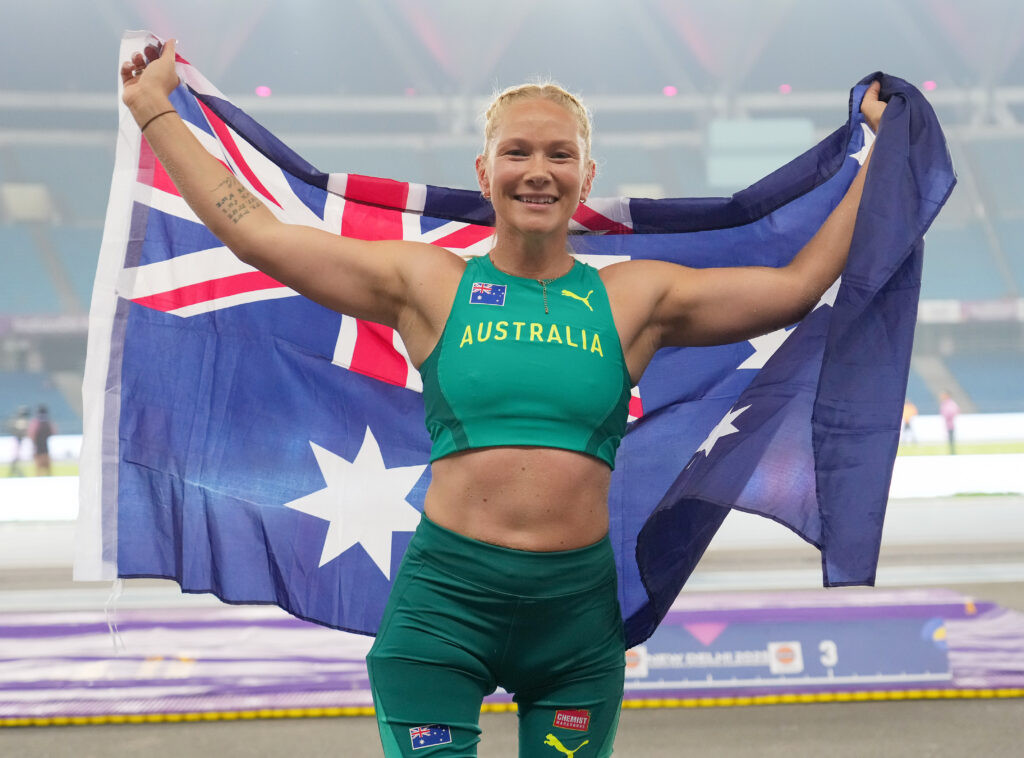
A three-time Paralympic long jump champion, Vanessa Low produced a clutch 5.49m (+0.5) to win by four centimetres and go back-to-back at world level for the first time.
Class guide — T63: Athletes with a single above-knee amputation who compete with a prosthetic limb.
“It was much closer than I wanted… but you can’t be disappointed with a win. I’m already looking to LA 2028 and really trying to push for six metres.”— Vanessa Low
James Turner — 400m T36 (Gold)
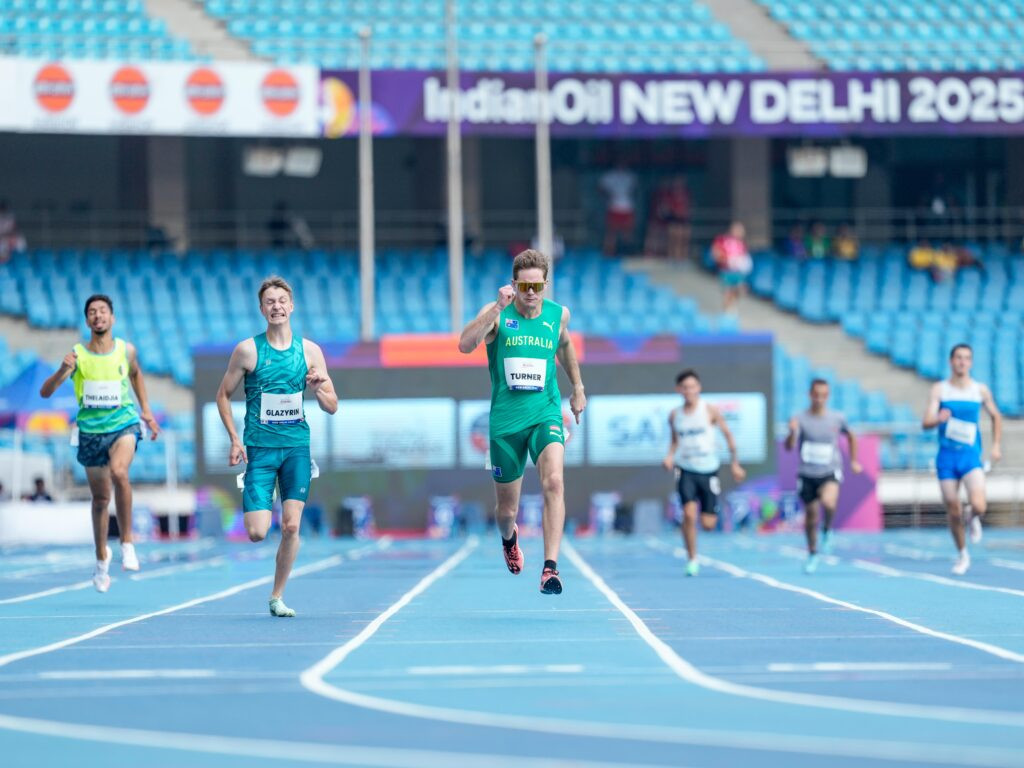
World record holder James Turner reclaimed his 400m title in 52.18s, holding off a furious late charge for global gold number 12.
Class guide — T36: Athletes with coordination impairments (e.g., cerebral palsy) affecting all four limbs; run without support.
“It hurts! But it feels good. I’ve taken back the crown… proving how far I’m willing to go.”— James Turner
Silver
Rheed McCracken — 100m & 400m T34 (2× Silver)
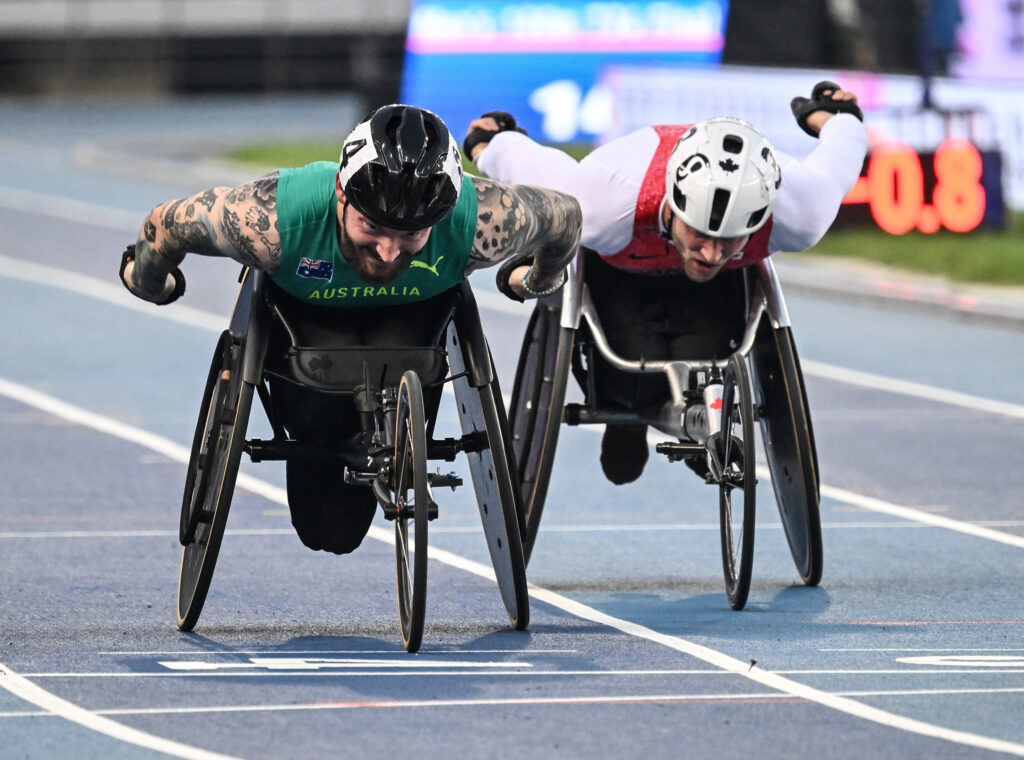
Rheed McCracken continued his resurgence with silver in the 100m and 400m, including a season-best 48.67s over one lap.
Class guide — T34: Wheelchair racing class; athletes have coordination impairments affecting lower limbs.
“I’m really happy — I gave everything… I’m stoked to leave with a medal.”— Rheed McCracken
Mali Lovell — 100m & 200m T36 (2× Silver)
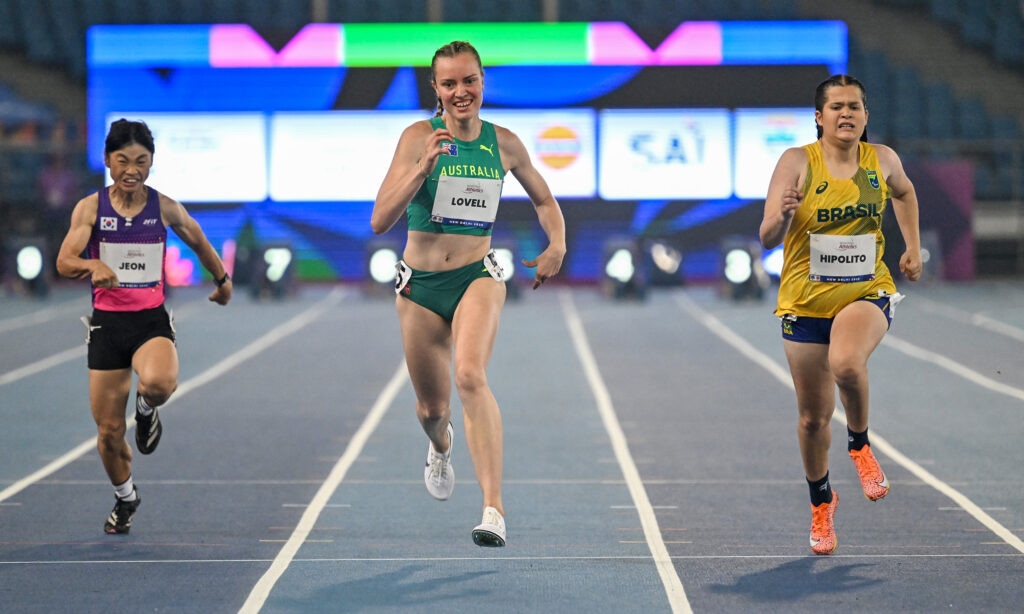
Mali Lovell blazed to 14.56 (-0.6) for silver in the 100m, then stormed the 200m in 29.69 (+1.0) for another silver — five global medals by age 21.
Class guide — T36: Athletes with coordination impairments (e.g., cerebral palsy) running unaided.
“Everything is just surreal… it feels so good to be on the podium.”— Mali Lovell
Chad Perris — 100m T13 (Silver)
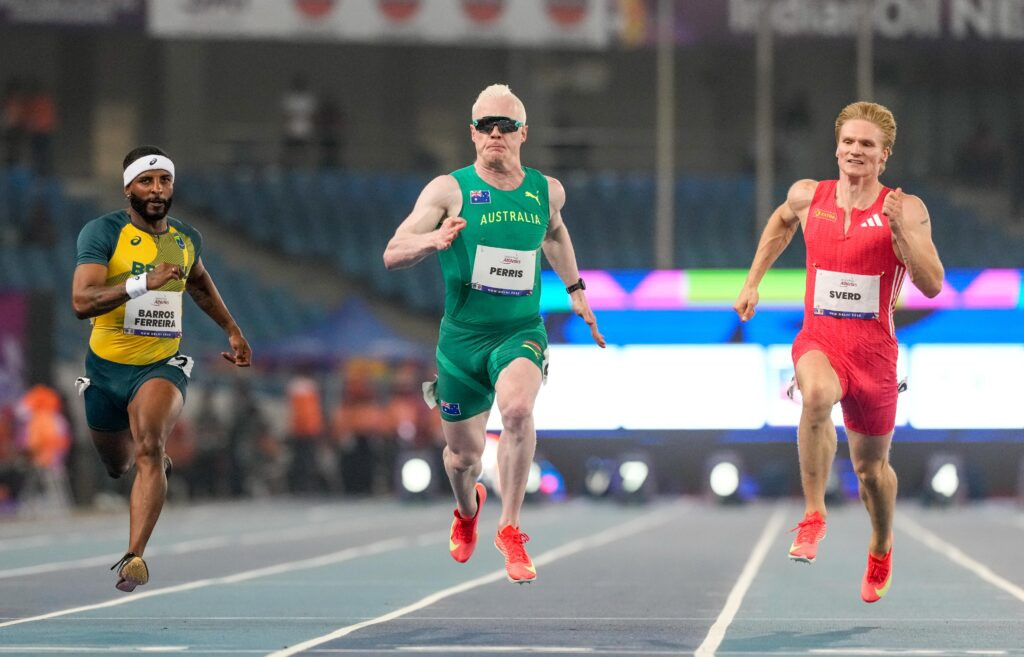
Chad Perris returned to world-medal form with 10.96 (-1.3) for silver in the T13 100m.
Class guide — T13: Vision impairment class with the least severe eligible visual limitation.
“It’s one to savour… I’m proud to share this moment with such a big, young team.”— Chad Perris
Kirra Wright — Shot Put F36 (Silver)
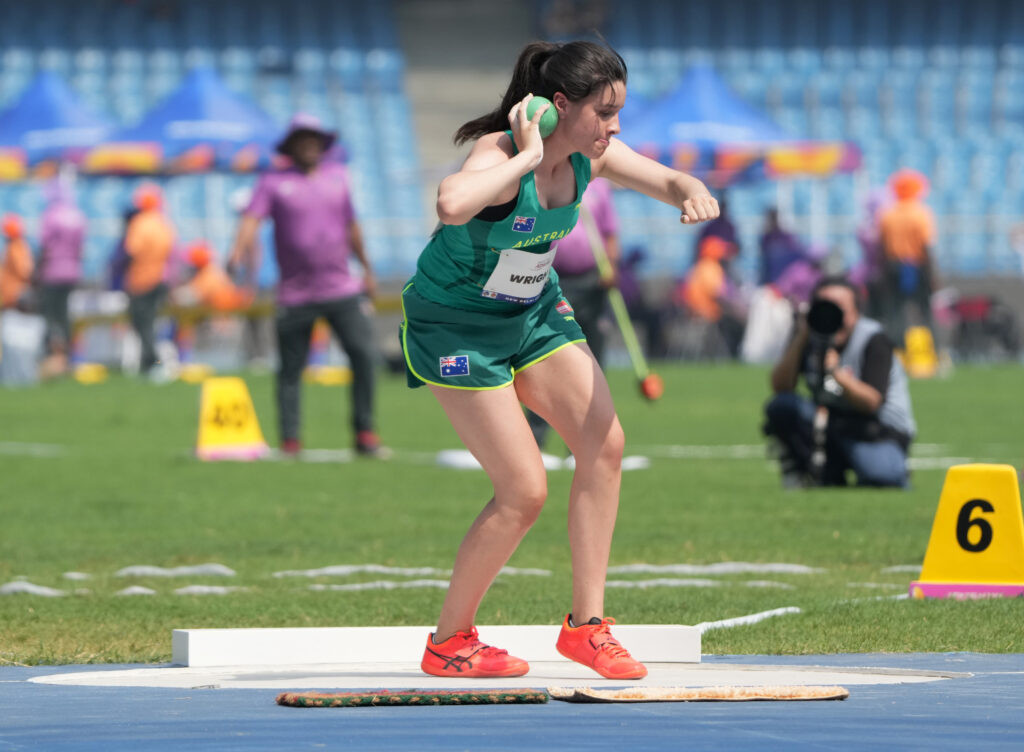
At 17, Kirra Wright stunned the field with a breakthrough 8.30m to secure silver on day one.
Class guide — F36: Field class for athletes with coordination impairments; standing throws.
“It’s pretty unreal! A medal wasn’t even on the cards.”— Kirra Wright
Bronze
Angus Hincksman — 1500m T38 (Bronze)
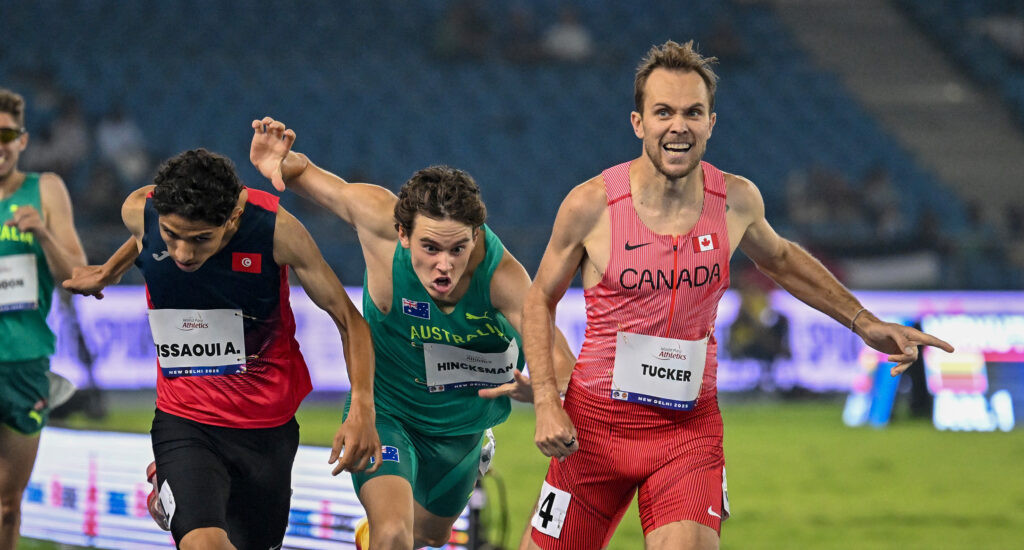
Angus Hincksman closed Australia’s medal tally with a composed 3:58.19 for bronze.
Class guide — T38: Athletes with mild coordination impairments; standing events.
“A big stress reliever… getting back on the podium makes it all worth it.”— Angus Hincksman
Jaryd Clifford — 1500m T13 (Bronze)
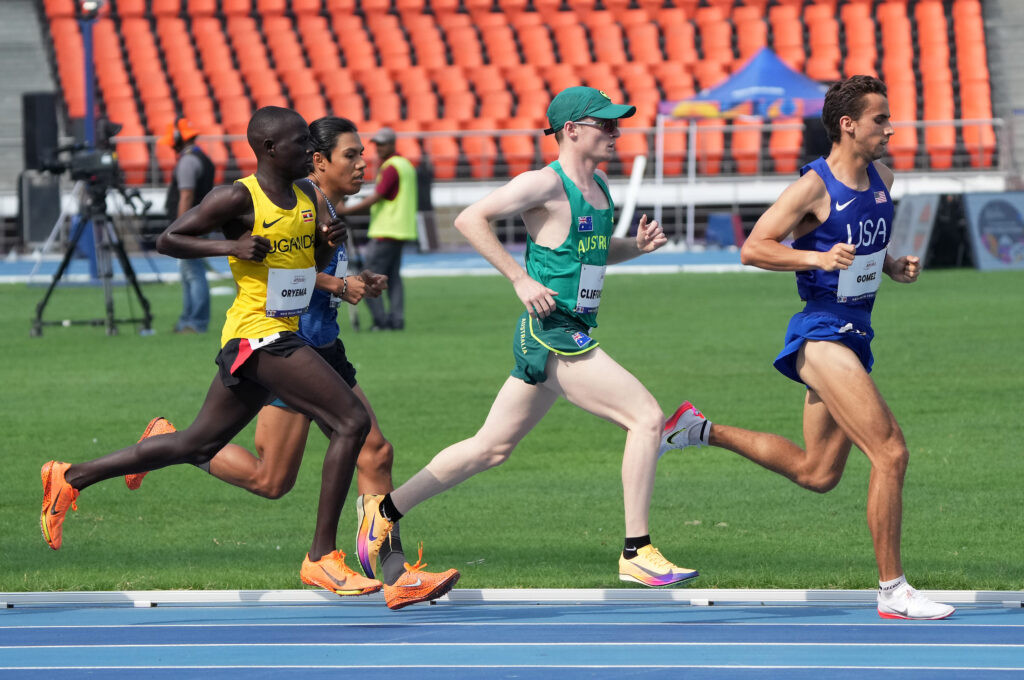
Jaryd Clifford played the tactics perfectly to secure bronze in 3:58.87.
Class guide — T13: Vision impairment class; least severe eligible limitation.
“The real goal is LA 2028 — I’d rather take the gold there.”— Jaryd Clifford
Annabelle Colman — 1500m T20 (Bronze)
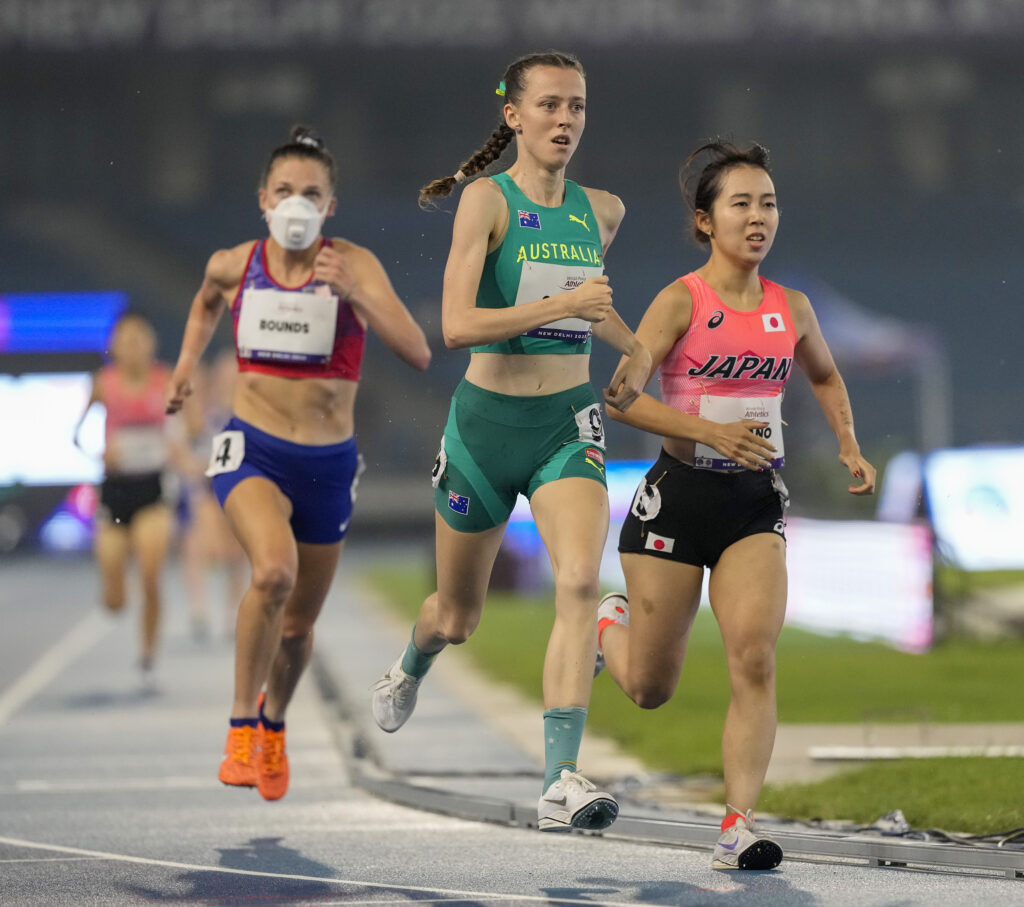
Annabelle Colman upgraded her Paralympic fourth to bronze with a composed 4:35.56.
Class guide — T20: Athletes with an intellectual impairment affecting areas like pacing, decision-making, and race tactics.
“It wasn’t a PB, but I’m proud I won bronze and enjoyed the moment.”— Annabelle Colman
Dayna Crees — Javelin Throw F34 (Bronze)
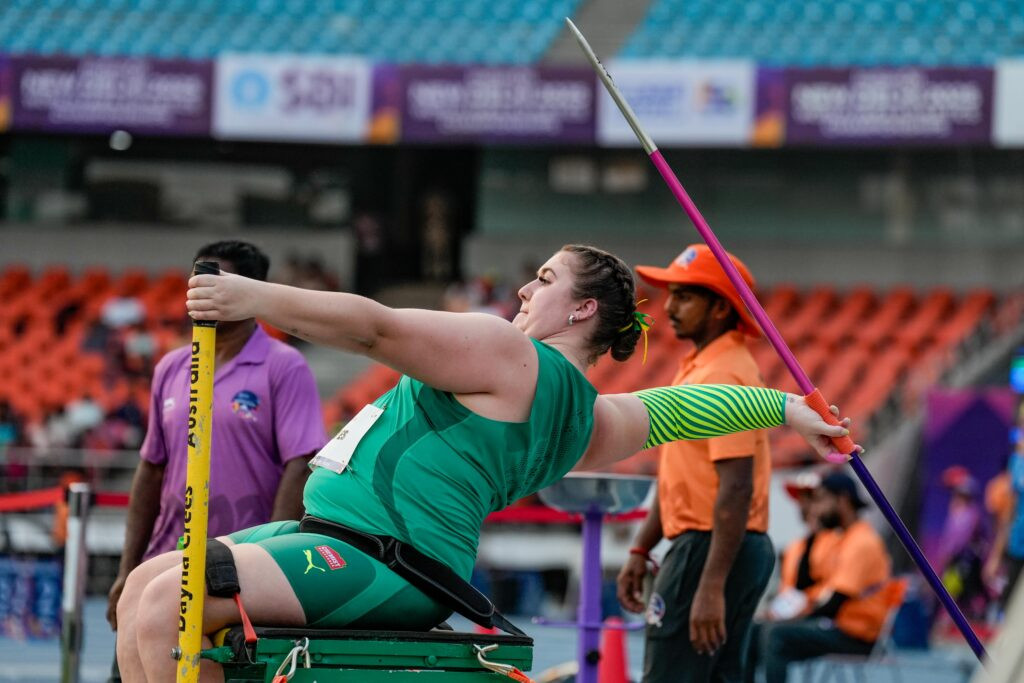
Dayna Crees smashed the national record with 18.97m, smiling her way to the podium.
Class guide — F34: Seated throws; athletes with coordination impairments affecting all four limbs.
“I threw a PB on my first throw and just kept going bigger.”— Dayna Crees
Universal 4×100m Relay (Bronze in race; National Record)
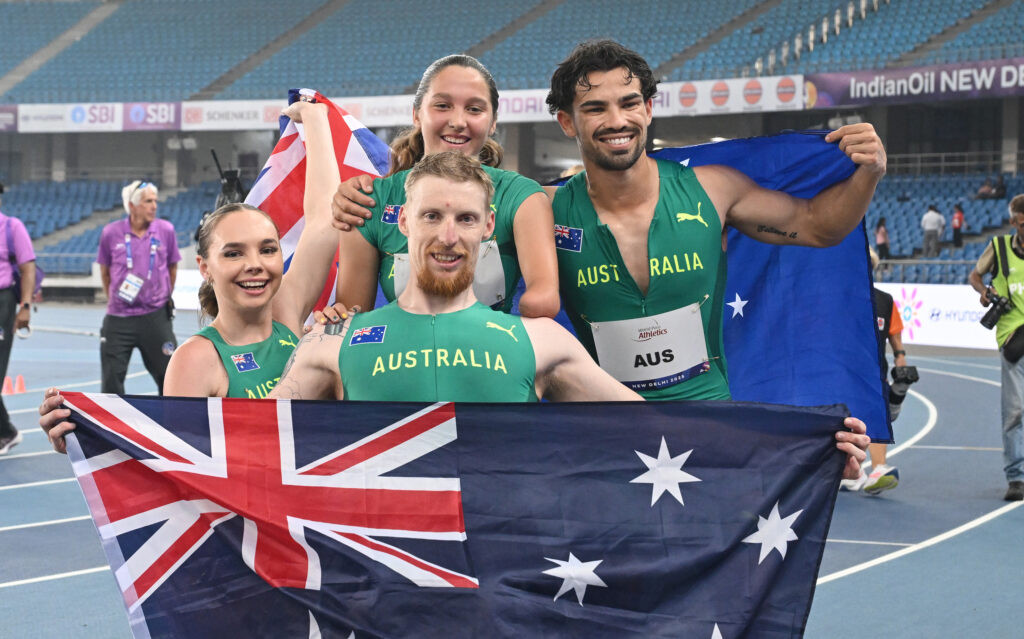
The mixed-class relay showcased Australia’s breadth, with Nathan Jason, Lexie Brown, Akeesha Snowden and Luke Bailey combining for an Australian record 48.96.
Class guide — Universal Relay: Inclusive 4×100m combining athletes from different impairment classes, emphasizing teamwork and transitions.
“I’m just so proud of everyone… most of our debuts — we’re so proud to represent Australia.”— Lexie Brown, 14.
Foundations Laid for LA 2028 & Brisbane 2032
With 10 Australian records, 24 PBs and 35 SBs, New Delhi was more than a medal table — it was a statement of depth and direction.
“Giving so many new athletes exposure to this level lays foundations for success in LA 2028, Brisbane 2032 and beyond.”
Andrew Faichney
What do the Para Athletics classes mean?
T = Track, F = Field. Numbers group similar impairment types/severities. Examples used above:
- T36: Coordination impairments (e.g., cerebral palsy), ambulant runners.
- T38: Mild coordination impairments, ambulant runners/jumpers.
- T13: Vision impairment (least severe eligible category).
- T34: Wheelchair racers with coordination impairments affecting lower limbs.
- T63: Above-knee amputation; single-leg prosthesis for long jump.
- F34: Seated throws; coordination impairments in all four limbs.
- F36: Standing throws; coordination impairments.
- T20: Intellectual impairment affecting elements like pacing and tactics.
- Universal Relay: Mixed-class 4×100m showcasing inclusion and teamwork.
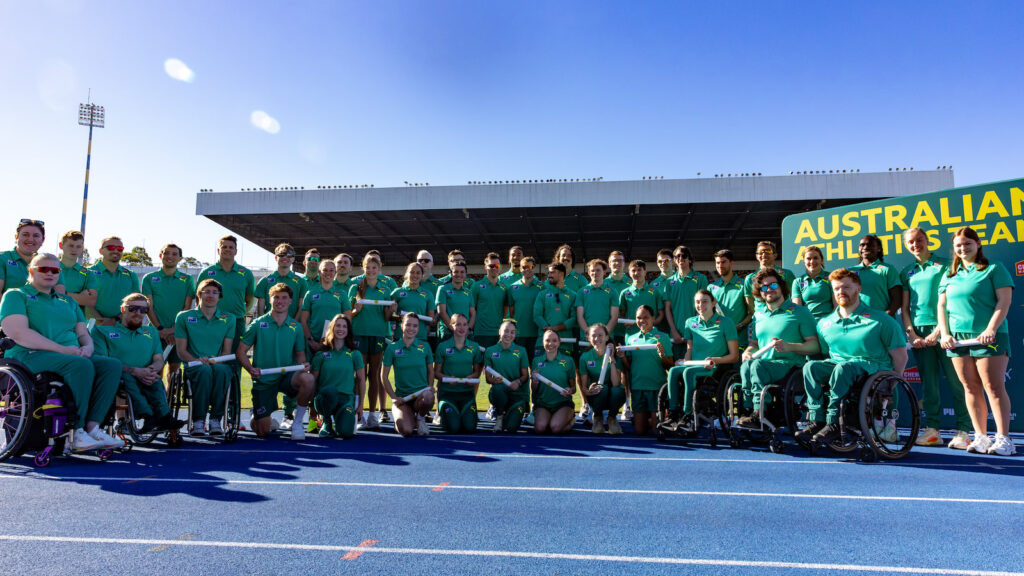
Quick Facts — New Delhi 2025
- Team size: 49 athletes (24 debutants; 12 teenagers)
- Medals: 13 (2 gold, 6 silver, 5 bronze)
- Records: 10 Australian records
- Age profile: Average age 24