
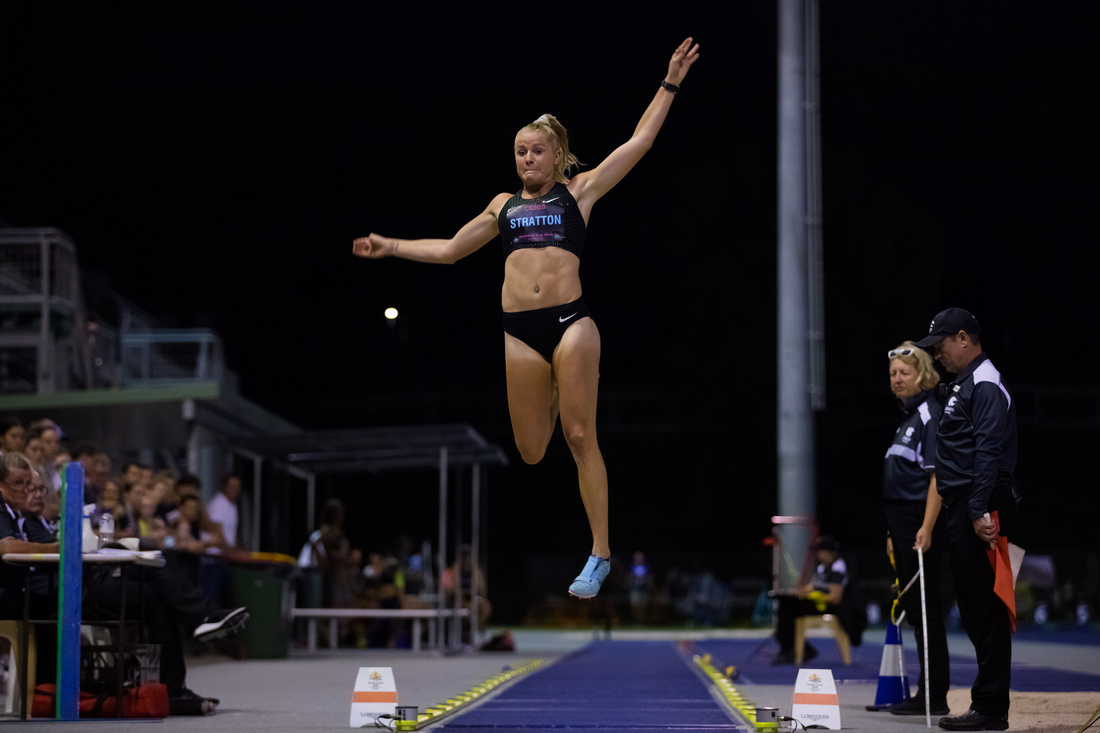
Cover photo of Brooke Buschkuehl (nee Stratton) competing at the 2019 Queensland Track Classic. Photo by Casey Sims.
Australia’s largest ever team for an international global championships will take to the track and to the field at the famed Hayward Field, in Oregon, USA for the World Athletics Championships.
The championships run from Friday 15 July to Sunday 24 July, with 63 athletes to don the green and gold.
50 athletes from the team will then compete at the Commonwealth Games in Birmingham from Thursday 28 July to Monday 8 August, joined by 19 other athletes. The youngest three members of the World Championships team – Claudia Hollingsworth, Calab Law and Aidan Murphy – will travel instead to the World Junior Championships in Cali, Columbia from 1 – 6 August.
The intense sequencing of events is a result of COVID-19 disruption to the international athletics calendar and the delay of the 2020 Olympic Games to 2021. The World Athletics Championships are usually held in the odd numbered years between Olympic Games.
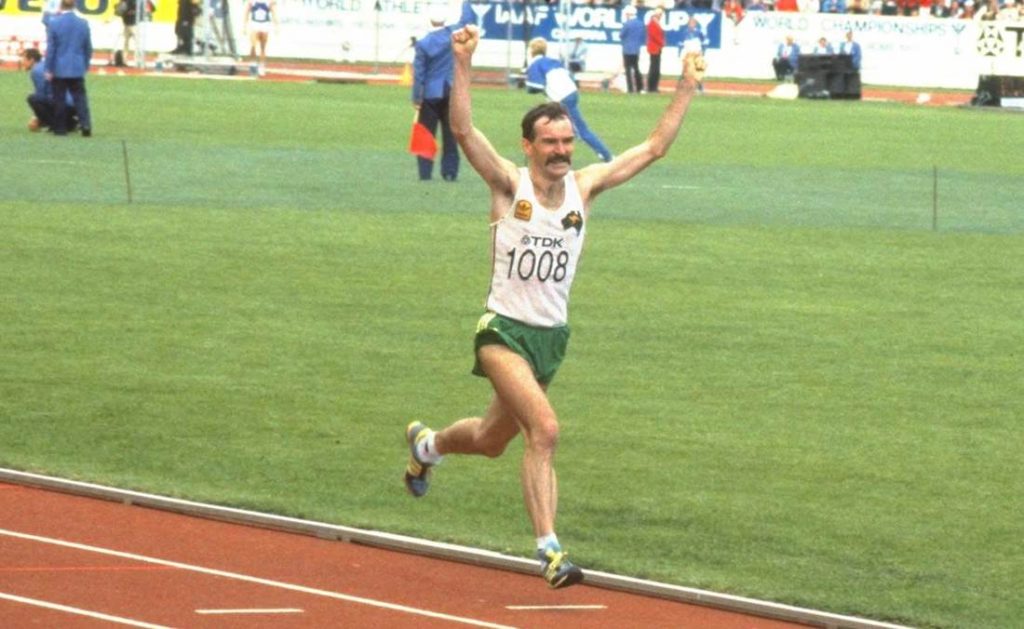
Oregon will be the 12th edition of the event, first conducted in 1983 where Rob de Castella won gold in the marathon. Held in 1987 and 1991, the event then has been held every two-years except for the most recent COVID-disruption.
Australia has won a medal at every edition of the championships except for 1991, with Kelsey-Lee Barber the most recent medal winner, as javelin champion in 2019 in Doha.
Here’s some notable information and trivia about the event and the Australian team:
- The World Championships will be broadcast live on SBS from 16 July, with on demand replays.
- For those who love statistics, World Athletics has released a 900-page Statistics Handbook.
- The final entry lists, by personal best, are available. However, some athletes listed won’t be competing, including a number facing visa issues preventing their entry into the United States, such as 9.77 second 100m sprinter Ferdinand Omanyala.
- 11 Australians are ranked in the top 8 on the entry lists based on their season’s bests:
- Brooke Buschkuehl (1st, long jump – recorded after close of entries)
- Jemima Montag (1st, 20km walk)
- Eleanor Patterson (2nd, high jump)
- Cedric Dubler (6th, decathlon)
- Nina Kennedy (6th, pole vault)
- Jessica Hull (7th, 1500m)
- Peter Bol (7th, 800m)
- Jack Rayner (7th, 10000m)
- Matt Denny (7th, discus)
- Nicole Olyslagers (8th, high jump)
- Mackenzie Little (8th, javelin)
- Calab Law (18 years, 200 days) and Claudia Hollingsworth (17 years, 101 days) are the fifth youngest Australian male and female athletes respectively to compete at the World Championships.
- Brandon Starc (high jump) and Riley Day (200m) are bypassing the event to focus on the Commonwealth Games, while recovering from injury.
- The average age of the team is 25.9 years, an increase of a year from the 2019 edition. This is influenced by 35km racewalker, Kelly Ruddick, making her debut at 49 years of age, becoming the oldest Australian athlete to compete at the championships. She will become the second oldest athlete ever to compete from any nation, behind Spanish racewalker Jesus Angel Garcia, who was just short of 50 years of age when competing in Doha in 2019.
- There’s some looming firsts in terms of anticipated performances:
- Peter Bol to become Australia’s first finalists over 800m; and
- Decathletes Ash Moloney and Cedric Dubler both set to beat the best finish by an Australian in the event (15th)
- Victoria has the most athletes on the team of any state, with 23. NSW and Queensland each have 16 athletes on the team.
- 33 clubs are represented, with powerhouses Sydney University and Queensland University of Technology both with five athletes on the team.
- Nic Bideau (5 athletes on the team) and Gary Bourne (3 athletes) are amongst 47 personal coaches with athletes on the team.
- The 63 athletes in the Australian team will be supported on the ground by 14 team managers/coaches and 9 medical staff.
- Eugene is the smallest city to ever host the championships. With a population of 170,000 people, it is similar in size to Townsville.
Here’s a guide to the athletes in the Australian teams for the World Championships and Commonwealth Games:
Women
[table id=16 responsive=”collapse”/]
[wcepe_products ids=’399,313,668′ columns=’3′]
Men

[table id=17 responsive=”collapse”/]
[wcepe_products ids=’399,313,668′ columns=’3′]
Recent posts:
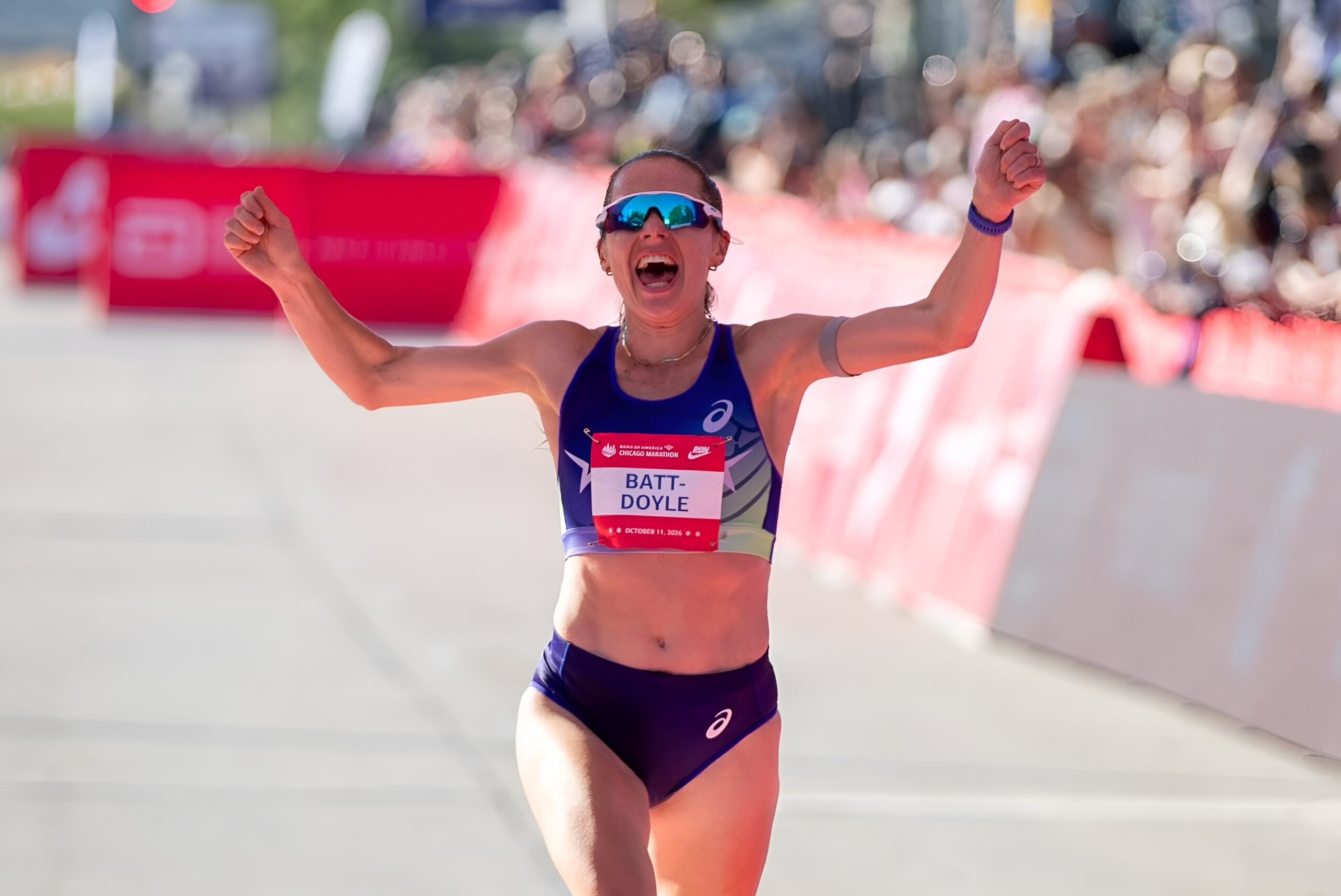
- Batt-Doyle breaks 2:21 with Australian record in Chicago
 Izzi Batt-Doyle is the fastest Australian woman ever over the marathon. The South Australian ran 2:20:38 to finish sixth at the Chicago Marathon on Sunday. That took 46 seconds off the national record Jess Stenson set in Valencia ten months ago, and makes Batt-Doyle the first Australian woman to go under 2:21. “I’m very, very
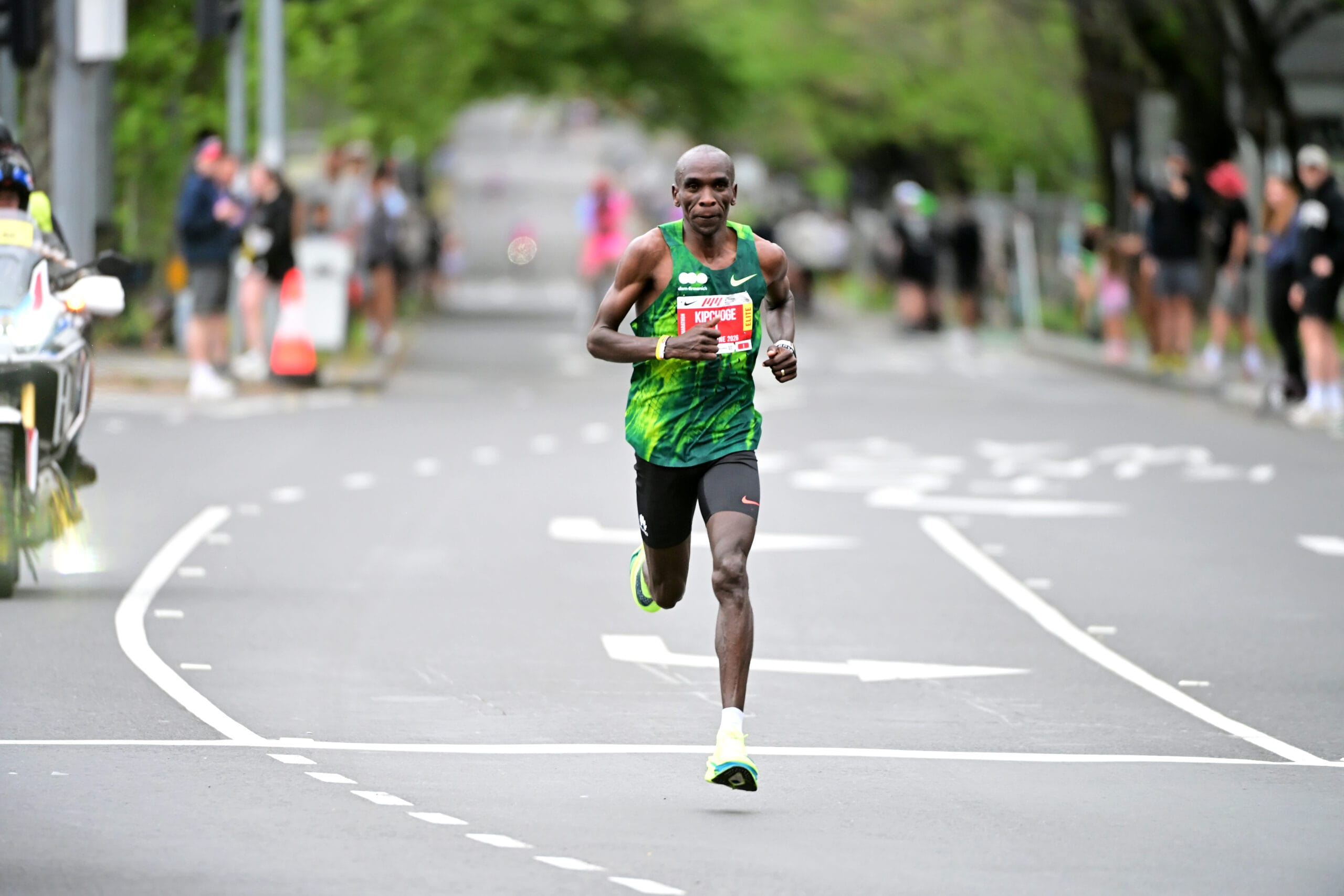
 - Kipchoge breaks course record at Melbourne MarathonEliud Kipchoge recorded the 18th marathon victory of his illustrious career with a convincing performance at the Melbourne Marathon. The two-time Olympic champion wound back the clock with a convincing victory on the streets of Melbourne, stopping the clock in 2:09:10. It was his slowest ever winning time for the distance, but his first victory
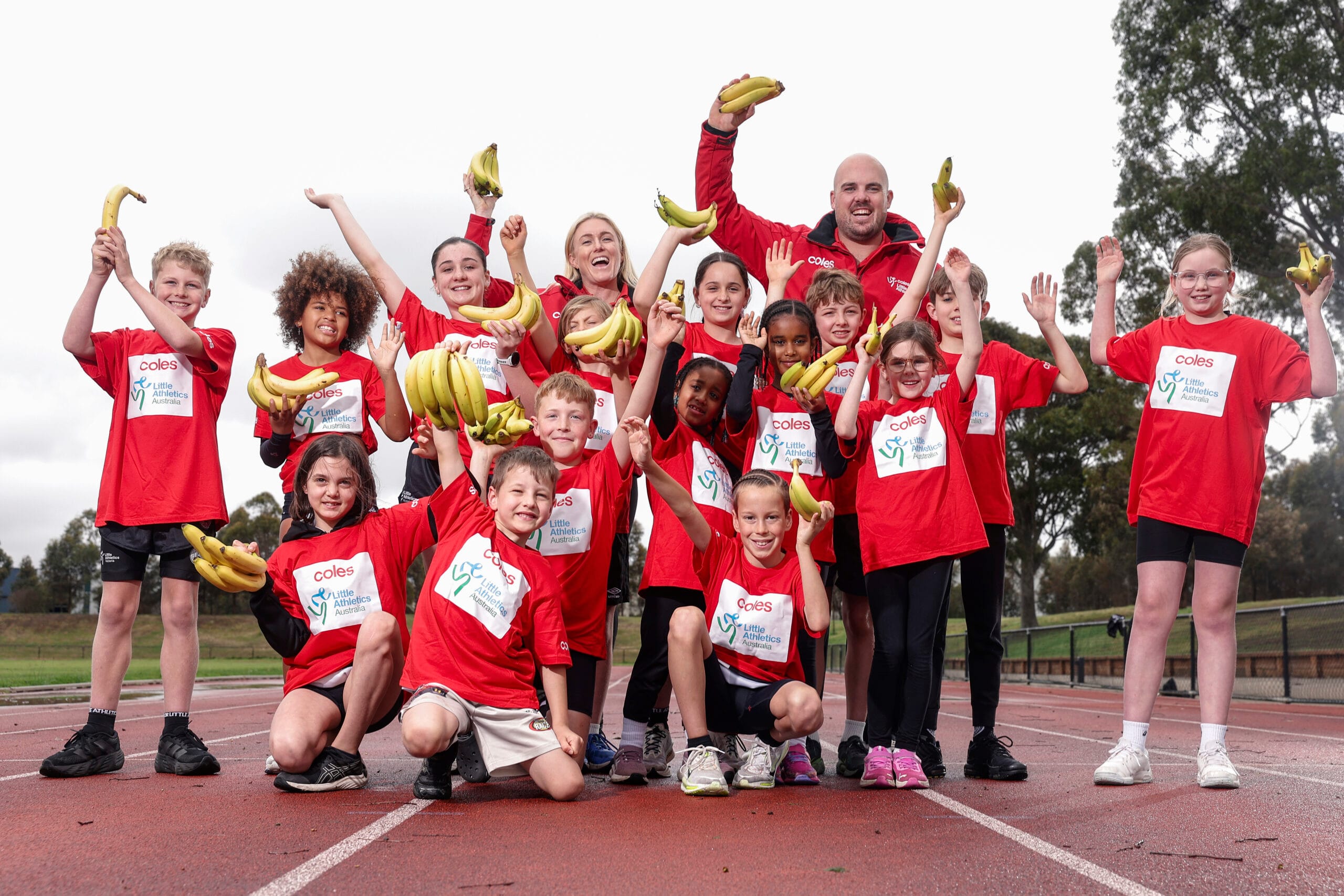
- It turns out we do value bananas, as Little Athletics starts new season and eraThe Coles Little Athletics Community Fund has passed $3 million in grants, as Little Athletics begins its first season under the Australian Athletics banner. Two years ago, weighing up whether Athletics West were getting value from their Little Athletics Australia affiliation, we concluded that it came down to how much you value bananas. It was
- Vale Pat Clohessy AM (1933–2026): athlete, coach, mentor
 He took Robert de Castella from the Xavier College team to a world marathon title, and for a generation his methods shaped how Australia trained its distance runners. Pat Clohessy AM, one of the most influential figures in the history of Australian distance running, has died aged 93. Robert de Castella shared the news on
 - Kurtis Marschall Said Yes to Everything. Next, He Wants Mondo to Say Yes to Perth.After a 22-meet season that included a win over the greatest vaulter in history, Australia’s pole vault mainstay is plotting a night of lights, AC/DC and a tailwind that always arrives.. After a bronze medal at the 2025 World Championships and before the 2026 season began, Kurtis Marschall and his coach sat down with a