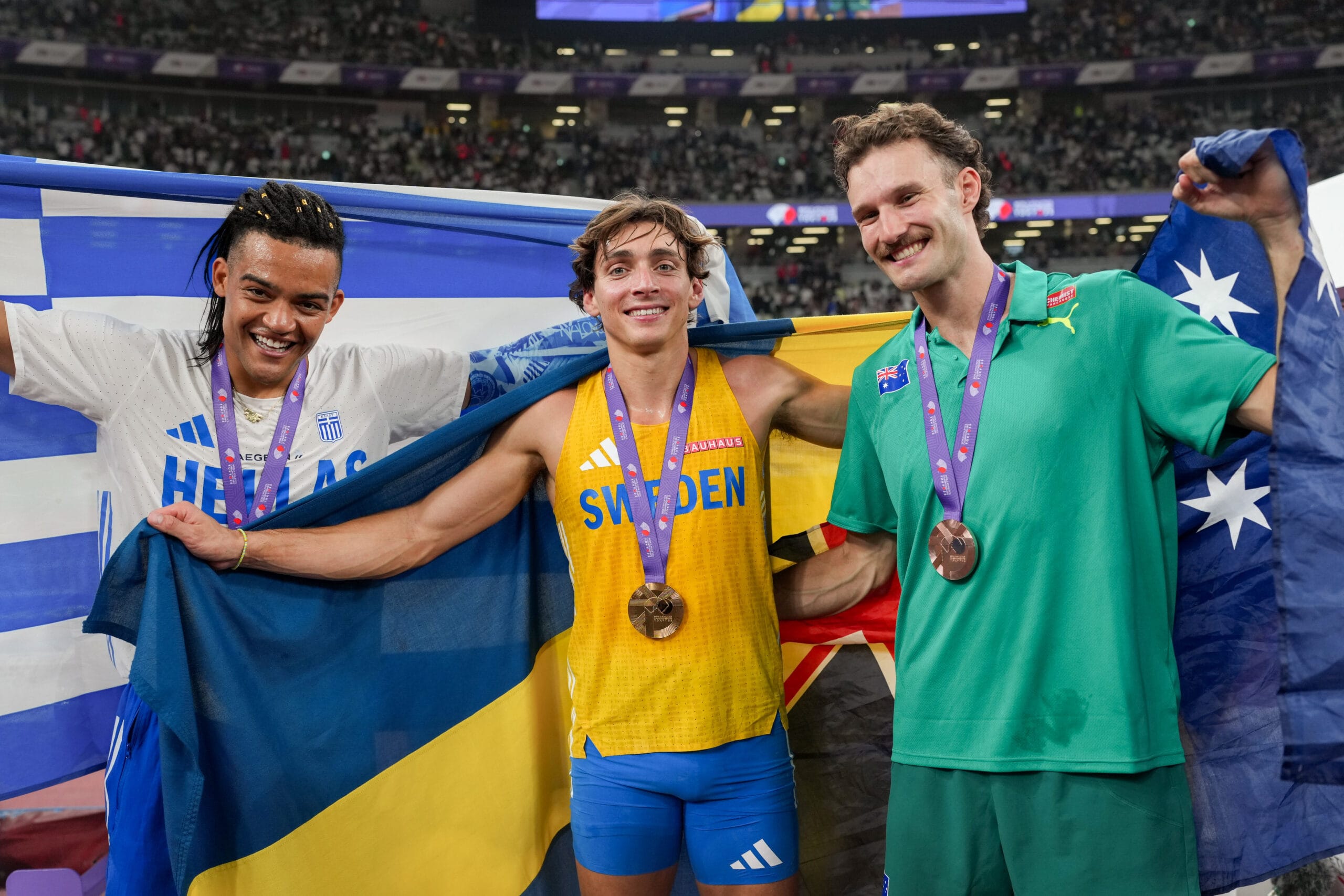
Nina Kennedy has surrendered her Commonwealth title without ever being beaten over a bar, the Olympic champion losing gold to New Zealand’s Eliza McCartney on countback after both vaulters finished on 4.65m.
Twelve days ago Kennedy cleared 4.95m in Monaco: an Australian and Oceania record, and the highest vault in the world in five years. On Friday night in Glasgow, in a crosswind and single-digit temperatures, 4.65m was as high as anyone in the field could go.
McCartney took it first time. Kennedy needed two. Neither could handle 4.70m, and when Kennedy’s third attempt at the height came down, the countback that had been sitting quietly in the results decided a Commonwealth Games gold medal.
Imogen Ayris took bronze at 4.55m, completing a New Zealand first and third and repeating her Birmingham placing. Compatriot Olivia McTaggart finished fourth at 4.30m.
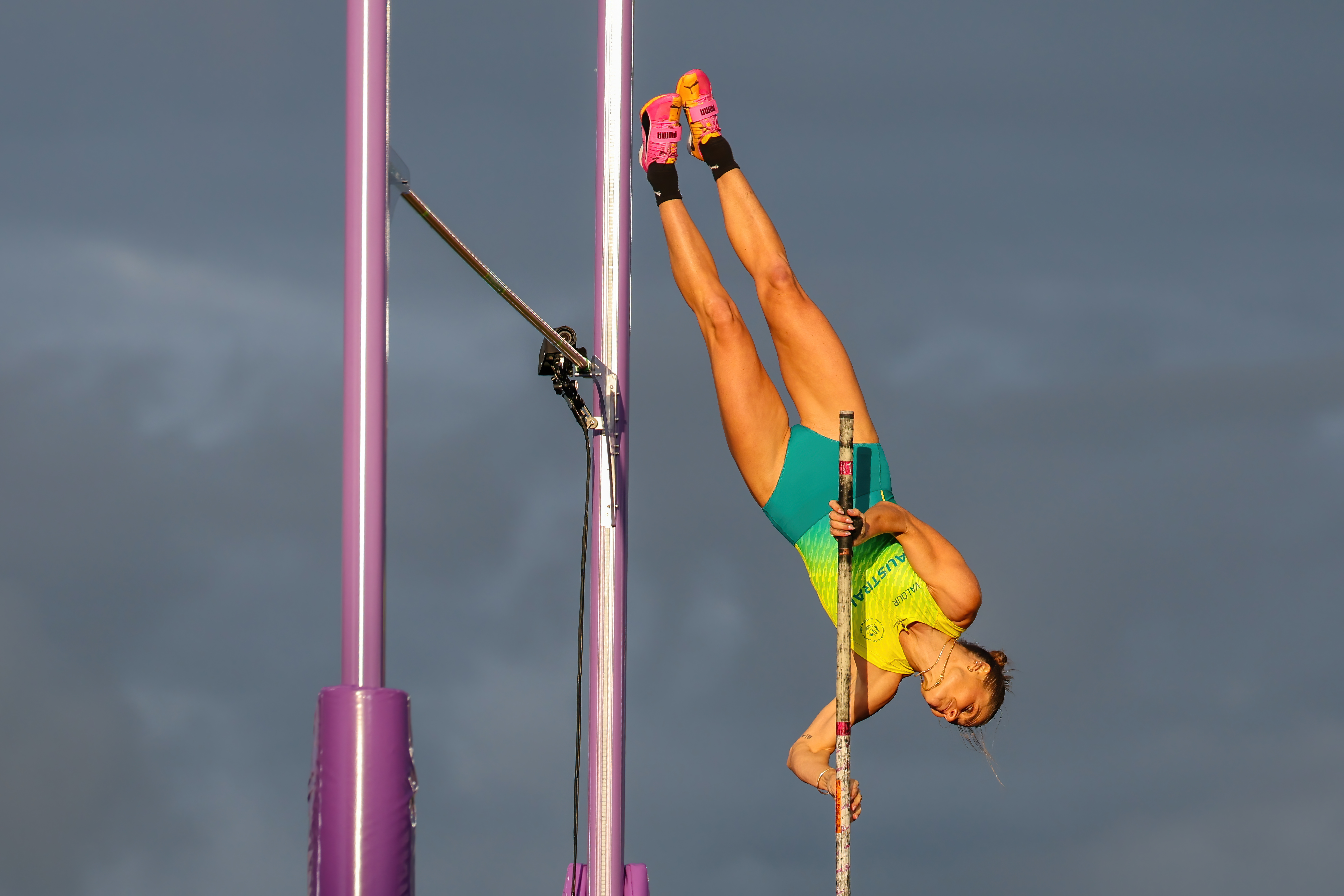
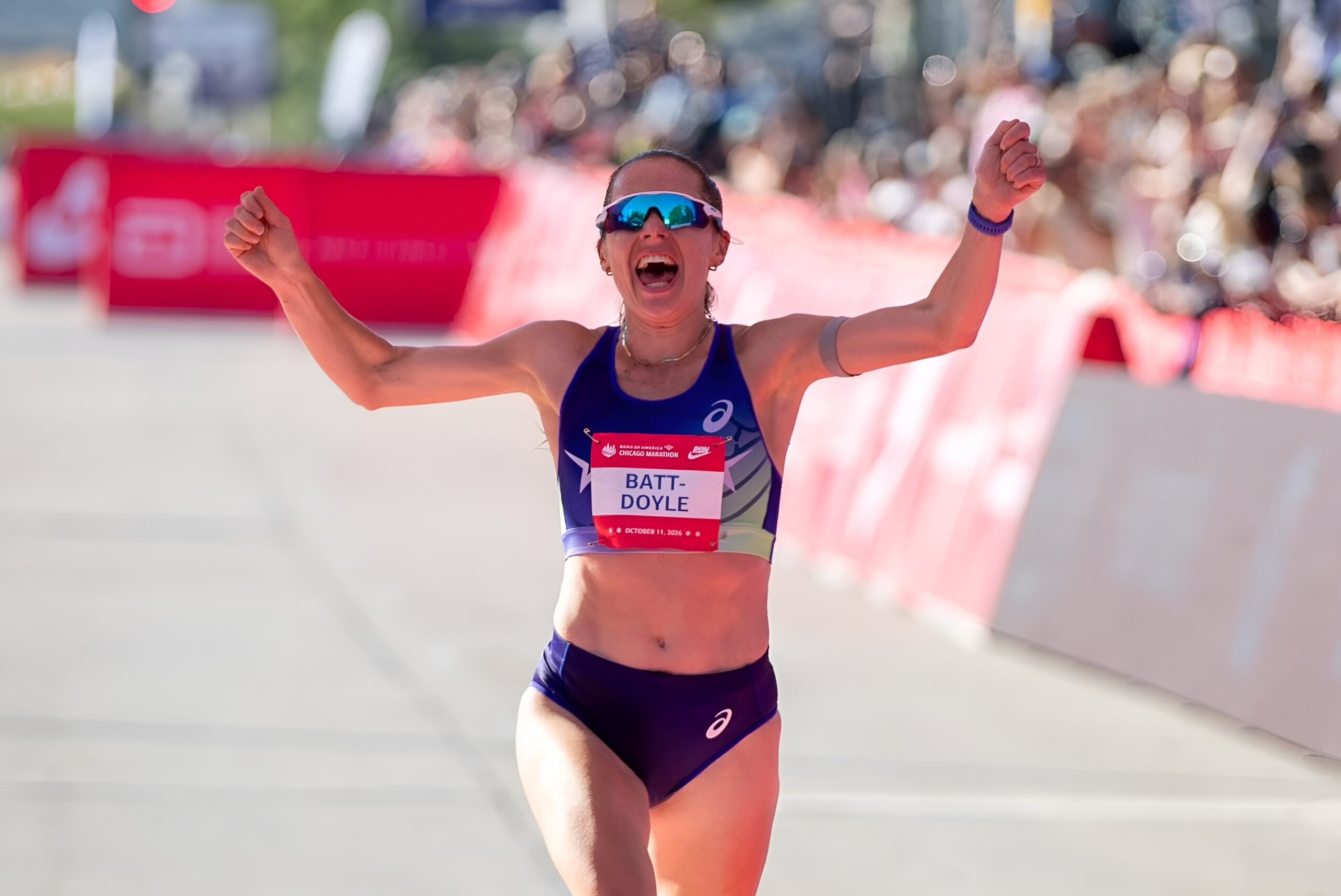
For McCartney it is a first Commonwealth title at the fourth time of asking, and the first major gold of a career that has produced Olympic bronze in Rio, silver on the Gold Coast, a Commonwealth record of 4.94m and, in between, years of injury that at points looked like they might end the whole thing. She is 29. She has waited a long time.
“The better jumper won tonight”
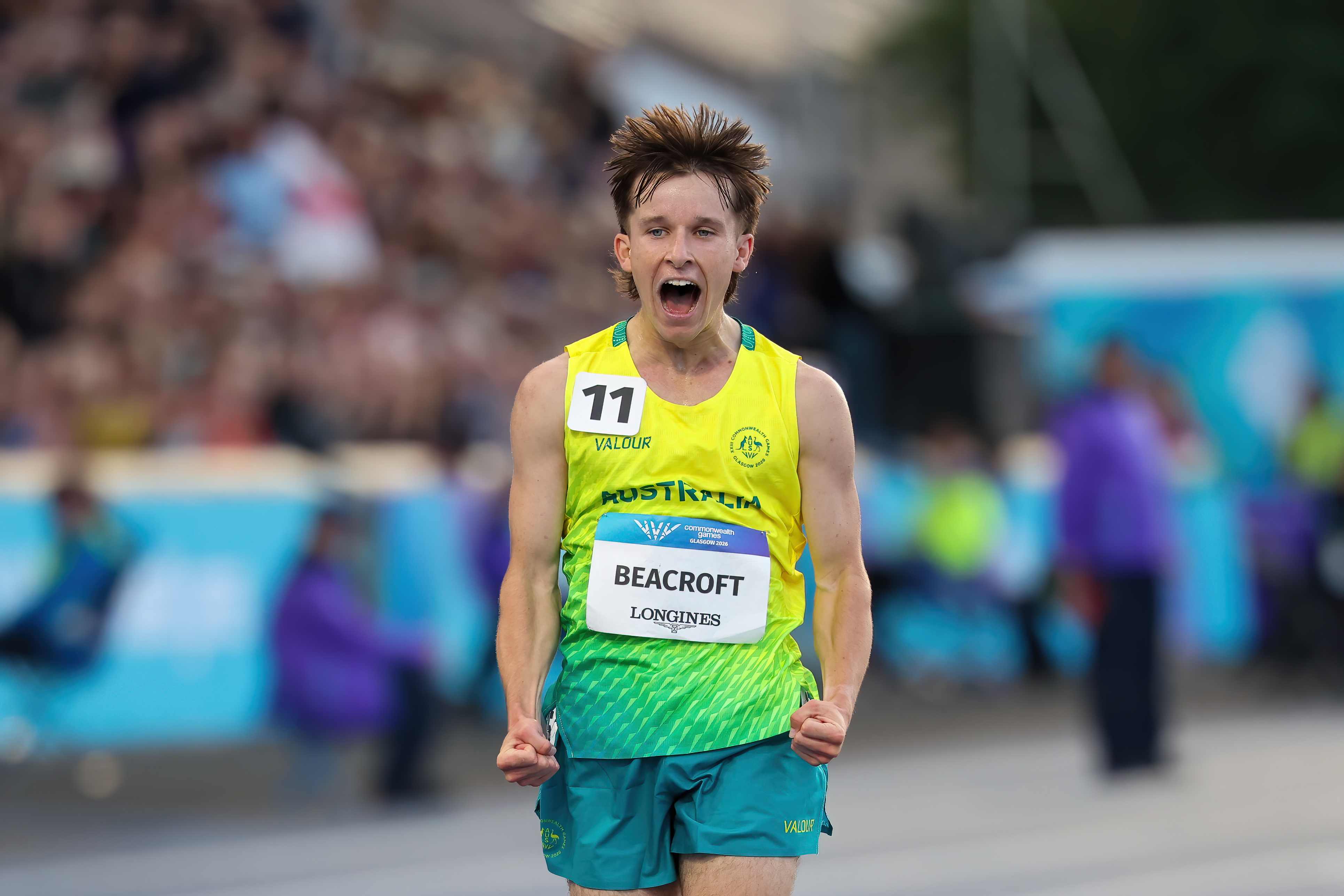
Kennedy came to Scotstoun as Australia’s flagbearer, as reigning Commonwealth, world and Olympic champion, and as the form vaulter on the planet. She left with silver, and with the composure to say so plainly.
You were standing on the podium. How did it feel, and how does the medal feel now?
“Look, it’s good.
I’m disappointed because I wanted the gold medal, but that’s sport, and that’s OK. I know it’s the Commonwealth Games — you want to stand on the top step and hear your national anthem. Yeah, of course. I set really high expectations for myself, and I came here as the defending champion. I’m not the defending champion anymore, but that’s sport, and that’s OK.
Nina Kennedy
“The better jumper won tonight.”
What made the difference? The conditions didn’t look easy out there, especially at the far end.
“No, they weren’t. That great tailwind the sprinters have had all week is a dead crosswind for us, so it was really difficult. But that’s part of the event — you have to be able to jump high in all conditions. I know I can jump high in good conditions, but apparently I can’t jump quite as high in difficult ones. That’s something to work on, but that’s OK.”
The gap between Monaco and Glasgow
That second answer is the competition in miniature, and it is more interesting than the medal.
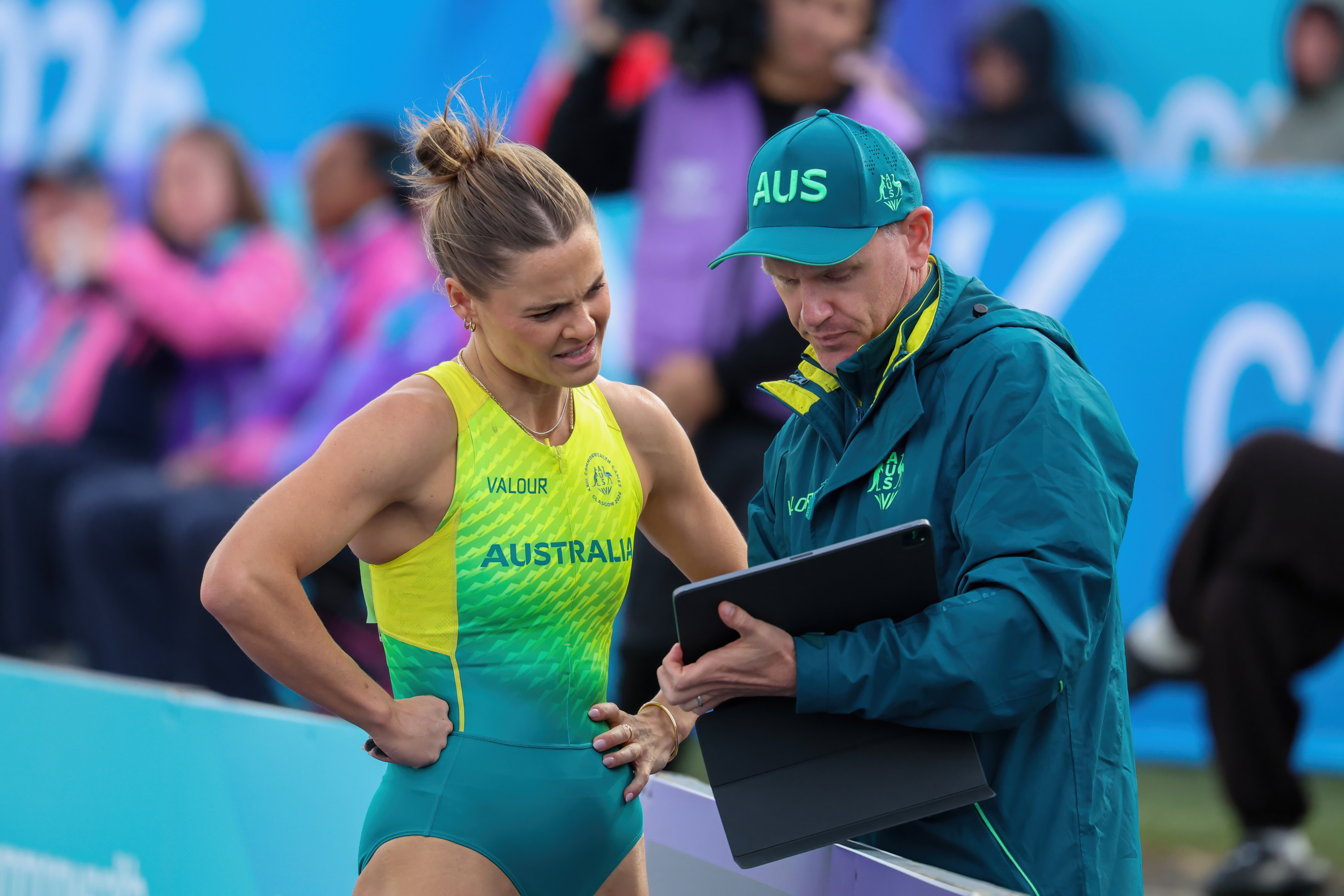
Kennedy’s 4.95m came under the lights at Stade Louis II, in still air, on a runway built for records, at a meet where the whole apparatus exists to make big marks happen. Scotstoun on the penultimate night of a Commonwealth Games is a different discipline entirely: a crosswind running across the runway at the far end, cold poles, cold hands, and a bar height that in any other week of her season would be a warm-up.
Pole vault is the event in athletics most exposed to this. A sprinter in a crosswind runs slightly slower. A vaulter in a crosswind cannot get on the pole she wants to be on, and the difference between the pole she plans for and the pole she can safely use is measured in tens of centimetres of clearance. On a night like Friday, the vaulter who wins is the one who solves the conditions fastest and stays cleanest through the card. McCartney did. Kennedy, by one missed attempt, did not.
None of which is a crisis. Kennedy is 29, holds the Australian record, has an Olympic gold and a world title, and is publicly chasing five metres: a project her Monaco jump made look considerably less theoretical than it did a year ago. What Friday supplies is the one line item that project still needs: the ability to produce a big height when the runway is not cooperating.
She named it herself, without prompting, about twenty minutes after losing a gold medal on countback. That is usually the sign of an athlete who intends to fix it.