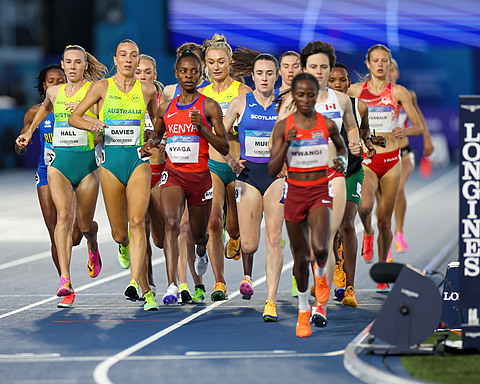

On Thursday night in Glasgow, a Games that very nearly didn’t happen will open at the Hydro, and on Monday the athletics begins at a suburban stadium that holds 11,000 people. To understand how the Commonwealth Games arrived at this point — smaller, cheaper, rescued, and in some ways more interesting than it has been in decades — you need to go back a century. Possibly further.
So pour a cup of tea — it feels appropriate — or maybe a whisky, and settle in. This is the long version.
Sport and politics don’t mix, except they always have
Let’s start with the empire, because there is no way to tell this story without it.
At its peak between the world wars, the British Empire covered roughly a quarter of the world’s land and a quarter of its people, held together by trade, the Royal Navy and a shared head of state: every dominion, colony and territory ultimately answered to the same King.
“The empire on which the sun never sets,” the old boast went — borrowed from the Spanish empire centuries earlier, but worn proudly by the British by the Victorian era, because there was always, somewhere across all those time zones, a piece of British territory in daylight.
It was the kind of claim that only makes sense as an empire, and it is precisely the kind of claim a Commonwealth of equal, independent members could never make about itself, which is rather the point of everything that follows.
The unwinding began formally in the 1920s. The 1926 Imperial Conference produced the Balfour Declaration — the Commonwealth one, not the Palestine one; British PM Arthur Balfour got around — which declared Britain and the dominions “equal in status” and “freely associated as members of the British Commonwealth of Nations.”
The dominions had earned that seat at the table through the First World War. The 1917 Imperial War Conference had already flagged that Australia, Canada, New Zealand and South Africa would no longer be governed from London without a say. The Statute of Westminster made it law in 1931.
And what happened almost immediately after the empire agreed it was now a family of equals rather than a mother country and her possessions?
It threw a sports carnival.
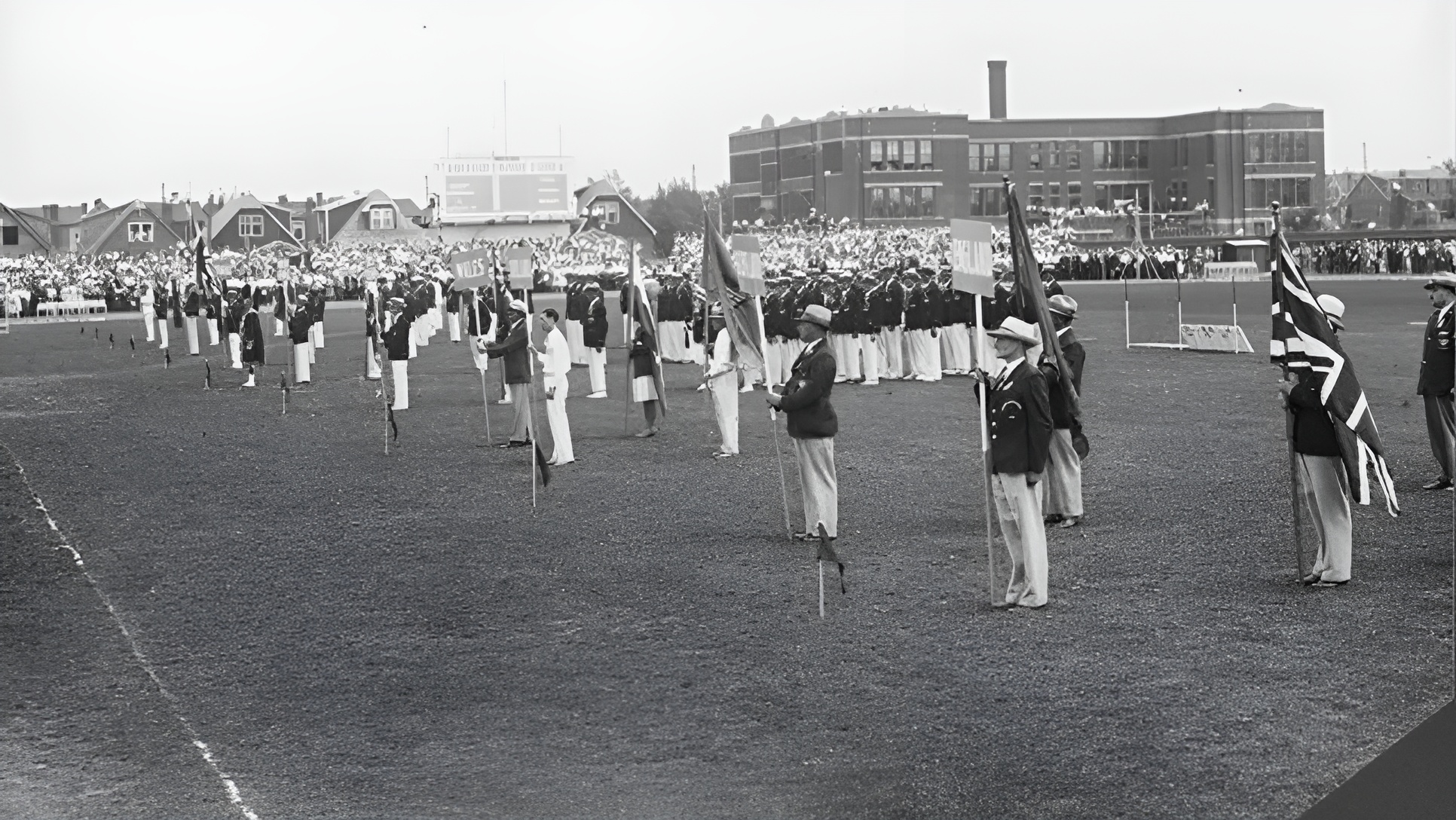
The first British Empire Games were held in Hamilton, Canada, in 1930, championed by Canadian journalist and administrator Bobby Robinson, explicitly as a friendlier, less nationalistic alternative to the Olympics: “merrier and less stern,” as the founding language had it.
Which is to say: the Commonwealth Games exists because of politics.
It is a sporting event invented to soften a political transition, sustained by a political association, opened by a head of state, and contested by teams whose very existence is a political statement.
Sport and politics don’t mix, we’re told. This event is what happens when they move in together and raise children.
What’s in a name?
The Games has rebranded more often than a struggling telco, and each name change tracks the politics precisely.
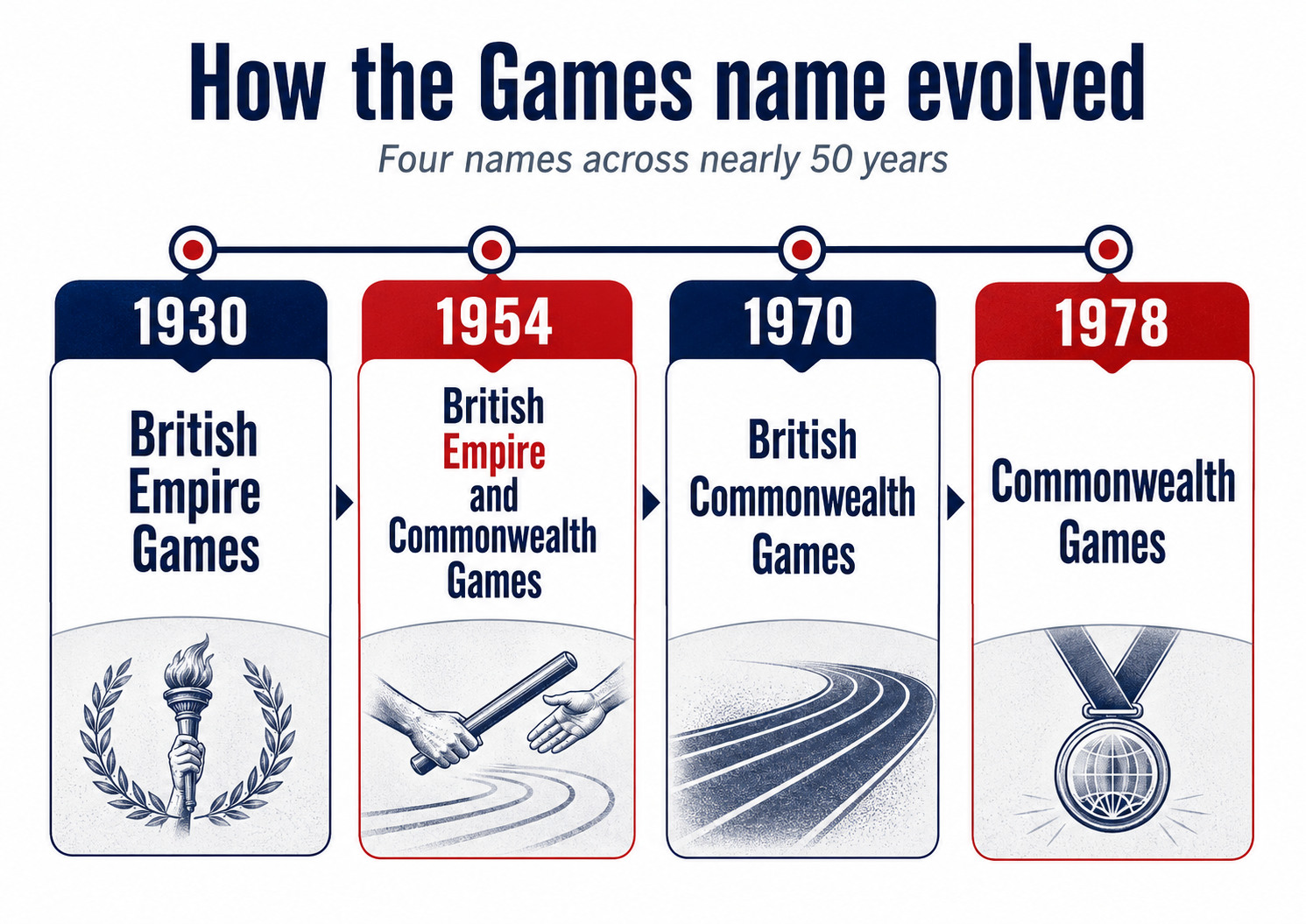
British Empire Games from 1930 to 1950.
British Empire and Commonwealth Games from 1954 to 1966, hedging its bets as decolonisation gathered pace.
British Commonwealth Games in 1970 and 1974, with the empire quietly dropped.
And finally, from Edmonton 1978, simply the Commonwealth Games, the “British” removed altogether.
Glasgow 2026 is the twenty-third edition, and the organisation that runs it has itself rebranded again, from the Commonwealth Games Federation to Commonwealth Sport.
The Commonwealth now
The modern Commonwealth of Nations has 56 member states. Fifty-two of them have some historical connection to the British Empire.
Four do not: Mozambique joined in 1995, Rwanda in 2009, and Gabon and Togo — former French colonies both — in 2022.
The Commonwealth is now an organisation that countries with no British colonial history actively apply to join, which is either a remarkable endorsement of its soft-power value or proof that everyone loves a Games, depending on your level of cynicism.
Here is the number that best captures the modern arrangement: of those 56 member states, just 15 retain King Charles III as head of state. The rest are republics or have their own monarchs.
So when the King — who remains Head of the Commonwealth — watches the Games, he is the head of state of Australia, Jamaica, Papua New Guinea and a dozen others, but a warmly regarded foreign dignitary to India, South Africa, Kenya and most of the rest.
Spare a thought for the man when Australia lines up against England in a relay final: he’s obliged to barrack for both. No wonder the royal box maintains such disciplined applause.
74 teams from 56 countries
Now for the part that confuses every casual viewer once every four years: there are 74 teams entered in Glasgow, drawn from those 56 member states.
The Commonwealth Games is contested not by countries but by Commonwealth Games Associations, and territories get their own.
Nobody exploits this arrangement quite like the host.
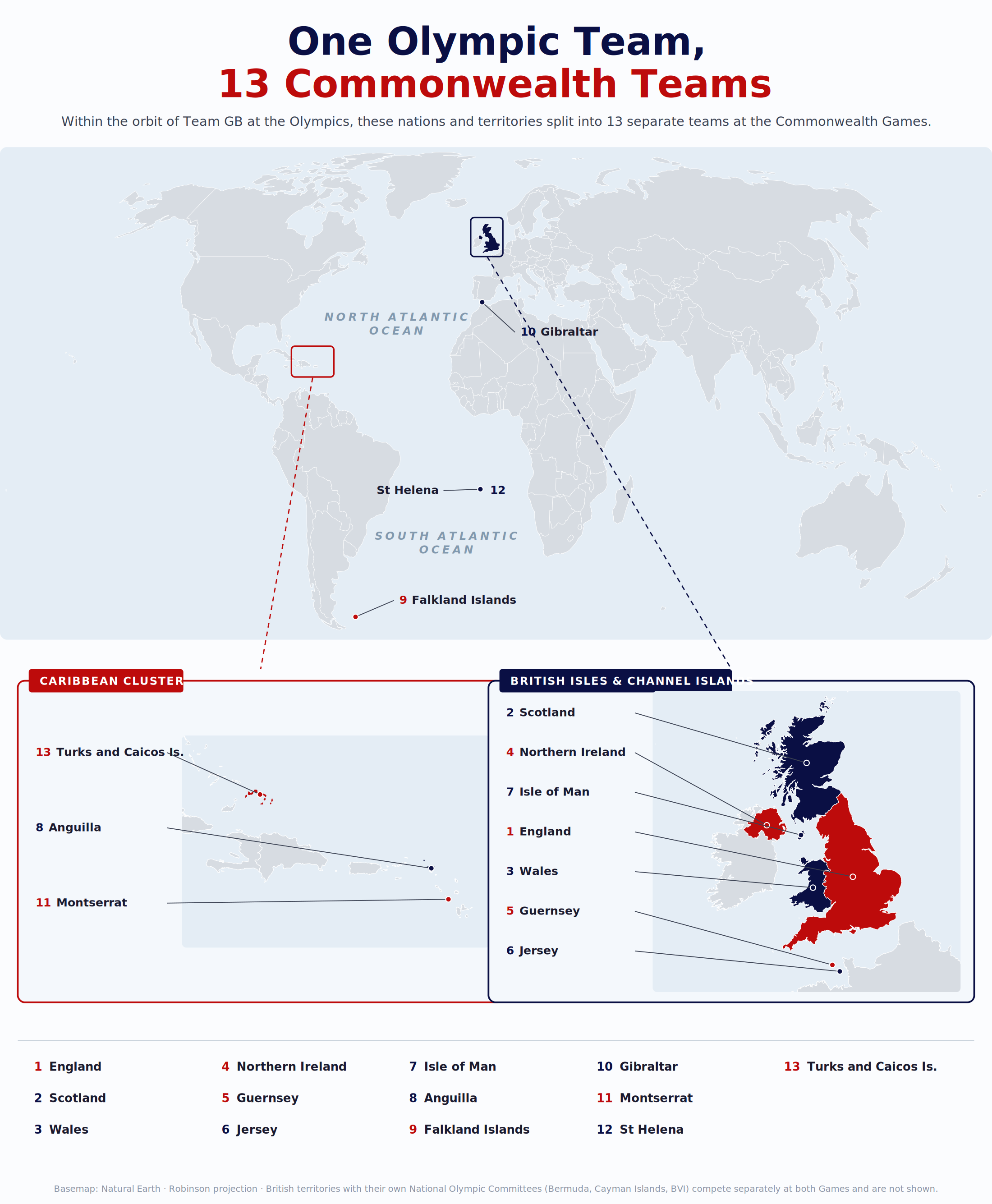
The United Kingdom of Great Britain and Northern Ireland — one country, one Olympic team — fields no fewer than four home nations in England, Scotland, Wales and Northern Ireland, plus the Crown Dependencies of Guernsey, Jersey and the Isle of Man, plus a string of British Overseas Territories: Gibraltar, the Falkland Islands, Anguilla, Montserrat and more.
Athletes who would all march behind one flag at an Olympic opening ceremony scatter into over a dozen teams at a Commonwealth Games.
It is one of the only major events where a Scot can beat an Englishman for a gold medal, which, one suspects, is a significant part of why Glasgow was so willing to save it.
Australia plays the game too, in miniature. Norfolk Island competes as its own team, as it has since 1986, giving the external territory of around 2,000 people its own moment on the world stage.
New Zealand’s family is larger again. Niue and the Cook Islands, both self-governing states in free association with Wellington, whose people carry New Zealand passports, field their own teams.
The Games’ great charm is that it takes these constitutional footnotes seriously: tiny territories with tiny populations, given exactly the same standing on the start line as nations with 50 million people.
From a rugby ground to a 130,000-seat stadium
If Glasgow 2026 is the Games stripped back to its studs, the very next edition is the opposite experiment entirely.
In November 2025, Commonwealth Sport awarded the 2030 Games — the centenary edition, a full hundred years on from Hamilton — to Ahmedabad, India, beating a rival bid from Abuja, Nigeria.
It will be India’s second time hosting, after Delhi in 2010, and the centrepiece venue will be the Narendra Modi Stadium, the largest cricket ground on earth, with a capacity above 130,000.
The politics of that decision are not subtle, and nobody involved is pretending otherwise.
Prime Minister Narendra Modi has spoken openly for years about India hosting the 2036 Olympics, and Indian officials — from the Sports Minister to the Home Minister — have described Ahmedabad 2030 explicitly as a step on that path: a chance to prove, on a global stage and under Modi’s own name emblazoned on the stadium, that India can deliver an event of Olympic scale.
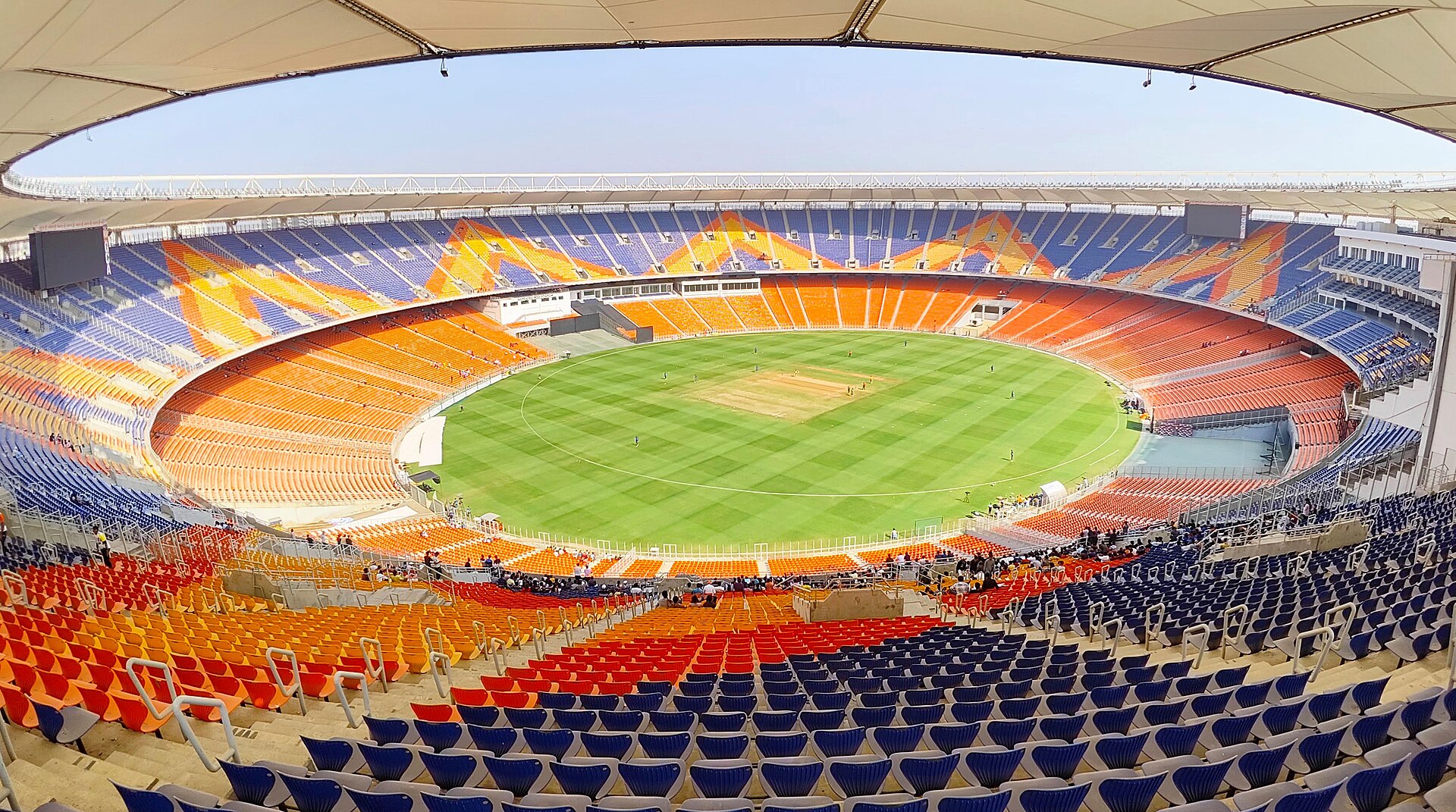
Where Glasgow’s pitch was “we’ll do it cheap, using what we’ve already got,” Ahmedabad’s is closer to the reverse — a display of infrastructure and ambition, six years out from an Olympic bid that would be the largest sporting story India has ever told about itself.
Two Games, four years apart, could hardly represent more different philosophies of what a Commonwealth Games is now for.
The business model, or: how Glasgow rescued Victoria’s cancellation
Which brings us to why these Games are in Glasgow at all. And here the story turns from history to accounting and business models.
Victoria was awarded the 2026 Games in 2022 as the only interested host, to be delivered across regional hubs in Geelong, Ballarat, Bendigo and Gippsland on a budget of $2.6 billion.
By July 2023, the government’s projections had the cost blowing out toward $6–7 billion, and Premier Daniel Andrews pulled the pin, arguing that was not a defensible use of public money.
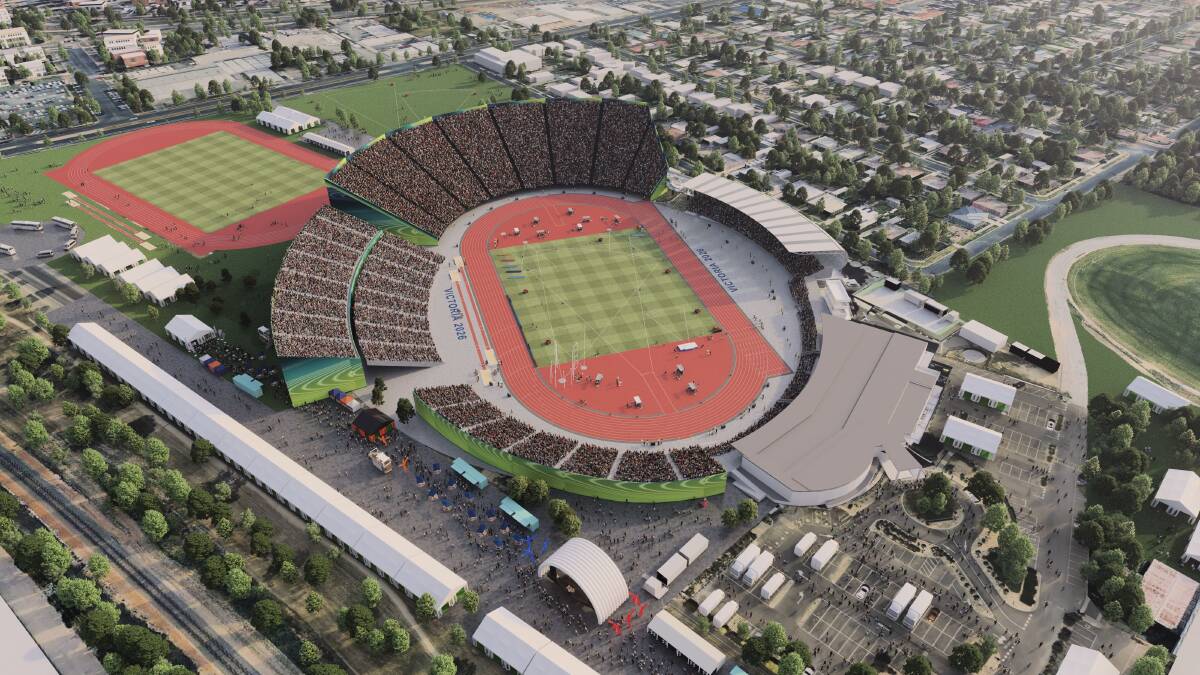
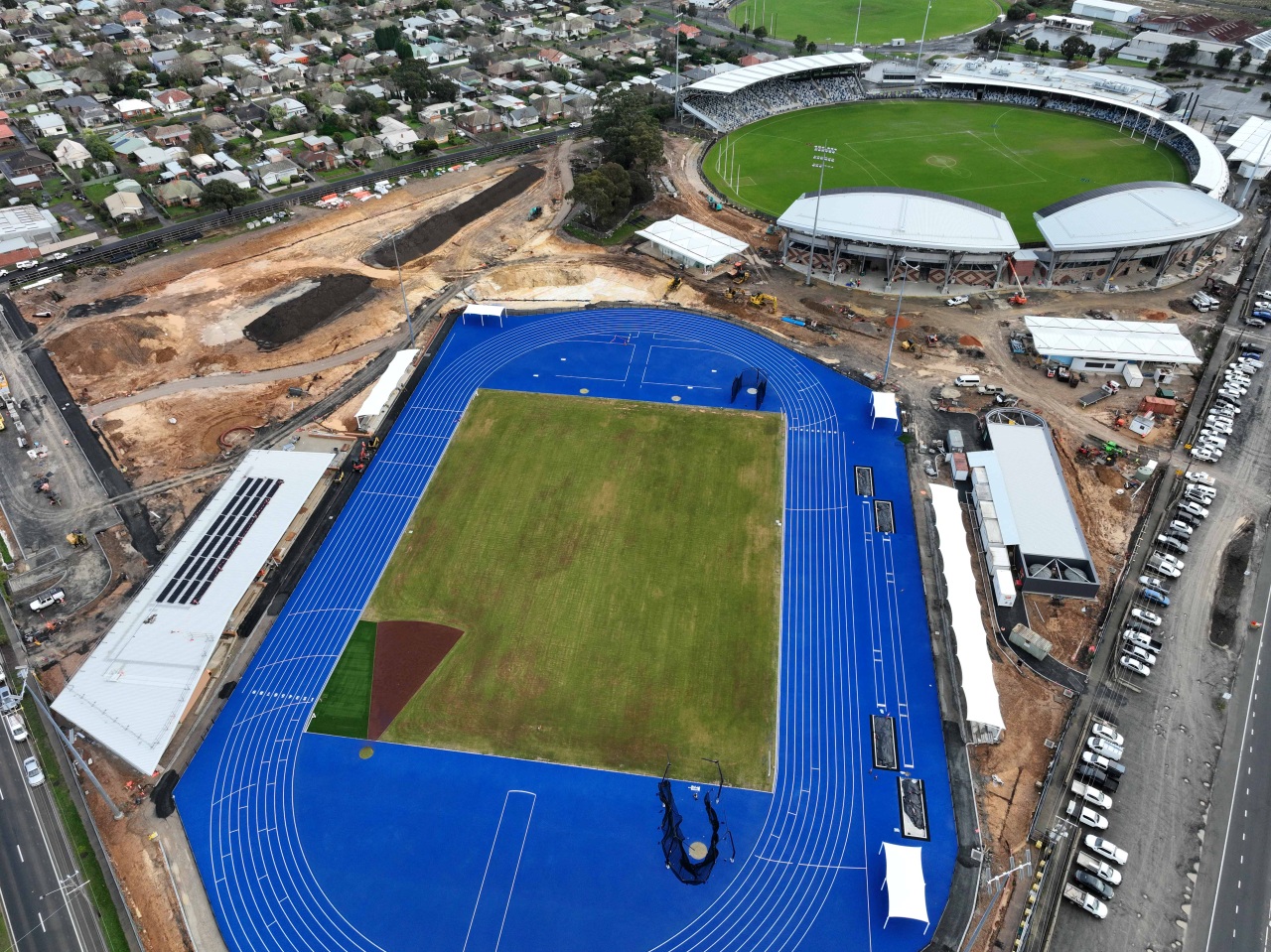
The settlement that followed saw Victoria pay $380 million in compensation to the Commonwealth Games parties: a nine-figure sum for an event that will never happen, which remains one of the more remarkable line items in Australian sporting history.
But that money didn’t vanish.
Roughly $200 million of it was redirected to underwrite Glasgow’s rescue bid, and this is where the model becomes genuinely novel.
Commonwealth Games Scotland proposed an event costing in the order of £130–150 million with existing venues only, athletes in hotels rather than a village, ten sports instead of Victoria’s planned twenty, only four venues — and with the budget covered by the Victorian-funded contribution from Commonwealth Sport, topped up by ticket sales, broadcast and commercial revenue.
Both the Scottish and UK governments made their position explicit: not a cent of new public money.
If the Games hits its commercial targets, Scotland will stage an international multi-sport event without requiring new funding from the Scottish or UK governments, underwritten largely by money originating from Victoria’s cancellation settlement.
As business models go, a smaller Games – save for India’s one-off flexing of economic and political might in the Asian century – it is either the future of the Games or its epitaph.
The comparison with the Olympics is instructive.
An Olympic Games is a broadcast product first and a sporting event second. The IOC’s global rights income runs to billions per cycle, and in Australia alone, Nine reportedly paid around $305 million for the rights to five Olympic Games through Brisbane 2032.
The Commonwealth Games’ commercial program is not merely smaller; it is a rounding error by comparison.
Seven holds the Australian rights to Glasgow 2026 and the 2030 edition, and while the fee has never been disclosed, it is understood within the industry to be nominal, illustrating just how far the Games’ broadcast economics sit below the Olympic model.
When your flagship broadcast deal in your most committed market is worth a vanishingly small fraction of the Olympic equivalent, you cannot build new stadiums unless a government wants to donate them.
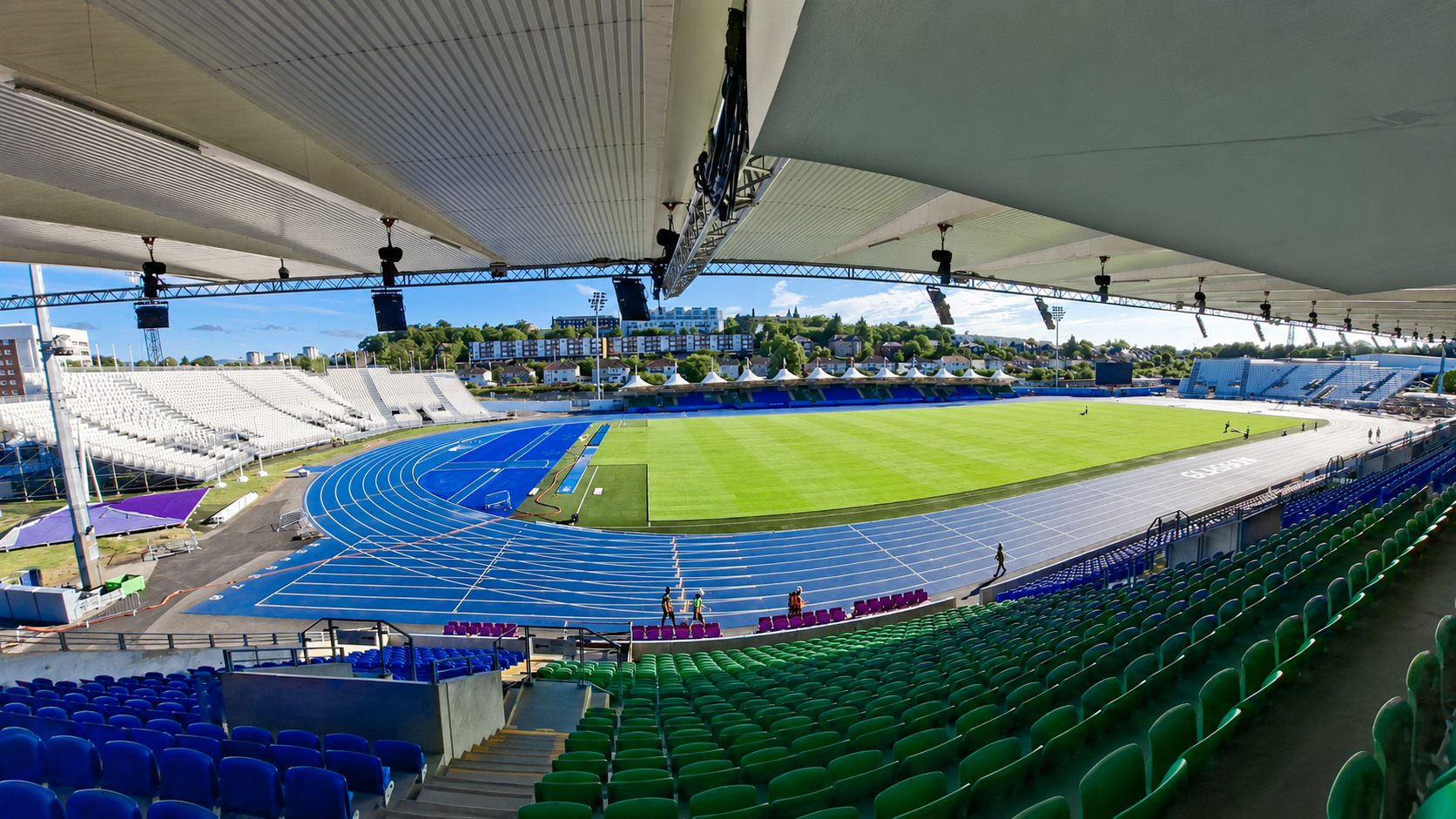
You can, however, borrow a rugby ground in Glasgow’s West End, with a synthetic turf infield that needed temporary retrofitting for implements to land on, and put temporary stands on the bends.
Hence: Scotstoun.
But what about the actual sport?
Here the picture is mixed, and honesty serves the Games better than boosterism.
Start with the awkward part.
At the time of writing — the day before the opening ceremony — start lists for the athletics program have still not been released publicly, and the precise timetable has only just gone live.
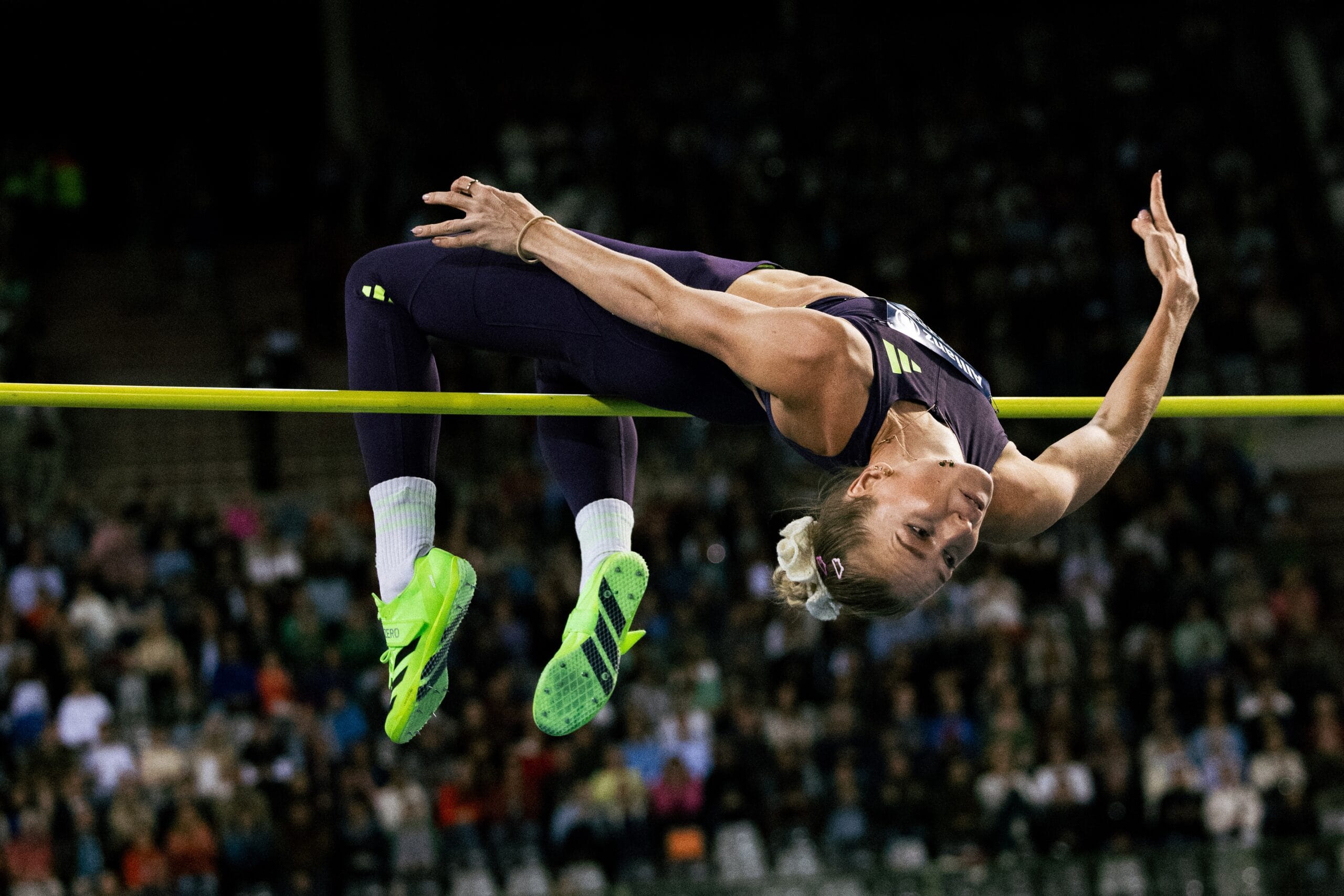
That is extraordinary for a major championship, and the whispers from team camps suggest why: entries in some events are thin enough that scheduled rounds are expected to be cancelled, with events such as the women’s high jump and a number of para events likely to proceed straight to finals.
A Games assembled in under two years, from teams selected on compressed timelines, was always going to have shallow patches, but the lack of transparency this close to the gun serves nobody: not broadcasters, not ticket-holders, or fans.
Where the fields are deep, though, they are genuinely deep.

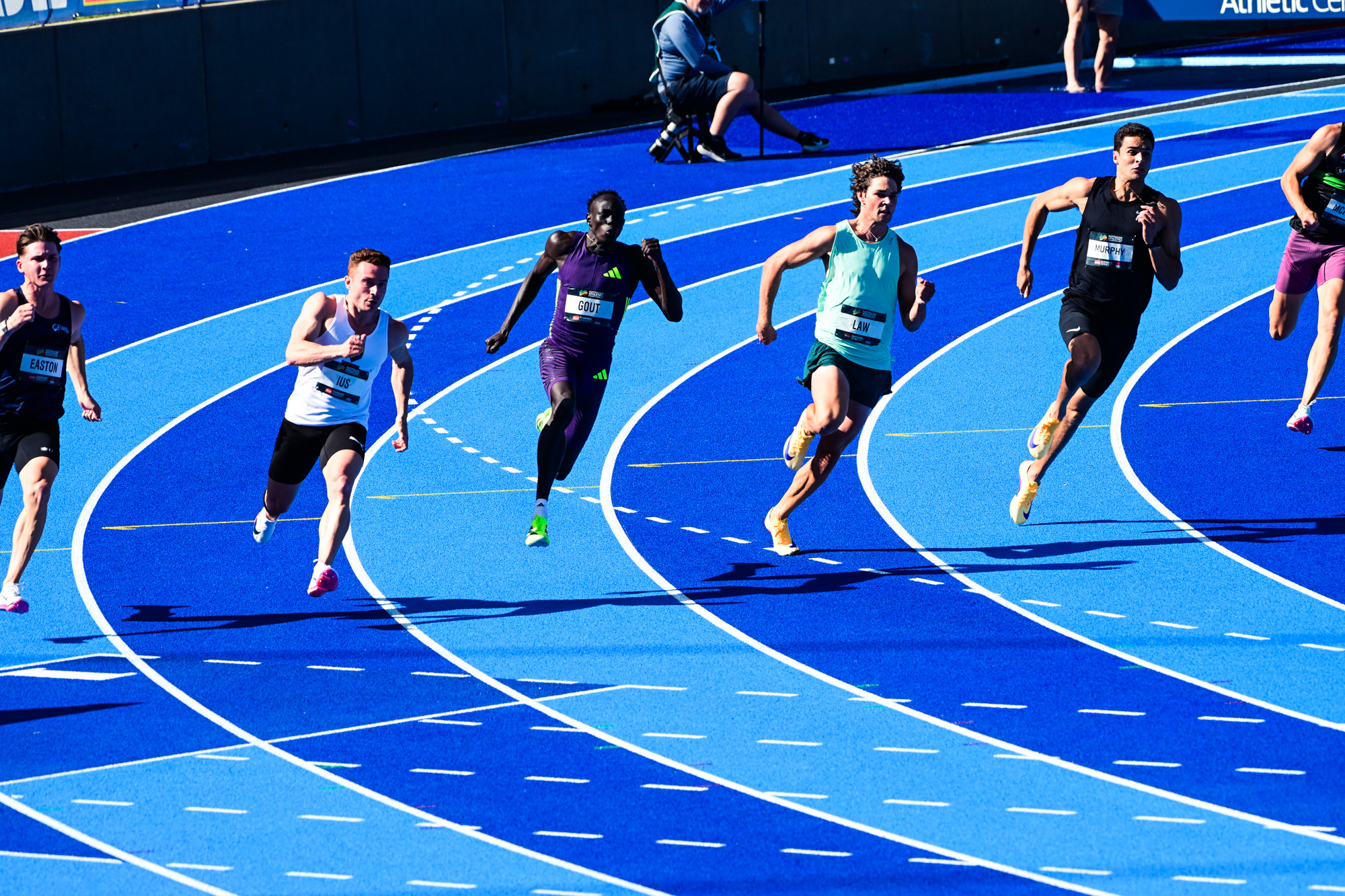
The sprints and middle distances are the Commonwealth’s heartland: the United Kingdom’s four teams, the Caribbean powers, the Kenyan and Ugandan distance machines, plus Australia and New Zealand arriving in strong form.
A men’s 100m with Kenya’s Ferdinand Omanyala defending, a Jamaican women’s sprint contingent led by Shericka Jackson, and middle-distance fields featuring the best of Britain running for Scotland on home soil — these are world-class contests by any measure.
The field events tell a different story.

The most technical and expensive disciplines — men’s pole vault above all, an event that requires equipment, coaching infrastructure and facilities most Commonwealth nations simply don’t have — will be markedly shallower, a reminder that the Commonwealth’s sporting depth maps directly onto its economic geography.
The endurance program has been trimmed to fit the venue and the budget.
There is no marathon in Glasgow, and race walking is again confined to the stadium rather than the roads.
Worth noting: the Commonwealth Games is not alone in retreating from the road.
World Athletics announced this year that the marathon will remain at the World Championships only through Beijing 2027 and the 2029 edition, before splitting off into a standalone annual World Marathon Championships from 2030, with Athens in talks to host the first.
Follow that trajectory to its logical end and the Olympic Games may soon be the last major multi-sport event willing to carry the cost, and the spectacle, of a championship marathon through city streets.
The Mile returns
And yet, for all the compromises, Glasgow has produced one act of genuine programming brilliance: the Commonwealth Mile.
The mile is the Commonwealth’s race.
The 1954 “Miracle Mile” in Vancouver — Roger Bannister versus John Landy, the only two men then to have broken four minutes, Bannister surging past on the final bend as Landy glanced over the wrong shoulder — remains one of the the most famous footraces ever run.
Kip Keino won the last Commonwealth mile in Kingston in 1966 in 3:55.34, announcing the Kenyan revolution, before the Games went metric. Filbert Bayi’s front-running 1500m world record in Christchurch in 1974 carried the same spirit at the newer distance.
Sixty years on, Glasgow has restored the imperial distance, replacing the 1500m outright, with the women’s mile — a first at these Games — closing the entire athletics program on the final Saturday night, in a sold out session (tickets remain for most others).
There is a delicious footnote here.
Britain’s holy trinity of milers — Coe, Ovett, Cram — somehow left remarkably little mark on this event’s Commonwealth history compared to their overall impact on the sport.
Sebastian Coe, now the World Athletics President cheerfully spruiking the mile’s return, never won a Commonwealth medal of any colour.
Steve Ovett’s solitary Commonwealth gold came in the 5000m at Edinburgh in 1986.
Only Steve Cram actually conquered the distance at these Games, winning the 1500m in 1982 before adding both the the 800m and 1500m in 1986.
One inconsistency worth flagging: while the open athletes switch to the mile, para athletes will still contest the conventional 1500m.
So Scotstoun will stage races over both distances at the same championship; four laps for some, three-and-three-quarters for others.
In a Games defined by pragmatic compromise, it is a fittingly untidy detail.
The friendly, complicated Games
So, how did we get here?
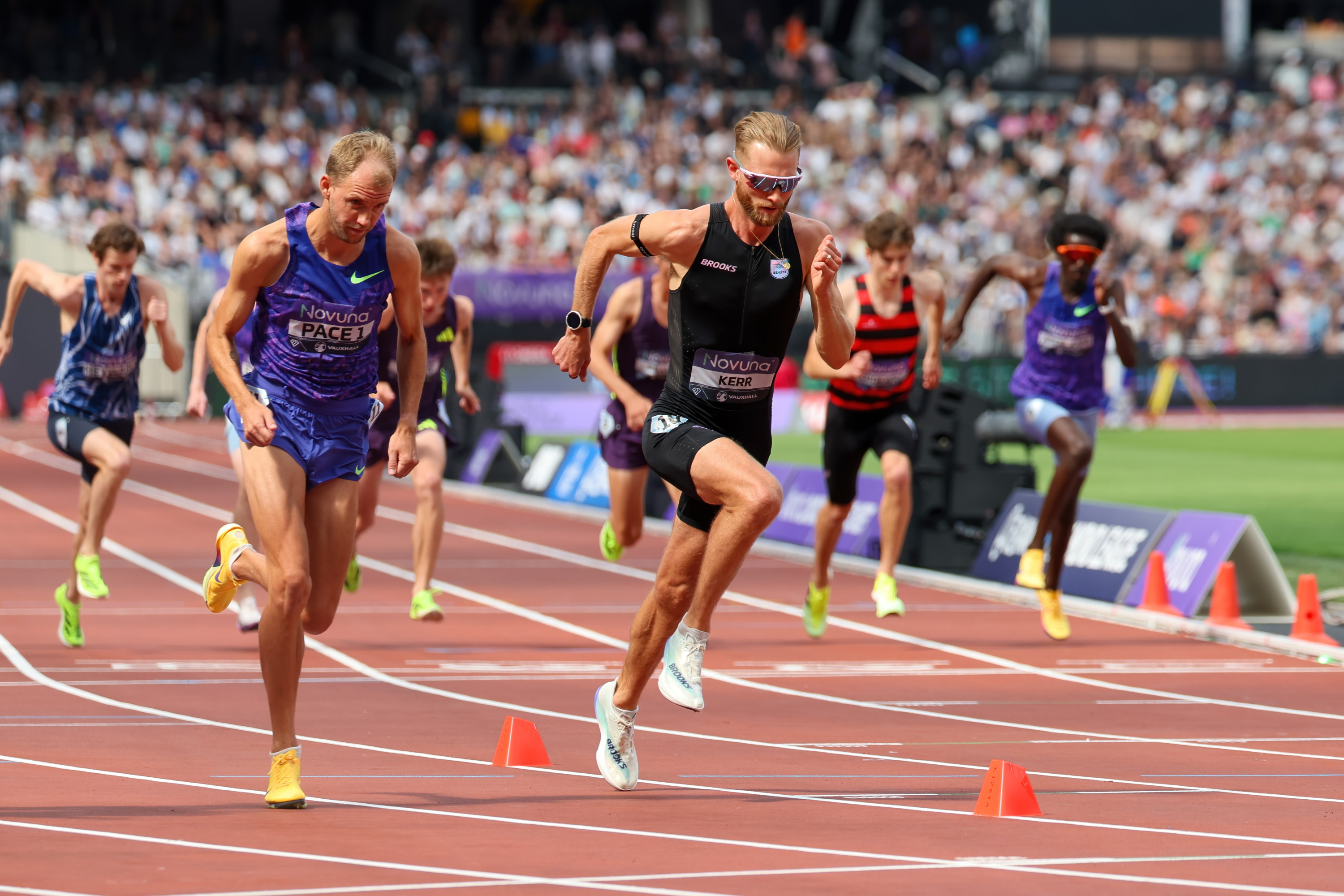
A sports carnival invented to ease the political dissolution of an empire, renamed four times to keep pace with that dissolution, now contested by 74 teams from 56 countries — four of which were never British at all — funded by compensation from an Australian state that decided not to host it, staged in a rugby ground, operating on modest broadcast economics, missing a marathon, missing some rounds, and yet somehow still capable of putting new world record holder Josh Kerr into a Commonwealth Mile final in front of a sold-out home crowd on a Saturday night.

Sport and politics don’t mix.
Except that this event is nothing but the mixture: a hundred years of it, poured into eleven days in Glasgow, six of which are on the track.
See you at Scotstoun.