
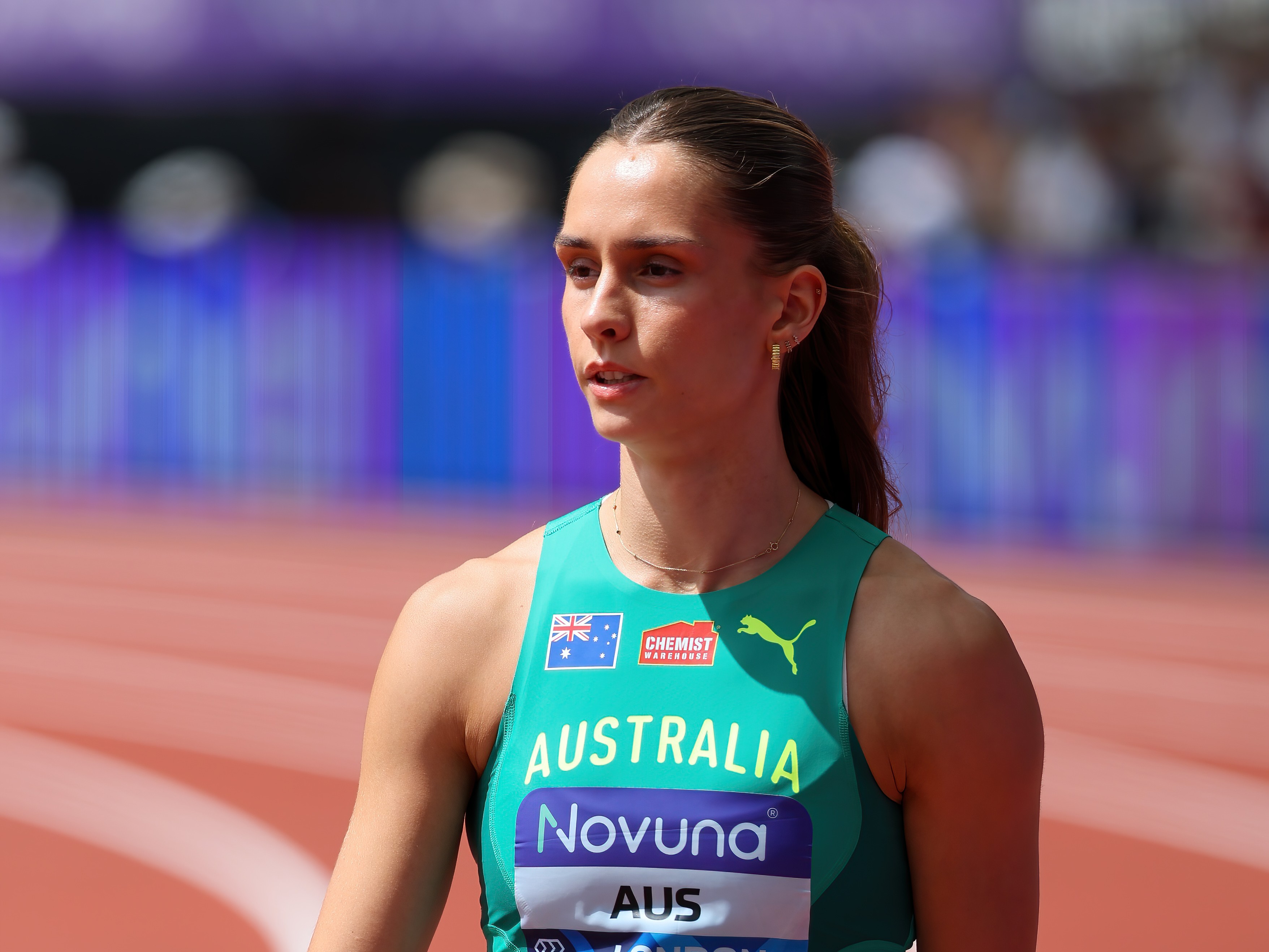
Sixteen years after first dreaming of representing Australia, Monique Hanlon is heading to Glasgow as both an individual sprinter and relay runner. Even she is still catching up with how quickly it has happened.
The night before Monique Hanlon ran the fastest 200 metres of her life, she wrote a number in her notebook.
22.9.
Breaking 23 seconds had become the target. Hanlon and her coach, Luke Donatini, had been hoping she was close, but it remained something she wished for rather than something she expected.
Then the clock stopped at 22.60.
“I think I was just like, ‘What the?'” she says. “I wasn’t expecting it. I was honestly happy with anything, so it was a nice surprise.”
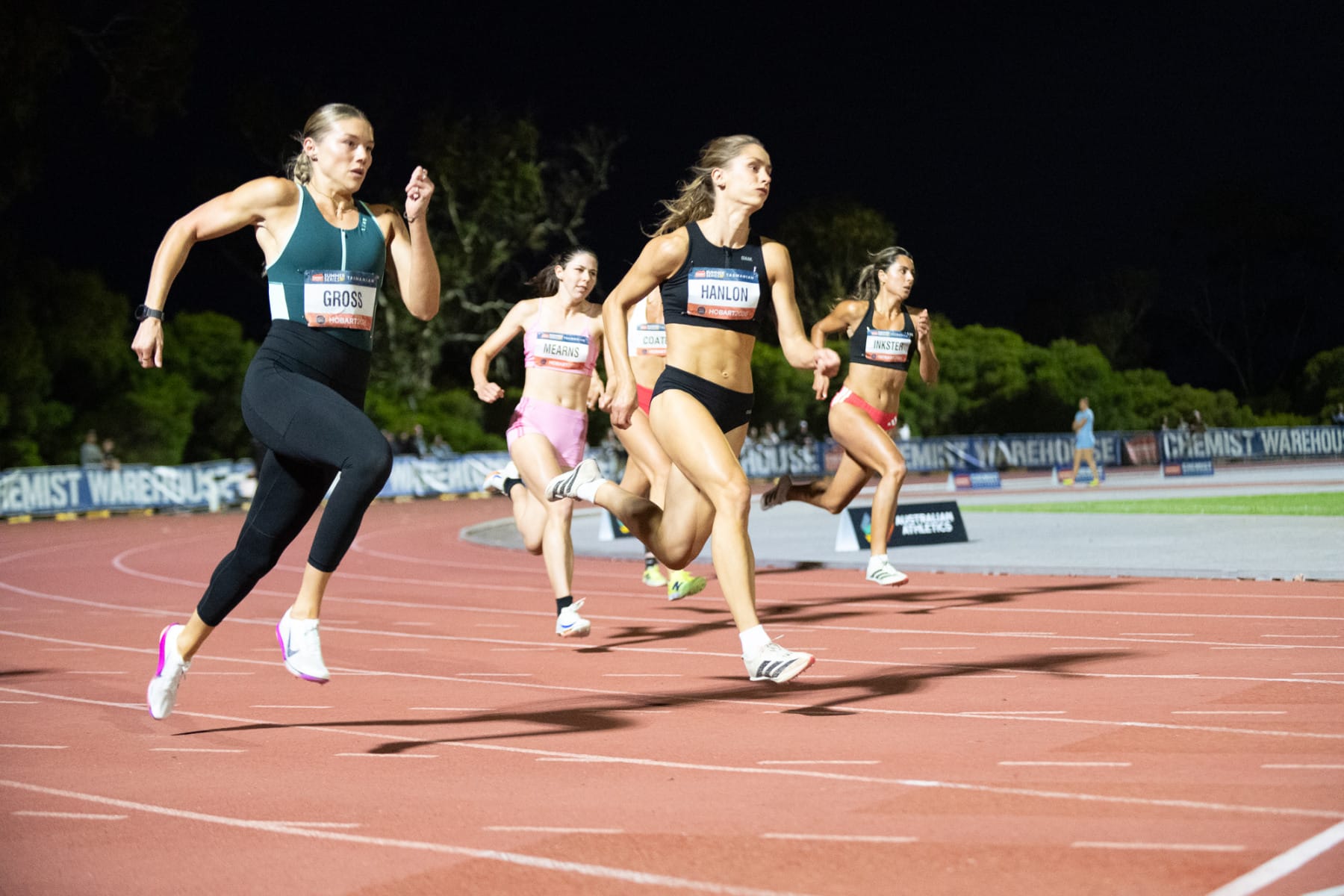
It was considerably more than that. The performance confirmed Hanlon as one of the most improved athletes of the Australian season and reshaped how her individual 200m prospects at the Commonwealth Games would be viewed from the outside.
For Hanlon, it was another unexpected turn in a season that has moved faster than she’s had time to process. She’s speaking from Australia’s staging camp in Barcelona, eight o’clock in the morning, a few days before the team travels to Glasgow. The uniform has arrived. The camp is underway. A childhood ambition is becoming something tangible.
“I’m just trying to stay quite present in everything that’s going on because it’s all happening so fast,” she says. “This is something I’ve been working towards since I pretty much started. It’s pretty hard to recognise that it’s actually happening and it’s real—the dream is happening right now.”
A goal that felt silly to have
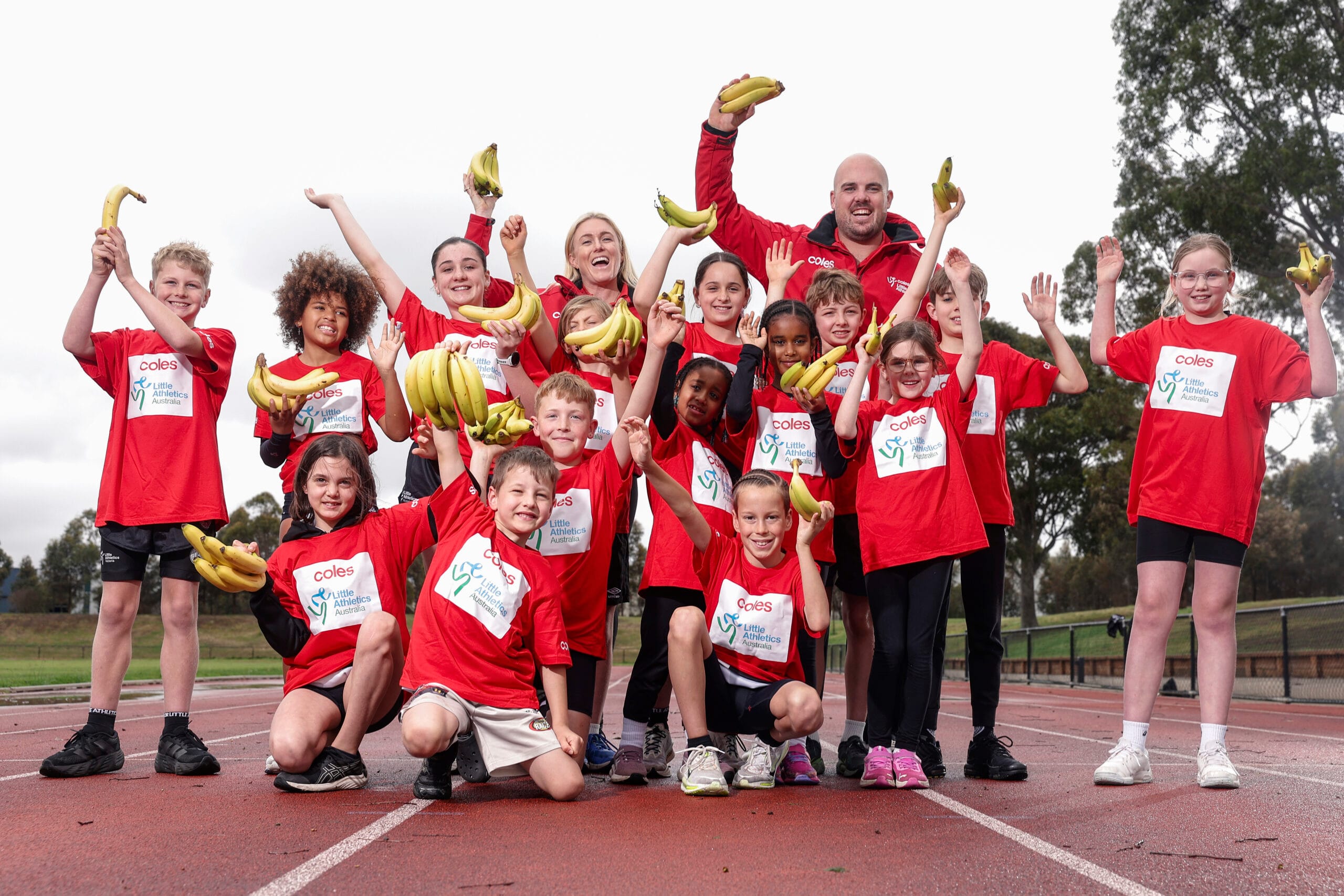
Hanlon started sprinting at five. She progressed through Little Athletics and grew up watching Sally Pearson succeed on the international stage, and reacted with the uncomplicated certainty of a child: she wanted that to be her one day.
“So it’s been 16 years I’ve been waiting for it to happen,” she says. “And then this season it’s all avalanched pretty quickly and snowballed. I feel like it’s suddenly real, and I’m like, ‘How?’ It doesn’t feel very real.”
Representing Australia had always been the dream. Glasgow, specifically, only recently became a realistic destination. Hanlon and Donatini conduct a yearly review, mapping out the season ahead and identifying a major goal on the horizon, even when it feels distant. The Commonwealth Games went onto the page last November, though Hanlon privately wondered whether it was too ambitious.
“I knew in the back of my head it was out of reach,” she says. “I felt like I was a bit silly for hoping it would happen.”

Her outlook shifted after the World Relays in May, where she became part of the Australian 4x100m program. Until then, a place in Glasgow had barely seemed conceivable. “This time last year, if you asked me, it would not have even crossed my mind.”
What occurred wasn’t a dramatic change in training. Hanlon has been coached by Donatini for six years and has worked with gym coach Chris Gaviglio for more than three. When results improved, the program stayed the same: the breakthrough came from finally being able to complete it.
She’d spent years dealing with recurring stress injuries, including one in her back at the start of the previous season. This time, she made it through a full season and a consistent off-season without another interruption.
“We didn’t change anything, even when I started to do well,” she says. “It was just — touch wood — I didn’t have anything happen. It all kind of came together nicely.”
That consistency produced a domestic season in which Hanlon kept winning and kept improving. At first, she was simply pleased to be invited into the Australian track classics; momentum built from there, though it took a post-season review with her coach for her to fully register what she’d done.
“I actually realised how much time I had cut down and how many things I had done that I didn’t expect to do,” she says. “Having that moment to actually write things down, I was like, ‘Well, that actually happened.'”
More than a time on paper
Hanlon’s Australian Championships result didn’t advertise what was coming. The women’s 200m final was run into a headwind; soon after, conditions turned and the men raced with strong following winds, producing a string of much faster times. Anyone reading only the results sheet could draw conclusions about the relative quality of the two races — conclusions Hanlon, third in 23.37s, knew would miss what had actually happened on the track.
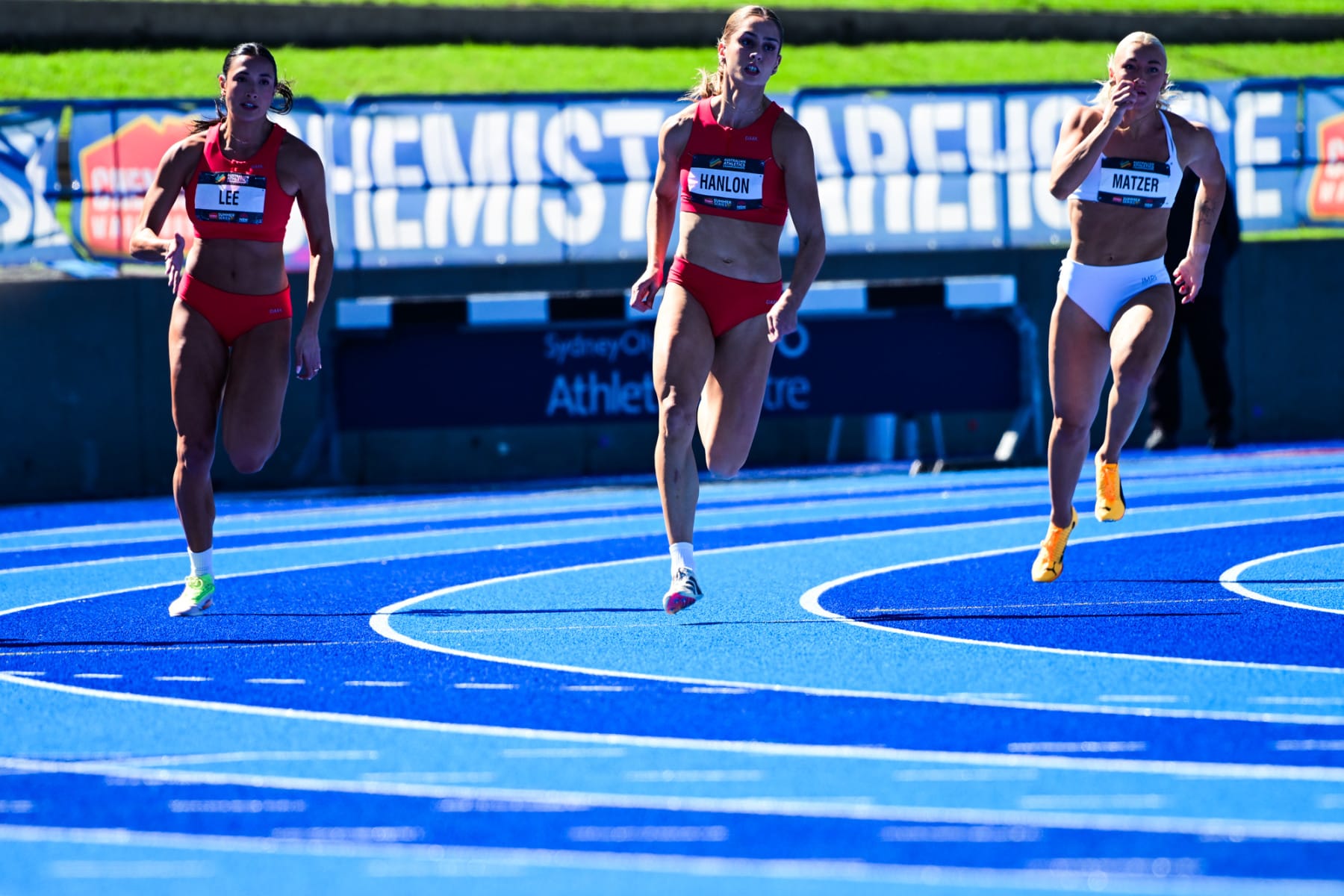
“It’s literally just a time on a piece of paper,” she says. “You’ll have people looking in from the outside and saying, ‘Maybe this range of girls isn’t amazing,’ or whatever. It’s really hard to hear that, because you know how incredible all these girls are. We’re putting together quick races, and sometimes it’s literally things you just can’t control.”
Her 22.60 in Europe offered a truer read of the form she’d been building, and it reshaped how her Commonwealth Games selection would be seen from outside. Hanlon was named in Australia’s 4x100m squad, with the team’s structure and athlete cap also opening a path into the individual 200m.
It would be easy to treat the individual event as an incidental addition to her relay duties.
Hanlon has no interest in doing that. Calmly, she responds to the loaded question.
“I think it’s almost a bit destructive to yourself if you think about it like, ‘I’m only given this opportunity because of this circumstance and because I’ve been selected for the four-by-one,'” she says.
“Who really cares why I’m here? I’m going to run it and I’m going to give it what I’ve got, regardless of why people may have thought I was selected.”
Monique Hanlon
She’s resisting the temptation to attach a specific time or finish to her first major individual appearance. After waiting this long to reach it, she doesn’t want an outcome to get in the way of experiencing it.
“If I’m focused on a time and a place and the rest of it, I think quite often that does the opposite of what you need it to do,” she says. “I’m just hoping to put together a nice race and enjoy being out there with some of the best in the Commonwealth.”
A team within an individual sport
The relay carries a different kind of excitement. This is Hanlon’s first year in the national relay program. She’s now part of squad of athletes who’d ordinarily meet as competitors, now training, travelling and preparing together. For Hanlon, that’s made the rapid step into international athletics far easier.
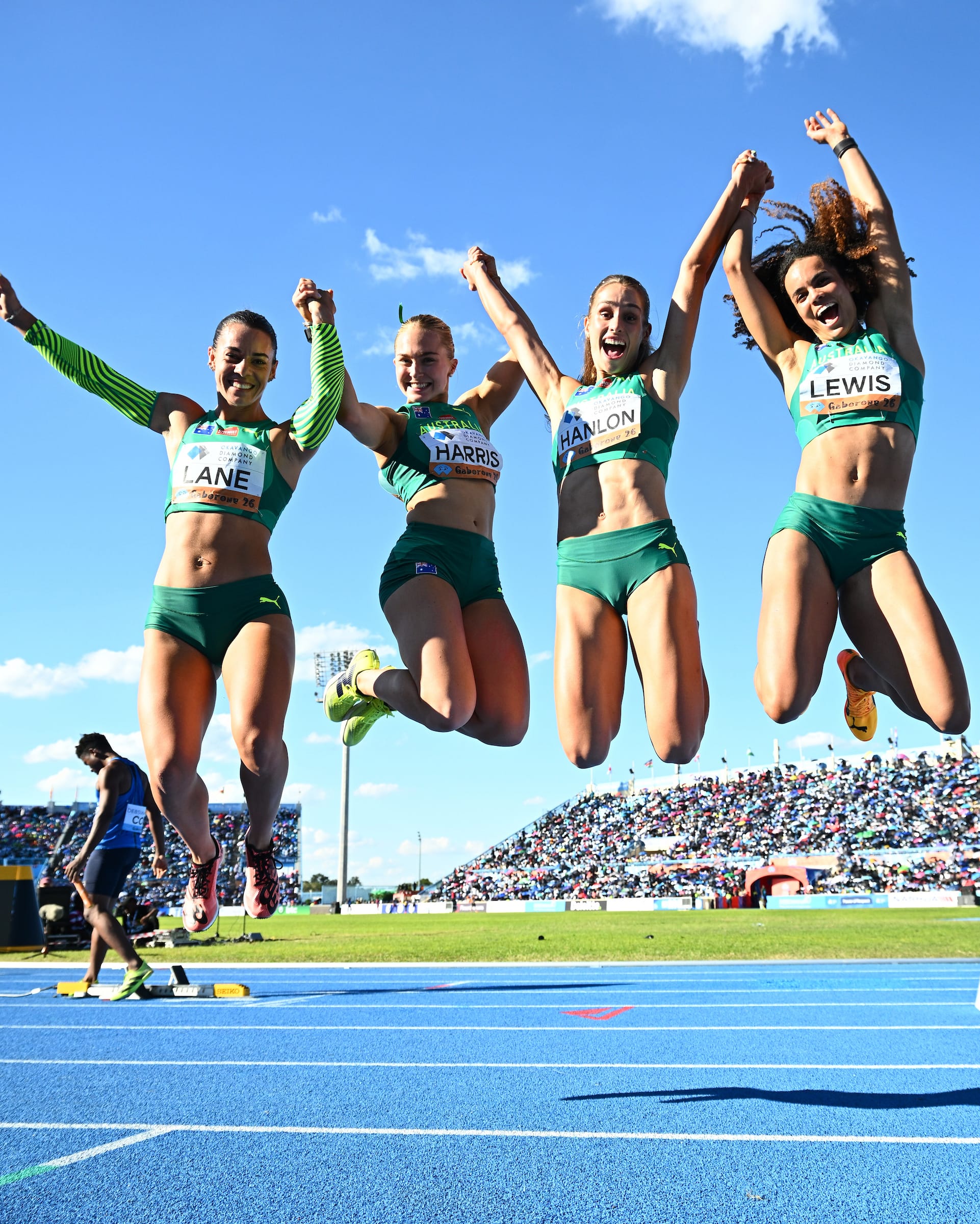
“It gives you a taste of a team sport in a sometimes very individual sport,” she says. “You’ve got four other girls who are in the same boat as you, following the same sort of schedule, and you know you’re going to have girls out there on the track with you. We all have such a great friendship, and it’s been awesome.”
Hanlon’s 4x100m team mates are all Queenslanders: national record holder Torrie Lewis, national champion Georgia Harris, Ebony Lane and Chloe Mannix-Power.
Away from the track, Hanlon is completing an honours degree in medical imaging at QUT: a course she found almost by accident, after a year of psychology that didn’t fit, while flicking through a course guide. It’s given her a demanding second pursuit that keeps life from being measured entirely in training sessions and race results, one she’s now fitting around a season with far more international travel than she’d planned for.
Family is the other constant. Hanlon trains alongside her younger sister, sharing the daily grind with someone who understands it, and speaks just as warmly about her parents and what they’ve sacrificed to support both her athletics and her studies. They’ll be in Glasgow to watch the dream that started when their daughter was five.
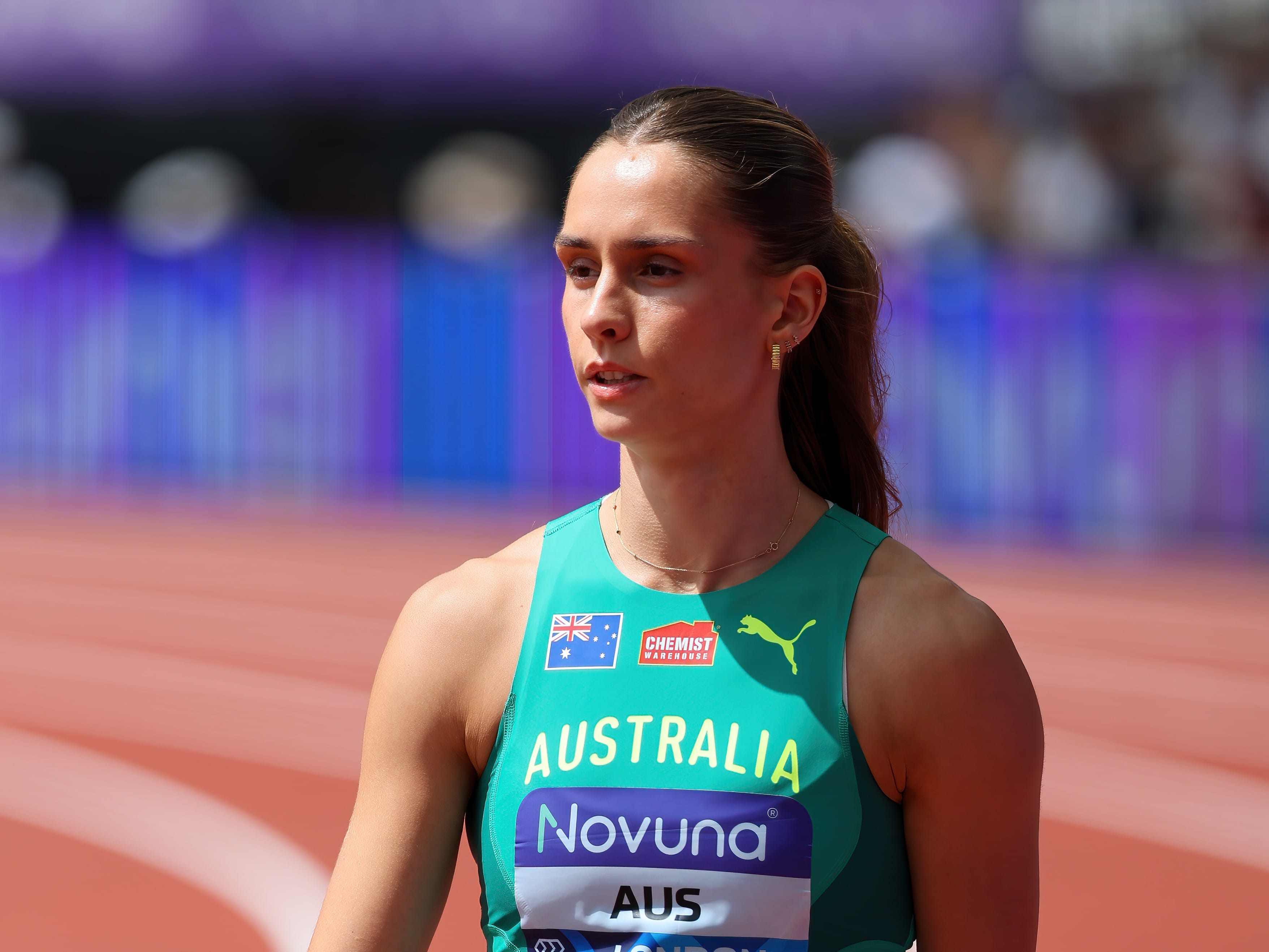
“I definitely would not be here without the support of Mum and Dad,” she says. “They make it all happen, and I seriously owe it all to them.”
The rise looks sudden from the outside: a breakthrough domestic season, a relay opportunity, an individual Commonwealth Games selection, then a 22.60 personal best. For Hanlon, it’s the result of years spent waiting for her body, her training and her opportunity to align at once.
The number in the notebook was 22.9. The clock said 22.60. Glasgow will show what comes next.